
How to Find Clear, Trustworthy Pet Health Advice Online

How to Find Clear, Trustworthy Pet Health Advice Online

When a pet starts limping, refuses food, or behaves differently than usual, many owners turn to the internet for answers. Online information can help you prepare questions and recognize possible concerns, but it cannot replace an examination by a veterinarian. Knowing how to assess what you read—and when to stop searching and seek care—can make digital advice a useful part of responsible pet ownership.

Why Online Pet Health Advice Needs Careful Reading

Search results bring together advice from veterinary professionals, animal welfare organizations, businesses, and individuals sharing personal experiences. These sources do not all have the same expertise or purpose. A confident tone, polished design, or large social following does not guarantee that a health claim is accurate or suitable for your pet.

Advice can also vary depending on species, age, medical history, and circumstances. A suggestion that may be reasonable for a healthy adult dog could be unsafe for a kitten, an older animal, or a pet taking medication. Treat general online information as a starting point, not as a diagnosis or a substitute for individualized veterinary guidance.

Check the Source Before Acting

Look for relevant expertise

Check whether the author’s professional background is clearly explained and relevant to the subject. Veterinary clinics, veterinary schools, animal hospitals, and established animal welfare organizations are often useful places to begin. If an article discusses a medical condition, medication, or treatment, look for veterinary input rather than relying only on an anonymous post or a product description.

Check when the information was published

Health recommendations can change as knowledge develops. Look for a publication or review date, particularly when reading about medicines, parasite prevention, nutrition, or infectious disease. An old article may still contain sound general advice, but its details should be checked against current guidance from your veterinary team.

Notice the purpose of the page

Some pages are designed mainly to sell food, supplements, or other products. That does not automatically make every statement unreliable, but it is a reason to read carefully. Ask whether the article explains limits and risks, distinguishes evidence from opinion, and encourages veterinary care when appropriate. Be cautious of claims that promise a quick cure or present one product as the answer to many unrelated problems.

Use Online Advice to Prepare for a Vet Visit

A useful role for online research is helping you describe what you have noticed. Rather than trying to diagnose your pet, record practical details: when the change began, how often it happens, whether it is getting worse, and any changes in appetite, drinking, toileting, mobility, or energy. If safe to do so, a short video can help show a behavior or movement that may not occur during an appointment.

Write down your questions before contacting the clinic. You might ask what signs would make the issue urgent, whether your pet should be seen, and what information to bring. Share any medicines, supplements, or home treatments your pet has received. Avoid starting human medication or changing a prescribed treatment based on something found online; some common substances can be harmful to animals.

Know When Searching Is Not Enough

Some symptoms need prompt professional attention. Difficulty breathing, collapse, seizures, severe bleeding, suspected poisoning, or sudden inability to stand are examples of situations where you should contact a veterinary clinic or emergency service immediately rather than spending time comparing websites. If you are unsure how serious a symptom is, call a veterinary professional and describe it.

For less urgent concerns, a clinic can still help you decide whether an appointment is needed. Online information cannot assess pain, hydration, temperature, or other signs that may require a physical examination. Getting tailored advice early may prevent a manageable problem from becoming more serious.

How Pet Health Information Can Reach More Owners

Veterinary practices and animal-care organizations can make reliable guidance easier to find by publishing clear, focused explanations. Useful topics include preparing a pet for a routine visit, recognizing changes in behavior, keeping preventive-care records, and understanding when to seek urgent help. Plain language, descriptive headings, and a clear explanation of when professional assessment is needed help readers use the information appropriately.

Publishing beyond an organization’s own website can introduce educational material to new audiences, provided the article fits the publication and offers genuine value. For example, a brand planning outreach can compare how different sectors identify relevant publishers; this fashion guest-posting directory illustrates one niche-specific approach to finding websites that accept articles. The broader lesson is to prioritize audience fit and useful information over simply seeking a place to publish.

Creating consistent content may call for skills beyond veterinary expertise, such as editing, illustration, or web design. A marketplace such as Osdire lets buyers find freelancers across categories including writing, design, and marketing. When bringing in outside help, have a qualified veterinary professional review medical claims before anything is published. Clear responsibilities and review steps help protect both accuracy and reader trust.

A Practical Approach for Pet Owners

Use online sources to learn basic terms, prepare questions, and find reputable organizations—not to make a final diagnosis. Check who created the advice, when it was reviewed, and whether the page has a commercial interest. Keep notes about your pet’s symptoms and contact a veterinary professional when the situation is urgent or uncertain. A thoughtful approach lets the internet support informed care while keeping your pet’s individual needs at the center.

Dog Bites: Understanding, Preventing, and Responding

Dog Bites: Understanding, Preventing, and Responding

Dog Bites: Understanding, Preventing, and Responding

Introduction to Dog Bites

Dog bites are a significant public health concern worldwide, with millions of incidents reported annually. These incidents not only cause physical harm but also have profound emotional and psychological impacts on victims and communities. Understanding the causes, risk factors, and prevention strategies is crucial in addressing this issue effectively.

Causes of Dog Bites

Various factors contribute to dog bites, including lack of socialization, fear or anxiety, and the instinct to protect territory or possessions. Dogs may exhibit aggressive behavior when they feel threatened or stressed, highlighting the importance of proper training and handling.

Risk Factors for Dog Bites

Certain breeds may have predispositions to aggressive behavior, but factors such as age, gender, and whether the dog is spayed or neutered also play significant roles. It’s essential to recognize these risk factors to reduce the likelihood of bites and promote responsible pet ownership.

Prevention Strategies

Preventing dog bites requires a multifaceted approach, including socialization and training, responsible pet ownership, and community-wide awareness campaigns. By addressing these factors proactively, we can create safer environments for both people and animals.

What to Do If a Dog Bites

In the event of a dog bite, immediate first aid should be administered, followed by seeking medical attention to prevent infection and assess the severity of the injury. Reporting the incident to local authorities is essential for tracking and addressing potential public safety concerns.

Legal Implications of Dog Bites

Dog bite laws vary by jurisdiction, but owners may be held liable for damages resulting from their pet’s aggressive behavior. Understanding these legal ramifications is crucial for both victims seeking compensation and dog owners facing potential consequences.

Support for Victims

Victims of dog bites may experience physical injuries as well as emotional trauma. Access to support services, including counseling and legal assistance, can aid in the recovery process and ensure that victims’ rights are protected.

Public Health Concerns

Beyond individual incidents, dog bites pose broader public health risks, including the potential transmission of diseases such as rabies. Vaccination and responsible pet ownership are essential in mitigating these risks and safeguarding community health.

Myths and Misconceptions

Misconceptions about dog behavior and breed stereotypes often perpetuate fear and misunderstanding. Challenging these myths and promoting accurate information is essential in fostering empathy and reducing the stigma associated with dog bites.

Educating Children About Dog Safety

Teaching children how to interact safely with dogs is vital in preventing bites and fostering positive relationships with animals. Parents, educators, and community organizations play crucial roles in imparting these lessons and promoting responsible behavior.

The Role of Animal Shelters and Rescue Organizations

Animal shelters and rescue groups play a critical role in addressing the root causes of aggression in dogs through rehabilitation and responsible adoption practices. By providing support to both animals and owners, these organizations contribute to safer communities.

International Perspectives on Dog Bite Prevention

Attitudes toward dogs and approaches to bite prevention vary globally, highlighting the importance of cultural sensitivity and cross-cultural collaboration. Sharing knowledge and best practices can lead to more effective strategies for reducing dog bites on a global scale.

Research and Innovation in Dog Behavior

Advancements in understanding canine behavior and communication offer new insights into preventing aggressive incidents. From technology-assisted training methods to behavioral therapy techniques, ongoing research drives innovation in bite prevention strategies.

The Bond Between Dogs and Humans

Despite the risks, the bond between dogs and humans remains strong, with countless benefits to both parties. From companionship to assistance in therapy and service roles, dogs enrich our lives in myriad ways, underscoring the importance of responsible pet ownership.

Conclusion

Dog bites are a complex issue with far-reaching impacts on individuals, communities, and public health. By addressing the root causes, promoting education and awareness, and supporting victims, we can work together to create safer environments for humans and dogs alike.

FAQs

  1. Are certain breeds more prone to aggression than others? While breed tendencies may play a role, individual temperament and upbringing have a more significant influence on a dog’s behavior.
  2. What should I do if I encounter an aggressive dog? Remain calm, avoid making sudden movements, and slowly back away from the dog without making direct eye contact.
  3. Can dog bites be prevented through training? Proper training and socialization are essential in reducing the risk of aggressive behavior in dogs and promoting positive interactions with humans and other animals.
  4. How common are dog bites, and who is most at risk? Dog bites are relatively common, with children and the elderly being particularly vulnerable due to their limited ability to defend themselves.
  5. What legal options do I have if I’m bitten by a dog? Depending on the circumstances, you may be entitled to compensation for medical expenses, lost wages, and pain and suffering. Consulting with a legal professional can help you understand your rights and options.

Bulldog Dog Breed: Unveiling the Charms of These Lovable Canines

Bulldog Dog Breed: Unveiling the Charms of These Lovable Canines

The Bulldog, known for its distinctive wrinkled face and muscular build, has carved a special place in the hearts of dog enthusiasts worldwide. In this comprehensive guide, we delve into the fascinating world of Bulldog breeds, exploring their history, characteristics, care requirements, and more.

Introduction

A. Definition of Bulldog breed

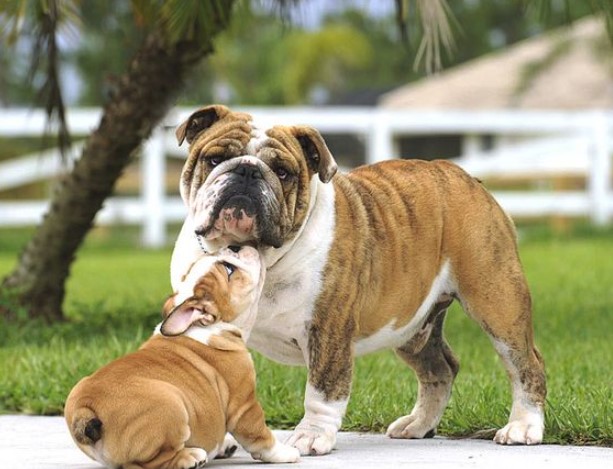
Bulldogs, often referred to as English Bulldogs, are medium-sized, muscular dogs known for their loose, saggy skin, and signature pushed-in nose.

B. Popularity and recognition

Despite their somewhat intimidating appearance, Bulldogs are beloved pets and have gained recognition for their friendly demeanor and unique physical traits.

Bulldog Characteristics

A. Physical features

Bulldogs boast a sturdy build, a distinctive pushed-in nose, and loose skin folds. Their characteristic “jowls” and loose skin contribute to their adorable and lovable appearance.

B. Temperament

Known for their gentle and affectionate nature, Bulldogs are great family pets. They exhibit a calm demeanor and are particularly good with children.

C. Unique traits

Bulldogs are known for their distinct waddle, resulting from their muscular build and unique skeletal structure. Their endearing snorting sounds add to their charm.

Bulldog History

A. Origin and development

Originally bred for bull-baiting, Bulldogs have a history dating back centuries. Over time, they transitioned from working dogs to beloved companions.

B. Historical roles

Bulldogs were once employed in various roles, including guarding homes and livestock. Their tenacity and courage made them valuable assets in different historical contexts.

Popular Bulldog Varieties

A. English Bulldog

Known for their loose skin and distinctive appearance, English Bulldogs are the most recognized among the Bulldog breeds.

B. French Bulldog

French Bulldogs, with their bat-like ears and compact size, have gained popularity as charming and adaptable companions.

C. American Bulldog

Recognized for their athleticism and strength, American Bulldogs are versatile working dogs with a loyal disposition.

Caring for Bulldogs

A. Nutrition and diet

Maintaining a balanced diet is crucial for Bulldogs to support their overall health. Special attention should be given to their unique dietary needs.

B. Exercise requirements

Despite their muscular build, Bulldogs are not high-energy dogs. Regular, moderate exercise is essential to keep them healthy and prevent obesity.

C. Grooming tips

Regular grooming, especially in the facial folds, is necessary to prevent skin issues. Cleaning their wrinkles and ears helps maintain their hygiene.

Health Concerns

A. Common Bulldog health issues

Bulldogs are prone to certain health issues, including respiratory problems and skin infections. Regular veterinary check-ups are essential for early detection.

B. Preventive measures

Addressing health concerns through a healthy diet, regular exercise, and preventive care measures can contribute to a Bulldog’s overall well-being.

Training Bulldogs

A. Basic training tips

Consistent, positive reinforcement is key to training Bulldogs. They respond well to reward-based training methods.

B. Behavioral challenges and solutions

Bulldogs may exhibit stubbornness at times. Understanding their temperament and employing patience can help overcome behavioral challenges.

Bulldogs in Popular Culture

A. Bulldogs in movies and TV

Bulldogs have made a mark in popular culture, appearing in various films and TV shows. Their iconic appearance often adds a touch of humor and charm to on-screen narratives.

B. Symbolism and representation

The Bulldog’s image is often used to symbolize determination and strength, making it a popular choice for mascots and logos.

Bulldog Breeding

A. Responsible breeding practices

Ethical breeding practices focus on the health and well-being of the Bulldogs, prioritizing genetic diversity and minimizing health risks.

B. Ethical considerations

Responsible breeders prioritize the Bulldog’s welfare, aiming to eliminate genetic issues and promote a healthier breed standard.

Bulldogs as Pets

A. Suitability as family pets

Bulldogs are excellent family pets, known for their affectionate nature and adaptability to various living situations.

B. Tips for first-time Bulldog owners

First-time Bulldog owners should be aware of their unique needs, including grooming, health considerations, and the importance of early socialization.

Bulldog Rescue Organizations

A. Importance of rescue initiatives

Rescue organizations play a crucial role in rehoming Bulldogs in need, providing them with a chance for a better life.

B. How to support Bulldog rescues

Supporting Bulldog rescue organizations through donations, volunteering, or adopting can make a significant impact on the lives of these wonderful dogs.

Misconceptions about Bulldogs

A. Addressing common myths

Dispelling misconceptions about Bulldogs, such as aggression or difficulty in training, promotes a more accurate understanding of their true nature.

B. Promoting breed awareness

Educating the public about Bulldogs helps create a more informed and compassionate community, reducing the likelihood of misconceptions.

Bulldog Events and Competitions

A. Bulldog shows and contests

Participating in Bulldog events and competitions can be a rewarding experience, showcasing the breed’s unique qualities and fostering a sense of community.

B. Participation benefits

Engaging in events not only highlights the Bulldog’s positive traits but also provides opportunities for breed enthusiasts to connect and share experiences.

Future Trends in Bulldog Ownership

A. Evolving preferences

As lifestyles change, the preferences for Bulldog ownership may evolve, leading to potential shifts in breeding practices and care trends.

B. Innovations in Bulldog care

Advancements in veterinary care and technology may contribute to improved health and well-being for Bulldogs in the future.

Conclusion

A. Recap of Bulldog characteristics and history

Bulldogs, with their unique charm and affectionate nature, continue to be cherished companions. Understanding their history and caring for their specific needs ensures a fulfilling relationship.

B. Encouragement for responsible ownership

Promoting responsible ownership is crucial for the well-being of Bulldogs. Adopting ethical practices and providing proper care contributes to the longevity and happiness of these lovable pets.

FAQs About Bulldogs

  1. Are Bulldogs good with children? Bulldogs are known for their gentle and affectionate nature, making them excellent companions for children.
  2. What health issues are common in Bulldogs? Bulldogs may face respiratory problems and skin infections, requiring regular veterinary check-ups for early detection.
  3. Do Bulldogs require a lot of exercise? While Bulldogs are not high-energy dogs, regular, moderate exercise is essential to keep them healthy and prevent obesity.
  4. How can I support Bulldog rescue organizations? Supporting Bulldog rescues can be done through donations, volunteering, or considering adoption.
  5. What are the common misconceptions about Bulldogs? Common misconceptions, such as aggression or difficulty in training, can be dispelled by promoting accurate information about Bulldogs.

Best Pet Insurance for Dogs

Best Pet Insurance for Dogs

Pet insurance for dogs overview

Pet health insurance can help cover the veterinary costs for unexpected accidents and illnesses. Pet insurance reimburses you on your veterinary bills when your dog gets sick or injured. It can help you afford the best course of treatment for your dog while protecting you against financial setbacks. The right pet insurance policy can give you peace of mind that your dog is taken care of without being a financial burden.

What does pet insurance for dogs typically cost?

Pet owners spend more than $3,000 annually on their pets, according to the pet health insurance company Lemonade. Pet insurance can help to cut back on those out-of-pocket costs.

Average premiums costs range from $20 to $55 a month. The cost for pet health insurance is based primarily on four factors:

  • Your dog’s age
  • Your dog’s breed
  • Your location
  • Your plan’s annual limit, annual deductible, and reimbursement level

The average cost of pet insurance is $45 per month for a dog for an accident and illness policy with $5,000 of annual coverage and $55 per month for an accident and illness policy with unlimited annual coverage. The monthly cost is roughly half this amount for an accident-only policy.

Wellness coverage typically costs $20-$25 per month and is rolled into comprehensive coverage policies. For most pet owners, the cost of a wellness policy is what they would pay out of pocket anyway, so it may not be worth getting a standalone wellness plan.

What is typically covered?

Different pet insurance companies offer different pet coverage options for dogs, so you may have to do some research to find the best pet health insurance for your dog. Depending on the plan, pet insurance policies can cover:

Accidents

Accident coverage covers injuries and emergencies related to accidents, like torn ligaments, bite wounds, cuts, broken bones, swallowed objects, and toxic ingestions. It can also include a wide variety of services related to accidents, such as X-rays, MRIs, ultrasounds, bloodwork, sutures, medications, hospitalization, and surgery.

Illnesses

Illness coverage reimburses for the costs of major and minor illnesses, such as cancer, arthritis, hypothyroidism, ear infections, digestive problems, and urinary tract infections (UTIs). It can also cover expenses from diagnosing the health condition to the treatments your dog needs to get better.

Prescriptions

Prescription medication can help alleviate pain, reduce inflammation, or fight off an infection. They can also cover medication to manage chronic conditions, such as thyroid problems. Many plans also cover prescription food and supplements to help your dog with certain health conditions.

Other common coverage services

Other common services a pet insurance plan for dogs can cover are hereditary conditions, congenital conditions, chronic conditions, emergency care, specialty care, alternative treatment, surgeries, wellness policies, and much more. Each pet insurance company will offer different coverage options.

What is not covered?

Even the best pet insurance companies have exclusions, which are things not included in your dog’s coverage. It is important to understand what they are to avoid any surprises. Here are the most common pet insurance exclusions for dogs.

Pre-existing conditions

Any medical condition that a pet has before the policy starts is subject to exclusion. Some pet insurance companies review the past 24 months or a pet’s entire life to establish pre-existing conditions. This also includes hereditary disorders. Some plans do not cover certain breeds due to the fact they are predisposed to certain medical conditions.

Wellness care and preventative diseases

Most plans have a rider that offers preventative care. If not included, however, pet owners will have to pay for routine veterinary care out of pocket. If pets get sick due to pet owners not vaccinating their pets, then treatments will likely not be covered.

Elective procedures

Most policies do not cover cosmetic surgeries or expenses not directly related to veterinary care. This typically covers tail docking, ear cropping, nail trimming, and cosmetic dental restoration for teeth such as veneers and crowns.

Bilateral conditions

A bilateral condition is a condition or disease that affects both sides of the body. If pets have a problem with parts of their knees, hips, and other conditions that can impact both sides of a pet’s body, then they are not covered. Because a pet runs a higher risk of the same condition on the other side of the body, if a pet has a pre-existing instance of a bilateral condition, the other side is typically not covered. Certain policies restrict the condition to just the first year. So if the problems arise after 12 months, then they will be covered.

Pregnancy and/or birth

Pet owners typically have to pay for costs related to pregnancy, breeding, or whelping. 

Injuries that are deliberate or due to neglect

Insurance companies won’t cover deliberate injuries by a pet owner or anyone in the household. Injury and illnesses from fighting, racing, cruelty, or neglect are also not covered.

Waiting period

Most pet insurance policies have a traditional waiting period of two weeks. Some injuries, like bilateral problems, have other specific time periods.

How to choose the right insurance for your dog

There are many different companies offering different pet insurance plans for your dog. As you research them, here are some important things to keep in mind.

Types of coverage

There are three types of pet insurance coverage: accident-only, accident and illness, and wellness coverages. Each level determines the type of care your dog is covered for as well as the cost.

  • Accident-only (AO) policies offer limited coverage. It does not cover most illnesses. It is cheaper than comprehensive coverage and is typically best for emergencies:
    • Accidents such as car accidents
    • Foreign body ingestion (swallowed objects)
    • Lacerations
    • Poisoning
    • Ligament tears
  • Accident and illness (A&I) policies are also known as “comprehensive policies” since they cover accidents plus minor and major illnesses:
    • Accidents
    • Injuries
    • Chronic illnesses (such as cancer, infection, and digestive problems)
    • Infections
    • Diagnostic testing
    • Prescription drugs
    • Emergency care
  • Wellness policies cover routine and preventative care, such as annual check-ups, vaccinations, and teeth cleaning. These policies tend to be riders to A&I policies. If embedded with an A&I policy, they may include:
    • Vaccinations
    • Early screening diagnostics
    • Dental care
    • Consultations for proper nutrition

Pet insurance plan customizations

The cost of a plan will depend on a variety of factors. Different pet insurance companies will offer additional endorsements that you can add to the policy. Here are other ways you can customize your pet insurance plan for your dog.

  • Annual coverage limits — Plans typically have an annual limit ranging from $5,000 to $20,000. Some plans offer even higher amounts, including unlimited coverage limits. These policies cost significantly more, however.
  • Reimbursement percentage — Pet owners can customize how much reimbursement they receive for covered veterinary costs. The most common reimbursement amounts range from 70{35112b74ca1a6bc4decb6697edde3f9edcc1b44915f2ccb9995df8df6b4364bc} to 90{35112b74ca1a6bc4decb6697edde3f9edcc1b44915f2ccb9995df8df6b4364bc}. Some insurers will cover up to 100{35112b74ca1a6bc4decb6697edde3f9edcc1b44915f2ccb9995df8df6b4364bc} at a higher premium amount.
  • Annual deductible amounts — Pet owners can choose the annual deductible amounts. They can range from $100 to $1,000. The higher the deductible, the lower the premium amount.
  • Types of illness and accidents — Many pet insurance companies allow pet owners to choose certain types of care. Common ones include:
    • Diagnostics: Blood tests, X-rays, MRIs, CT scans, and lab work
    • Procedures: Outpatient, specialty and emergency care, hospitalization, and surgery
    • Medication: Injections or prescription meds

When shopping around for the best pet insurance for your dog, you should look at the different costs and coverage. You should choose an insurer that has experience and knows what it is doing when it comes to providing pet insurance. Read reviews and research how long an insurer has been in business. Also research the insurer’s claims process to ensure it is easy to submit a claim. The goal is to find an insurer that offers affordable options that provide the best level of coverage to fit your needs.

Healthy for us, healthy for our pets

Healthy for us, healthy for our pets

Today’s customer is not only worried about their physical and mental health and fitness, but also their pet’s well being. In June 2022, Euromonitor Global discovered the top rated 5 tendencies in pet care. Both of those premiumization and nicely-getting are on that checklist. The report discovered humanizing animals, proprietors are increasingly keen to present them with large-excellent, quality foodstuff and merchandise. Premiumization will involve providing animals meals created from substances people would accept on their have plates. As shoppers are browsing for certain benefits from the items they order, manufacturer homeowners are increasing their quality items with the aim of accomplishing increased margins. 

A lot more than at any time the dietary value of pet food stuff and treats is major of brain for people. A highlight has been shone on our brain-overall body given that the pandemic. Escalating demand for functional and all-natural components is expanding from our packaged foodstuff to pet treatment. A shift from normal perfectly-currently being for animals to precise functionality drives ingredients that handle digestive, joint, heart, dental and skin health and fitness, as perfectly as mental well being.

Food claims

Euromonitor International reviewed the leading wellness-linked statements made by pet food stuff brand names. Superior protein was the most common, showing up in virtually 12 per cent of merchandise with promises out there on line. Pure promises have been the second most repeated with a lot more than eight for each cent of solutions claiming to be normal. Other leading claims had been relevant to vitamins, antioxidants and immune system overall health. In experienced markets, mental well being of pets is also getting awareness, as consumers come to be increasingly worried about strain that they observe when leaving animals alone, especially adhering to home seclusion for the duration of lockdowns.

David Pastor, nationwide product sales director, Tender and Genuine Pet Nourishment, Omaha, Nebraska, agreed. “Pet mothers and fathers really like to see their pets increase up healthy. They take in healthier and want to share wholesome treats they know are far better for their pets. The same way they come to feel happier about feeding their youngsters a healthier diet. A lot of of our pet parents stick to an natural and organic diet regime and want the exact for their animals. The important benefit of our pet food stuff is the superior-excellent elements. We have natural and organic recipes restricted substances recipes and all our meat proteins are International Animal Partnership (G.A.P.) Qualified. The recipes are for all levels of life, so it is not important to modify recipes as the pet ages. Our products and solutions are accessible for sale on line and at Canadian grocery merchants which include Longo’s, Sobeys, and Entire Foodstuff,” he reported.

Pet mothers and fathers want to supply their animals foods designed with ingredients they would try to eat. Photo © hedgehog94/ Adobe Stock

Freshpet

Pet food items substances mimicking human food ingredients is growing in unique formats, shipping and delivery and storage programs. Freshpet has been a chief in the refrigerated format. Freshpet recipes are blends of fresh new meats, vegetables and fruits farmed regionally and created at their Kitchens in Bethlehem, Penn. All food stuff is ready in modest batches at lessen temperatures to protect the ingredients’ organic goodness. Freshpet food items and treats are saved refrigerated from the second they are made until eventually they arrive at Freshpet fridges in local markets.

The world wide health disaster has emphasised purchaser conduct of pursuing functional, wholesome substances that signal a well being halo, not only for humans and pets, but also for the total world. 

“We’ve been on a journey to accelerate our commitment to making solutions that are not only superior for our pets, but are also kinder to the world. The relaunch of Nature’s Contemporary is essential to the potential of our business enterprise, aiding us accomplish our ambition to cut down our environmental effect and make every bowl issue. Assisting produce a extra sustainable environment includes how foods is generated for animals, and that pet mothers and fathers can really feel confident that with Nature’s Refreshing they are choosing the most sustainable pet food,” discussed Scott Morris, president and co-founder, Freshpet.

Trendi

Food items squander reduction proceeds to be element of the great for us (pets bundled) and the world theme. As a outcome, it has pushed revised tactics across the total food stuff worth chain. Trendi, a Canadian robotics agri-tech firm centered in British Columbia is focused to halting meals squander at the supply and feeding much more individuals (and animals). Trendi’s components (purees, powders, and flakes) are produced from upcycled deliver at the source by way of their Biotrim models.

Founded in 2019, an early phase enterprise in the pet meals component house, Trendi is collecting insights and piloting their ingredients.

“Our elements retain around 90 per cent of their vitamins. We’re operating with pet food and animal nutrition professionals, who figure out that our components are worthwhile and wholesome for pet foods innovation. Good comments from these gurus includes the style, colour, aroma, diet and that the rescued fruits and greens direct to clean up component decks,” mentioned Christine Couvelier, president, Trendi.

“We think the field has come a extended way in the improvement of health and fitness-conscious products as consumers significantly question inquiries about what is great for their pet and what is not. There are far more products and solutions coming to sector with healthy ingredients, superior for animals and generally more palatable. There is an enhanced emphasis on transparency. Recognizing what is in our food is paramount for people, and pet mother and father want the identical transparency for the food stuff and treats they invest in for their furry loved ones members. With pets increasingly viewed as members of the household, the overall problem and emphasis on overall health is mirrored in devoted pet lovers’ buying decisions for their pet. If folks are not articles feeding on low quality, harmful food items and snacks, they most probable will not be content providing their pet one thing of a identical nature,” concluded Karen Rushton, vice-president, merchandising, Pet Valu Canada. 

This report was originally posted in the November/December 2022 issue of Food in Canada.

21 Best Black-Owned Pet Brands 2023

21 Best Black-Owned Pet Brands 2023

Photo: Retailers

Buying your dog or cat quality food, a cozy place to sleep, and a cute collar or leash gives you the chance to spoil a pet you love. It’s also a chance to support Black-owned businesses. The following 21 amazing Black-owned pet brands sell everything from dog bandannas to aromatherapy candles for pets. Some we’ve written about before, and some are completely new to us. But all of them are worth checking out ASAP.

Lick You Silly Grainfree, All-Natural Freeze-Dried Chicken Liver Dog Treats

Barbara Clarke Ruiz went from being a brand consultant to launching her own company with her husband. Lick You Silly makes all-natural dog treats, so they’re safe enough for dogs with allergies — but they’re delicious too. They sell dog-food seasoning, peanut butter biscuits, and chicken and sweet potato dog bones, as well as these freeze-dried meat treats, which happen to be a favorite of Venus Williams’s dog.

Little L’s Cluck-Cluck Krak'ems (Chicken Brittle for Dogs)

Out of Little L’s Brooklyn-based pet bakery comes an assortment of all-natural dog treats. It makes everything from cake to cookies to waffles for dogs, but its hero product is Krak’ems, a safe homemade alternative to jerky. Co-founder Lenny Forde dehydrates meat in the oven to kill bacteria, giving these treats an addictive crunchy texture akin to brittle. This is the chicken flavor; they’re also available in turkey, beef, and pork. And the brand sells crunchy salmon skin for your feline friends.

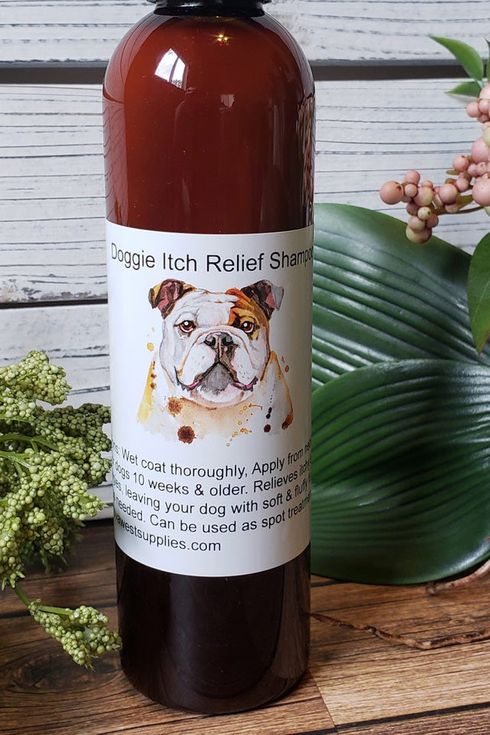
All Natural Dog Shampoo 8oz. Anti-Fungal

For sensitive dog skin, try this natural shampoo from Nova West Supplies. It helps soothe and heal itchy, irritated skin, yeast infections, dry coat, dermatitis, and more. Thanks to a blend of natural soap, apple-cider vinegar, and a cocktail of essential oils, it’s not only antifungal but will leave your pup with a shiny-looking coat as well.

Gerrard Larriett Calming Vanilla Pet Odor Eliminator Candle

Fragrance expert Gerrard Larriett developed a line of aromatherapy pet care after his search for spa-quality grooming products came up short. In addition to natural shampoos and conditioners, doggy sunscreen, and breath freshener, he created an extensive line of candles that are pet-odor eliminating and packed with essential aromatherapy oils that both you and your furry friend can benefit from. According to the description, this vanilla-oil-infused candle will reduce stress and anxiety while also lifting the mood in your home.

Beaux and Paws Bow Tie Cool Vibes

Dog lover and teen Sir Darius Brown started making and donating bow ties to shelter pets in 2017 and has since turned it into a business. Your pup can now look just as dapper with one of his printed ties. There are seasonal designs and more classic looks, but you’re guaranteed fun prints and lots of color.

Enjoy-a-Bowl Pastel Blue and Dark Blue Bowl

For the picky eater, there’s Enjoy-a-Bowl. Veterinarian Joe J. Owens designed the dual-compartment bowl to trick pups with health problems (like diabetes and obesity) to eat their specialty (not-as-tasty) dog food. To get your pet to eat its own healthy food, place crave-able human food in the locked lower compartment and their food in the bowl on top. They’ll lick the bowl clean trying to get to the human food inside.

Bark & Tumble Pink Checkerboard

It ships to the United States, but this stylish dog-apparel brand founded by Leah Bertram is based in the U.K. The items in the collection are handmade and come in a range of styles and patterns. Your dog will be the trendiest at the park in one of Bark & Tumble’s checkerboard sweaters.

[Editor’s note: Bark & Tumble lists its prices in pounds, so this is an approximation to U.S. dollars.]

Jackson Galaxy Cat Crawl

Brooklyn green thumbs may be familiar with the nursery Natty Garden, but how about the Natty Pet Shop? Owner Joel MahFood opened this sister store in Prospect Heights for all the cat and dog essentials. But it also has bird, reptile, and hamster owners covered too. Even if you’re not local, you can still support it in its online shop.

Bark Organix Personalized Cookies - Plain

Sasha Nunes’s hero product is baked-to-order vegan dog treats, but her company Bark Organix also sells dog toys, accessories, pet-parent apparel, and clean grooming products so natural you could shampoo with them.

In Pups We Trust The Balms Set

The In Pups We Trust philosophy is about making products from a pup’s point of view, meaning Fido comes first. A range of natural and organic balms and essential oils treats common pet problems like dry paw pads and anxiety (hello, holiday fireworks). It also sells chew toys designed with human sensibilities in mind, like the pun-y Barkin Bag, a White Paw, and Casamuttgos Tequila.

Homescape Pets Mussel Mobility

Husband-and-wife team Nana and Marcus started Homescape Pets after their mini-schnauzer, Beau, got sick with cancer and they started questioning whether regular holistic care and a better diet could have helped avoid that outcome. Their line of all-natural products is meant to help pets lead better and healthier lives. This joint support for dogs and cats claims to relieve pain and arthritis using green-lipped mussel, turmeric, and broad-spectrum hemp extract.

Bark Shoppe Cherry Blossom Signature Body Spray

We’ve talked to the Bark Shoppe founder, Melissa Mitchner, multiple times about the best tools for grooming your dog at home. Its line of vegan natural grooming products for dogs and cats includes shampoo, deodorizing spray, and grooming kits.

Ava's Peanutty Paw Cookies

Fifteen-year-old Ava Dorsey (a dog and cat owner) started her company to provide healthy pet treats made with quality and tasty ingredients. You can buy them in individual bags, like these peanut-flavored biscuits, or as a monthly subscription.

Pardo Naturals Lotion Bars

When founder Rita Pardo couldn’t find anything to relieve her daughter’s severe case of eczema, she created her own line of moisturizing products from natural ingredients. Now the brand also makes products for pets, including this paw-and-nose lotion bar made with shea and cocoa butter.

Velvet Hippo Hex Cushion

Chicago-based Sir Dogwood was founded four years ago as a community for stylish dogs and their owners. It carries a wide range of apparel, home décor, toys, and other dog essentials, all of which will look good — both on your dog and in your house.

Pet Plate Monthly Subscription

Renaldo Webb started out as a consultant in the pet-food industry before launching Pet Plate. He worked with a veterinarian to create human-grade dog food that provides optimal nutrition and that dogs will want to eat.

Veg Tanned Leather Tug Toy

Los Angeles–based owner and designer Angela Medlin makes simple and stylish toys, sweatshirts, leashes, and bandannas for dogs. Much of her merchandise is customizable with your pet’s name.

Trill Paws Ball Is Life Tag

Trill Paws founder Rachel Jones mixes her love of animals and pop culture to create memorable dog and cat tags, toys, leashes, and collars. In addition to this tennis-ball tag, she also sells a gold-chain dog collar and a stuffed toy shaped like Drake crying.

Apollo’s Paw Naked Pup Shampoo

The Cleveland-based brand handcrafts grooming products for dogs with sensitive skin and allergies, like this unscented vegan shampoo made with coconut and olive oils.

Fresh Pawz Quotation Mark Rain Jacket

Brixxy & Co. The Big Dill Reversible Bandana

Alissa Abba creates made-to-order bandanas inspired by her mini-poodle. This cheeky pickle-printed one is reversible and available in three sizes.

The Strategist is designed to surface the most useful, expert recommendations for things to buy across the vast e-commerce landscape. Some of our latest conquests include the best acne treatments, rolling luggage, pillows for side sleepers, natural anxiety remedies, and bath towels. We update links when possible, but note that deals can expire and all prices are subject to change.