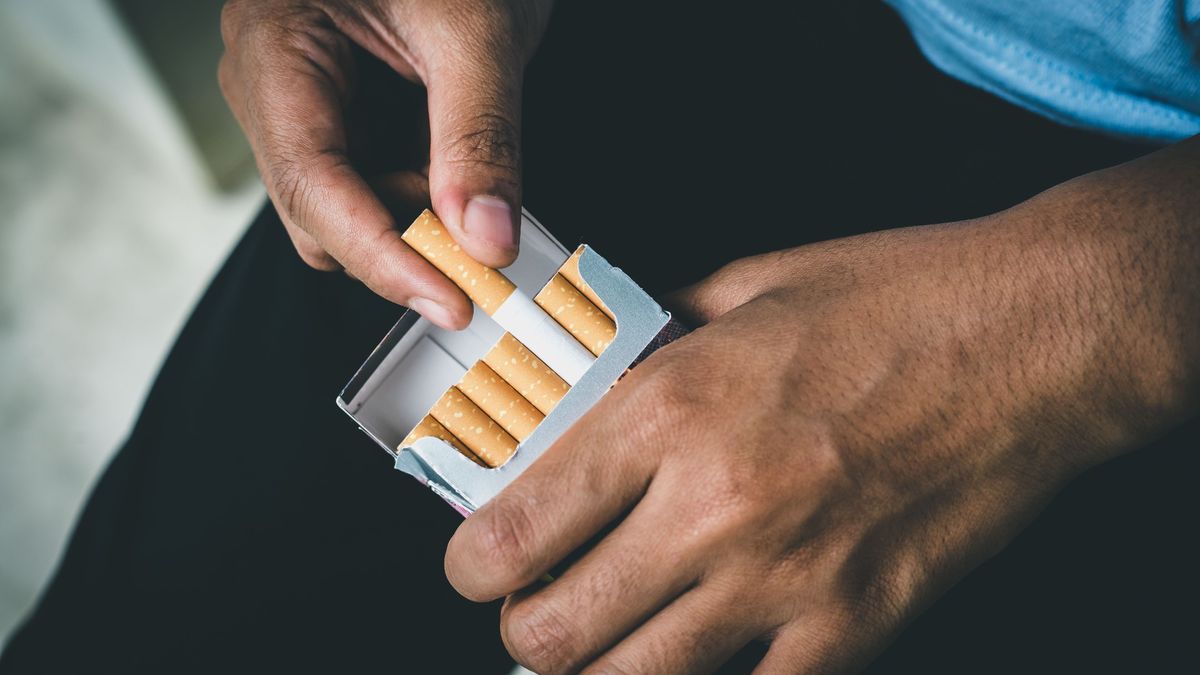
Human beings crave all sorts of factors: coffee, sugar, sexual intercourse, gambling, Xanax, porn, binge-viewing Television exhibits, doomscrolling on social media, cocaine, on line gaming, heroin, methamphetamines, hoarding. We each and every come across distinctive substances and activities alluring, and we build distinct routines of option. Cravings are an in particular forceful and persuasive class of wants. When a craving strikes, it can be extremely challenging to resist or overlook. At times we distract ourselves and transfer on with little effort. In other instances, it can feel almost unattainable not to act on a craving. What we’re drawn to, and what we’re vulnerable to, appears to be to replicate our particular person personalities, tastes, cultural place, values, identities, coping mechanisms, and other daily life instances. So, why do we crave what we crave, and why are cravings occasionally so forcefully motivating?
Just one way to see the ability of cravings is to assume about substance addictions. Substance addictions present the sharpest example of how cravings appear to be to impression motivation and conduct in another way than other needs. Cravings make for one of the most tough, baffling and terrifying facets of addiction: no make any difference how devastating the effects of ongoing drug use come to be for someone, as perfectly as for people who enjoy and care for them, no matter whether their dependancy is no longer pleasurable, and no make any difference how adamantly they want and try out to regulate or prevent their drug use, their tries are continuously overwhelmed by intensely motivating wants to engage in the dependancy. This decline of management is normally taken to be a defining function of habit.
Cravings are notably frequent with sure medicine, which includes liquor, nicotine, opiates and cocaine. In addition, not only do cravings engage in this intrusive function in energetic drug use, but these unwelcome wants can crop up and be highly motivating even a long time into recovery from habit. Craving is a main predictor of relapse. A systematic evaluate of research evaluating the hyperlink amongst craving and material use by employing a technique that evaluates craving episodes in true time in every day lifetime identified that in 92 for every cent of scientific studies craving was connected to substance use and relapse. Cravings can regularly override plans and resolutions to reasonable or abstain from drug use, and this can be a disruptive, discouraging, demoralising and traumatising practical experience for those people who struggle these cravings – an working experience that for some lasts a life span.
A great deal of health-related and medical wondering about addictive craving is driven by a certain neuroscientific picture that points out cravings in phrases of the effects of drugs on the manufacturing of dopamine in the brain. On this photo, the item of a craving is a drug alone or the pleasurable outcomes that finding higher is envisioned to create. But, by concentrating narrowly on the brain, this view misidentifies the object of craving in addiction, or at least puts as well significantly emphasis on the chemical part. When we glimpse at the social and psychological variables that correlate with addiction, the real object of craving is made salient. In fact, addictive cravings search for out very important psychological experiences. They purpose at numbing out, feeling in control, or emotion socially related. Activities these kinds of as these grow to be particularly valuable and concurrently elusive less than specified environmental situations. Knowledge the object of addictive craving in this way aids to describe why cravings in addiction are so hard to resist.
The craving mind
One of the most well-liked dopamine-based mostly explanations of craving focuses on reward-understanding. While some of our desires might be hardwired, most are uncovered and are extremely malleable. The mainstream see is that this finding out depends on the dopaminergic program. Phasic dopamine is a reward prediction error sign: it alerts to animals, such as us, the big difference between the genuine amount of reward in the globe at a presented minute and the total of reward predicted. Bursts of dopamine are launched when surprising rewards, or sudden cues that signal rewards, are encountered. These bursts notify us to act when we occur across satisfying objects or related cues in our surroundings.
Cues can just take the form of drug paraphernalia, but also areas, thoughts and contexts
Addictive medication have a pathological effect on this program. While there are various interpretations of the exact function of dopamine, it is nicely established that psychoactive medicine induce artificially higher bursts of phasic dopamine to be introduced by midbrain dopamine neurons. Enhanced dopamine activity has been observed, for instance, with the ingestion of amphetamines, alcoholic beverages, nicotine, opiates, cocaine, hashish and benzodiazepines. When medicines are encountered, dopamine is released in anticipation of reward, but then the drug itself – owing to its chemical consequences – will cause an additional dopamine boost when ingested, signalling that the drug is ever rising in worth. The outcome, on this mainstream perspective, is that these boosts in dopamine cause cravings that overestimate the total of reward that is predicted, and so make clear the extreme motivational pull of cravings.
As a result of recurring drug use, environmental cues grow to be linked with drug-using, and at some point these cues them selves commence to trigger cravings. Cues are human being particular and can take the kind of drug paraphernalia this kind of as needles or pipes, but also places, emotions and contexts that have come to be connected with compound use. As a consequence of the extended-expression consequences of this understanding procedure, drug cues can proceed to result in cravings even many years after energetic drug use has stopped, thus the backlink between craving and relapse.
The prolonged-term consequences of medications on the brain’s reward programs are one rationale why dependancy is considered to be a persistent, relapsing dysfunction or neurobiological ailment by the orthodox health-related conception of habit. On this watch, addictive cravings are needs for the superior developed by drug ingestion. These needs are abnormally solid, dysfunctionally brought about, and they come to dominate the determination-building method.
Neuroscience tells only component of the tale
When neuroscience delivers perception into the brain mechanisms underlying material use, explanations of craving have been heavily skewed in direction of studying the brain, with study funding getting disproportionately allocated to biological leads to. This encourages an incomplete and perhaps misleading image of addictive cravings. It is like learning humour by concentrating on the brainstem nuclei that cause laughter. Dopamine circuits function in a greater context. To recognize habit, we need to also seem at knowledge, considered procedures, conduct, and life circumstances. From this broader viewpoint, addictive cravings do not search like basic switches in the brain. Exploration exhibits that addiction is not automatic and, in most conditions, not long-term.
First, it is not automatic. If excessively sturdy cravings ended up simply just the outcome of drugs corrupting the reward units in the mind, they should be made across persons who use medicines continuously more than time. This is not the circumstance. Most drug use does not guide to habit, even the medication that are frequently viewed as ‘highly addictive’, this kind of as cocaine. A person study in the United States located that 19.4 for every cent of people 12 and more mature claimed past-thirty day period ‘illicit’ drug use, while only 3 for each cent skilled for a previous-yr illicit drug use problem. Medicine aren’t inherently risky, and not all drug use has negative repercussions.
Why do cravings look to weaken or desist about time for a lot of addicted folks?
Second, most instances of dependancy aren’t serious. Most folks who do develop an addiction ‘age out’ of it devoid of skilled intervention. Over time, irrespective of whether with the aid of some sort of therapy or not, most persons choose to lessen or abstain from drug use, and they do so. For example, the bulk of folks who have an liquor use problem lower or resolve problematic use about time. The scenario of Vietnam veterans and heroin habit offers a concrete illustration of substantial remission: 20 for every cent of US troopers returning from Vietnam achieved the criteria for heroin dependancy prognosis although they were in lively assistance, whilst only 1 per cent did in advance of serving of these who created an addiction, 95 for every cent have been in remission inside a year of returning property.
If addiction have been merely the end result of the mind getting rewired as a result of reward-finding out, it should not be the circumstance that so quite a few men and women recuperate. Premiums of restoration recommend that addictive cravings possibly end or turn into a lot easier to resist, supplied the correlation amongst drug craving and use as very well as relapse. We require to seem further than biological components to obtain a full respond to to the inquiries at hand: why never addictive cravings affect all individuals who use prescription drugs similarly, and why do cravings seem to weaken or desist around time for a lot of addicted people? Neuroscience paints a partial picture. In truth, it misses out on what may perhaps be the most critical and definitive components of how cravings appear to just take these types of a managing role in the life of people today having difficulties with addiction.
The social nature of craving
To recognize the puzzle of addictive craving, we have to have to think about what cravings are for. A clue is that investigate displays the distinction between those people who are most susceptible and these who are the very least susceptible to dependancy strongly correlates with a assortment of social, financial and psychological factors. These things are typical predictors of addiction and commonly have cumulative consequences. These contain structural aspects these as poverty, unemployment, housing instability, incarceration, and deficiency of accessibility to physical and psychological healthcare solutions and there are social elements as well, such as adverse childhood ordeals, psychological well being problems, stigma, prejudice, discrimination, and social exclusion. Many components are the two social and structural, this kind of as colonial violence, transphobia and homophobia. These are variables we can change, and collectively we have moral imperatives to do so.
So how do these elements add to comprehension addictive craving? Very first, they enjoy a function in pinpointing which of a person’s psychological wants are remaining fulfilled. Habit is normally most intense and toughest to get better from where by precarious and oppressive circumstances are disproportionally current in one’s everyday living, be this in the form of incarceration, houselessness, the unpredictable psychic distress of psychological disease/madness, or social isolation. These problems propel addiction by manufacturing or exacerbating unpleasant to unbearable psychological states that medicine can be applied to alter. Complicated thoughts and pressure are perfectly-identified craving triggers.
When we look past easy mind mechanisms, it results in being clear that substance use has own significance. Ostensibly, the object of craving is a drug or the expected pleasurable consequences of intoxication, but the desires driving ongoing addiction run further. Folks who use drugs want to numb out, to sense alive, to really feel approved or socially linked, to be freed from psychological or bodily ache (together with withdrawal signs and symptoms), to not really feel anxious, to come to feel bundled. These emotional encounters on their own can develop into the objects of the wishes driving habit, and medicines are a auto to fulfill them, at the very least temporarily. A craving for a cigarette can be a drive for regulate and buy in a demanding ecosystem. An liquor craving can aim at emotion comforted and safe and sound. A craving for ketamine can be a want to feel peaceful and relieved from problems. In critical habit, a craving may well goal at a experience of finish self-annihilation, to be freed, no matter the price tag, from the unpleasant disorders of day-to-day existence.
These are not very simple urges to be significant they are psychologically complex, even existentially loaded states. Like significantly of human conduct, these motivations are not usually acutely aware and frequently only accessible on further evaluation. When we assume of the precarious life ailments that correlate with dependancy, it’s unsurprising that yielding to these forms of psychological encounters is considerable. The dreams to achieve them by drug use, even in the encounter of implications, expose the social and structural circumstances that characterise their absence.
Addictive cravings are reverberating echoes of the globe in just which one’s dependancy develops
Social and structural things can impose constraints on action selection, considering the fact that they restrict chances for addressing psychological requires. Drug use will allow useful manage of psychological states when other usually means of addressing distressing situations are tricky to entry or not available. Medication are a non-ideal but available choice for a lot of folks who experience disproportionate distress and are in many strategies marginalised from social and institutional methods and supports. For instance, a person of the most substantial correlates of addiction is other mental wellness diagnoses. A US national survey uncovered that, in 2018, 49.4 for each cent of grownups 18 and more mature with a serious mental disease utilized ‘illicit’ medications, as opposed with only 15.7 per cent of grownups with no mental illness. Social things (stigma and lack of supportive social associations) and structural factors (discrimination and absence of entry to psychological healthcare expert services) constrain a person’s choices for coping with the indicators of mental sickness, that is, for satisfying the wants to change these psychological states.
A specifically devastating function of habit is that, while drug use can develop into a way of addressing psychological needs, addiction can simultaneously increase everyday living instability and exacerbate barriers to social inclusion and entry to solutions, as people who use medicine confront stigma, group exclusion and institutional discrimination.
From a social and structural point of view, addictive craving is not an involuntary change but a approach for coping with really particular life encounters and problems. Read an habit memoir, discuss to another person who has personalized expertise with addiction, or replicate on your have. Which medication and particular activities of intoxication grow to be engaging, the first motives for hoping them out, the roles they perform in social interactions, all replicate cultural context, social norms and personal record.
Addictive cravings are responsive to the external setting. They are reverberating echoes of the earth inside which one’s addiction develops. The highly effective enthusiasm of craving is determined not only by how medicine affect the dopaminergic procedure, but also by the social and structural problems that tell these desires in an individual’s everyday living. These problems are longstanding, and they shape the objects of craving in really personal methods. What this teaches us is that a improve in individuals external conditions can lessen cravings or make them less difficult to resist by deflating the important emotional purpose that medicines are enjoying instrumentally.
What about genetics?
It could seem to be that an essential piece of the puzzle has been neglected: genetics. This is generally thought to be a key factor in dependancy. For example, children of alcoholics are at four times greater chance of getting to be alcoholics on their own. According to the US Countrywide Institute on Drug Abuse, close to 40-60 for every cent of the variation in the inhabitants in possibility aspects for addiction can be accounted for by genetics. Even so, this leaves about half of the variation to be described by other triggers.
Furthermore, quite a few folks with a genetic predisposition to habit under no circumstances turn out to be addicted. Environmental variables participate in an vital part in controlling the expression of genes, which means that individuals’ genetic vulnerability to dependancy relies upon on their conditions. For instance, publicity to pressure improves this vulnerability, and owning powerful household and local community connection guards from it. And anyway, genetics aren’t always at problem quite a few men and women with no a household historical past of habit do finish up addicted even so.
Dependancy restoration isn’t just a personal well being journey, it’s a collective wrestle for social transformation
And what does this indicate for craving? Even the place heritability is at perform, this leaves open how genetics influence the unequal distribution of addictive cravings. One particular likelihood is that genetic variation in the dopaminergic process helps make some men and women extra vulnerable to addictive cravings. But there are other alternatives, for instance, that a genetic predisposition to anxiety sensitivity points out why some folks in precarious life disorders transform to drug use to cope emotionally, even though other folks do not. A social explanation of craving is not incompatible with evidence that genetics are a hazard component for dependancy.
3 takeaways
How we feel about addictive craving has impacts on how we consider about habit investigation, cure and restoration, as properly as how we consider about the indicating of cravings beyond addiction. What follows from viewing addictive craving as a result of a social and structural lens?
1. How we study dependancy
The neurobiological rationalization of craving on its own is unequipped to respond to questions about why the needs driving addiction in crucial times manifest unequally across persons, and why they are so challenging to resist. This doesn’t suggest that habit neuroscience is incapable of partaking with these kinds of thoughts. But additional fruitful habit neuroscience will have to do much more than concede that social factors effects vulnerability to addiction. Social elements need to be built-in into exploration on addictive craving. Some neuroscience is presently having a additional socially built-in strategy to dependancy, but this remains additional of a rarity.
2. Rethinking procedure
Supplied the role cravings play in habit and relapse, craving can be a very important goal for addiction remedy and intervention. If we look at the energy of addictive cravings as mainly the final result of how prescription drugs affect an individual’s brain, then the most promising avenues for cure would feel to be pharmacological interventions aimed at abstinence-based recovery, and therapies concentrated on particular person approaches for coping with cravings. Though we should not disparage any variety of procedure or intervention that aids some addicted folks, we require to be real looking about the limited impact of habit neuroscience investigate on advancing clinical cure, and about the limits of therapies centered on individual self-regulate when one’s ecosystem stays unchanged.
A additional socially built-in rationalization of craving affirms that managing addictive craving needs addressing the socioeconomic, structural and psychological disorders of men and women enduring addiction. Identifying and addressing adverse social circumstances really should be a vital factor in the combat, and this too normally goes dismissed. We require to do this in managing patients, and at a broader, societal level. Focusing narrowly on the brain to explain craving also misses the means that the contemporary environment is beautifully constructed for the dreams driving dependancy: capitalism, poverty, inaccessible health care, colonialism, the jail industrial complicated, little one abuse, an significantly socially disconnected way of lifestyle. A social watch of craving encourages the viewpoint that addiction recovery isn’t just a own wellbeing journey, it is a collective battle for social transformation.
3. The knowledge of cravings
Philosophically, the takeaway is that cravings are not straightforward, visceral urges or control forces aimed at prescription drugs or the quick consequences of intoxication – cravings are richer, extra cultural, cognitive, and phenomenologically sophisticated than that. This has implications for cravings further than addiction. Cravings are delicate to emotional and psychological wants and values, and this allows to clarify why they are so motivating. Visualize a mundane craving to check out Instagram or Twitter. Created into that craving, 1 could possibly also come across a need for attention, validation, social connection or interaction, a remedy for loneliness, emotional numbing, possibly the self-punishing urge to examine and despair, or for what the philosopher Jean-Jacques Rousseau termed amour-propre, a kind of self-like that is constituted by the recognition or acceptance of many others. Up coming time you discover oneself having a craving, mirror on how you encounter it. Is it your mind anticipating a spike in dopamine, a flood of satisfaction? This may perhaps be component of the tale. But does it also necessarily mean one thing far more to you? Is it serving some higher purpose?