TODAY’S Craig Melvin and Sheinelle Jones have offered enthusiasts the reward of a new update on how Al Roker is performing immediately after recently returning residence from the hospital.
Cardinal Dolan, the Archbishop of New York, has sweetly requested the hosts about the missing meteorologist whilst stopping by the morning exhibit on Friday.
4
Craig Melvin and Sheinelle Jones shared a wellbeing update on their co-host Al RokerCredit rating: NBC
4
Al is now recovering after struggling blood clotsCredit: Instagram/debrobertsabc
To kick off their “tradition,” as Sheinelle set it, of owning Cardinal Dolan in the studio around this time of the calendar year, the trio all toasted with some eggnog.
The Currently show guest obtained points off on a cheery notice by cracking a joke about the efficiency of the drink.
Craig could not quit laughing soon after Cardinal Dolan stated: “It won’t be the 12 Days of Christmas, it could be the 12-stage method of Christmas if we retain [this up], wow!”
He then immediately switched to a extra serious issue and requested about how Al is undertaking amid his wellness issues.
Sheinelle unveiled that they ended up actually “texting with him this morning” and planned to speak about him a bit.
Cardinal Dolan sweetly questioned: “Is he undertaking Ok?”
Appreciating his inquiry about the missing host, Sheinelle replied: “Yes! Thank you for inquiring.”
To share a little bit much more about how Al’s undertaking, Craig jumped in: “He is on the highway to restoration. He is much improved. But say a exclusive prayer for our pal.”
Most study in Leisure
Lightening up the temper at the time more, Cardinal cracked Craig up once more as he joked: “Well, with out him, there is a lot more eggnog!”
“I have a experience we’ll get a textual content from him in just a moment,” Sheinelle teasingly warned the visitor.
Al not long ago discovered that Craig has been serving to out with his recovery by sending him some wholesome surprises.
On Wednesday, Al took to Instagram to post a online video of his protein shake and shared that he acquired the ingredients to make it from his co-host.
Although Al could not be noticed in the clip, only his hand, he did a voiceover to go by means of the techniques of putting the consume together.
The meteorologist instructed admirers: “So my Now relatives put with each other a do-it-your self smoothie kit- frozen fruit, peanut butter, protein powder.
“And I made my very first protein shake from my buddies, Mr. Melvin and props to Currently Food for finding it alongside one another and acquiring it in excess of right here.”
“I are not able to wait around,” Al explained, prior to he picked up the cup, took a sip, and included: “Mmmm. Yummy!”
The tune Clean Operator by Sade performed in excess of the movie.
The meteorologist captioned the write-up: “Thanks @todayshow and @todayfood family for a bunch of #diy #proteinsmoothie kits @craigmelvinnbc @katie.stilo #thebest.”
Al has been off from the Now demonstrate due to the fact early November, owing to currently being hospitalized with blood clots in his lungs and legs.
After returning property a few of weeks ago, the Television host resolved to escape New York Town this 7 days and head upstate for the holiday seasons.
Al’s wife Deborah Roberts shared a sweet loved ones picture from their car or truck trip with their daughter, Leila.
The ABC identity also shared a several scenic snaps from their upstate household, which include one particular searching out a window at the snowy landscape.
4
The meteorologist just lately shared that Craig is aiding him with his restoration by sending around elements for protein shakesCredit score: Instagram / Al Roker
4
Al and his family escaped the town this week to head upstate for the holiday seasonsCredit rating: Instagram/debrobertsabc
The 2022 KFF Women’s Health and fitness Study (WHS) is the newest in a sequence of nationally consultant surveys on women’s health and fitness executed by KFF periodically given that 2001. The survey’s aim is to better understand women’s activities with contraception, obtain to wellbeing care, and other problems associated to well being and well-being.
The 2022 study consists of 6,442 people ages 18 to 64, such as 5,201 ladies (self-documented sexual intercourse at delivery) and 1,241 males, and was carried out from May well 10, 2022, to June 7, 2022. See the methodology for far more details.
The briefs and experiences introduced listed here explore women’s encounters, tastes, and coverage for contraception, tastes for an over-the-counter contraceptive tablet, workplace rewards and family members treatment obligations, accessibility and affordability of treatment, and more.
Obtain and Protection for Mental Wellness Care: Conclusions from the 2022 KFF Women’s Well being Survey
Study the state of accessibility and coverage of psychological health and fitness products and services applying facts from the 2022 KFF Women’s Well being Study.
Experiences with Wellness Treatment Access, Cost, and Coverage: Conclusions from the 2022 KFF Women’s Health Survey
Get a glance at results on women’s health and fitness status, use of wellness care expert services, and expenses drawn from the 2022 Women’s Overall health Survey.
Website Function: What is the foreseeable future of contraceptive care in a put up-Roe entire world?
This net function examined how the pandemic, the overturning of Roe v. Wade, and new developments in health and fitness care shipping, this sort of as telemedicine, have reshaped access to contraceptive care, as perfectly as the implications of the survey conclusions for the 2023 national and point out coverage agenda for women’s well being.
Contraception in the United States: A Nearer Seem at Ordeals, Choices, and Coverage
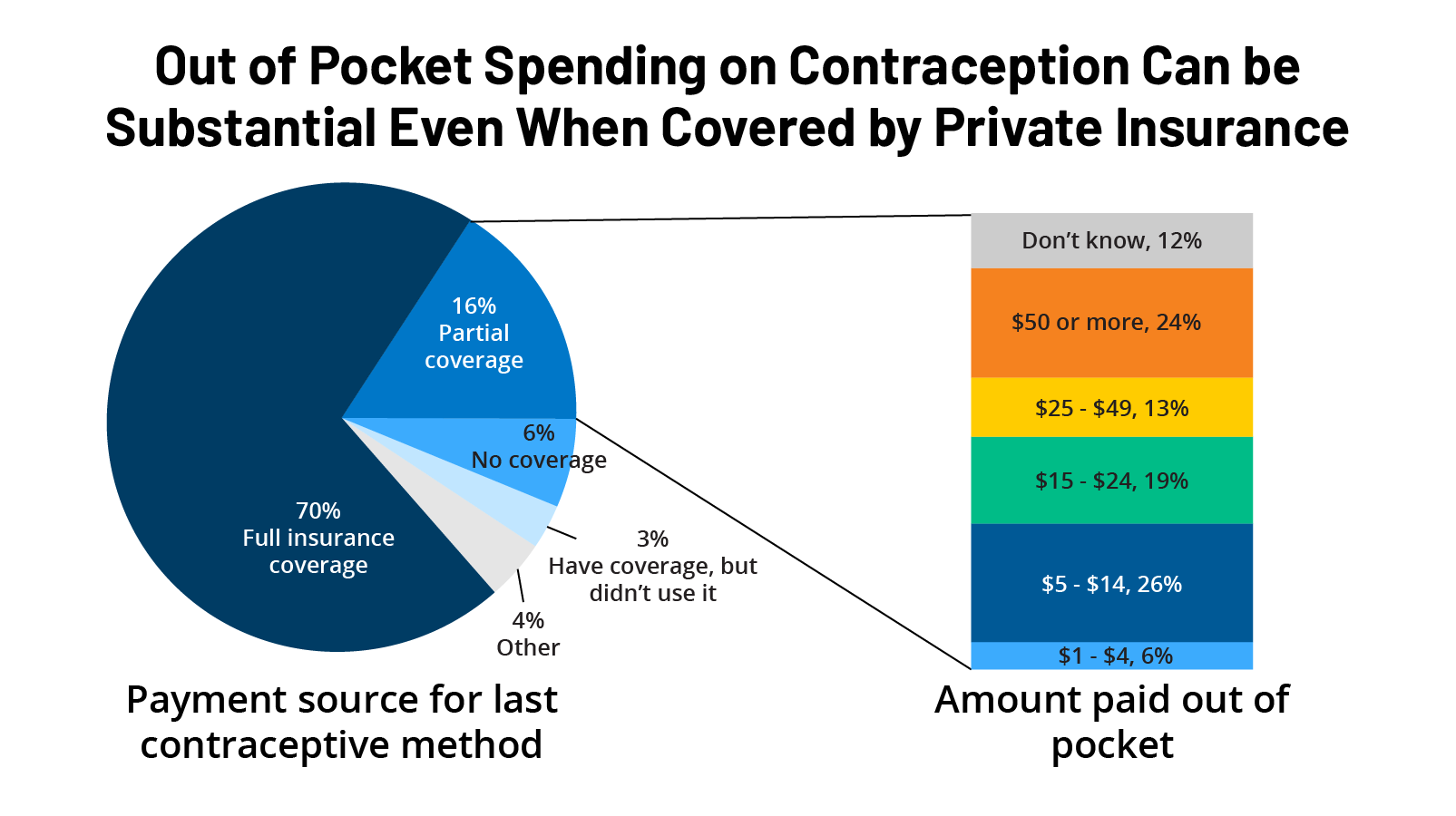
Look at reproductive age (18-49) females’ (which includes individuals who discover as ladies and other genders) experiences with contraception, coverage protection, contraceptive choices, and interactions with the health treatment process from the 2022 KFF Women’s Wellbeing Survey.
Desire in Working with More than-the-Counter Oral Contraceptive Capsules: Findings from the 2022 KFF Women’s Overall health Study
Explore data from the 2022 KFF Women’s Wellness Study about reproductive age (18-49) females’ preferences for an around-the-counter contraceptive pill.
Place of work Positive aspects and Relatives Wellness Treatment Obligations: Crucial Results from the 2022 KFF Women’s Overall health Survey
Study about how place of work advantages and caring for children’s health care differ by gender and among distinctive subpopulations of females in an examination of data from the 2022 Women’s Overall health Study.
Making aims for the new year is a ritual we all get portion in. Sometimes they’re huge objectives like getting out of financial debt, and other moments it truly is some thing as uncomplicated as ingesting far better. For some others, bettering their psychological overall health is number 1 on the checklist for 2023.
Our mental overall health is the foundation for every little thing we do, which includes our social and psychological well-remaining. It impacts every aspect of our daily life. Staying intentional about valuing your mental wellbeing will assistance you connect further with others, minimize stress and boost your self esteem. Get started your year proper with these very simple day-to-day practices.
Also, see how to normally decrease panic without medication and ideas for increasing your mental well being without the need of therapy.
Very simple psychological health and fitness behaviors to commence for much better psychological health
Make relaxation a program
Extremely number of matters in lifestyle are promised. Situations of tension are, regrettably, one particular of them. There will be periods when you truly feel overcome or pressured out. On the other hand, you can manage how you reply to the strain. Utilizing leisure procedures into your every day routine can enable you control worry.
Meditation is a well known way to relax as it can support attain a state of tranquil, minimize anxiety and strengthen your mood. Some individuals even use audio to tutorial them by means of their meditation sessions. If meditation is just not your factor, deep respiratory, looking through or getting a bubble tub are also preferred peace techniques. No matter how you opt for to relax, just make it a routine.
Read far more: The Finest Meditation Applications for Rest
Apply gratitude
Which includes gratitude in your life is a way to generate a positive outlook on your everyday living. Far more than that, it has tangible rewards for your psychological well being, which include decreasing anxiety, lessening melancholy signs and symptoms and boosting your temper.
Gratitude is a simple concept, but sometimes tough to maintain up with. In 2023, choose time for self-reflection and share your gratitude with the people all around you. If you like to journal, consistently generate down a listing of matters you’re grateful for.
Catherine Delahaye/Getty Illustrations or photos
Value social interaction
Sharing our time with some others is at times just what we need to increase our temper or alter our perspective on issues. By building time for friends and loved ones, you will reduce emotions of loneliness and ensure you have an psychological help system at your fingertips. If you cannot often meet up with in particular person, text messages and zoom phone calls are all significant strategies to hook up with other individuals with no in fact looking at every other.
The other aspect of valuing social interaction is understanding when you’ve got experienced plenty of. Boundaries are an necessary portion of mental well being that help you from pushing yourself much too far. Come to feel empowered to say no or go plans around when your human body tells you to.
Just take care of your physical health and fitness
Psychological wellbeing is directly tied to physical wellness — 1 are unable to prosper with out the other. The 3 key areas to concentrate on for 2023 are snooze, nutrition and work out.
Let’s dig into every target location:
Rest: The condition of your mental health is affected by the sleep you get. If you don’t get adequate sleep, your brain isn’t going to have the possibility to rest and get better. Slumber deprivation would make it tougher to control your feelings and cope with anxiety, which can amplify the indicators of current psychological ailments. Remaining intentional about prioritizing your slumber is a very simple way to value your mental overall health.
Foods and hydration: Providing your human body the vitamins and minerals and hydration it demands to purpose is a further important aspect of psychological health and fitness. In addition to taking in effectively-balanced foods, try out adding foods to your diet program that raise contentment. And make sure you consume ample h2o hydration is linked to decreased danger of panic and melancholy.
Exercise:Being lively is another way to improve your mood and make you sense good. Incorporating training to your regime gives you a chance to bond with other folks, lower panic and boost your self confidence. It doesn’t have to be major lifting or rigorous exercise sessions standard walks or bike rides can also improve your psychological health and fitness.
Keep track of your social media consumption
Our telephones are our lifelines. Most of the time, they’re beside us, maintaining us related to the outside the house environment by calls, texts and social media. The several hours expended scrolling as a result of social media, comparing ourselves to the snapshot of perfection persons put up, can seriously effect our self-watch and stain our psychological overall health. Constant social media use has been linked to worsened panic and depression signs, inner thoughts of inadequacy and harmful sleeping practices.
You can use social media in a way that will not deplete your psychological health and fitness. Use these methods to make social media work for you:
Place a restrict on how extensive you can commit on social media.
You should not start out or conclusion your day with social media.
Use the time you used to expend on social media to do one thing that provides you joy or relaxation.
Journal your thoughts
Journaling is a impressive software to cope with mental wellbeing ailments by working by way of thoughts and channeling ideas. A 2018 examine located that journaling for 15 minutes each individual day substantially decreased stress and feelings of stress. Other investigation has linked it to supporting do the job through PTSD symptoms or despair.
There is no proper or erroneous way to journal. Several individuals journal everyday. Other individuals may only journal when stressed or have to have to function by way of a little something. No make any difference how you use it, journaling is a way you can track your progress and advancement through the 12 months.
Westend61/Getty Visuals
Make by yourself giggle
In some cases, laughter is the most effective medication. When you might be experience pressured or down, do matters that will make you chuckle to lower panic and stress. Look at your preferred Tv set clearly show or movie to give your temper a raise. Or obtain the resource within just your self. Sing whilst you happen to be in the shower or dance when cleansing your household. Dancing lowers the tension hormone cortisol in the body.
Increasing your mental wellness is a journey it will not come about right away. You can make lasting tweaks to your very well-remaining by deliberately including behaviors to your routine.
The facts contained in this write-up is for academic and informational needs only and is not supposed as health and fitness or healthcare guidance. Generally check with a physician or other skilled overall health company with regards to any queries you may well have about a healthcare ailment or overall health goals.
Stark racial disparities in maternal and infant health in the U.S. have persisted for decades despite continued advancements in medical care. The disparate impact of the COVID-19 pandemic for people of color has brought a new focus to health disparities, including the longstanding inequities in maternal and infant health. Additionally, with Roe v. Wade now overturned, increased barriers to abortion for people of color may widen the already existing large disparities in maternal and infant health. Recently, there has been increased attention and focus on improving maternal and infant health and reducing disparities in these areas, including a range of efforts at the federal level. This brief provides an overview of racial disparities for selected measures of maternal and infant health, discusses the factors that drive these disparities, and provides an overview of recent efforts to address them. It finds:
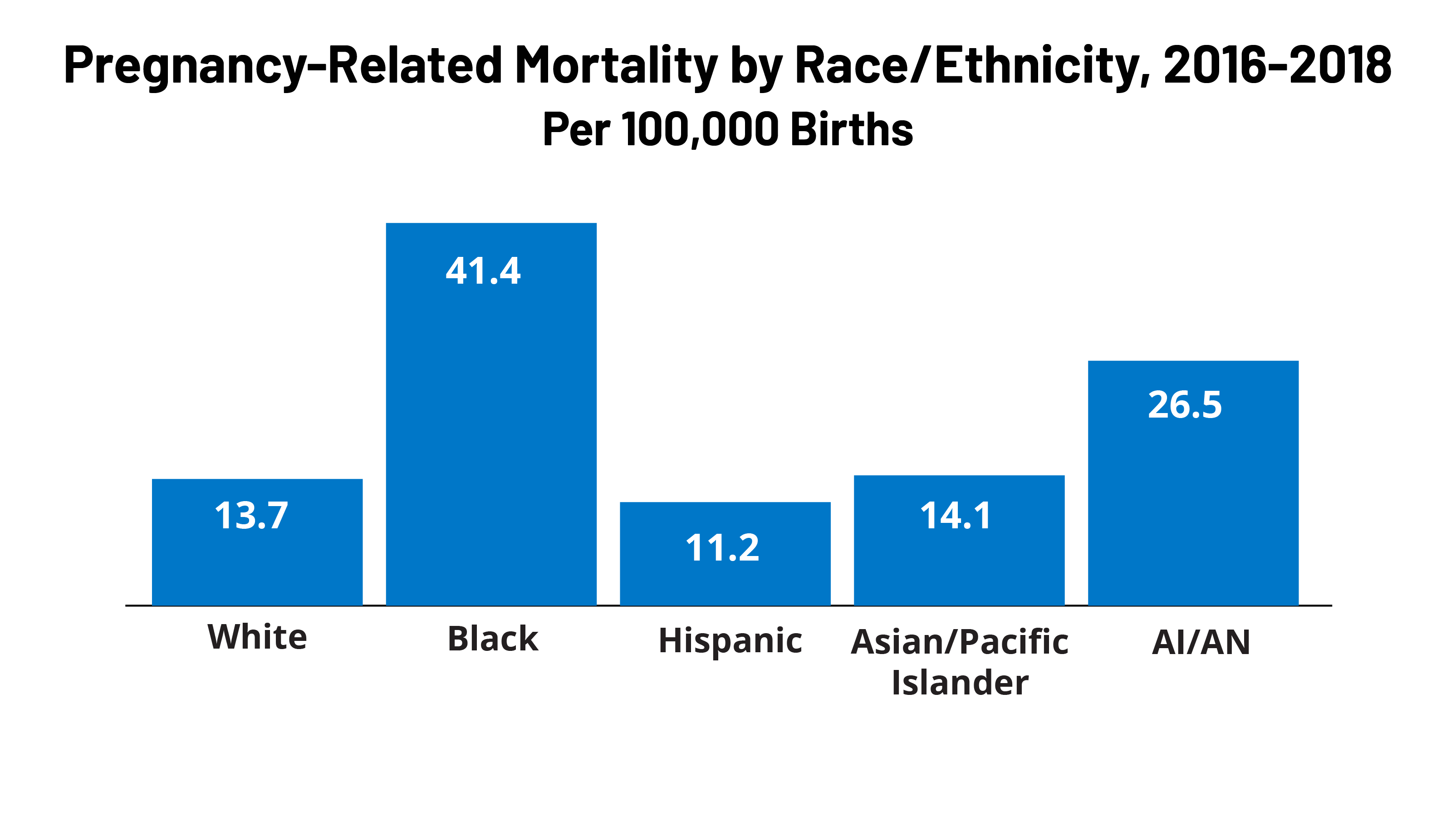
Black and American Indian and Alaska Native (AIAN) women have higher rates of pregnancy-related death compared to White women. Pregnancy-related mortality rates among Black and AIAN women are over three and two times higher, respectively, compared to the rate for White women (41.4 and 26.2 vs. 13.7 per 100,000). Black, AIAN, and Native Hawaiian and Other Pacific Islander (NHOPI) women also have higher shares preterm births, low birthweight births, or births for which they received late or no prenatal care compared to White women. Infants born to Black, AIAN, and NHOPI people have markedly higher mortality rates than those born to White women. Maternal death rates increased during the COVID-19 pandemic and racial disparities widened for Black women.
Maternal and infant health disparities are symptoms of broader underlying social and economic inequities that are rooted in racism and discrimination. Differences in health insurance coverage and access to care play a role in driving worse maternal and infant health outcomes for people of color. However, inequities in broader social and economic factors and structural and systemic racism and discrimination are primary drivers for maternal and infant health. Notably, disparities in maternal and infant health persist even when controlling for certain underlying social and economic factors, such as education and income, pointing to the roles racism and discrimination play in driving disparities.
The increased awareness and attention to maternal and infant health have contributed to a rise in efforts and resources focused on improving health outcomes in these areas and reducing disparities. These include efforts to expand access to coverage and care, increase access to a broader array of services and providers that support maternal and infant health, diversity the health care workforce, and enhance data collection and reporting. However, addressing social and economic factors that contribute to poorer health outcomes and disparities will also be important. Moreover, the persistence of disparities in maternal health across income and education levels, points to the importance of addressing the roles of racism and discrimination within the health care system as part of efforts to improve health and advance equity.
Introduction
The COVID-19 pandemic has exacerbated longstanding disparities in health and health care for people of color, including stark disparities in maternal and infant health. Despite continued advancements in medical care, rates of maternal mortality and morbidity and pre-term birth have been rising in the U.S. Maternal and infant mortality rates in the U.S. are far higher than those in similarly large and wealthy countries, and people of color are at increased risk for poor maternal and infant health outcomes compared to their White peers. Amid the COVID-19 pandemic, maternal deaths have continued to rise and racial disparities have further widened. Moreover, with the overturning of Roe v. Wade, increased barriers to abortion for people of color may widen the already existing large disparities in maternal and infant health. Together these factors have contributed to growing attention and efforts to improve overall maternal and infant health and reduce disparities in these areas.
This issue brief provides analysis of racial and ethnic disparities across selected measures of maternal and infant health, discusses the factors that drive these disparities, and provides an overview of recent efforts to address them. It is based on KFF analysis of publicly available data from CDC WONDER online database, the National Center for Health Statistics (NCHS) National Vital Statistics Reports, CDC Pregnancy Mortality Surveillance System, and a report from the US Government Accountability Office (GAO). While this brief focuses on racial/ethnic disparities in maternal and infant health, wide disparities also exist across other dimensions; for example, there is significant variation in some of these measures across states and disparities within rural communities.
Status of Racial Disparities in Maternal and Infant Health
Pregnancy-Related Mortality Rates
Approximately 700 women die in the U.S. each year as a result of pregnancy or its complications. Pregnancy-related deaths are deaths that occur within one year of pregnancy. Approximately one third (31{35112b74ca1a6bc4decb6697edde3f9edcc1b44915f2ccb9995df8df6b4364bc}) occur during pregnancy, another third (36{35112b74ca1a6bc4decb6697edde3f9edcc1b44915f2ccb9995df8df6b4364bc}) occur during labor or within the first week postpartum, and the remaining third (33{35112b74ca1a6bc4decb6697edde3f9edcc1b44915f2ccb9995df8df6b4364bc}) occur one week to one year postpartum, underscoring the importance of access to health care beyond the period of pregnancy. Recent data has found that more than eight out of ten (84{35112b74ca1a6bc4decb6697edde3f9edcc1b44915f2ccb9995df8df6b4364bc}) pregnancy-related deaths are preventable. Although leading causes of pregnancy-related death vary by race and ethnicity, cardiovascular conditions are the leading cause of pregnancy-related death among women overall, highlighting the importance of care for chronic conditions on pregnancy-related outcomes. More recent data from detailed maternal mortality reviews in 36 states found mental health conditions to be the overall leading cause of pregnancy related deaths.
Black and AIAN women have pregnancy-related mortality rates that are about three and two times higher, respectively, compared to the rate for White women (41.4 and 26.5 vs. 13.7 per 100,000 live births) (Figure 1). These disparities increase by maternal age. For example, the pregnancy-related mortality rate for Black women between ages 30 to 34 widens to over four times higher than the rate for White women (48.6 vs. 11.3 per 100,000), while the rate for AIAN women in the same age group is nearly four times as high as the rate for White women (41.2 per 100,000). Moreover, they persist across education levels. Notably, the pregnancy-related mortality rate for Black women who completed college education or higher is 5.2 times higher than the rate for White women with the same educational attainment and 1.6 times higher than the rate for White women with less than a high school diploma. There are small differences in the rate pregnancy-related death between Asian and Pacific Islander and White women (14.1 vs. 13.7 per 100,000), and the rate for Hispanic women is lower compared to that of White women (11.2 vs. 13.7 per 100,000). These findings may mask underlying differences in subgroups of these populations. Other research also shows that Black women are at significantly higher risk for severe maternal morbidity, such as preeclampsia, which is significantly more common than maternal death. Further, Black women have higher rates of admission to the intensive care unit during delivery compared to White women, which is considered a marker for severe maternal morbidity.
Maternal death rates increased during the COVID-19 pandemic and racial disparities widened for Black women. According to recent GAO analysis that examined maternal deaths during pregnancy or within 42 days of pregnancy, Black women had the highest maternal mortality rates across racial and ethnic groups during the pandemic in 2020 and 2021 and also experienced the largest increase when compared to the year before the pandemic in 2019 (Figure 2). The maternal mortality rate for Hispanic women was less than the rate for White women prior to the pandemic but increased significantly and was similar to the rate for White women in 2020 and 2021. Data show that most of the increase in maternal deaths in 2020 and all of the increase in 2021 can be attributed to COVID-19 related deaths, which were higher among Black and Hispanic women (13.2 and 8.9 per 100,000, respectively) compared to White women (4.5 per 100,000).
Birth Risks and Outcomes
Black, AIAN, and NHOPI women are more likely than White women to have certain birth risk factors that contribute to infant mortality and can have long-term consequences for the physical and cognitive health of children. Preterm birth (birth before 37 weeks gestation) and low birthweight (defined as a baby born less than 5.5 pounds) are some of the leading causes for infant mortality. Receiving pregnancy-related care late in a pregnancy (defined as starting in the third trimester) or not receiving any pregnancy-related care at all can also increase risk of pregnancy complications. Black, AIAN, and NHOPI women have higher shares of preterm births, low birthweight births, or births for which they received late or no prenatal care compared to White women (Figure 3). Notably, NHOPI women are four times more likely than White women to begin receiving prenatal care in the third trimester or to receive no prenatal care at all (19{35112b74ca1a6bc4decb6697edde3f9edcc1b44915f2ccb9995df8df6b4364bc} vs. 5{35112b74ca1a6bc4decb6697edde3f9edcc1b44915f2ccb9995df8df6b4364bc}). Black women also are nearly twice as likely compared to White women to have a birth with late or no prenatal care compared to White women (9{35112b74ca1a6bc4decb6697edde3f9edcc1b44915f2ccb9995df8df6b4364bc} vs. 5{35112b74ca1a6bc4decb6697edde3f9edcc1b44915f2ccb9995df8df6b4364bc}).
While teen birth rates overall have declined over time, they are higher among Black, Hispanic, AIAN, and NHOPI teens compared to their White counterparts (Figure 4). In contrast, the birth rate among Asian teens is lower than the rate for White teens. Many teen pregnancies are unplanned, and pregnant teens may be less likely to receive early and regular prenatal care. Teen pregnancy also is associated with increased risk of complications during pregnancy and delivery, including preterm birth. Teen pregnancy and childbirth can also have social and economic impacts on teen parents and their children, including disrupting educational completion for the parents and lower school achievement for the children. The drivers of teen pregnancy are multi-faceted and include poverty, history of adverse childhood events, and access to comprehensive education and health care services. Research studies have found that increased use of contraception as well as support for comprehensive sex education have helped lower the rate of teen births nationally.
Reflecting these increased risk factors, infants born to women of color are at higher risk for mortality compared to those born to White women. Infant mortality is defined as the death of an infant within the first year of life, but most cases occur within the first month after birth. The primary causes of infant mortality are birth defects, preterm birth and low birthweight, maternal pregnancy complications, sudden infant death syndrome, and injuries. Infants born to Black women are over twice as likely to die relative to those born to White women (10.4 vs. 4.4 per 1,000), and the mortality rate for infants born to AIAN and NHOPI women (7.7 and 7.2 per 1,000) is nearly twice as high (Figure 5). The mortality rate for infants born to Hispanic mothers is similar to the rate for those born to White women (4.7 vs. 4.4 per 1,000), while infants born to Asian women have a lower mortality rate (3.1 per 1,000). Data also show that fetal death or stillbirths—that is, pregnancy loss after 20-week gestation—are more common among Black women compared to White and Hispanic women. Moreover, causes of stillbirth vary by race and ethnicity, with higher rates of stillbirth attributed to diabetes and maternal complications among Black women compared to White women.
Factors Driving Disparities in Maternal and Infant Health
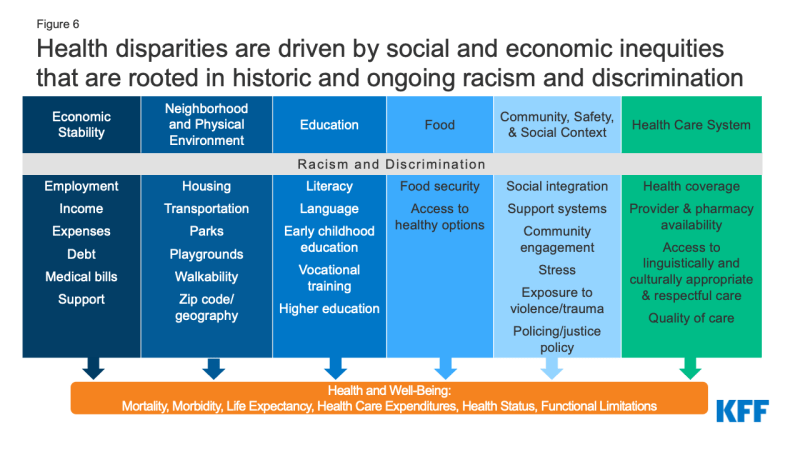
The factors driving disparities in maternal and infant health are complex and multifactorial. They include differences in health insurance coverage and access to care. However, broader social and economic factors and structural and systemic racism and discrimination, also play a major role (Figure 6). In maternal and infant health specifically, the intersection of race, gender, poverty, and other social factors shapes individuals’ experiences and outcomes. Recently there has been broader recognition of the principles of reproductive justice, which emphasize the role that the social determinants of health and other factors play in reproductive health for communities of color. Notably, Hispanic women and infants fare similarly to their White counterparts on many measures of maternal and infant health despite experiencing increased access barriers and social and economic challenges typically associated with poorer health outcomes. Research suggests that this finding, sometimes referred to as the Hispanic or Latino health paradox, in part, stems from variation in outcomes among subgroups of Hispanic people by origin, nativity, and race, with better outcomes for some groups, particularly recent immigrants to the U.S. However, the findings still are not fully understood.
Figure 6: Health disparities are driven by social and economic inequities that are rooted in historic and ongoing racism and discrimination
Disparities in maternal and infant health, in part, reflect increased barriers to care for people of color. Research shows that coverage before, during, and after pregnancy facilitates access to care that supports healthy pregnancies, as well as positive maternal and infant outcomes after childbirth. Overall, people of color are more likely to be uninsured and face other barriers to care. Medicaid helps to fill these coverage gaps during pregnancy and for children. However, women of color are at increased risk of being uninsured prior to their pregnancy and, historically, many have lost coverage at the end of the 60-day Medicaid postpartum coverage period due to lower eligibility levels for parents compared to pregnant women, particularly in states that have not implemented the Affordable Care Act (ACA) Medicaid expansion. Beyond health coverage, people of color face other increased barriers to care, including limited access to providers and hospitals and lack of access to culturally and linguistically appropriate care. These challenges may be particularly pronounced in rural and medically underserved areas. For example, research suggests that a rise in closures of hospitals and obstetric units in rural areas has a disproportionate impact in communities with larger shares of Black patients.
Research also highlights the role of racism and discrimination plays in driving racial disparities in maternal and infant health. Research has documented that social and economic factors, racism, and chronic stress contribute to poor maternal and infant health outcomes, including higher rates of perinatal depression and preterm birth among African American women and higher rates of mortality among Black infants. In recent years, research and news reports have raised attention to the effects of provider discrimination during pregnancy and delivery. News reporting and maternal mortality case reviews have called attention to a number of maternal deaths and near misses among women of color where providers did not or were slow to listen to patients. In one study, Indigenous, Hispanic, and Black women reported significantly higher rates of mistreatment (such as shouting and scolding, ignoring or refusing requests for help) during the course of their pregnancy. Even controlling for insurance status, income, age, and severity of conditions, people of color are less likely to receive routine medical procedures and experience a lower quality of care. One recent study of hospital births in Florida found that there were significant improvements in mortality for Black newborns who were cared for by Black physicians, pointing to the importance of culturally concordant or competent care. A KFF/The Undefeated survey found that most Black adults believe the health care system treats people unfairly based on their race, and one in five Black and Hispanic adults report they were personally treated unfairly because of their race or ethnicity while getting health care in the past year, with a higher share of Black mothers reporting unfair treatment. Black adults also were more likely than White adults to report feeling a provider didn’t believe they were telling the truth and being refused a test, treatment, or pain medication they thought they needed.
Current Efforts to Address Maternal and Infant Health Disparities
Increased awareness and attention to maternal and infant health have contributed to a rise in efforts and resources focused on improving health material and infant health outcomes and reducing disparities. These include efforts to expand access to coverage and care, increase access to a broader array of services and providers that support maternal and infant health, diversity the health care workforce, and enhance data collection and reporting.
In June 2022, the Biden Administration released the Blueprint for Addressing the Maternal Health Crisis. The Blueprint outlines priorities and actions across federal agencies to improve access to coverage and care, expand and enhance data collection and research, grow, and diversify the perinatal workforce, strengthen social and economic support, and increase trainings and incentives to support women being active participants in their care before, during and after pregnancy. Several of these proposals are included in the MOMNIBUS, a federal legislative package sponsored by the Congressional Black Maternal Health Caucus. Federal agencies also have announced plans and actions to support the Blueprint, including the Centers for Medicare & Medicaid Services (CMS), which released a maternity care action plan in July 2022; the Health Resources and Services Administration (HRSA), which has committed $350 million to states to strengthen maternal and child health, and the Office of the Assistant Secretary for Health (OASH), which invested $8.5 million in initiatives designed to reduce pregnancy-related deaths and complications that disproportionately impact people of color and those living in rural areas.
Recent federal legislation has expanded access to and helped stabilize Medicaid coverage during the postpartum period. Medicaid covers almost half of births nationally. However, historically, many pregnant women lost coverage at the end of a 60-day postpartum coverage period because eligibility levels are lower for parents than pregnant women in many states, particularly those that have not implemented the Affordable Care Act (ACA) Medicaid expansion. The American Rescue Plan Act (ARPA) of 2021 provided states a new option for five years, beginning April 1, 2022, to extend postpartum coverage to a full year. As of October 27, 2022, 27 states, including DC, had implemented a 12-month postpartum coverage extension, and an additional seven states were planning to implement the extension. KFF analysis suggests that the coverage extension could prevent hundreds of thousands of enrollees from losing coverage in the months after delivery. In addition, at the start of the pandemic, Congress enacted the Families First Coronavirus Response Act (FFCRA), which included a requirement that Medicaid programs keep people continuously enrolled through the end of the month in which the COVID-19 PHE ends in exchange for enhanced federal funding. This provision has prevented coverage gaps or losses that otherwise might have occurred during the postpartum period due to changes in eligibility and/or administrative challenges associated with maintaining coverage. However, coverage losses may occur after states resume redeterminations of eligibility when the PHE ends. Additional actions may also help to reduce disparities, including adoption of the ACA Medicaid expansion in the 12 remaining states that have not yet expanded, as nearly six in ten adults in the coverage gap in these states are adults of color. Further, Medicaid expansion promotes continuity of coverage in the prenatal and postpartum periods. The Biden Administration Blueprint encourages states to take-up the ARPA postpartum coverage option and urges Congress to close the Medicaid coverage gap and require all states to provide 12 months postpartum Medicaid and CHIP coverage.
Implementation of evidence-based best practices may help to improve maternal and infant health outcomes. As part of its maternity care action plan, CMS has outlined a proposal for a “Birthing-Friendly” hospital designation that would provide public information on hospitals that have implemented best practices in areas of health care quality, safety, and equity for pregnant and postpartum patients. Moreover, in 2022, CMS has launched a new effort within its maternal and infant health initiative to reduce low-risk Cesarean births to improve infant and maternal health. This program is centered around a learning collaborative that outlines approaches Medicaid and CHIP agencies can put in place to reduce low-risk cesarean deliveries and works directly with states to implement evidence-based best practices in their state.
Recent actions have enhanced access to data on maternal and infant health outcomes and disparities. For example, the Centers for Disease Control and Prevention (CDC) conducts national pregnancy-related mortality surveillance and regularly releases findings as a source of information around the risk factors and causes of pregnancy-related deaths. The CDC also developed Levels of Care Assessment Tool (LOCATe) to assist states by standardizing their assessments of levels of maternal and neonatal care and promotes the Hear Her campaign to raise awareness of urgent maternal warning signs during and after pregnancy. In addition, the CDC supports state efforts to prevent maternal deaths through several efforts including the Enhancing Reviews and Surveillance to Eliminate Maternal Mortality (ERASE MM) program and perinatal quality collaboratives (PQCs), which aide in increasing understanding of the drivers of pregnancy related mortality and identify health care processes that contribute to improved outcomes for mothers and infants to reduce racial disparities and geographic disparities. Maternal mortality review committees in several states are comprised of clinicians, community members, researchers, and other experts to review all deaths within one year of pregnancy, and identify causes, drivers, and opportunities for quality improvement. Data collection by these committees has been particularly important in understanding that a large share of deaths are preventable as well as identifying the significant portion of deaths that occur after delivery and encouraging efforts to strengthen care in the postpartum period. Moreover, there are several research and data collection initiatives directed by CDC to monitor sudden unexpected infant deaths, reduce infant mortality and build epidemiological support at the state and local level to improve maternal and child health programs.
A variety of efforts are underway to increase workforce diversity and expand access to doula and other services to improve maternal and infant health outcomes and reduce disparities. Studies have shown that a more diverse healthcare workforce and the use of doulas may improve birth outcomes. The percent of maternal health physicians and registered nurses that are Hispanic or Black is lower than their share of the female population of childbearing age. The Biden Administration’s Blueprint includes efforts by HRSA to develop a maternal care pipeline to provide scholarships to students from underrepresented communities in health professions and nursing schools to grow and diversify the maternal care workforce. The use of doula services is another approach to increase diversity and expand the maternal health workforce. Doulas are trained non-clinicians who assist a pregnant person before, during and/or after childbirth by providing physical assistance, labor coaching, emotional support, and postpartum care. Pregnant women who receive doula support have been found to have shorter labors and lower C-sections rates, fewer birth complications, are more likely to initiate breastfeeding, and their infants are less likely to have low birth weights. The Biden Administration’s Blueprint includes a FY2023 budget request for $20 million to grow and diversify the doula workforce. Additionally, in recent years there has been growing interest in expanding coverage of doula services through Medicaid. Federal legislation has been introduced to expand coverage of doula services through Medicaid, and some states are taking steps to include coverage through their state programs. State efforts to date have had mixed success, in part because of challenges with certification requirements and low reimbursement levels. In 2022, there were at least 17 states considering, planning, or implementing coverage of doula services through Medicaid reimbursements. Some states are also implementing or expanding coverage for other services focused on improving maternal and infant health including home visiting programs to teach positive parenting and other skills; postpartum services provided by lactation counselor and consultants, public health nurses, and medical caseworkers; as well as targeted case management and other programs to meet needs of pregnant and postpartum individuals with substance use disorders.
States, providers and health systems, foundations, and communities also are engaged in a broad range of efforts to advance maternal and child health and reduce disparities. Several states have developed plans and initiatives to address disparities in maternal and infant outcomes. For example, New Jersey launched the Nurture NJ Strategic Plan to outline challenges, action areas, and recommendation to achieve equity for all women with a focus on dismantling structural racism and addressing social determinants of health. In addition, many state Medicaid programs have implemented policies, programs, and initiatives to improve maternity care and outcomes and , including expanding eligibility for people during and after pregnancy, conducting outreach and education to enrollees and providers, expanding coverage for benefits such as doula care, home visits, and substance use disorder and mental health treatment, and using new payment, delivery, and performance measurement approaches. Also, five states reported including Performance Improvement Projects (PIPS) for their Medicaid services that focused specifically on reducing disparities related to maternal and child health in Fiscal Year 2022, including Illinois, Michigan, Minnesota, Nevada, and Texas. California is in the process of implementing provisions from legislation passed in recent years requiring implicit bias training for all perinatal health workers, as well as elements of the California MOMNIBUS, which directs the state to invest in improved data analysis, streamlining administrative procedures within the welfare program for pregnant people, and broadening the midwifery workforce. Northwell Health, the largest healthcare provider in New York, recently launched a Center for Maternal Health to address pregnancy related health risks facing Black women by seeking to address issues within healthcare and in the community that arise before, during, and after pregnancy. The Changing Woman Initiative is a Native American midwifery organization in New Mexico providing culturally centered care to address maternal health disparities, high rates of gestational diabetes, and low birth weight deliveries among Indigenous women.
A range of organizations are advocating for more interventions and supports to address maternal mental health and substance use issues, major causes of pregnancy-related mortality and morbidity. The field of maternal mental health and substance use encompasses a large range of conditions that affect the health of parents and their infants. Some studies have found higher rates of postpartum depression among some pregnant and postpartum women of color, but many mental health conditions are undiagnosed and untreated due to stigma and poor access to treatment. These issues also limit access to services for pregnant and postpartum people suffering from substance use disorders. Community-based and provider organizations are calling for a number of policy and structural changes to address these large challenges, including broader insurance coverage for behavioral health care, higher reimbursement for existing treatment services, greater education and awareness about screening for mental health and substance use conditions among health care providers and childbearing people. Federal initiatives in this area include CMS’ Maternal Opioid Misuse (MOM) Model, a grant program for states to better integrate care for mothers and infants exposed to opioids, and state-level learning communities on mental health, supported by the Health Resources and Services Administration (HRSA) .
At the same time many efforts are focused on improving maternal and infant health and reducing disparities, the recent overturning of Roe v. Wade may contribute to widening disparities in maternal and infant health, People of color are likely to be disproportionately affected by state actions to fully prohibit or implement extensive restrictions on abortions as they are more likely to seek abortions and more likely to face structural barriers that will make it more difficult to travel out of state for an abortion, including more limited access to health care and fewer financial and transportation resources. Increased barriers to abortion for people of color may widen the already existing large disparities in maternal and infant health, have negative economic consequences for families, and increase risk of criminalization for pregnant people of color.
Looking Ahead
Overall, these data show that racial disparities in maternal and infant health persist. Improving maternal and infant health is key for preventing unnecessary illness and death and advancing overall population health. Healthy People 2030, which provides 10-year national health objectives, identifies the prevention of pregnancy complications and maternal deaths and improvement of women’s health before, during, and after pregnancy as a public health goal. The COVID-19 pandemic further highlights the urgency and importance of addressing disparities in health more broadly and increased attention to disparities in maternal and infant health specifically. Moreover, the overturning of Roe v. Wade may contribute to worsening disparities in maternal and infant health, further amplifying the importance of attention to these areas.
The increased awareness and attention to maternal and infant health have contributed to a rise in efforts and resources focused on improving health outcomes in these areas and reducing disparities. These include efforts to expand access to coverage and care, increase access to a broader array of services and providers that support maternal and infant health, diversity the health care workforce, and enhance data collection and reporting. However, addressing social and economic factors that contribute to poorer health outcomes and disparities will also be important. Moreover, the persistence of disparities in maternal health across income and education levels, points to the importance of addressing the roles of racism and discrimination within and beyond the health care system as part of efforts to improve health and advance equity.
Global Cell Well being And Conditioning Sensor Market
The world-wide cell well being and exercise sensor market place is envisioned to arrive at an approximated $7.7 billion by 2026 with a CAGR of 17.2{35112b74ca1a6bc4decb6697edde3f9edcc1b44915f2ccb9995df8df6b4364bc} from 2020 to 2026.
Wireless sensor networks, eHealth, wearable technological innovation, and WBAN technologies are the four subtypes of mHealth sensors. Patients can use mHealth sensors from their units at home and can get monitored with wellness and physiological data without having likely to the doctor.
There is considerable use of the two key and secondary info resources in this investigation do the job. The analysis procedure involves the assessment of a selection of sector-impacting components, such as governmental regulations, the market setting, the competitive landscape, historical details, existing current market trends, technological innovation, forthcoming technologies, complex improvement in associated industries, as nicely as marketplace pitfalls, alternatives, barriers, and difficulties. The procedure of amassing facts involves accumulating facts from a selection of sources, adopted by details analysis, data synthesis, and facts validation. The period of knowledge storage consist of gathering and accumulating info from multiple details resources as very well as extensive investigation.
The research, Worldwide Mobile Overall health and Health and fitness Sensor Marketplace, provides a wide investigation of the Cellular Overall health and Health and fitness Sensor market’s existing condition and highlights critical marketplace features this sort of as important motorists influencing the market’s growth, obstacles, and prospects for expansion. To make industry evaluation uncomplicated for new entrants, the study also incorporates all the industry figures, like industry benefit, volume, share, measurement, etcetera. A political, financial, social, technological, lawful, and environmental evaluation is presented.
An intensive assessment of market trends and the present industry surroundings is supplied in the market survey report that was just published on the marketplace for cell wellness and fitness sensors. The essential traits that establish the market’s measurement and the variety of readily available items are analyzed in the market analysis. The research analyses the sector from a range of angles, which includes world, regional, and marketplace, in an effort to attain a greater audience and offer as considerably facts as possible. The assessment of the sector as a whole has been carried out to examine the principal market place expansion-influencing components.
Get Absolutely free Sample: https://analyticsmarketresearch.com/sample-ask for/mobile-overall health-and-conditioning-sensor-market/10377/
Worldwide Cell Overall health and Physical fitness Sensor Market place: Big Gamers Johnson & Johnson Philips Fujitsu Medtronic Adidas Bosch Qualcomm OMRON Honeywell Analog Gadgets GE Healthcare
Global Cell Wellness and Health and fitness Sensor Industry: Kinds Temperature sensor Strain sensor Velocity sensor Degree/place sensor Fuel sensor Other individuals
World-wide Cellular Health and Exercise Sensor Current market: Apps Health-related Industry Industrial Field Many others
International Cellular Wellness and Health Sensor Industry: Regional Examination All the regional segmentation has been analyzed based on modern and long run tendencies, and the sector is forecasted through the prediction period. The countries covered in the regional assessment of the Global Cellular Health and fitness and Exercise Sensor sector report are U.S., Canada, and Mexico in North The united states, Germany, France, U.K., Russia, Italy, Spain, Turkey, Netherlands, Switzerland, Belgium, and Rest of Europe in Europe, Singapore, Malaysia, Australia, Thailand, Indonesia, Philippines, China, Japan, India, South Korea, Relaxation of Asia-Pacific (APAC) in the Asia-Pacific (APAC), Saudi Arabia, U.A.E, South Africa, Egypt, Israel, Relaxation of Center East and Africa (MEA) as a portion of Center East and Africa (MEA), and Argentina, Brazil, and Relaxation of South The united states as element of South The us.
Get Purchase Report: https://analyticsmarketresearch.com/purchase/mobile-overall health-and-physical fitness-sensor-market/10377/?license=single
FAQS:
1. To challenge the usage of Cellular Well being and Fitness Sensor submarkets, with regard to important locations (along with their respective vital international locations). 2. To review competitive developments this sort of as expansions, agreements, new product or service launches, and acquisitions in the market. 3. To assess the Cell Well being and Health Sensor with regard to particular person development developments, future prospective clients, and their contribution to the whole market place. 4. To share thorough information and facts about the crucial factors influencing the growth of the market (advancement opportunity, prospects, drivers, business-particular problems and challenges). 5. To strategically profile the important gamers and comprehensively analyze their advancement methods.
Contact Us: Analytics Market Analysis 99 WALL Avenue, #2124 NEW YORK, NY 10005 Telephone: +1(650)-666-4592 E-mail: profits@analyticsmarketresearch.com Internet: https://analyticsmarketresearch.com/
About Us Analytics Market place Analysis is an established market place analytics and investigate company with a domain encounter sprawling throughout diverse industries. We have been functioning on multi-county market place studies right from our inception. More than the time, from our existence, we have gained laurels for our deep rooted industry experiments and insightful evaluation of different markets.
Our strategic market place investigation and ability to comprehend deep cultural, conceptual and social aspects of different tangled markets has assisted us make a mark for ourselves in the sector. Analytics Sector Research is a frontrunner in serving to various companies the two regional and international to properly attain their small business aims primarily based on our in-depth marketplace investigation. Additionally, we are also able of devising marketplace approaches that be certain confirmed shopper bases for our clientele.
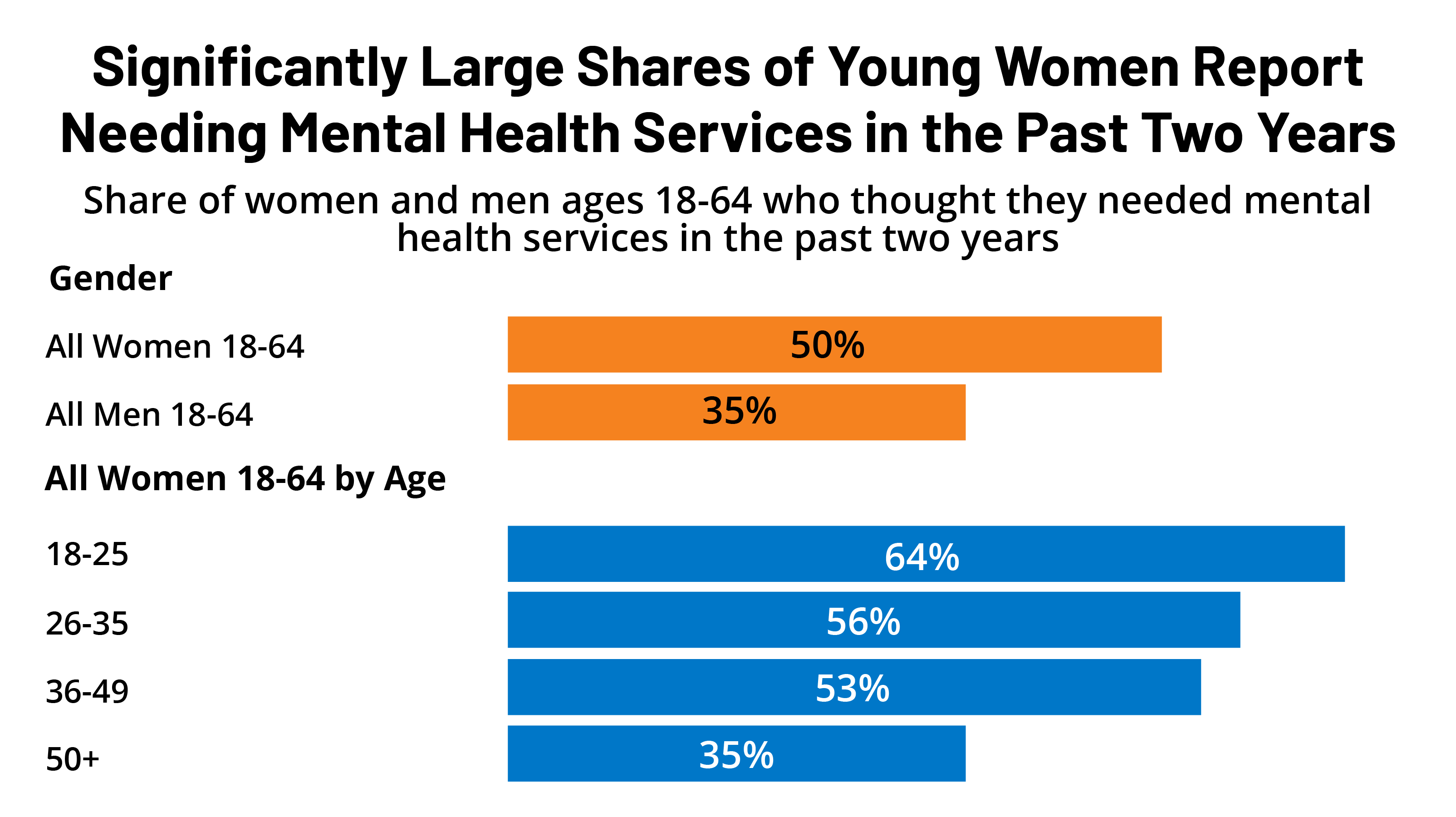
A noticeably bigger share of women (50{35112b74ca1a6bc4decb6697edde3f9edcc1b44915f2ccb9995df8df6b4364bc}) than guys (35{35112b74ca1a6bc4decb6697edde3f9edcc1b44915f2ccb9995df8df6b4364bc}) thought they required psychological wellness providers in the past two decades. Amid those who considered they essential mental wellbeing care, about six in ten women of all ages and guys sought treatment in the previous two yrs.
Just about two-thirds of youthful gals ages 18-25 report needing mental wellbeing care in the earlier two decades in comparison to one-3rd of women of all ages ages 50-64.
Among the all ladies ages 18-64 who believed they desired mental wellness services in the past two a long time, just half attempted and had been ready to get an appointment for psychological wellbeing treatment, 10{35112b74ca1a6bc4decb6697edde3f9edcc1b44915f2ccb9995df8df6b4364bc} tried out but were being not able to get an appointment, and 40{35112b74ca1a6bc4decb6697edde3f9edcc1b44915f2ccb9995df8df6b4364bc} did not request treatment.
Nearly 50 percent of girls who wanted mental overall health products and services and tried using to get care were being ready to get an appointment inside of a thirty day period, but more than just one-third of females experienced to wait around much more than a thirty day period. Among individuals who could not get an appointment, ladies cite limited supplier availability and cost as the key explanations they have been unable to obtain mental well being care.
Two in 10 privately insured females with a mental overall health appointment in the earlier two many years say their service provider did not acknowledge their insurance.
Sixty percent of gals had a telemedicine/telehealth go to in the past two a long time. Psychological well being care was the third most typical purpose girls cited for accessing telehealth/telemedicine providers, with 17{35112b74ca1a6bc4decb6697edde3f9edcc1b44915f2ccb9995df8df6b4364bc} declaring it was the key intent of their most current telemedicine pay a visit to. The vast majority report that the excellent of their telehealth stop by was the exact same as an in-human being check out.
Introduction
Psychological overall health has emerged as a swiftly developing concern in recent years, with 90{35112b74ca1a6bc4decb6697edde3f9edcc1b44915f2ccb9995df8df6b4364bc} of Americans indicating there is a mental well being disaster in a modern KFF-CNN poll. Girls knowledge various psychological health circumstances a lot more usually than adult men, and some also expertise psychological well being problems that are special to girls, these as perinatal despair and premenstrual dysphoric ailments that may well come about when hormone degrees alter. Info from the National Middle for Health and fitness Stats present that across all age groups, ladies were almost 2 times as possible to have despair and stress than adult males. The COVID-19 pandemic, the opioid epidemic, and racism are amongst frequently cited stressors that have exacerbated extensive-standing psychological health challenges and prompted developing demand from customers for psychological health and fitness providers in the previous two a long time, specifically among females.
This temporary delivers new facts from the 2022 KFF Women’s Health Study (WHS), a nationally representative survey of 5,145 women and 1,225 gentlemen ages 18-64 conducted mostly on line from May well 10, 2022, to June 7, 2022. In addition to several subject areas similar to reproductive health and perfectly-becoming, the survey questioned respondents about their experiences accessing mental well being providers in the previous two many years. This concern temporary offers KFF WHS data on mental wellbeing providers obtain between self-discovered women and guys ages 18-64, and it also normally takes a closer seem at mental overall health protection among the gals. People today of all genders, which include non-binary people today, had been requested these thoughts on the other hand, there are insufficient data to report on non-cisgendered men and women. See the Methodology section for aspects.
Utilization of Mental Wellness Products and services
Gender Distinctions
Fifty percent of gals ages 18-64 (50{35112b74ca1a6bc4decb6697edde3f9edcc1b44915f2ccb9995df8df6b4364bc}) assumed they needed psychological overall health services in the past two decades (Determine 1) and a considerably lesser share of males report they essential mental wellbeing care (35{35112b74ca1a6bc4decb6697edde3f9edcc1b44915f2ccb9995df8df6b4364bc}). Research have prolonged documented gender disparities in the premiums and forms of psychological wellness ailments. Amid those who imagined they essential care, nonetheless, identical fees of females and gentlemen report trying to get care. Sixty p.c of gals tried to make an appointment for psychological well being compared to 56{35112b74ca1a6bc4decb6697edde3f9edcc1b44915f2ccb9995df8df6b4364bc} of adult men.
Will need and Care Trying to get
Approximately two thirds (64{35112b74ca1a6bc4decb6697edde3f9edcc1b44915f2ccb9995df8df6b4364bc}) of gals ages 18-25 believed they needed psychological health and fitness products and services at some issue in the previous two many years in comparison to just 35{35112b74ca1a6bc4decb6697edde3f9edcc1b44915f2ccb9995df8df6b4364bc} of girls ages 50-64 (Determine 2). Previous results from the 2020 KFF WHS revealed that far more than half of females (51{35112b74ca1a6bc4decb6697edde3f9edcc1b44915f2ccb9995df8df6b4364bc}) mentioned that worry or pressure linked to the coronavirus had affected their psychological health. Other studies clearly show that younger grownups, especially gals, knowledgeable large incidence of depression and loneliness in the course of the early levels of the pandemic.
Extra than half of gals with low incomes (< 200{35112b74ca1a6bc4decb6697edde3f9edcc1b44915f2ccb9995df8df6b4364bc} of the federal poverty level (FPL)) (55{35112b74ca1a6bc4decb6697edde3f9edcc1b44915f2ccb9995df8df6b4364bc}) and women with Medicaid coverage (58{35112b74ca1a6bc4decb6697edde3f9edcc1b44915f2ccb9995df8df6b4364bc}) thought they needed mental health care in the past two years compared to less than half (47{35112b74ca1a6bc4decb6697edde3f9edcc1b44915f2ccb9995df8df6b4364bc}) of women with higher incomes (≥ 200{35112b74ca1a6bc4decb6697edde3f9edcc1b44915f2ccb9995df8df6b4364bc} FPL) and those with private insurance (includes employer-sponsored insurance and individually purchased insurance) (47{35112b74ca1a6bc4decb6697edde3f9edcc1b44915f2ccb9995df8df6b4364bc}). The FPL in 2022 for an individual is $13,590 (Figure 2).
Among those who thought they needed mental health care, larger shares of women ages 26-35 (63{35112b74ca1a6bc4decb6697edde3f9edcc1b44915f2ccb9995df8df6b4364bc}) and women ages 36-49 (64{35112b74ca1a6bc4decb6697edde3f9edcc1b44915f2ccb9995df8df6b4364bc}) sought care compared to 55{35112b74ca1a6bc4decb6697edde3f9edcc1b44915f2ccb9995df8df6b4364bc} of women ages 50-64. Larger shares of women enrolled in Medicaid (67{35112b74ca1a6bc4decb6697edde3f9edcc1b44915f2ccb9995df8df6b4364bc}) sought mental health services compared to women who have private insurance (58{35112b74ca1a6bc4decb6697edde3f9edcc1b44915f2ccb9995df8df6b4364bc}) and women who are uninsured (50{35112b74ca1a6bc4decb6697edde3f9edcc1b44915f2ccb9995df8df6b4364bc}) (Figure 3).
A significantly lower share of Asian/Pacific Islander women (40{35112b74ca1a6bc4decb6697edde3f9edcc1b44915f2ccb9995df8df6b4364bc}) say they needed mental health services at some point in the past two years than their White counterparts (50{35112b74ca1a6bc4decb6697edde3f9edcc1b44915f2ccb9995df8df6b4364bc}). Although not statistically significant, smaller shares of Asian/Pacific Islander women report seeking care compared to White women (50{35112b74ca1a6bc4decb6697edde3f9edcc1b44915f2ccb9995df8df6b4364bc} vs. 62{35112b74ca1a6bc4decb6697edde3f9edcc1b44915f2ccb9995df8df6b4364bc}). While the pandemic fueled violence against Asians and subsequently worsened anxiety and mental health for many, studies have shown that Asians reported greater cultural barriers to help-seeking such as family stigma and concerns about “losing face.” Cultural barriers may influence perceived need of care in addition to help-seeking behaviors.
Although the self-reported need for mental health care did not differ between Hispanic and White women (both 50{35112b74ca1a6bc4decb6697edde3f9edcc1b44915f2ccb9995df8df6b4364bc}), smaller shares of Hispanic women (56{35112b74ca1a6bc4decb6697edde3f9edcc1b44915f2ccb9995df8df6b4364bc}) sought care compared to White women (62{35112b74ca1a6bc4decb6697edde3f9edcc1b44915f2ccb9995df8df6b4364bc}). Despite high rates of depression among Hispanic women, studies have shown that stigma and perceived discrimination in health care settings can contribute to underutilization of mental health services within Hispanic communities. Hispanic women also have the highest uninsured rate, which may limit their access to care.
Among the 50{35112b74ca1a6bc4decb6697edde3f9edcc1b44915f2ccb9995df8df6b4364bc} of women who thought they needed mental health services, half (50{35112b74ca1a6bc4decb6697edde3f9edcc1b44915f2ccb9995df8df6b4364bc}) were able to get an appointment, while another 40{35112b74ca1a6bc4decb6697edde3f9edcc1b44915f2ccb9995df8df6b4364bc} did not try to get mental health services (Figure 4). One in ten (10{35112b74ca1a6bc4decb6697edde3f9edcc1b44915f2ccb9995df8df6b4364bc}) who tried to get care were unable to make an appointment for mental health services. This suggests that the other half of women who report needing care may have unmet mental health needs.
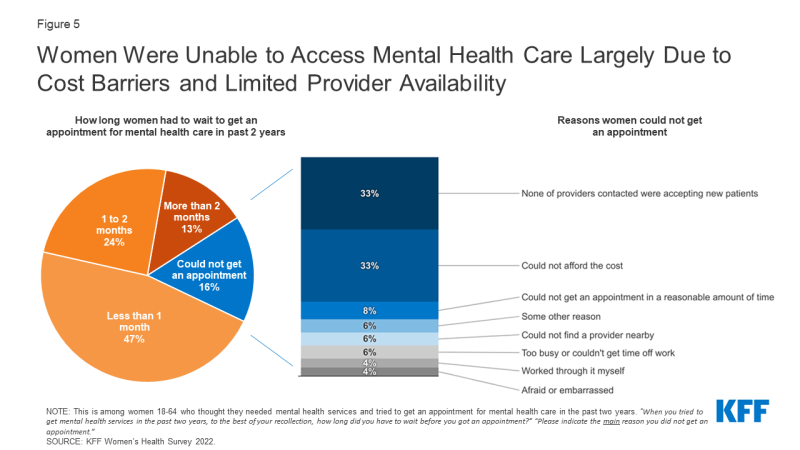
Among all women who thought they needed mental health care and tried to get it in the past two years, nearly half (47{35112b74ca1a6bc4decb6697edde3f9edcc1b44915f2ccb9995df8df6b4364bc}) had to wait less than a month for an appointment (Figure 5). One-quarter (24{35112b74ca1a6bc4decb6697edde3f9edcc1b44915f2ccb9995df8df6b4364bc}) had to wait one to two months, and 13{35112b74ca1a6bc4decb6697edde3f9edcc1b44915f2ccb9995df8df6b4364bc} had to wait more than two months to get care. The remaining 16{35112b74ca1a6bc4decb6697edde3f9edcc1b44915f2ccb9995df8df6b4364bc} of those who sought mental health care could not get an appointment.
Among the 16{35112b74ca1a6bc4decb6697edde3f9edcc1b44915f2ccb9995df8df6b4364bc} of women who needed care, sought care, and were unable to get an appointment for mental health services, the main reasons were limited provider availability and cost barriers. One-third of women who could not get an appointment say the main reasons were that they could not find a provider that was accepting new patients (33{35112b74ca1a6bc4decb6697edde3f9edcc1b44915f2ccb9995df8df6b4364bc}) or that they could not afford the cost of mental health services (33{35112b74ca1a6bc4decb6697edde3f9edcc1b44915f2ccb9995df8df6b4364bc}). Eight percent could not get an appointment in a reasonable amount of time and six percent say they could not find a provider nearby. Another 6{35112b74ca1a6bc4decb6697edde3f9edcc1b44915f2ccb9995df8df6b4364bc} say they could not get an appointment for another reason, such as not wanting to go in-person due to COVID-19.
Our findings on provider availability are consistent with other studies on mental health access. A report from the U.S. Government Accountability Office found that many consumers with health insurance faced challenges finding in-network care. The country also faces a workforce shortage of behavioral health professionals in addition to other challenges with health care infrastructure that exacerbates issues with accessibility.
Figure 5: Women Were Unable to Access Mental Health Care Largely Due to Cost Barriers and Limited Provider Availability
Cost and Coverage for Mental Health Services
Among those who sought care but could not get an appointment, one-third (33{35112b74ca1a6bc4decb6697edde3f9edcc1b44915f2ccb9995df8df6b4364bc}) say the main reason was that they could not afford it (Figure 5). Cost remains a barrier to mental health care access for some people with insurance and especially for those who lack coverage. Significantly larger shares of women who are uninsured (60{35112b74ca1a6bc4decb6697edde3f9edcc1b44915f2ccb9995df8df6b4364bc}) say they could not get an appointment due to affordability reasons, compared to those who have health insurance either through private plans (33{35112b74ca1a6bc4decb6697edde3f9edcc1b44915f2ccb9995df8df6b4364bc}) or Medicaid (30{35112b74ca1a6bc4decb6697edde3f9edcc1b44915f2ccb9995df8df6b4364bc}) (Figure 6). There were no significant differences between women who have private insurance and women covered by Medicaid.
These findings on cost barriers are consistent with current literature, which has found that along with provider availability, affordability is one of the most prevalent barriers to mental health care.
While federal laws require special insurance protections such as parity for mental health care, gaps in coverage remain. All state Medicaid programs provide coverage for mental health services, and the Affordable Care Act (ACA) requires most private insurers to cover mental health care. However, the scope of coverage varies, provider networks are limited in many plans, and mental health providers may not accept all insurance plans. Some mental health practitioners do not accept insurance of any kind.
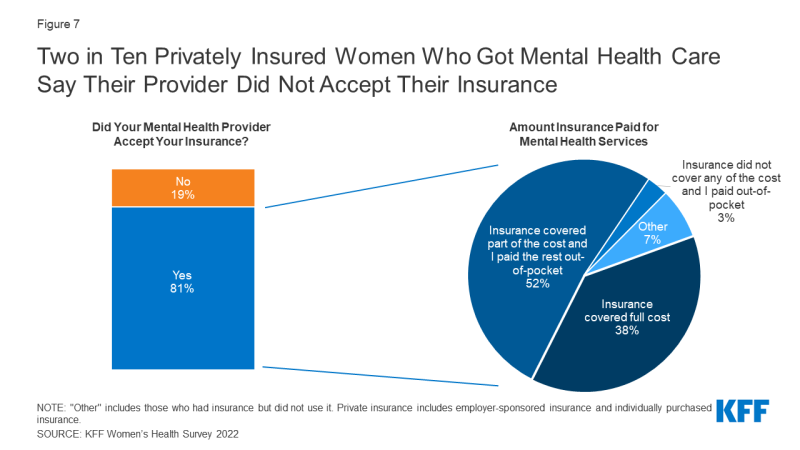
While most privately insured women who received mental health services in the past two years say their provider accepted their insurance for their most recent mental health visit (81{35112b74ca1a6bc4decb6697edde3f9edcc1b44915f2ccb9995df8df6b4364bc}), two in ten (19{35112b74ca1a6bc4decb6697edde3f9edcc1b44915f2ccb9995df8df6b4364bc}) say their provider did not. Among privately insured women who said their provider accepted their insurance, more than half report having out-of-pocket expenses for their most recent mental health visit. More than one-third (36{35112b74ca1a6bc4decb6697edde3f9edcc1b44915f2ccb9995df8df6b4364bc}) say their insurance covered the full cost and 52{35112b74ca1a6bc4decb6697edde3f9edcc1b44915f2ccb9995df8df6b4364bc} say their insurance covered some of the cost. Three percent say their insurance did not cover any of the cost. (Figure 7).
Figure 7: Two in Ten Privately Insured Women Who Got Mental Health Care Say Their Provider Did Not Accept Their Insurance
The Affordable Care Act requires that enrollees in most private health insurance plans have the right to appeal denied claims, though some evidence suggests that many are unfamiliar with appeals processes or are unaware of this protection. Among privately insured women whose insurance was not accepted by their mental health provider, 27{35112b74ca1a6bc4decb6697edde3f9edcc1b44915f2ccb9995df8df6b4364bc} filed a claim with the health insurance plan to try to get reimbursed for some or all the cost (data not shown).
Telehealth
Social distancing during the pandemic contributed to a sharp increase in the provision of telehealth services, widening the access of counseling, therapy, prescribing, and other services via remote methods such as video and telephone. The rapid expansion of telemedicine/telehealth over the course of the COVID-19 pandemic has broadened access to health care for many, including access to mental health services. Mental health services provided via telehealth include speaking to a mental health provider over telephone or video, or through online apps such as Talkspace.
Sixty percent of women ages 18-64 had a telemedicine/telehealth visit in the past two years. Among these women, 17{35112b74ca1a6bc4decb6697edde3f9edcc1b44915f2ccb9995df8df6b4364bc} say the primary purpose of their most recent visit was for mental health services (Figure 8). Accessing mental health care services was the third most common reason for telehealth visits, following annual check-ups (18{35112b74ca1a6bc4decb6697edde3f9edcc1b44915f2ccb9995df8df6b4364bc}) and visits for minor illness or injury (18{35112b74ca1a6bc4decb6697edde3f9edcc1b44915f2ccb9995df8df6b4364bc}). Three in ten women ages 18-25 (29{35112b74ca1a6bc4decb6697edde3f9edcc1b44915f2ccb9995df8df6b4364bc}) say their most recent telehealth visit was for mental health services compared to 20{35112b74ca1a6bc4decb6697edde3f9edcc1b44915f2ccb9995df8df6b4364bc} of women ages 26 to 35, 18{35112b74ca1a6bc4decb6697edde3f9edcc1b44915f2ccb9995df8df6b4364bc} of women ages 36 to 49, and 10{35112b74ca1a6bc4decb6697edde3f9edcc1b44915f2ccb9995df8df6b4364bc} of women ages 50 to 64 and older. A larger share of White women (21{35112b74ca1a6bc4decb6697edde3f9edcc1b44915f2ccb9995df8df6b4364bc}) obtained mental health services at their most recent telehealth visit than Black women (13{35112b74ca1a6bc4decb6697edde3f9edcc1b44915f2ccb9995df8df6b4364bc}), Hispanic women (14{35112b74ca1a6bc4decb6697edde3f9edcc1b44915f2ccb9995df8df6b4364bc}), and Asian/Pacific Islander women (7{35112b74ca1a6bc4decb6697edde3f9edcc1b44915f2ccb9995df8df6b4364bc}).
A larger share of women with Medicaid coverage (22{35112b74ca1a6bc4decb6697edde3f9edcc1b44915f2ccb9995df8df6b4364bc}) report that their most recent telemedicine or telehealth visit was for mental health services than women who are privately insured (15{35112b74ca1a6bc4decb6697edde3f9edcc1b44915f2ccb9995df8df6b4364bc}).
A similar share of women living in rural (23{35112b74ca1a6bc4decb6697edde3f9edcc1b44915f2ccb9995df8df6b4364bc}) and urban/suburban (17{35112b74ca1a6bc4decb6697edde3f9edcc1b44915f2ccb9995df8df6b4364bc}) areas report that the primary purpose of their most recent telehealth or telemedicine visit was for mental health services.
The majority (69{35112b74ca1a6bc4decb6697edde3f9edcc1b44915f2ccb9995df8df6b4364bc}) of women who had a telehealth or telemedicine visit in the past two years for mental health care say the quality of care they received at their most recent visit was the same as an in-person visit for this type of care (Figure 9). One-in-five (19{35112b74ca1a6bc4decb6697edde3f9edcc1b44915f2ccb9995df8df6b4364bc}) report receiving better quality of care during their telehealth visit, while 12{35112b74ca1a6bc4decb6697edde3f9edcc1b44915f2ccb9995df8df6b4364bc} report experiencing worse quality than an in-person visit. These findings suggest the quality of mental health care is typically not diminished when accessing care via telehealth.
Conclusion
The demand for mental health care continues to surge as wait lists for professional help grow. Recent reports reveal that mental health providers across the nation are facing an overwhelming demand for services, leaving many individuals without care. Our survey finds that among the half of women who report that they thought they needed mental health services in the past two years, only half got an appointment for care. Unmet mental health needs are known to affect the overall well-being and productivity of individuals, families, and society, and studies have consistently shown that women are disproportionately affected by these unmet needs. Data from the 2022 KFF WHS underscore that addressing issues with provider availability and cost could improve access to mental health care for some. Our findings suggest that affordability barriers are a substantial obstacle for uninsured women.
In response to the COVID-19 pandemic and other changes in the health policy environment, larger shares of employers began expanding coverage of mental health services by including more providers for in-person and telehealth care. Telehealth and telemedicine services have been recognized as an evolving strategy to increase access to care and address health needs, including care for mental health. We found that most women who received mental health services via telehealth say the quality of care they received was the same as in-person care. Telehealth has and likely will continue to play a role in addressing mental health access concerns for women.
Despite federal and state laws intended to expand and strengthen coverage for mental health care, gaps in coverage and problems with affordability continue to hinder access to mental health services even for those with private insurance and Medicaid. Our survey finds that in addition to challenges obtaining services, many women who have insurance faced at least some out-of-pocket costs for their visit. The findings from the 2022 KFF WHS suggest that future policies affecting telehealth, provider availability, health insurance coverage, and affordability will play a significant role in addressing the demand for mental health care.