Signal up for our free of charge Wellbeing Test e-mail to receive unique analysis on the 7 days in health and fitness
Get our free Overall health Examine electronic mail
A third of these with a women’s wellness affliction have been made to wait around 3 years or extended for a diagnosis, damning new investigate has disclosed.
The identical review found fifty percent of those gals took a yr or additional to be supplied their diagnosis.
Gynaecologists informed The Independent delays are harming women’s mental wellness and placing their bodily health and fitness at chance.
The report, shared solely with The Unbiased, identified all around 1 in 10 ladies polled who sought health care assistance for women’s well being disorders are nevertheless awaiting a analysis.
Scientists from King Edward VII’s Healthcare facility, an independent charitable healthcare facility, polled just over 1,000 females. They approximated virtually a few million women of all ages in the British isles are grappling with indications of undiagnosed women’s health and fitness problems – with nearly a third still to be specified a formal diagnosis and a quarter possessing not started searching for clinical support.
The research found nearly a single in four women of all ages enduring indications say the health and fitness challenges have harmed their mental well being, whilst almost 50 percent of girls sought to relieve their signs and symptoms by enterprise life style alterations. This included diet plan and exercising, as nicely as curbing time expended doing work and socialising or forking out for different forms of treatment.
Women’s well being ailments bundled in the examine ranged from endometriosis to significant menstrual bleeding, fibroids, urinary incontinence, polycystic ovaries, overactive thyroid, underactive thyroid, ovarian cysts, menopause, fertility difficulties, sexual purpose complications, ovarian cancer, vaginal most cancers, uterine most cancers, vulvar cancer and cervical cancer.
Srdjan Saso, a expert gynaecologist and surgeon who performs with King Edward VII’s Clinic, advised The Impartial: “A delayed diagnosis can signify a significant affect on quality of existence both of those skillfully and personally.
“It can have a substantial impact on a woman’s day-to-working day life and as a result needs to be addressed adequately and seriously. From a more sinister viewpoint, in sure instances, it can be most cancers and we are selecting it up late.”
Dr Saso, who functions at Queen Charlotte’s and Chelsea Hospital in London, warned the lengthy ready situations have been brought on by a selection of issues spanning from the pandemic to wider financial troubles.
“There are also sophisticated historic and social good reasons why women’s wellbeing has been neglected,” he said. “It is one thing as a modern society we require to deal with head-on. We have appear a extended way but we are still not there.”
Leah Deutsch, a expert in obstetrics and gynaecology, instructed The Unbiased the findings were being troubling as she stated they are making an attempt to capture up with backlogs at her medical center and are jogging added clinics to cope with this.
She added: “The women of all ages I see have been waiting for a lengthy time. They are clearly struggling bodily and mentally. It is impacting their function lifetime, their family members life and their all-round properly-remaining.
“I have observed folks who have been ready for someplace involving 6 to 12 months – that is from a GP referral to looking at me. There is an element of desperation in the hope to take care of their complications.”
Dr Deutsch said gynaecological delays are “massively pandemic related” as properly as remaining connected to the “shrinking” NHS workforce thanks to workers “burnout” and enhanced desire for companies.
“People are educating by themselves and trying to get aid while in advance of they may well have been suffering in silence,” Dr Deutsh said. “Clinics for gynaecology and elective techniques were cancelled at the beginning of the pandemic.”
She famous messages centred all-around not overburdening the NHS in the course of the pandemic potentially created some people less inclined to search for aid as she noted the Covid crisis also made some people today anxious about recieving health care in man or woman.
“Women’s wellbeing in typical is an space that is deprioritised,” Dr Deutsch reported. “Women who endure menstrual pain and major menstrual bleeding can generally come to feel there is an perspective amongst the general public and healthcare pros that it is normal. There is a absence of regard for how significant and disabling these situations can be.”
Her remarks appear just after investigate by the Royal College or university of Obstetricians and Gynaecologists last year showed gynaecology waiting lists have endured the most significant improve of all clinical parts.
A spokesperson for NHS England said they are “making substantial development in addressing the Covid backlogs that have inevitably constructed up like by practically doing away with two year waits for care”.
The consultant extra: “And so with workers also referring file figures of patients for tests and checks, our information to females is crystal clear if you are apprehensive about your well being remember to speak to your GP, the NHS is listed here for you – it could be very little but a uncomplicated check out could help save your everyday living.”
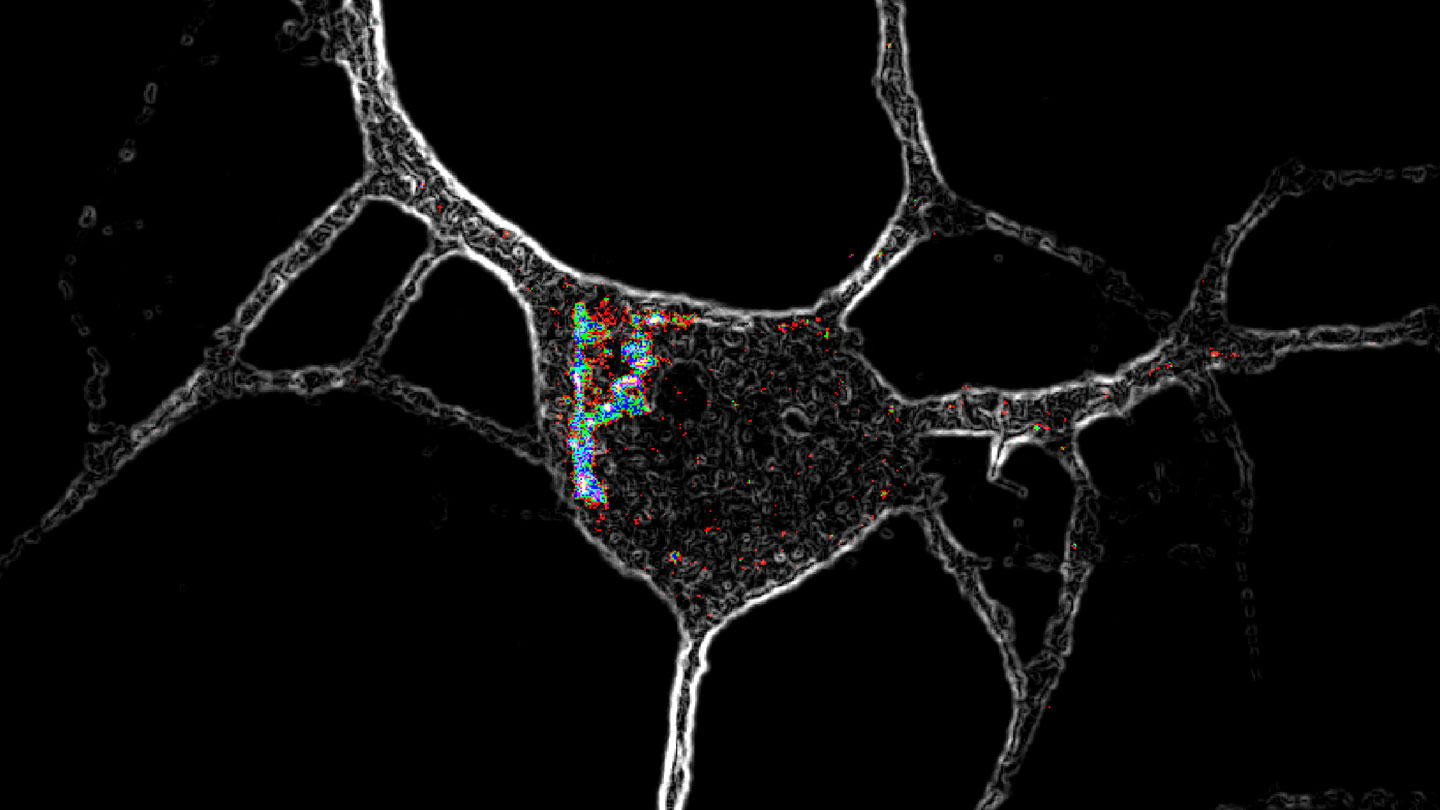
Psychedelics go beneath the mobile floor to unleash their possibly therapeutic consequences.
These medications are exhibiting promise in clinical trials as treatment options for psychological health diseases (SN: 12/3/21). Now, researchers may possibly know why. These substances can get inside nerve cells in the cortex — the mind area significant for consciousness — and tell the neurons to grow, scientists report in the Feb. 17 Science.
Several psychological well being ailments, such as depression and post-traumatic strain dysfunction, are tied to serious stress, which degrades neurons in the cortex over time. Experts have prolonged believed that fixing the cells could give therapeutic positive aspects, like decreased panic and enhanced temper.
Science Information headlines, in your inbox
Headlines and summaries of the latest Science News articles, sent to your e mail inbox every single Thursday.
Thank you for signing up!
There was a dilemma signing you up.
Psychedelics — which include psilocin, which arrives from magic mushrooms, and LSD — do that fixing by marketing the advancement of nerve mobile branches that acquire info, identified as dendrites (SN: 11/17/20). The behavior could explain the drugs’ beneficial results in study. But how they bring about mobile advancement was a secret.
It was by now known that, in cortical neurons, psychedelics activate a particular protein that gets signals and offers recommendations to cells. This protein, called the 5-HT2A receptor, is also stimulated by serotonin, a chemical manufactured by the system and implicated in mood. But a study in 2018 established that serotonin doesn’t make these neurons mature. That finding “was genuinely leaving us scratching our heads,” says chemical neuroscientist David Olson, director of the Institute for Psychedelics and Neurotherapeutics at the University of California, Davis.
To determine out why these two kinds of substances influence neurons differently, Olson and colleagues tweaked some substances to change how nicely they activated the receptor. But these improved outfitted to convert it on did not make neurons grow. Rather, the staff observed that “greasy” substances, like LSD, that quickly go via cells’ fatty outer layers resulted in neurons branching out.
Polar chemical substances these kinds of as serotonin, which have erratically distributed electrical costs and thus just cannot get into cells, didn’t induce expansion. Even more experiments confirmed that most cortical neurons’ 5-HT2A receptors are positioned within the mobile, not at the area where by scientists have largely researched them.
But at the time serotonin gained accessibility to the cortical neurons’ inside — by using artificially included gateways in the mobile area — it much too led to advancement. It also induced antidepressant-like results in mice. A working day following obtaining a surge in serotonin, animals whose brain cells contained unnatural entry factors didn’t give up as quickly as usual mice when forced to swim. In this exam, the more time the mice tread drinking water, the a lot more powerful an antidepressant is predicted to be, displaying that inside accessibility to 5-HT2A receptors is essential for possible therapeutic effects.
“It seems to overturn a whole lot about what we believe really should be true about how these medications perform,” says neuroscientist Alex Kwan of Cornell College, who was not concerned in the review. “Everybody, like myself, considered that [psychedelics] act on receptors that are on the cell area.”
Subscribe to Science Information
Get fantastic science journalism, from the most trustworthy source, sent to your doorstep.
Which is where by most receptors that perform like 5-HT2A are observed, claims biochemist Javier González-Maeso of the Virginia Commonwealth University in Richmond, who was also not concerned in the get the job done.
For the reason that serotonin simply cannot achieve 5-HT2A receptors inside of standard cortical neurons, Olson proposes that the receptors could possibly reply to a distinctive chemical created by the human body. “If it’s there, it ought to have some sort of position,” he states. DMT, for example, is a normally occurring psychedelic manufactured by crops and animals, together with humans, and can reach a cell’s interior.
Kwan disagrees. “It’s intriguing that psychedelics can act on them, but I really do not know if the mind necessarily requirements to use them when undertaking its typical purpose.” As an alternative, he indicates that the internal receptors could be a reserve pool, completely ready to substitute those people that get degraded on the cell surface.
Either way, comprehending the mobile mechanisms at the rear of psychedelics’ probable therapeutic effects could support experts establish safer and much more efficient therapies for psychological health problems.
“Ultimately, I hope this prospects to better medications,” Olson claims.
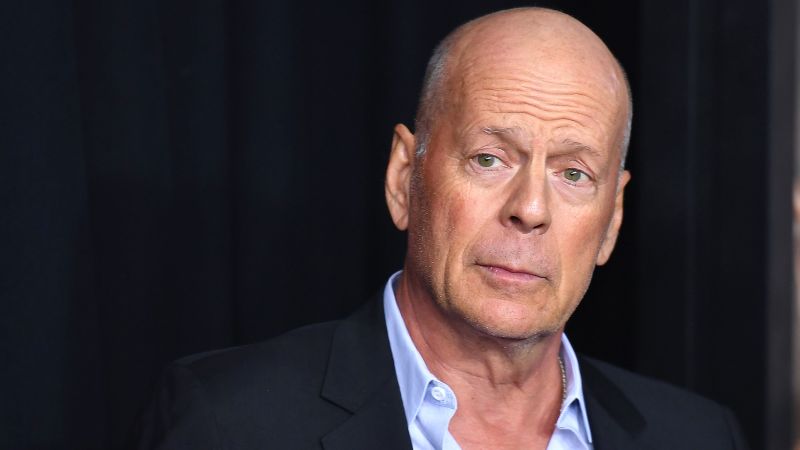
The loved ones of Bruce Willis has introduced that the actor is struggling from a sort of dementia termed frontotemporal dementia, or FTD for small.
In a assertion shared Thursday, the 67-12 months-outdated star’s family members said that though the information “is unpleasant, it is a aid to at last have a apparent diagnosis.”
“Today there are no treatments for the condition, a reality that we hope can transform in the a long time forward. As Bruce’s ailment improvements, we hope that any media attention can be concentrated on shining a light on this disorder that desires far a lot more awareness and research,” the assertion reported.
Willis’ household — which include wife Emma Heming Willis, ex-spouse Demi Moore and his daughters — initially disclosed his diagnosis of aphasia back again in 2022. They mentioned at the time that Willis was struggling from a health care problem that was influencing his cognitive qualities and would be taking a split from acting.
“Bruce generally believed in employing his voice in the world to aid some others, and to increase recognition about critical troubles the two publicly and privately,” his family’s new assertion said. “We know in our hearts that – if he could these days – he would want to respond by bringing world wide consideration and a connectedness with people who are also working with this debilitating disease and how it impacts so numerous individuals and their families.”
According to the Mayo Clinic, frontotemporal dementia is an “umbrella time period for a team of brain issues that principally influence the frontal and temporal lobes of the brain. These places of the brain are typically related with identity, conduct and language.”
Willis’ most new performing credit rating is “Detective Knight: Independence,” which was released in January 2023 and is the 3rd installment of the thriller film collection “Detective Knight.” He also has action movie “Assassin” slated for launch next thirty day period.
Willis and Heming Willis share two daughters, Mabel and Evelyn. With Moore, he is father to daughters Rumer, Scout and Tallulah.
Rumer Willis is presently expecting her very first youngster with boyfriend Derek Richard Thomas.
“ Bruce has often identified joy in everyday living – and has assisted absolutely everyone he is aware of to do the exact same. It has intended the entire world to see that perception of treatment echoed again to him and to all of us,” the assertion extra. “We have been so moved by the like you have all shared for our expensive husband, father, and mate throughout this tricky time. Your continued compassion, comprehending, and respect will help us to assistance Bruce are living as comprehensive a existence as achievable.”
MS. STEAD SELLERS: Good morning, and welcome to Washington Post Live. I’m Frances Stead Sellers, a senior writer here at The Washington Post.
My first guests today are going to be talking a lot–about a lot of issues that are unique to women’s health, and first of all, we have Laura Modi, who is the co-founder and CEO of Bobby Organic Infant Formula. We’re also hoping to have Simmone Taitt, who is the founder and CEO of Poppy Seed Health.
And, Laura, let’s start with you right away, if we can. The clip at the end of our introduction was all about the moment when we were at the height of the formula shortage, and I was writing about it then. Could you update us now about where we stand with that shortage and particularly what it’s meant for women?
MS. MODI: Yeah, absolutely. My God, just rewatching that clip brought me back to where we were a year ago, and this Friday will mark one year, one year since there was a recall that has created a national shortage where this country was unable to feed babies. And it’s shocking to think–and I’ve been reporting on this now recently as well–which is we may be getting close to a place where we are out of the stretch, but we are certainly not out of the crisis. And the existential crisis that still exists is that we are one bacteria away from this potentially happening again.
It takes fundamental change in the industry to ensure that we get out of this, and we have just been solving for the shortage. Now we actually need to change our sights to fixing the crisis.
MS. STEAD SELLERS: Laura, let’s dig a little bit deeper into that, “one bacterium away from this crisis.” Explain what’s happening in our manufacturing that makes the system so very vulnerable.
MS. MODI: I mean, “vulnerable” is exactly the word. It’s a very, very fragile industry. So there’s very few manufacturers here in the U.S. that can make infant formula, and when one of those facilities that makes the majority of infant formula in the country is unable to produce, it means that we are really supply-constrained to be able to serve the high demand needed for infant formula.
So what we really need is more manufacturing to ensure that we’re out of this crisis. Now, manufacturing is not the flick of a switch. You can’t just say let’s get them up and running. This takes a lot of capital, multiple years, and requires an immense amount of safety that can’t be overlooked.
The question is, have we actually made any strides as of recently to see more manufacturing progress in this country? We’ve done an amazing job to, say, let’s turn to other countries and ensure that we can get formula in, stocked on shelves, and that babies are being fed. But that’s not a long-term fix.
So one of the things that we’ve been doing is working with Congress to say we need to put a bill aside where we’re saying there is a fund to be able to support more manufacturing in this country, that also introduces competition, which also in a very concentrated industry is exactly what we need to ensure redundancy in the future.
So, hopefully, we will see this bill get introduced and that bill get passed, allowing for more manufacturing in this country.
MS. STEAD SELLERS: So we had a slight technical glitch there. We’ve now got Simmone Taitt. She’s the founder and CEO of Poppy Seed Health. Simmone, welcome. Nice to have you with us too.
MS. TAITT: Thank you so much for having me, and I hope the glitch doesn’t continue to happen.
MS. STEAD SELLERS: Well, we will work through it if we do, but we’re delighted.
And I wanted to start by asking you about Poppy Seed Health. It deals with pregnancy and postpartum loss, and could you tell us the origin story? Tell us how you came up with the idea of producing this app.
MS. TAITT: Sure. So, in 2016, I had my first pregnancy loss on what has been for me a very complicated journey to parenthood, and Poppy Seed Health focuses on delivering that emotional and mental health support that we need just in those moments that we need it the most, which is something that I didn’t have.
After my appointment, I was sent home with no medical, emotional, or mental health support, and if you look at maternal health care in our country today, in the U.S., you will see that there is no way with having the continuity of support and care on the clinical side that really focuses on emotional and mental health support.
So I built Poppy Seed Health with our team to make sure that folks could have this kind of support in 90 seconds or less. Our actual latency these days is just under 10 seconds, and so under 10 seconds, whether you’re pregnant, postpartum, or you’ve experienced a loss, you are able to have a conversation, all text-based, with one of our advocates almost instantaneously.
MS. STEAD SELLERS: Wow. So that gives us a sense of the complexity of some of these journeys, and of course, they’re not equal across racial and socioeconomic backgrounds.
Laura, which brings me to you. You have started an effort, I think, at Bobby to raise awareness about African American maternal mortality, in particular. Could you tell us where that stands and why you felt the need to create this push?
MS. MODI: You know, and I know we’re talking about women’s health, but really this is a human’s rights issue. What we’ve found and we’ve come to learn is that here in the U.S., we have the highest maternal death rate for a high-income nation, and it particularly impacts Black mothers.
And we’ve come to learn about this in multiple ways. Elaine Welteroth, who’s on our Bobby MotherBoard and helps support with a lot of policy changes, went through her own personal journey when she went to have her first kid, when she had come to learn about a Black mother who had died during childbirth, only a year before she gave birth, and it led her on her own research journey to figure out what is the care and support system like in the U.S., because 80 percent of these deaths can be preventable. And they’re not.
MS. STEAD SELLERS: Wow. That’s a shocking, shocking number.
And I know, Simmone, that your own experience led you to become a full-spectrum doula, and I’m now understanding that many Black women are deciding not to deliver in hospitals. What does that mean about what’s going on in this country with delivery and the options open to people and the risks they entail?
MS. TAITT: Well, what it means is that we have a health care system that is broken, right, systematically looking at all of the layers in maternal health care and how we can improve.
For women who look just like me, we’re three to five times more likely to die from preventable things during childbirth, our pregnancies, and then also postpartum. And so it looks for us at Poppy, like, making sure that our advocates are marrying the people that we support every day. Anyone can use Poppy Seed Health, but 50 percent of those doulas, midwives, and nurses identify as BIPOC, and where we are able to connect with folks, a lot of my own experience as a doula and becoming a doula right before I built Poppy Seed Health, it was very important to understand these nuances that exist in our maternal health care system, the racial bias that exists but also the access and equity to care.
And although technology isn’t the only solution, the power of technology allows to bridge these gaps, especially for folks who don’t live as close to their providers or hospitals. As a matter of fact, about 41–it’s about 1,700 counties across the U.S. where people live 90 miles or more away from their closest provider or hospital to get their care.
So, as a doula, I understand these pain points myself. As a birthing person and as a Black woman giving birth in the U.S., I understand what I’m up against, and we’re working very hard to change that.
MS. STEAD SELLERS: Laura, you referred to this as a human rights issue, taking it obviously on to a big plane, but in your experience, what has been the most shocking aspect, the single most shocking aspect of this?
MS. MODI: I think it’s both shocking and upsetting, which is that having the right medical support–and I think, Simmone, you just said this perfectly–has proven to work, but it’s just not accessible to all. And come to learn that, you know, babies born to the richest 20 percent of families are more likely to be born premature and have medical complications, but that they are the ones, due to the affordability and due to the access, actually are the ones who get the better health care system. And their babies will thrive in comparison to what we see to those that don’t have access and particularly impacting Black mothers.
Elaine actually said this very well as well, just around the other type of support systems that are out there. Midwifery care outside of the traditional medical system, here in the U.S., the midwifery workforce is far behind where we are globally. And for a developed nation, where we have–I believe it’s four midwives for every 1,000 births in comparison to 10 times that in Europe is just a glaring stat showing the gap.
MS. STEAD SELLERS: So, Simmone, you know, you’ve worked as a doula. You know the importance of connecting with the people you work with. Talk to us a little bit more broadly about the importance of a diverse maternal workforce around creating success in these stories.
MS. TAITT: So I like to call it the “maternity health care stack,” which means that there has never been a better time for birthing people and women to be able to participate in our own care. And so what that means is that we are looking at a full, broad spectrum of what that looks like for our care. So our bidirectional conversations that should be happening with our providers on the clinical side, of course, should be there.
But then we have access to doulas, and we also have access to midwives. To Laura’s point, it’s not as many in the U.S. as we would like, but we’ve seen over a 200 percent increase in midwifery certifications and licenses going up in the last five to six years. And part of that is because we have this stack that we need to put together for ourselves and also change systematically what’s happening in maternal health care. So that means that you have your village, right, which is your love network or your friends, your family, whatever that looks like, and then where you’re getting your care is a whole body-integrated experience.
We like to focus at Poppy Seed Health on the person that is carrying, not just the baby. The system is really set up and our health care system is set up for that baby, but no one is really paying attention to the person who is carrying. So we want to make sure that you have your nurses, you have your doulas, you have access to midwives, you have access to nutritionists, good foods and nutrition when you’re going through your pregnancy and postpartum journey, and that you have access to the kind of technology, the kind of apps and support that fit into wherever you are in your journey, whenever you need it the most. That’s what we call the “maternal health care stack” at Poppy Seed Health, and we’re seeing this more and more happen with our own members and just everyone who’s planning on having a family.
MS. STEAD SELLERS: Simmone, just because we lost you a little bit at the beginning, I want you to say very quickly, just briefly, how Poppy Seed Health works. I’ve been on the app, but just explain just very quickly.
MS. TAITT: Sure. So three very easy steps. You can download us in the App Store or on Google Play, if you have an Android, and you give us a few easy points of your own self-reporting information of where you are in your journey. You hit that chat request button, and in 90 seconds or less, just about 10 to 15 seconds these days, you are put into a one-on-one private and secure conversation with one of our doulas, midwives, and nurses.
We’re the frontliners on feelings. So you can talk to us about anything that you’d like.
MS. STEAD SELLERS: So that this “frontliners on feelings” is a great phrase, and it brings me right to you, Laura. Talk to us about the importance of understanding and how the conversation has evolved around anxiety and mental health in this crucial period of women’s lives.
MS. MODI: It’s a huge issue, and I can speak more directly from what we’re seeing with new mothers. There is a lot of pressure in society put on them, on what they should do, how they should act, what it means to show up the right way, and very specifically in the world of feeding, there is a path that is considered best and then there’s a path that is considered second best. That is a dangerous narrative to put on women.
What we’ve come to learn is that the real formula in life is everything else going on around that mother, that parent, that woman, and to be able to prescribe a template approach to how we believe this woman should show up and how they should act is wrong, and frankly, it’s irresponsible.
We need to take into account that everyone is going through something very, very different, and I say all of that because if we don’t recognize that, we are absolutely adding further to the mental health crisis, which is mothers, women believing that they should do things a certain way when they are just unsupported to be able to show up that way. And it is getting worse.
MS. STEAD SELLERS: Simmone, do women even know what they need and how they might benefit from mental health care in the postpartum period or even during pregnancy?
MS. TAITT: I’m so happy that you asked that question. We find and we know that when folks come to Poppy, the hardest thing for them to do is just to show up for themselves. As easy as I just explained using Poppy and hitting our green button to chat with someone, that’s still really difficult for folks to do, and that is because you don’t exactly know what you need.
And so having a partner to figure out exactly how you’re feeling and what you think you need is where our support starts and where all support should start for that individual and their own experiences, right? And so, no, I cannot say with confidence that people know what they need, but I can say that we’re changing the cultural narrative around what it means to be able to show up for yourself, to be–to not feel the kind of stigma and shame that typically comes along with not living in this perfect motherhood journey or pregnancy journey or reproductive health journey. And that is really exciting for us to be at the forefront of.
MS. STEAD SELLERS: Simmone, the reproductive health journey has changed considerably in the last 12 months with the Dobbs ruling, which overturned, you know, a half century of constitutionally guaranteed reproductive rights to abortion. How has the conversation changed for you? How are people dealing with a change in how they can approach their own reproductive health?
MS. TAITT: So the conversation for us at Poppy hasn’t changed much. So one of the things that we have always stood by is anyone’s choice as it relates to their bodily autonomy, so that decisions they make about their own body and how they trust themselves as they go through a journey, and at Poppy, we have the only loss support hotline where you can come and within seconds be connected with one of our advocates that can support you immediately that’s trained in loss and also abortion support. That is one of the scenarios where we, of course, have seen an increase since Dobbs was overturned last year, unfortunately, but the conversations are going more like, “I’m thinking about doing this, that’s best for me, my family, and my body,” or “I don’t have the information or the kind of support that I need.”
And like I said, as frontliners on feelings, we are not there to judge you. We are there to support you and to help you, and I think that it’s the most important, more important than ever before, to have these safe spaces in which someone can come and get this nonclinical support that should be a part of your journey and your own decision-making. So we’ve always supported every single path, and I’m really proud that when Dobbs was overturned that we were able to really step up to the plate and do exactly what we love doing, which is supporting people with their emotional and mental health support.
MS. STEAD SELLERS: And this, of course, is the Dobbs ruling that overturned Roe v. Wade.
But, Laura, let me just pick up with you, and I wanted–you raised this issue at the beginning. I’d love to hear what you are hearing and you’re learning from mothers, but also ask you about research dollars. What needs to be done to push more research money into women’s health?
MS. MODI: Someone recently described this, which is that the female body has become this mystery, and you see it in the way research has been done. Do you know that women weren’t required to learn clinical research until ’90, ’93? It wasn’t that long ago. And EVI, which is a fabulous platform that has been doing a lot of work around women’s research, has been describing it as the research that was done on men was then just translated for women who were considered just smaller men. That is insane. That is insane that it has taken us so long to get to a place where we’ve all had to come to terms to say actually women and their systems need to be studied in a different way.
And to piggyback off what Simmone said, I think one of the biggest gaps in areas that needs to be studied the most is around mental health, and we see it getting worse. But now we need to actually study women’s mental health, not just mental health overall and then prescribe it to women. We need to study women’s mental health very carefully.
MS. STEAD SELLERS: Simmone, you’ve spoken so bravely about your own journey, and I know that ACOG, the American College of Obstetricians and Gynecologists, says that one-quarter, as many as one-quarter of pregnancies end in miscarriage. Is there a common message to give to women who go through these sort of difficulties getting pregnant in what is one of the most basic functions of women’s lives? Have you found a way to communicate how to move through these difficult periods?
MS. TAITT: Sure. And you’re right. One in four pregnancies will end in a loss. The majority of those pregnancies, about 80 percent of those pregnancies will be within the first 10 weeks of pregnancy. Just because it’s an early loss doesn’t mean that it is not a loss. And by the way, we have plenty of folks that are going through IVF journeys as well, whose embryo transfers do not stick or also end in loss.
And so my message is always along the lines of it is not your fault, and I say along the lines of that it is not your fault because it can be one of the most emotionally darkest places, especially when you really want that pregnancy or you’ve had multiple losses. It’s the easy thing to do is to blame ourselves and our bodies.
But on the other side of this is encouragement, right? Part of the encouragement is that–check, make sure that you have the kind of access to providers, if you have one, or access to tools to do more research and own what’s actually happening with your body.
We know that in pregnancy loss, so many undiagnosed health issues come out on the other side of being able to have the kind of tests and being able to do the kind of–the kind of–have the kind of conversations with your trusted providers to try and figure out exactly what is happening so that you don’t have to have another loss, but that emotional and mental health support is so, so important.
And I’m tripping over my own words a little bit because I haven’t just had one loss. I’ve had many, so–and every single one has been different. So, anyway, I encourage everyone to know that, you know, we can’t blame ourselves and to go a little bit deeper with our own bodies.
MS. STEAD SELLERS: Thank you, Simmone.
Just one last word. We’re running out of time, but, Laura, I’d like to just take it back to you. Do you have a message? Is there a central message you’d like to leave women with?
MS. MODI: I think it’s more leaving a message to companies. I think the cost of staying silent has never been louder. You see it in new companies that are coming from the ground up and saying, “We are serving women. We are serving moms. It is now our responsibility to actually stand behind them.” So I think the overarching message here is that as companies and anyone who is out there serving women, it is your responsibility to stand for them and get behind their health.
MS. STEAD SELLERS: Thank you both. Laura and Simmone, thank you both so much for joining us here on Washington Post Live.
MS. STEAD SELLERS: And I’ll be back soon–don’t go away–with Dr. Sharon Malone, sometimes known as the Menopause Whisperer. So stay with us.
MS. UMOH: Hi. I’m Ruth Umoh, leadership editor at Fortune.
When it comes to women’s health, menstruation and pregnancy are probably the first things that come to mind. However, menopause and women’s midlife health is equally as important. It is often an overlooked and neglected topic. Here to shine light on the importance of igniting conversations around women’s midlife health is Dr.
Shayna Mancuso, board-certified OB/GYN and medical director at U.S. Medical Affairs at Astellas. Dr. Mancuso has extensive experience and has been practicing for over 28 years.
Thank you so much for joining us today, Dr. Mancuso.
DR. MANCUSO: Thank you so much, Ruth, and as an OB/GYN, of course, this topic is something I’m very passionate about.
MS. UMOH: Of course, of course. So let’s dig in. This is a period in life that can be confusing and frustrating for women. Tell us more.
DR. MANCUSO: Absolutely. So every woman’s experience is truly unique and can vary greatly, and while some women experience mild symptoms through this menopausal transition, others may experience more severe symptoms. And during this transition, the most commonly reported and bothersome symptoms are hot flashes and night sweats, also known as vasomotor symptoms, or VMS, and in fact, up to 80 percent of women suffer from VMS during this time. And this might be surprising, but VMS can last for longer than 10 years, and a single hot flash can last anywhere from about one minute to five minutes.
Also, Black and Hispanic women will experience menopause earlier and longer than Asian and Caucasian women, equating to about two to four years longer than White women.
And when we stop to think about this unpredictability and the disruption that these symptoms can bring, we can start to really understand how it can impact women, affecting their work, their relationships, and even their mood.
MS. UMOH: Why do you think so many women struggle with these symptoms? It seems there’s an undercurrent of that grin-and-bear-it attitude when it comes to menopause and the issues that it can cause.
DR. MANCUSO: Yes. That’s a great question, and I think a large part of it has to do with what has occurred historically.
So I believe most are familiar with the Women’s Health Initiative study, or the WHI, but for those who are not, this trial was designed to examine the benefits and risks of hormone therapy taken for chronic disease prevention in postmenopausal women. And the estrogen and progestin arm of the trial was abruptly halted due to findings, including increased risk of coronary heart disease, stroke, breast cancer, and this instantly triggered this sea of confusion and change regarding how hormone therapy was prescribed by physicians, perceived among patients. And this is a sentiment we continue to see today, two decades later.
And within the past 20 years, there have been many follow-up studies and subsequent sub-analyses of these data that have helped to provide a framework to define characteristics of individuals in whom benefits of hormone therapy may outweigh the risks.
And today hormone therapy is recommended as the most effective treatment for VMS and other symptoms of menopause. However, I believe we have to keep in mind that there are women in which hormone therapy is contraindicated, and there are many who choose not to take hormone therapy. Unfortunately, for these women, there are currently limited non-hormonal treatment options that are both tolerable and effective, so this leaves us with a void. But this has actually, in and of itself, led to advances in scientific research to progress our understanding of why some of these issues may occur, which I find really exciting.
And today we’re seeing advances in midlife women’s health. We have a new understanding of why hot flashes occur, and we know that it may not be just about declining estrogen levels.
MS. UMOH: Yeah. Well, for a long time, we’ve understood that during the menopause transition, some of the symptoms one might start to experience usually results from changes in our hormones. Is this not the case?
DR. MANCUSO: Well, during this transition, our bodies are going through many physiologic changes, and one of these changes occurs in the part of our brain called the “hypothalamus.” When someone experiences a hot flash or VMS, it’s originating in the hypothalamus. The hypothalamus is essentially our internal thermostat and helps to regulate our body temperature, and within the hypothalamus, there are key neurons called “candy neurons,” which play an important role in temperature control.
And so in order to keep your internal thermostat regulated, we rely on a delicate balance of estrogen and a brain chemical called “neurokinin B,” or NKB. Through that menopausal transition, estrogen levels decline, disrupting the balance of NKB, and when unbalanced, candy neurons will then mistakenly tell the body that we are hot, and the hypothalamus triggers this cascade of hot flashes and night sweats.
MS. UMOH: So, essentially, our body’s internal thermostat is getting mixed up?
DR. MANCUSO: Yes. This is one of the events that is happening when a hot flash occurs, and this creates new opportunities for scientists to explore. This is a particular area where Astellas is investing in research in hopes of helping women experiencing VMS due to menopause, and this is part of our commitment to improving women’s health at midlife.
MS. UMOH: Yeah. Well, can you tell us more about what Astellas is doing to prioritize women’s health in midlife?
DR. MANCUSO: Yes, I would love to. So we know that the menopausal transition has traditionally been met with stigma and shame, and today, as more and more women are using their voice, we are starting to see more open and honest discussion of this vital phase in the life span and the challenges that women face with the symptoms that can arise during this time. And as these stigmas are shattered, there still is a great need for education to address the confusion, compassion to address the isolation, and also support for women in midlife where her health is just as critical as it was when she entered puberty or perhaps during a pregnancy.
At Astellas, we are listening and learning from women at this stage of life so we can better understand their needs, and we’re also fostering education among our own employees, the health care community, and the patients that we serve.
And in fact, we have recently introduced resources for women experiencing VMS at a site called “WhatsVMS.com,” where one may go to understand more about hot flashes and night sweats, why they happen, and how to get support, starting with having a conversation with your health care provider.
And finally, we continue to focus on advancing the science to address the unmet needs that exist today for women in midlife.
MS. UMOH: Fantastic. Well, thank you for your insight, Dr. Mancuso.
If our audience has any questions, we recommend speaking with your doctor and checking out WhatsVMS.com. Again, that’s WhatsVMS.com.
Thank you for joining us today, and now back to The Washington Post.
MS. STEAD SELLERS: Hello, and welcome back to Washington Post Live. For those of you just joining us, I’m Frances Stead Sellers, a senior writer here at The Post.
So my next guest is going to be talking about demystifying menopause. It’s Dr. Sharon Malone. She’s an obstetrician and gynecologist. Here I am tripping. Excuse me. A very warm welcome to Washington Post Live, Dr. Malone.
DR. MALONE: Thank you for having me.
MS. STEAD SELLERS: Well, let’s cut straight to the big question. If every woman who’s lucky enough to live to be over 50 goes through menopause, why haven’t we been talking about it for so long?
DR. MALONE: You know, isn’t that a big question?
DR. MALONE: Given the fact that menopause–every person born with ovaries will go through menopause. It is not an optional activity, and women have been going through this forever and looking for solutions forever and have been met with silence, and unfortunately, as Laura was mentioning, that study done in the 1990s was the first large-scale study, the Women’s Health Initiative, where women were involved, and they were attempting to answer some of these questions.
Unfortunately, it went very wrong, let’s just say. The study was poorly designed, and the questions that it sought to answer never really got adequately dealt with.
Now, 55 million women in this country are menopausal at any given time. 6,000 women join those ranks every day, and the notion that you would enter this phase of your life, which fully will encompass a third of your remaining years, with having no information about how to deal with it, what to expect when you get to menopause, and more importantly, what to do about it, because menopause isn’t just–it isn’t just a hot flash. And I think that’s sort of the comic relief that we have about–you know, you think about women sticking their heads in the freezer, but it’s a much more profound set of circumstances that affect women once they enter menopause.
Women–even though we say the average age of women entering menopause is 51–and that means just the age at which you’ve had your last menstrual period, but that process of transitioning to menopause actually starts for women sometimes as early as their late thirties and certainly into their forties. And I think the miscommunication and misunderstanding of what actually these menopausal symptoms are start because women don’t even have any idea what to expect. They haven’t been warned. This is the part of–I say this is the part of women’s lives where misogyny and ageism sort of collide.
There’s a huge stigma because, you know, we don’t talk about it, not only with our doctors so much, but we don’t talk about it amongst ourselves. And so that generational knowledge that would be passed from mother to daughter is not something that really happens on a regular basis, and when you compound that with the fact that this is a really complicated–it’s a complicated time of life. Most doctors–if you look at the fact that 20 million women in this country do not even have access to an OB/GYN, compound that with the OB/GYNs that are out here, only about 28 percent of them feel competent to discuss menopause with their patients. I mean, so you can see it’s a–it’s the perfect storm of women not getting their needs addressed at a time when it is critical to their functioning.
MS. STEAD SELLERS: Dr. Malone, this is a huge section of our life. We’re an aging population. We have extended lives after menopause. Now, are there any advantages about this third act, which is I think how you’ve referred to it? Is it a moment where women can blossom in a different way?
DR. MALONE: Absolutely. I think a lot of it just comes from the–just from the notion of redefining what this phase of life is, and I think that for most women who are entering this menopausal transition, you are usually at the peak of your career. Most of us are–if you have families or whatever it is that you’re doing in life, you are probably, you know, at the pinnacle of where you’re–where you would like to. And it would be unfortunate to have the symptoms of menopause step in and sort of derail that process, and that is where I think a lot of women have become really despondent because they are feeling these things and going to the people that they think that would–could answer these questions and not getting answers.
But I think that what we–and our job right now is to educate women, to let them know what to expect, where to go to get help, and not only that but to model behavior that to just show women that menopausal women, it’s not a time to go, you know, put on a veil and sit in the corner. We are still very vibrant women. It is a phase of life that we should fully embrace and be able to feel good enough and well enough to be able to enter that phase successfully.
MS. STEAD SELLERS: So we saw some celebrities in the beginning with their views about menopause, but actually, you know, there’s a headline that caught my eye recently. It was about a menopausal gold rush and a sort of commercialization of this period. Tell me about that. What’s going on now?
DR. MALONE: Well, isn’t it funny that somehow or the other, you know, the marketplace has just caught up to the fact that, oh, menopausal women buy things? Not only do we buy things, but we’re usually the gatekeepers for just about everything in our household. And so needless to say, now that women are sort of stepping up and demanding answers for these, well, when you demand answers, you are going to get some. Some may be good; some not so good.
And I think that our job is really to make sure that women get the information that they need, be aware of the fact that there are going to be a lot of people out there that are going to sell you everything from anti-aging vitamins and supplements and retreats. You know, and I think that this is a process that whatever works for you works for you.
My concern is that I want women to be able to make informed decisions based on science, not on marketing, that will help them get through this phase, and whatever that needs to be–you know, I try to be the science person to explain to people that, you know, here is the science. You can make the decision about what you would like to do, hormones, no hormones. At a baseline, the lifestyle and prevention issues that women have to take into account are vital, and that is, you know, regular exercise, getting enough sleep, cutting down on alcohol, treating blood pressure, treating, you know, sleeplessness. All of these things are important because whether or not you make this transition to menopause successfully and healthfully is really going to depend on how you enter it. So the healthier you are, the better you’re going to get through this process.
But that being said, there are going to be women who, despite this, are going to say, “I’m doing everything I can possibly do, and I’m still miserable,” and you need to know that there are solutions that are out there.
MS. STEAD SELLERS: Dr. Malone, you refer to yourself as the science person. It’s so important, and I’m wondering if there is some synergy here, if this sort of heightened awareness of menopause, be it commercialized or not, has actually brought more people into your office to ask questions about how to manage this period.
DR. MALONE: Absolutely. You know, I have been doing this–when I tell you I’ve been in practice for–I had been in practice for twenty-eight and a half years when I left my private practice to–well, you know, I thought I was going to retire, but I found another calling. And that is this menopause education piece of it, and I joined a startup called Alloy Women’s Health and basically to do what I had been doing in my office, but at a broader–to appeal to a broader group of women, because you understand that there’s only so much that the medical profession can do in terms of the counseling for menopause.
And let’s be real. Doctors–we are facing a real and severe doctor shortage that is going to get worse within the next 10 years, and what we are–what doctors are asked to do–and particularly OB/GYNs–you’re not only–you’re a primary care doctor, you are a surgeon, you are–you are an obstetrician. So there is a lot that’s really calling upon your time, and menopause a complicated process, and conversation, that must take place over years. It is a preemptive conversation. It is a conversation that you–that needs to go on while a patient is undergoing menopause and also what to do in those years post-menopause.
So I say it is an ongoing conversation. It’s not a one-off, because I think that when women get to this phase of life, what they tend to do is that when you think about the fact that there can be over 34 symptoms of menopause–hot flashes, mood swings, sleeplessness, dry eyes, dry vagina, sex–you know, decrease in sex drive, and the ability to have sex even–these are things–and of course, weight gain, which is always high on women’s lists of things that they’re concerned about, but all of these things lead to something that’s much bigger. And I think that the part that we’ve really got to address is that when women get to menopause and they have–before menopause, they have half the risk of cardiovascular disease that men do. After menopause, women’s risk of cardiovascular disease catches up with that, again, within 10 years. Women have an increased risk of osteoporosis, and again, as we talked about, all the sexual dysfunction issues that come up, they are long‑term big items that women have got to address.
And, you know–and so you can’t have one conversation about menopause and say, okay, well, we’re done with that. No. It is a conversation that must be dealt with on a basis, and it needs to be done by someone who is really interested in the topic because it goes on for years.
MS. STEAD SELLERS: Given that, what are the two most common questions you hear from women when they come in and start addressing menopause with you?
DR. MALONE: You know it’s funny. There are–the big questions are–again, the hot flashes are important because hot flashes are disruptive for a lot of reasons. It’s not just the fact that the hot flashes are uncomfortable. It’s the fact that the hot flashes are uncomfortable. They’re embarrassing. There’s sweat that comes, you know, the sweating that comes with it, and it’s–it disrupts sleep. And women are also very–they’re concerned about the weight gain that starts to happen at menopause, and it’s a particular type of weight gain. It’s not just the fact that I’ve gained 10 pounds and where–is where that 10 pounds goes, and it tends to settle in around the middle. And all of these things are due to the fact that our estrogen levels have started to decrease. They fluctuate during the menopausal transition, and then once you get menopause, they are plummeted. And they will stay low unless and until you address the–them with menopause or start with menopausal hormone therapy or other treatment options.
MS. STEAD SELLERS: So do tell me a little bit more about hormone replacement therapy. I’m a health writer. I’ve seen it before, you know, something that was advocated and then there was a pullback. Where do we stand now? Do you advocate it? What are its benefits?
DR. MALONE: Absolutely. And I’ll tell you, this study that was done in 1993, the Women’s Health Initiative, I think was the undoing of everything, because let’s be clear. Hormone therapy is not new. It’s been around since the ’60s, and just from observational data of women who took hormones, we found that there were certain things that came up. Women had–women who were on hormone replacement therapy had a lower risk of heart disease than women who weren’t on therapy. They felt better. They generally had–their moods were improved. Hot flashes were improved and sexual function. These were things that were known going into the Women’s Health Initiative.
The undoing was the stopping of the study early. After five years in a study that was supposed to go for eight and a half years, they stopped because they said, “Whoa. We are not seeing that supposed decrease in the risk of heart disease that we thought we were going to see, and not only that, but we’re also seeing a slight increase in risk of breast cancer.” And when you say breast cancer and no benefit, I mean, the number of prescriptions for hormone replacement therapy plummeted almost overnight. And I was in practice when that happened, so yes. But with subsequent analysis of that data, we found out that that’s really not true. The population that they studied in the Women’s Health Initiative was really–the hormones were given to older women. The average age of women entering the study was 63. You could be 79 and still be in the study. They had very few women who were typical of who we had been prescribing hormones for, and that’s where we went off the rails with this, because when you said those two things, no–the benefits were outweighed by the harm of using hormone replacement therapy, then it almost–what should I say?–it almost chilled future research into hormone therapy in women. And that is a very, very unfortunate result, and even though a lot of that has been walked back over the subsequent 20 years, it never made it–it never made it to the headlines. It’s a funny thing. You know, you get indicted; you’re on the front page. You get acquitted; you’re on page 20. So that’s sort of what happened with the hormone therapy issue.
But it is quite effective for women that can use hormones, and I think that we have got to demystify that process. We’ve got to take away the fear. I welcome alternatives, because there are women who cannot and should not take hormones, but they are the minority of the women who are symptomatic during menopause. And that’s the message that I really want to get across is that this is something that you not–don’t have to take as a leap of faith. There is actually science behind it. I think there should be more studies that are done with women on menopausal hormone therapy, because remember, it’s not one thing. Estrogen is–estrogen affects many systems in your body, including your brain, your bowel, your skin, your hair, not just your reproductive organs–and osteoporosis as well.
So we are starting now to get some of the information out there to women to say, hey, these are the benefits of hormones. The North American Menopause Society, which is the–sort of the conglomeration of the OB/GYNs and people who really study this and are interested in menopause after women–menopausal treatments after women–and not just hormones, but everything–they have come out with a position statement that says for women between the age–who start hormones between the ages of 50 and 59 and who are fewer than 10 years from their last menstrual period, that the benefits far outweigh the risks. And that’s the–if there’s a message that I want women to understand, it’s don’t an effective option off the table because of fear, because of flawed information, because of bad PR about estrogen. Get educated about it.
And for those people who don’t have access, you know, there is–there are many places that you can go that will give you an even-handed approach to what to do about these menopausal symptoms.
MS. STEAD SELLERS: Dr. Malone, you mentioned this huge number of 55 million American women who are going through menopause. We’re getting a lot of response from readers, and I wanted to bring up a question that we’ve been sent. This question comes from Quynh in Maryland, and Quynh says, as we go from what feels like zero to a hundred with Goop and potentially exploitative, if unregulated, wellness products, what being done to focus on opportunities to set research agendas, develop effective treatments, and promote ways we can destigmatize and support each other? What a great question from Quynh, which really sums up many of the issues you were talking about.
DR. MALONE: I think that is exactly the point, because, you know, once you express a need, the marketplace will respond. So there will be many, many things out there that are untested, unproven, that are going to be marketed to menopausal women, and I say to that, buyer beware. There are organizations that you can go to. You can go to the North American Menopause Society website, Menopause.org. There’s very good information there on not only treatments, but options.
Bear–and just bear in mind that, you know, hormones and other wellness products, do a little research, and you don’t have to do a lot because, you know, you can just go to that and say, “Okay. Well, if you say that this works the way you say it does, where’s the data?” Just say if there’s a–is there a study, or is this someone that–this is something that’s just been cooked up in a marketing campaign? And anything that’s out there, you have to say buyer beware.
Stick with the science. I think that, you know, again, we start from a healthy lifestyle to begin with. Do that, and if you are not still happy with how you are feeling–and menopause for some women can be devastating. For some women, it’s not. So don’t treat the people that don’t have symptoms all for that. But if you do, buyer beware, and know that at least there are people out there that can get you good information.
And remember hormone therapy has been around for 60 years. So there’s not a whole lot out there that we know or don’t know about what the long-term implications are of taking hormones.
We did a–Jen Weiss-Wolf and I did an op-ed in The Washington Post about a year ago, and we’re actually calling on more research, because I think with the bad study, the misinformation that came out of the Women’s Health Initiative, I think that women are owed a do-over. You know, I think that the many questions, the big questions that we have, we know how to treat hot flashes. We know hormones work for that. But the cardiovascular issues, the cognitive, Alzheimer’s, osteoporosis, these are things that are going to require big studies, long-term studies that women need to know the answers to.
And the unfortunate thing about the Women’s Health Initiative, aside from the obvious, is that we would have had the answers to those questions by now, because even though the Women’s Health Initiative was reported out 20 years ago, the study was started 30 years ago. So imagine if we had 30 years of data and over 50,000 women who were in the hormone replacement or placebo arm of that study, what information we could have had by now. It almost–it’s heartbreaking to know that all these big questions we’re still now 20 or 30 years behind.
MS. STEAD SELLERS: Dr. Malone, in the previous segment, we talked about the Dobbs decision that overturned Roe v. Wade. We don’t generally think of that as a decision that affects women in the menopausal years, but has it changed the questions people bring in, the experience of the doctor-patient relationship, or anything else in your experience, particularly in a state like Alabama, where you’re from?
DR. MALONE: Alabama. Yes, it has, because it’s something that you tend not to think of. All right. So women who are in that perimenopausal phase, so between their late 30s late 40s, they are in a period–a relative period of decreased fertility, not no fertility. So when you look at the number of unintended pregnancies, that, you know, the highest incidents of unintended pregnancies, they happen in teens, and they happen in women in their 40s, because there’s this notion that, “Oh, well, I’m 40. I couldn’t get pregnant,” and lo and behold, you know, you find yourself in situations where that is unanticipated.
So the Dobbs decision affects everyone. It’s not just, you know, for when you think about for younger women in their reproductive years, but that decision has implications throughout our reproductive lives until you reach menopause.
MS. STEAD SELLERS: Dr. Malone, thank you so much for joining us today. It’s been a wonderful conversation with you, and I hope we’ll learn more about menopause in time to come.
DR. MALONE: I hope you will too, and thank you for having me.
MS. STEAD SELLERS: Thank you for joining us, and thank you to our viewers for joining us today on Washington Post Live. As you know, if you want to see further programming, you can go to WashingtonPostLive.com. Thanks for joining us.
Welcome to State of Head, a segment from Slate and Arizona State College committed to exploring mental wellbeing. Abide by us on Twitter.
“What do you necessarily mean there is no way to get me my medication?”
A younger school pupil looked at me throughout the Zoom online video psychiatry appointment, visibly angry, and a little saddened.
“There’s a lack of ADHD medicine, and I’m not even sure when it will end.” I allow out an audible sigh, “It’s annoying, I know.”
“So, then, what do we do?” The affected person seems to be right at me, hoping that I can by some means support him navigate around the barrier. But I cannot.
“There are a several, all very not-good, solutions,” I instructed him. “You can connect with a bunch of pharmacies and then explain to me which area has it in stock and in what doses. I can then deliver in prescriptions for what you require. You can also wait around right up until anywhere you ordinarily choose it up gets remedies again in inventory, but I know you require it to function, primarily in college, so waiting around could be out of the question. Or, we can also communicate about switching prescription drugs quickly.”
Switching is far from a straightforward modify or even a useful one. This patient, like lots of of those people I see, experienced to test numerous remedies prior to getting an reasonably priced just one that is effective for him devoid of far too lots of facet consequences (like insomnia, deficiency of appetite, and further anxiousness). Even if he decides to give switching a consider, there is no warranty that the new drug will even be in inventory. The lack has started to trickle into other drugs, moving from Adderall to Ritalin and Concerta, and his new a single could be following.
Listening to my sequence of unhelpful selections, my individual seems to be defeated. I come to feel responsible for it. “I’m so sorry,” I say, for the fourth or fifth time today alone.
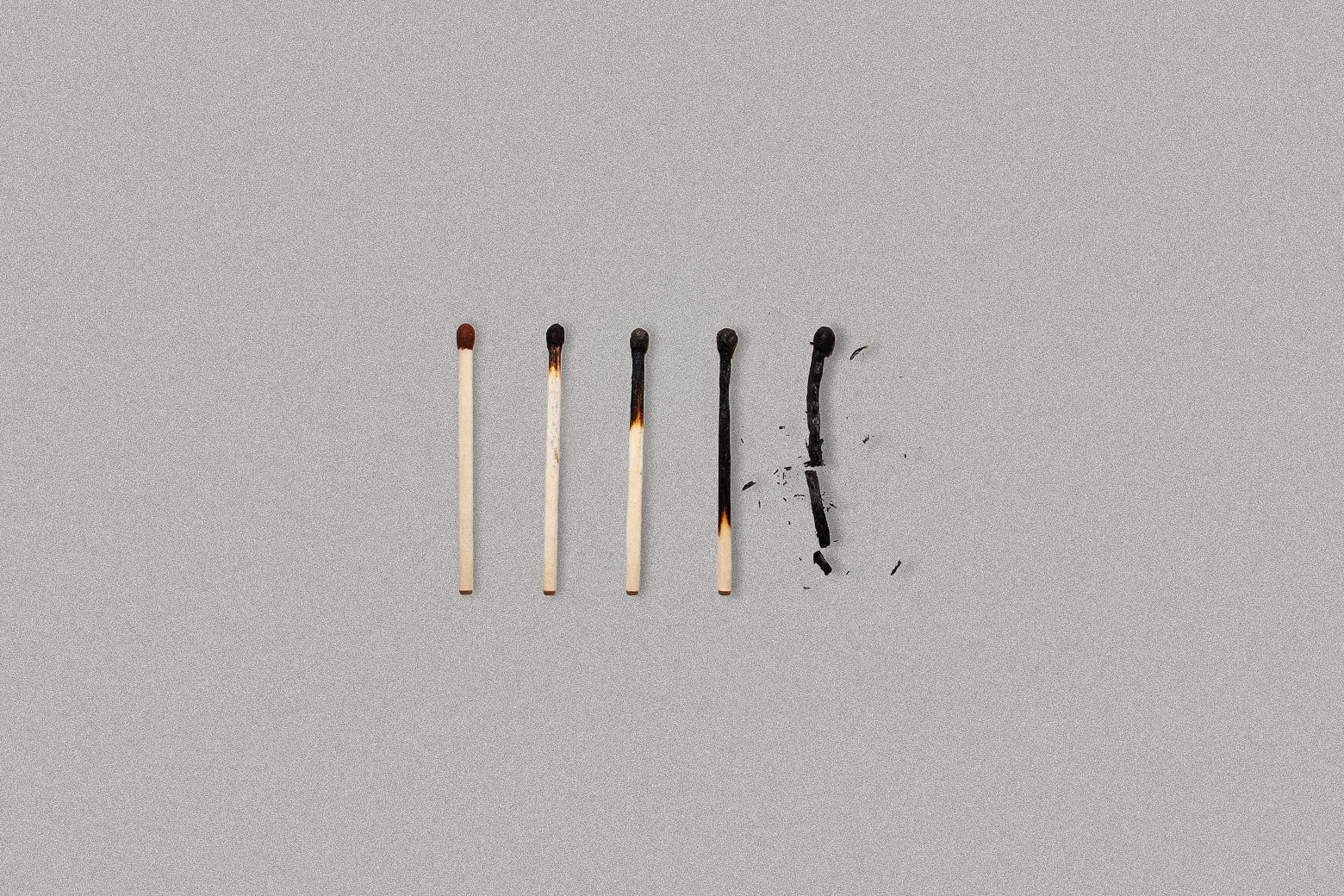
I did not have a phrase for what I was encountering until finally the pandemic introduced it out into my lexicon: ethical harm. Right before I went into this subject, no one informed me that the helplessness that will come with doing work in psychological well being is truly regular ethical injury.
The phrase itself originated in the context of the armed service and war in buy to capture an experience of veterans that is distinct from PTSD. At its most fundamental definition, ethical injury occurs when people are uncovered to demanding circumstances and possibly perpetuate, are unsuccessful to reduce, or witness activities that contradict their have values and ethical beliefs. The personal injury element is the distress we sense afterward in any or all regions of our life—psychologically, behaviorally, socially, and spiritually.
In the army, triggering situations incorporate situations when officers have to make decisions that have an effect on the survival of others, or other individuals in which a person failed to complete a duty throughout a traumatic celebration. Throughout the early pandemic, we discussed moral injury in health treatment in reference to resource allocation issues like masks or ventilators, or viewing significantly far more than the (now tricky) predicted quantity of suffering and demise. Most not too long ago, we have mentioned it as a most likely end result of the Dobbs ruling for OB-GYNs. However number of researchers have looked at the prevalence of moral injury in health care, in a review evaluating military services veterans deployed to battle following 9/11 and health treatment staff for the duration of the pandemic, the all round prevalence prices of opportunity ethical damage were equivalent.
There was a person big difference, nonetheless: The health care personnel described better charges of moral damage from many others instead than on their own. This implies that they ended up additional probable to concur with statements like “I am troubled by having witnessed others’ immoral acts” than “I am troubled by getting acted in strategies that violated my personal morals and values.” An illustration could possibly be realizing sufferers should have family associates present when they are dying in the healthcare facility, but not getting ready to due to the fact of COVID-connected medical center restrictions. This plan might operate counter to their individual beliefs of how an individual ought to die, but they feel powerless to change it. The distinction concerning others and self may perhaps be relevant to the idea that health care workers get the job done in a broken system, and may well truly feel far more betrayed by others because of it: society, authorities, or healthcare facility leaders, for instance.
As an outpatient psychiatrist, I’m constantly apologizing for something exterior of my handle. If it is not an ADHD medication lack, it’s insurance policies denying other necessary prescriptions. Or a patient currently being unable to come across a therapist. They may change employment (or, even worse, get fired), and the coverage modifications or new fees suggest they just cannot see me anymore. As a end result, they now have to uncover a new psychiatrist in the center of a pandemic and amid a compounded lack of mental well being providers.Chronically unwell to my belly and wounded, I desire them luck.
It is not just outpatient, though. When I was in residency we were being warned that our initially two several years, made up of largely inpatient psychiatry, would be even even worse, and they were proper. We had people who stored coming back to the medical center mainly because we did not have social help to get them to appointments or to help them find the money for their prescription drugs. There were being also the sufferers waiting around days, even weeks, in the crisis home, just to get into the inpatient device, for the reason that we did not have ample beds to assistance all of the men and women who necessary it. I keep in mind currently being explained to by my attendings that I just essential to get to my 3rd 12 months of instruction, wherever I’d be primarily outpatient, to see that persons do get superior. That part is accurate: It’s 1 of the brilliant places of my job and the motive I selected it. But they forgot to convey to us that even if people increase, the procedure doesn’t.
It could help to think about moral personal injury in drugs as the variation among telling an individual “We did all we could” and “We did all we could in a broken system with out all the vital assets.” We are all unwilling reps of the process. I get yelled at or cried to regularly, and as an empath, I take up it all. I know at the core, my patients’ reactions in my visits are not about me, but that does not make it harm any fewer. In some cases apologizing is all I can do, to truly feel like I’m carrying out anything. Or it’s possible it is my way of reminding them that I’m nevertheless a excellent man or woman, attempting to be a superior doctor.
My response, however, is a usual a single. Moral damage often sales opportunities us to blame ourselves and sense responsible, to really feel offended or disgusted, and even ashamed. These unfavorable views about ourselves and many others do not immediately suggest we have psychological wellness results, but we may possibly start out to observe tension reactions like improvements in our sleep, overworking, turning to alcohol to cope, and social isolation. When moral injury by itself is not a psychological wellbeing analysis, it is a chance variable for creating melancholy, PTSD, suicidal ideas, and burnout. As medical professionals, our costs of despair and burnout are presently better than in other very similar groups, and this is just yet another result in compounding it. In truth, in 1 study of health and fitness treatment employees in excess of COVID, bigger ethical injuries scores have been linked to worsened severity of signs or symptoms, such as suicidal ideas.
Over and above the risk to the mental wellness of the particular person wellness care worker, there is a potential for ethical injury to trigger men and women to depart the subject completely. Getting rid of staff members will only strain a method with minimal accessibility to commence with, notably for mental overall health gurus. In simple fact, in accordance to the Wellness Sources and Solutions Administration, by 2030 the demand for psychiatrists will increase by 6 p.c, outpacing the provide and top to a scarcity of nearly 18,000 psychiatrists. This selection doesn’t even get into account the unmet have to have thanks to limitations to getting psychological health and fitness care, or the rise in mental wellness worries around COVID-19 that have compounded the pressure and demand from customers on psychological health and fitness experts. Accessibility is already a problem, but when the existing workforce leaves owing to moral injury, clients remaining with out care are ultimately the types who will undergo.
Naming what I’ve been encountering as moral injuries is practical and is actually a very first move in coping. In these moments, lots of of us—including the bulk of my well being care–worker clients and me—are quick to converse down to ourselves and self-blame. It is vital alternatively that we pause, accept our emotions and struggling, and practice self-compassion. To do this, we will need to find out to switch our adverse thoughts with the methods we talk to somebody else we care about—a mate, loved ones member, or even the more youthful model of ourselves. Our positions are difficult ample with out us adding to them by tearing ourselves down.
At the very same time, one of the couple of answers offered to us as individuals is sharing our ordeals with ethical injuries. Drugs is not a area of vulnerability, and as a result, we frequently truly feel by yourself in our experiences and feelings. Real self-care for ethical personal injury consists of creating alternatives with the assistance or advice of other people, when probable, and wanting for support in the conversations that result in distress (or later on). Collectively, in both structured strategies or informally just after troubling gatherings arise, we can system our activities and hear distinctive strategies to consider about or make which means from what we witnessed. We never need to have to experience in silence.
Even creating all of this out has helped me.
Point out of Mind
is a partnership of
Slate
and Arizona State University
that offers a useful appear at our psychological wellness system—and how to make it
superior.
CHICAGO (WLS) — A great deal of folks are hosting Tremendous Bowl view parties Sunday, but there is a person in the suburbs that is encouraging raise money for former Chicago Bears defensive deal with Steve “Mongo” McMichael.
He’s battling ALS, which involves close to-the-clock care.
It is Tremendous Bowl Sunday, and the beers and pizza started out flowing early at the Des Plaines Theatre. So did the goodwill.
A look at party was established up as a fundraiser for previous Chicago Bears defensive deal with Steve McMichael, who is currently battling ALS.
Connected: Bears legend Steve ‘Mongo’ McMichael shares glimpse inside of his ALS battle | The us Robust
“The NFL has been definitely handy but not handy plenty of. It does not include everything. So that is why we’re fundraising these days, to aid deal with that hole,” claimed McMichael’s wife, Misty.
Section of the 1985 Chicago Bears, McMichael exposed his analysis in April 2021. He is now totally paralyzed and has shed his voice as well, but not his will.
“This male is the toughest gentleman I’ve at any time achieved in my everyday living. He’s hanging in there,” Misty said. “He’s actually better now that he is determined in no way go back to the hospital since we have been likely very much every thirty day period for distinct factors.”
Remaining handled at dwelling suggests Mongo, as he is affectionately acknowledged, necessitates 24/7 nursing care. Sunday’s fundraiser included a displaying of the 1985 Super Bowl, to remind people the pleasure McMichael and the full staff furnished to so quite a few.
“I was there. A large amount of us were there and we recall just the joy that the ’85 Bears gave us,” claimed Ron Onesti, with Onesti Entertainment. “These guys weren’t football gamers, they were being entertainers who transpired to participate in soccer.
But amidst the properly-wishes and the raffles, there was also a desire to do much more than just elevate income. Misty’s two picked companions equally misplaced their husbands to ALS above the very last two a long time. They are girls who did not have the fortune of notoriety to aid with their expenditures. Preventing for awareness and a overcome is now their life’s mission.
Similar: Steve ‘Mongo’ McMichael warns of fraudsters hoping to make revenue off his ALS diagnosis
“When my partner was diagnosed, family members, friends, entire strangers dropped off gift cards, food at our dwelling. We would have dropped our home if it wasn’t for the kindness of family close friends and strangers,” claimed Kelly Salzburg, who shed her husband to ALS.
“You just have to aid just about every other. You have to elevate consciousness. We have to take care of each other,” claimed Karen Toole, who also dropped her partner to ALS.
Working concurrently with Sunday’s event in Des Plaines is a next fundraiser in St. Charles. The two are daylong, cost-free to show up at and will run through the huge game itself.