Fentanyl addiction, homelessness haunt this New Mexico town

Fentanyl addiction, homelessness haunt this New Mexico town

The caretaker at the hillside cemetery braced against the cold and walked among the graves. Crosses cast shadows on bunched flowers. A strand of tinsel gleamed from a bare tree. He looked over the rows and shut the gate, his face red, his hands small and coarse.

“I’ve got to come back and pick up the garbage,” the caretaker said. “People leave it.”

He glanced at a visitor, anticipating the question.

“We had a few kids who overdosed,” he said, nodding toward the graves. “But none for a little while.”

He got into his truck and headed west into Española where a familiar scene unfolded.

A man under a blanket lights a pipe.

A man smokes fentanyl in Española, N.M., on March 8.

(Francine Orr / Los Angeles Times)

Shoppers and workers drove past addicts roaming Riverside Drive, the main drag in this town of 10,500. Kids played in trailer parks. Contractors loaded pickups. Cars came and went from a methadone clinic. Men wearing hoodies and expectant gazes drifted toward a house with barred windows. They rustled pockets for cash. Others headed toward the marshes on the city’s fringes, where, as the morning frost lifted, Cristian Madrid-Estrada, a bearded man of 23, sat with a gun holstered on his hip at the Española Pathways Shelter.

“You can’t believe it sometimes,” said Madrid-Estrada, the homeless shelter’s chief executive officer. “I was here last night when my fiancee called and told me someone was trying to break into our house. He was at the windows.”

Madrid-Estrada spends much of his time at the shelter, giving addicts beds and warmth on frigid nights. But like others in this city, he contends with burglaries, robberies and thefts carried out by fentanyl addicts desperate to fuel their next high. The state police and the county sheriff have been called in to help Española’s understaffed Police Department, which reported 224 burglary calls last year, up from from 155 in 2020.

Rallying voices are trying to fix this community under siege. But it’s unclear if the story of Española, where a quarter of the population is poor and the murals of the dead are painted on junction boxes, will be a narrative about how to save a town from addiction — or lose it. In a one-year period ending in June 2022, Rio Arriba County reported 50 fatal overdoses, giving it the highest rate in New Mexico. It was about four times the national rate of approximately 33 per 100,000.

Española is a troubling American tale. Its despair and suffering echo through cities large and small, from the pitched tents and open drug use in Los Angeles to the hamlets and hollows reeling from the opioid epidemic across Appalachia. The crisis is born from a decades-long misguided war on drugs, greed in the pharmaceutical industry, an ill-equipped prison system, failed treatment programs and a nation seemingly inured to the startling toll of addiction.

A man stands amid debris at a homeless camp

Española Pathways Shelter Chief Executive Officer Cristian Madrid-Estrada, 23, walks through a homeless encampment near his facility.

(Francine Orr / Los Angeles Times)

Espanola is located between Santa Fe and Taos, New Mexico on March 9, 2023,

Española sits between Santa Fe and Taos, amid tribal lands straddling the Rio Grande.

(Francine Orr / Los Angeles Times)

Sitting amid tribal lands straddling the Rio Grande, Española appears stranded between better known Santa Fe and Taos. More than a century ago, long before cartels trafficking fentanyl with nicknames like China White and Dance Fever crisscrossed New Mexico on Interstate 40 and Interstate 25, ranchers and farmers here loaded their wares on trains bound north and south in what was known as the Chili Line. That route ended decades ago; other small businesses and industries disappeared as well.

Drug addiction seeped into the Española Valley after the Vietnam War as heroin, cocaine and other drugs flowed in from Mexico. Heroin settled in hard for years, tearing through families, ravaging livelihoods and scattering lean-tos and broken men beneath bridges. But over the last two years, the market has been taken over by fentanyl, which is cut with other substances and at times is so potent that it can take at least two doses of Narcan to revive an overdose victim.

“I’ve had knives pointed at me. Pipes swung at me,” said Madrid-Estrada. “It’s insane how much has changed in the last year. It’s scary. We have generational drug use. Generational trauma. Half the kids I went to school with didn’t have parents. They were dead or in jail or gone.” But fentanyl, he added, “is a completely different animal. A whole new epidemic no one was prepared for.”

The town — which has drawn addicts and the homeless from other states — has too few detox and drug treatment centers. Grandparents are raising grandchildren, and a “baby box” has been built at the fire station to take in unwanted infants. Shoplifters haunt the aisles at Lowe’s and Walmart. Syringes for heroin that once littered sidewalks and riverbanks have often been replaced by glints of tin foil used for smoking fentanyl.

A person sits on the median of the roadway next to a suitcase

A person sits on a roadway median in Española with a sign asking for help.

(Francine Orr / Los Angeles Times)

“We don’t even really see heroin overdoses in New Mexico anymore,” said Miranda Lopez, the state’s public health analyst for the national Overdose Response Strategy. “Fentanyl has changed things in ways that are unimaginable. It’s evolving with so many novel substances coming into play. You’re constantly having to reevaluate.”

Chris Dewitt, a resident at Española Pathways Village, a converted motel the shelter has turned into transitional housing for recovering addicts, spoke of the disarray that had gripped him for years and led from heroin to meth to fentanyl: “I tried fentanyl. It made me sick. It hit different. Much stronger. I tried it again. I wanted to embrace the darkness,” he said.

“I was the monster. It took me a while to see myself as worth saving.”

Much of the addiction stems from family problems, including domestic violence and abuse, said Nicko Zamora, who used drugs for more than 40 years and now works to help addicts recover. “A lot of us got sick on our secrets,” he said. “Drugs were the Band-Aid. It goes with our heritage in a weird, crazy way. We’ve seen it happen to Great-Grandpa, Grandpa, Dad and all the uncles. Drug use became normal.”

Madrid-Estrada and Pathways co-founders Ralph Martinez and former state Rep. Roger Montoya are working to change things. Martinez and Montoya helped get a $1.8-million grant for the property that houses the shelter, a Goodwill, a wellness center and a food pantry. John Ramon Vigil, at 27 the youngest mayor in New Mexico, is proposing the state open a regional drug treatment center. And Jeramay Martinez, who sued OxyContin manufacturer Purdue Pharma, is raising the 4-year-old son of a fentanyl addict and plans to start an agency to help addicted mothers and children exposed to drugs in the womb.

 A man sits in an overturned shopping cart in a dry marsh amid little

Dylan Lujan, 34, rests in a dry marsh next to Española Pathways Shelter.

(Francine Orr / Los Angeles Times)

Madrid-Estrada often wonders, though, about the town’s fate. He estimates there are between 250 and 350 homeless people in the Española Valley, some wandering past scrap yards and cannabis shops, not far from the ancient cave dwellings of Native American spirit lands, emerging from the cold darkness and into the shelter’s dim porch light.

On a February night, with the temperature slipping below freezing, a row of men and women huddled beneath blankets like an army dispersed. They waited to check in at the shelter, where they would receive a bowl of chili, a shower and a bunk bed. They could watch “Blazing Saddles” or “The Karate Kid” or play Battleship or put together 1,000-piece jigsaw puzzles. In a common room, Roberta Walker, a 47-year-old mother of seven, wept, yelled and calmed, as if a sudden storm had swept through her.

“I did crack for six years, meth for two and then to opioids and now fentanyl. I’m actively using because that’s what I want to do,” she said. “I don’t know who I am sometimes. I’ve never been Black enough, Latina enough or white enough. I’m mixed. But I’ve got to find me. Who am I? I’m always fighting that anger. I’m a Christian. I’m an addict.”

Ralph Martinez was once a man under a bridge, sleeping on the dirt, shooting heroin into a neck vein, listening to men with liquor bottles murmuring around barrel fires in the night.

Ralph Martinez once lived under a bridge.

Ralph Martinez once lived under a bridge and had a heroin habit. “The deeper I got, the deeper I went,” said Martinez, 45, who now works as a government affairs specialist at Los Alamos National Laboratory.

(Francine Orr / Los Angeles Times)

He sat the other day in a hamburger joint on Riverside Drive, sipping a soda and planning events to raise money. His tattoos were the same — stars, a heart and daughters’ names scrolling up arms — but he was far from the man he was when he stole an Xbox from kids and jacked circular saws from Lowe’s to sell for drug money.

“The deeper I got, the deeper I went,” said Martinez, 45, who was homeless from 2006 to 2012, had five felony convictions and went through six rehabs before he got clean. “I lived under a hoodie and went months without changing underwear. I held people in my arms who OD’d and died. But fentanyl has made things different. The homeless population today is thicker, and no one cares about being seen in town. Before, you’d hide in the shadows of the night, take the back pathways. People had pride.”

He now works as a government affairs specialist at Los Alamos National Laboratory. He sits on community boards and drives around Española, trying to fix the blight, like the abandoned shopping carts left outside a boarded-up low-income apartment building. He said the city, which has a $12-million budget and not enough money coming in from a state that is one of the poorest in the country, needs to reduce the homeless and addicted populations by working more closely with churches and institutions like Pathways.

“The message our leaders want to put out to their constituents is that they have it under control,” he said. “They certainly don’t have it under control.”

Two men talk outdoors

Ralph Martinez, left, talks with Dante on March 9. Martinez, a formerly unhoused man who sits on community boards, drives around Española as he seeks solutions to blight.

(Francine Orr / Los Angeles Times)

He told a story about why homelessness appears intractable: The city manager asked for Martinez’s help in cleaning up an encampment behind an ice cream shop. Another enclave had been bulldozed and the city wanted to try a different approach. Martinez had attended elementary school with the “leader of the pack” at the encampment. The two met and worked out a system for trash collection and syringe retrieval. But the plan collapsed when the property owner — who had not stepped up earlier — demanded the city remove the encampment.

“The homeless are not going to just disappear,” said Martinez. “Where are they going to go?”

He drove over the bridge where he once lived. Parts of him, his past, the things he’d rather forget but doesn’t dare, appear like whispers, reminders. A young couple with tattered backpacks walked along the road, picking up half-smoked cigarettes in what homeless addicts call Easter egg hunts. The couple pressed on through the afternoon traffic as the sun shone on the snow of the distant Sangre de Cristo Mountains and winds blew across pueblo lands.

“You can’t go back in time and clean the generations that have already suffered,” he said. “But you can go in today and break that curse and stop it from infecting other generations. We have to figure out why addiction is prevalent here. If you don’t want any weeds in the ground, you have to pull them out by the roots.”

Mayor Vigil walked through Española’s historic downtown, a stretch of small businesses, abandoned buildings and murals of the Virgin Mary, low-rider cars and men planting fields. Vigil’s ancestors arrived in this valley 12 generations ago, and in 1939 his grandfather bought 2 acres and turned an old dance hall into a funeral business.

A man stands beneath a blue sky near a beige building

Española Mayor John Ramon Vigil, 27, is the youngest mayor in New Mexico.

(Francine Orr / Los Angeles Times)

“This street’s seen better days,” said Vigil, the third member of his family to be mayor. “There was once so much life here. I’m hoping for a revival. We have a rich culture. We are the access point to the north. It’s always been a hub. Santa Fe is too Disney-fied. We’re a blue-collar real McCoy.”

Dressed in a blue blazer and jeans, a trimmed mustache on his young face, Vigil strolled toward Riverside Drive. He went to college and came back to Española when a lot of his contemporaries moved away. He pointed to paintings in Plaza de Española that depicted a legacy of Spanish explorers who arrived here in 1598 with nine Franciscan priests, which led to immigration, churches and a pueblo revolt.

The surge in fentanyl addiction and homelessness is testing his town, whose economy is largely reliant on those commuting about 17 miles away to jobs at the Los Alamos lab. Farming work shrunk over the years — loosening family bonds to the land and leaving a questioned sense of identity — and most other jobs are in retail and government.

Murders are not common in Española, but last year three of the city’s five homicides, including one on tribal land, were drug-related. Neighborhoods are turning ragged. Businesses complain about vagrancy and theft. An addict recently stabbed a store security guard. From 2021 to last year, shoplifting calls increased 21{35112b74ca1a6bc4decb6697edde3f9edcc1b44915f2ccb9995df8df6b4364bc} from 693 to 837. In the same period, disorderly conduct calls jumped from 170 to 325.

The city’s new police chief, Mizel A. Garcia, was previously in charge of undercover units in Albuquerque, where he worked with the U.S. Drug Enforcement Administration. But his Española department has only 26 of the 40 officers he says he needs. Its pay of $25 an hour for new officers can’t compete with higher wages in larger cities.

Three men sit outdoors sharing a blanket

From left, Nicolas Martinez, 30, Christopher Martinez, 32, and Cassy Montoya, 31, wait to get inside Española Pathways Shelter for the night.

(Francine Orr / Los Angeles Times)

“Every city in the country is experiencing a fentanyl and homeless problem,” said Vigil. “But we’re a smaller town. We don’t have the resources that other communities do. Our budget’s extremely limited. We have a hard time just providing basic services.”

The problem is compounded by the overlapping jurisdictions — and competing interests — within the city. Española has parts of two tribes and two counties within its borders. “There’s a disconnect,” he said. “It’s hard getting everyone on the same page.” An example, he noted, is the difficulty of removing homeless people from tribal land in the city. Such a task would fall to tribal authorities, but they need assistance from the city to deal with nontribal people.

Vigil said another pressing concern is convincing the state to invest in a large drug treatment center for northern New Mexico. The city is expected to receive about $900,000 from statewide opioid settlements with a number of pharmacies, including CVS and Walmart. The mayor said the money will go to rehab programs and the Police Department. Local authorities, meanwhile, are putting together a team of firefighters, police officers, social and treatment workers and others to counsel and aid drug users to prevent overdoses.

“We’re trying to be proactive so we can lower our number of calls,” said Assistant Fire Chief John Wickersham. “We go to the same people for overdoses over and over. We’ve set up a QR code so they can find resources.”

A woman pours fluid into a fire inside a large barrel as a man sits next to her

Jimmy Walker sits as Rachel Salazar tends to an illegal barrel fire, which prompted a visit by the Fire Department.

(Francine Orr / Los Angeles Times)

But ingrained ways are stubborn to change. The mayor, like many people here, spoke of the close family ties that enable users and prevent them from entering rehab. He said he’ll hear people say: “Not my son. I’m going to get him through it. I’m going to pray the addiction goes away.” He added, “Honestly, we have to be realistic. They need treatment services to get off their drugs.”

Family, faith and weathered crosses marking roadside fatalities are potent on these lands. When asked why he ran for office, Vigil said, “Since I was 6 or 7 years old I wanted to be mayor. … I prayed to God and I said, ‘God if this is what you want for me, please open the door and show me the way.’”

Jeramay Martinez drives the streets searching for the mother of the 4-year-old boy she is raising. His name is Domonic. His mother was addicted to heroin and other opioids. His father died of a blood infection from intravenous drug use. Martinez knows where to look, but it’s hard to find a nomad who meanders roadsides and through abandoned buildings.

“I want Domonic’s mom to get it together,” said Martinez, who is the boy’s legal guardian. “I want her to be part of his life. But I can’t let her sleep in my house. You never know. She goes MIA. I see her on the road and pull over. The last time it was snowing. I gave her the jacket I had on.”

A woman sits in a backseat as another woman drives

Jeramay Martinez drives her cousin Britney Valdez, left, and her dog, Jacks. Valdez is a fentanyl addict who was in court earlier in the day.

(Francine Orr / Los Angeles Times)

A woman holds a child while standing on a dirt path

Jeramay Martinez, 33, holds Domonic, the 4-year-old boy she is raising. His mother was addicted to opioids and his father died of an infection from intravenous drug use.

(Francine Orr / Los Angeles Times)

She paused and glimpsed the sky.

“I hate to answer the phone anymore,” she said. “It might be the call that she’s passed.”

She turned from the window and sipped her coffee. Martinez is 33. She wears fanned earrings, ripped jeans and boots. She moves with swift grace, and her eyes hold the fierceness of a woman who doesn’t abide small talk. She opened a file of court papers. She was a plaintiff in a suit on behalf of children born to opioid-addicted mothers against Purdue Pharma before the company filed for bankruptcy protection.

“We’re losing our families and our friends,” she said. “No one is listening. We have to talk about drugs, social issues, domestic violence. People I went to high school with have done oxy, heroin and fentanyl. They look 60. No teeth. Bodies deteriorating.”

Many families here keep an invisible map of addiction — lines leading to death, sometimes with sudden tragedy, other times with sad familiarity.

Martinez’s mother’s boyfriend was a heavy drinker. He was arrested for DUI, she said, and was going through withdrawal in jail when he got hooked on heroin. Two weeks after he finished serving his sentence, he OD’d in her mother’s house. Another line traces to Domonic’s grandmother, who couldn’t take him in because she already was caring for three of his father’s orphaned children. Two more lines lead to Martinez’s stepmother, who was prescribed OxyContin after a car accident and is now on fentanyl, and to her cousin, an addict who recently bore her second baby.

Two men stand in a litter-strewn area outdoors

Nicko Zamora, left, a behavior health coach, and Española Pathways Shelter CEO Cristian Madrid-Estrada visit a homeless campsite.

(Francine Orr / Los Angeles Times)

Troubled histories twist and turn in her telling. Domonic was exposed to drugs in utero and was diagnosed with neonatal abstinence syndrome. A report from New Mexico’s Children, Youth and Families Department shortly after his birth reads: “Son born positive for heroin. … will be discharged today; mom admitted to using heroin throughout pregnancy & was high when [she] went to hospital.”

Domonic has had massage, physical and speech therapy. He’s in preschool and doing well, but sometimes he gets agitated and hyperactive at night. “He has meltdowns.” Martinez reached for her phone. She scrolled the cracked screen and pulled up the website for Brigid’s Path, an organization in Kettering, Ohio, that helps drug-addicted mothers and their newborn babies.

“I want to do this here. We need more support groups,” she said. “I’m getting a license to become a certified foster parent. I’m working with caseworkers. I want to start a nonprofit. We have to take away the stigma from these moms. We can’t make them feel less.”

Cristian Madrid-Estrada walked out of the Pathways Shelter and through the parking lot. A casino run by the Santa Clara Pueblo rose in the short distance to his left. To his right, colors bloomed in the marshes, the tents of homeless people. He guessed there were dozens living amid the muck and reeds. No one wanders too far back there. A tree exploded into fire one night.

Madrid-Estrada was homeless for a spell when he was a child. He was 3 when his father, an addict at the time, kicked him, his mother and 4-year-old brother out of the house. They spent six months at a shelter for battered women: “That time is burned into my mind,” he said. “My mom was so strong, doing everything for us. That inspired me to do this kind of work.”

The Pathways Shelter — an old chiropractor’s office — sleeps about 30 people and last year served about 17,000 meals. Most of those who come are drug users. The shelter’s staff, some of whom are recovering addicts, is accustomed to reviving overdose victims with Narcan. The shelter forbids drug use inside, which means many fentanyl addicts, who need frequent fixes, will stay outside the shelter even in the snow rather than go through a night without using.

“Their behavior is aggressive and erratic,” said Madrid-Estrada. “You just don’t know.”

Horses graze in an open field

Horses graze in an open field in Española.

(Francine Orr / Los Angeles Times)

A man props his bare foot up as another man sits on a bed and another watches

Paul Vigil, who is unhoused, has his blistered feet treated at Española Pathways Shelter by Nicko Zamora as Nate Gay, a shelter manager, looks on.

(Francine Orr / Los Angeles Times)

Pathways follows a holistic approach: It does its own case management on clients and has begun a pilot project to access Medicaid through collaboration with other agencies. “We started with nothing,” he said. “We’re now in sprint mode.” The shelter is also attempting to raise $1.7 million to renovate an old motel into transitional housing for 24 people — a project that is vital to Madrid-Estrada and senior case manager Rob Vigil as a sign a community can heal and thrive if attention is paid.

“It does take a village,” Madrid-Estrada said. “Everyone is just trying to figure out how to handle it all. We’re the only shelter and transitional housing around.” But Española is likely to need a more intensified effort by government agencies, police, social and health services.

At 7:40 p.m. on a winter night, the homeless gathered at the shelter. They were let in one by one, stripping off coats, emptying pockets, giving names and telling stories. “This is my first time here,” said Sebastian, who drifted up from Santa Fe. “I want to be clean and get a job. … Is that chili? Can I get a shower?”

He sat next to a shelf that held a bottle of Hershey’s syrup, a can of Barbasol shaving cream and “The Way of the Cross” by Fulton J. Sheen.

Roberta Walker stepped in. She wore pajama pants, two coats and a knit yachting hat with the tag affixed. She was brash and broken. She’d been on the streets more than two years, since her stepfather died. The first of her seven children was born when she was 16. Walker was raised in foster homes. A boyfriend stabbed her. Her drug habit over the decades — her mother was a heroin addict — veered from Tylenol to crack to meth to fentanyl.

A woman covers herself in blankets

Carol Draper, 58, sits on a porch under layers of blankets as she waits to enter Española Pathways Shelter.

(Francine Orr / Los Angeles Times)

She opened a packet of crackers.

“I was a mom,” she said.

Her eyes filled with tears.

“They said I fell through the cracks,” she said, “but no one helped me when I was falling.”

She wiped her nose.

“I want to be alive,” she said. “I’ve seen so many people die. So many in one year. Fentanyl is like modern crack. If you don’t get the measurements just right, you go down like the volume on the radio.”

More people waited outside, wrapped in blankets, sitting against the wall, smoking, shivering, watching others come and go. One went to try his luck at the casino. A couple huddled near a battered car. A few headed toward the glow of tents in the cold stillness of the marshes.

Drug addiction | ‘We’re coming after you’: NC Senate bill targets fentanyl and drug dealers

Drug addiction | ‘We’re coming after you’: NC Senate bill targets fentanyl and drug dealers

RALEIGH, N.C. (WTVD) — As loved ones photographs shown in front of the podium, Leslie Maynor Locklear wiped absent tears although talking about her sons.

“One existence is one particular as well many, and in 2022 two lives have been my sons,” said Locklear, who is from Pembroke.

The deaths happened inside a span of nine months, when Locklear’s sons – Matthew and Ryan – handed away from fentanyl-similar drug overdoses.

In 2021, extra than 4,000 North Carolinians died of drug overdoses, the highest mark in point out heritage. In accordance to NCDHHS, 77{35112b74ca1a6bc4decb6697edde3f9edcc1b44915f2ccb9995df8df6b4364bc} of individuals fatalities probably associated fentanyl.

“It would not subject who you are, your status, what spouse and children you appear from, your cash flow stage, or where by you live or how significantly you are loved. Habit can consider management of anyone’s daily life. Dependancy is a ailment and it impacts anyone in your spouse and children,” said Locklear.

Senate Monthly bill 189 calls for stricter penalties from dealers, an growth of the Superior Samaritan Regulation in an effort to persuade people today get in touch with 911, and the development of a process pressure to support regulation enforcement in cracking down on the importation, distribution, and producing of fentanyl, heroin, and other very similar managed substances.

“We make it where by an unique who sells these drugs and pushes these drugs in our community would be issue to serious, pretty severe punishment. They can be prosecuted as a B2 felony, which is second-diploma murder. We also make it wherever an individual who distributes these medication – can be punishable underneath a Class C felony,” stated Sen. Danny Britt, a Republican who represents Hoke, Robeson, and Scotland counties, and is a main co-sponsor of the invoice.

“If there’s ever been a bipartisan monthly bill in the condition of North Carolina, this just one is it,” additional Sheriff Charles Blackwood, a Democrat who serves in Orange County and is President of the North Carolina Sheriffs’ Association.

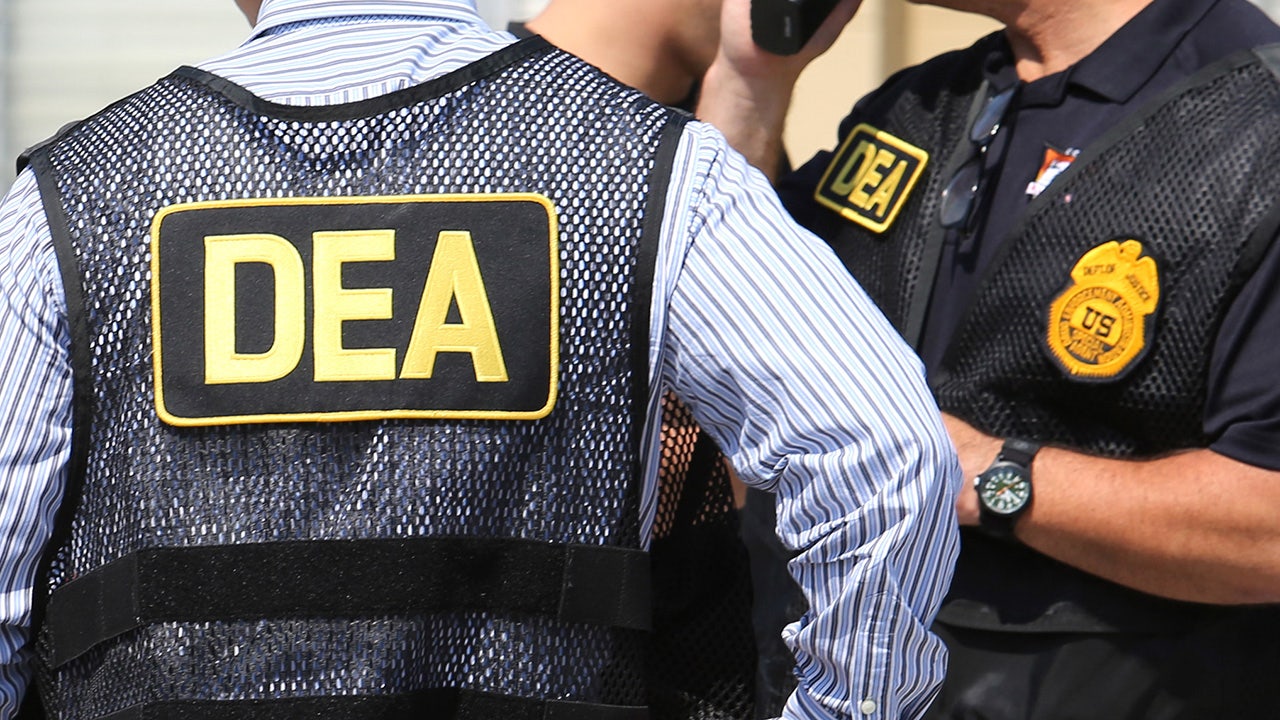
In 2022, the DEA seized much more than 50 million fentanyl-laced products.

“We hold our beloved types in dependancy accountable for their actions, and we need to have stricter penalties for those who prey on our liked kinds during their weakest times,” said Angie Todd, Director of the Onslow County chapter of Families of Addicts.

“It really is a tragedy that fentanyl and opioids what they’ve wholly finished to our local communities to the individuals we so dearly appreciate and to our neighbors,” additional Sen. Michael Lazzara, a Republican who represents Onslow County who is also a key co-sponsor.

Various speakers resolved the worth and relevance of Narcan in preserving life when this laws does not contain funding for the medication, Britt claimed there is an emphasis in continuing to offer independent cash to support local departments in this regard.

“We are likely to place whatsoever we can in the budget to make sure that all the equipment are there so that law enforcement can do what they need to do, so this process pressure that is made in this bill can do what it wants to do to goal individuals people today and permit them know. If you happen to be out there pushing fentanyl in our communities, we’re coming after you, and we’re likely to appear after you collectively,” said Britt.

The monthly bill passed its first examining in the Senate. If it finally gets law, it would go into effect on December 1 of this 12 months.

“I owe it to my boys to combat for them, and to guidance each individual evaluate that I can to stem the flow of unlawful medications, to punish the folks who market them, and to cease just about every human being I can from at any time trying them,” reported Locklear.

DMX’s 10-year-old daughter plans to create a docuseries on drug addiction, as fentanyl overdoses surge in adolescents

DMX’s 10-year-old daughter plans to create a docuseries on drug addiction, as fentanyl overdoses surge in adolescents
Sonovah Hillman Jr. with her father, DMX.

Sonovah Hillman Jr. with her father, DMX. (Courtesy of Sonovah Hillman Sr.)

Sonovah Hillman Jr., the 10-12 months-outdated daughter of hip-hop icon and Grammy-nominated rapper DMX, is working with her voice to distribute recognition about the risks of fentanyl, a strong opioid that is the major contributor to overdoses in the U.S.

In January, Sonovah declared that she options to produce a 4-component documentary series to educate and spread consciousness about fentanyl and drug dependancy. In a YouTube video posted on Jan. 23, Sonovah says she shed her aunt and uncle, as perfectly as her father, to drug addiction.

“Too several folks of all ages are dying from fentanyl, but to the young children and young adults, I just want to get to out and say there’s so substantially extra we can do,” Sonovah informed Yahoo Information. “Drugs close all desires. Let’s keep dreaming and keep living.”

DMX onstage at Barclays Center in Brooklyn.

DMX performs at the Barclays Centre in Brooklyn in 2019. (Theo Wargo/Getty Visuals)

Sonovah’s father died from a drug-overdose-induced heart assault in 2021 at the age of 50. DMX spoke out usually about his struggle with habit. “I will always have a drug difficulty. Just due to the fact you quit getting superior doesn’t signify you really don’t have a problem, for the reason that it’s a frequent battle each and every day,” he said in a 2013 episode of “Iyanla, Resolve My Lifestyle.”

Around the previous three decades, People ages 10 by 19 have found an raise in opioid fatalities. “Fentanyl is now the top induce of loss of life for Americans from age 18 to 49,” Lisa Kugler, senior vice president of the dependancy treatment method locator application at Shatterproof, a nonprofit that seeks to help people today battling with dependancy, instructed Yahoo News.

The CDC’s Point out Accidental Drug Overdose Reporting Method uncovered that typical regular overdose deaths amid adolescents amplified by 109{35112b74ca1a6bc4decb6697edde3f9edcc1b44915f2ccb9995df8df6b4364bc} — and the fatalities that included fentanyl elevated by 182{35112b74ca1a6bc4decb6697edde3f9edcc1b44915f2ccb9995df8df6b4364bc} — from 2019 via 2021.

“It’s a continual ailment, really related to other long-term illnesses like hypertension, bronchial asthma, diabetes, and it is not the person’s fault that they’ve develop into dependent on the substances. It’s not a moral failing,” Kugler explained.

A photo of an open prescription bottle with a label that reads fentanyl, and a smaller vial with pills spilling out of it.

Getty Illustrations or photos

Specialists say the increase of deaths is the purpose education and learning is important, which Sonovah been given when D.A.R.E., a program that teaches students about medicines via choice generating, visited her college in California.

“Our officers go into the classroom, and we teach final decision making utilizing a product as it relates to alcohol, tobacco and cannabis and other drugs,” D.A.R.E. CEO Francisco Pegueros advised Yahoo Information.

But Pegueros explained these lessons may possibly not stick to youngsters by means of just about every degree of their instruction. “There’s no so-referred to as magic alternative, it truly requires to be a complete local community effort,” he said. “There requires to be a in depth compound abuse avoidance system in each and every local community.”

Very last calendar year, Joseph Friedman, an addiction researcher at UCLA, located that higher-university-age teenager overdoses have enhanced nationally, but that teenage drug use costs have essentially gone down.

“Fewer young adults are applying drugs than right before, we in fact observed that for the to start with time,” he stated. “Over the past few decades, overdose deaths among the teenagers are actually heading up pretty quickly.

“This is vital simply because overdose deaths amongst grown ups have actually been heading up calendar year after calendar year for more than 40 yrs,” he additional. “But for most of that time, young people were being really kind of insulated from these increases.”

Sonovah Hillman Jr. with her dad, DMX.

Sonovah with her dad. (Courtesy of Sonovah Hillman Jr.)

Friedman mentioned the research also found that adolescents on the West Coastline were influenced the most by fentanyl-connected overdoses. “We also located that Indigenous American and Latinx teens ended up disproportionately influenced,” he claimed.

Considering the fact that 2020, adolescents have faced an enhance in fentanyl-involved fatalities: Total, the opioid has been determined in over 75{35112b74ca1a6bc4decb6697edde3f9edcc1b44915f2ccb9995df8df6b4364bc} of overdose deaths in adolescents.

In comparison, other prescription drugs lead to fatalities on a significantly smaller sized scale: “13.26{35112b74ca1a6bc4decb6697edde3f9edcc1b44915f2ccb9995df8df6b4364bc} for benzodiazepines, 9.77{35112b74ca1a6bc4decb6697edde3f9edcc1b44915f2ccb9995df8df6b4364bc} for methamphetamine, 7.33{35112b74ca1a6bc4decb6697edde3f9edcc1b44915f2ccb9995df8df6b4364bc} for cocaine, 5.76{35112b74ca1a6bc4decb6697edde3f9edcc1b44915f2ccb9995df8df6b4364bc} for prescription opioids, and 2.27{35112b74ca1a6bc4decb6697edde3f9edcc1b44915f2ccb9995df8df6b4364bc} for heroin,” the 2022 research discovered.

With 150 individuals dying every single working day from fentanyl-similar overdoses, Sonovah plans to use her experience and trauma to force for a resolution.

“I’m all set to have a discussion that some adults aren’t prepared to have,” she said. “My purpose is to educate, unfold consciousness and help you save life.”

She and her mother have established a GoFundMe webpage to raise cash for the production fees of the docuseries, with a aim of $250,000.

“I’m content with all the assist I’ve been finding. It feels really great. We gave ourselves 120 days to get whatsoever funding we can, and we’ll make it perform from there,” Sonovah explained.

Police, addiction services warn horrific new fentanyl mix ‘tranq’ has arrived in Seattle

Police, addiction services warn horrific new fentanyl mix ‘tranq’ has arrived in Seattle

If you ever wondered what could make fentanyl any even worse, here’s your remedy: tranq – now a single of the fastest-spreading medications in The united states – FOX 13’s The Spotlight has verified it’s now turned up in fatal overdoses all around the Seattle location.

Tranq consumers get turned into real-life zombies, suitable down to decline of simple mental function and the rotten flesh. Some of the most chilling accounts of tranq’s affect arrive from these most acquainted with the drug: entrance line mental overall health experts, habit expert services, and the end users them selves. Rochelle Lengthy is a mental overall health specialist embedded with the Marysville Police Office – just this thirty day period she set colleagues and clinics on detect to brace them selves for the total-on arrival of tranq, warning that it hooks buyers with a new and powerful form of higher. “They start out out dancing  and they seem delighted and they’re just having exciting and then straight away zombie like trance, like staring by way of you as if like a horror movie,” Extensive suggests.

What it can do to the human overall body is similarly hard to believe that. Wounds induced by Xylazine kills the pores and skin and fundamental tissue, turning the spot black and challenging. If untreated, it can lead to amputation. Extensive saw it take place to a consumer very first-hand. “He didn’t have a flesh taking in disorder, he didn’t have an abscess, and he isn’t going to know how his finger went lacking,” Prolonged recalled. “He said it was just miraculously absent.”

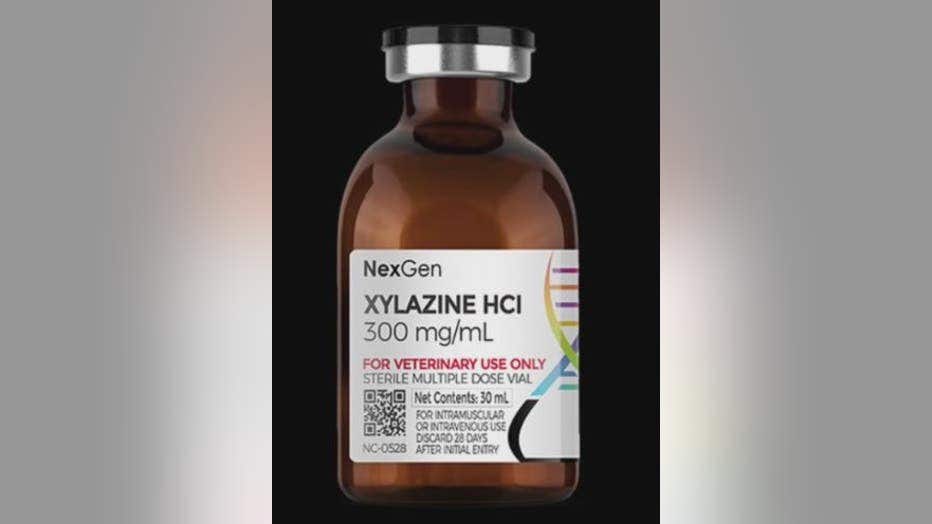
Tranq’s base component is Xylazine, a tranquilizer for substantial animals, received both illicitly via nearby vet suppliers or from abroad sources like China in powder sort to bulk up fentanyl tranq, also identified in some circles as ‘fetti powder’ and ‘tranq dope,’ is what you get when you combine xylazine with fentanyl. The newest details from the Drug Enforcement Agency demonstrates tranq is spreading practically as speedy as fentanyl did, and pursuing considerably of the identical path, “starting with white powder heroin markets in the Northeast, before spreading to the South, and then performing its way into drug markets westward.”

Connected: SPD detectives, Homeland Stability brokers get better hundreds of fentanyl supplements headed to Seattle

In the West area, the DEA reviews forensic lab identifications of xylazine had been up 112{35112b74ca1a6bc4decb6697edde3f9edcc1b44915f2ccb9995df8df6b4364bc} percent in 2021 – the most recent calendar year for which figures are obtainable. The report also suggests “xylazine-good fatal overdoses … expert a major leap from 2020 to 2021” – up 1,127{35112b74ca1a6bc4decb6697edde3f9edcc1b44915f2ccb9995df8df6b4364bc} in the South region, up 750{35112b74ca1a6bc4decb6697edde3f9edcc1b44915f2ccb9995df8df6b4364bc} in the West. The Spotlight has uncovered there have been at the very least 12 xylazine-positive overdoses all around the Puget Seem area, 9 in King County, 3 in Snohomish County, nevertheless businesses we spoke with say they have not analyzed extensively for xylazine in autopsies.

Tranq has presently ravaged numerous metropolitan areas on the East Coast. Sarah Laurel is the founder of the ‘Savage Sisters’ outreach method in Philadelphia – in an job interview with FOX 13, she explained tranq is all over the place now: “It took us about two a long time for it to dominate and consider around our source, whereas in Boston for occasion, it was almost non-existent in July and August, it is now in 70{35112b74ca1a6bc4decb6697edde3f9edcc1b44915f2ccb9995df8df6b4364bc} of their provide.”

Associated: Animal sedative ‘zombie drug’ flooding opioid sector: What you need to know

Sarah says she and her crew are treating tranq addicts every working day, doing their most effective with bandages, compassion, and Narcan. But nacan’s usefulness is minimal: since tranq is a sedative and not an opioid, it resists most opioid overdose remedies. “It’s quite terrifying, largely because we really don’t know a great deal about it and we you should not have a reversal drug,” Laurel states. “We have to get started tests why it is causing these wounds within just people.”

Washington like most states is not commonly testing for xylazine. For the reason that of that, fentanyl buyers are at risk of having hooked on tranq with out even being aware of they’re having it. The absence of recognition is what scares Mike Kersey of Braveness to Change, an dependancy restoration provider in Everett, who says tranq use there is on the rise. “I read about it from a few of addicts,” Kersey explained. “1 of them I received into detox mentioned they experienced been using fetty powder and it was so significantly much better.”

Related: Nearly 107,000 US overdose fatalities described in 2021, CDC’s closing tally reveals

For now it’s a race towards time, with kersey seeking to attain customers and get them enable just before tranq will get to them initially individuals like Nick Mackey, who just done a 28-working day therapy plan.  The Highlight caught up to Nick soon after he graduated and on his way to transitional housing, happy of his achievement but anxious for these who have not taken the initially stage toward sobriety. Nick has in no way tried out tranq, but he is familiar with plenty of about fentanyl to fully grasp that nearly anything that will make it additional impressive, will make it far more lethal. “Fentanyl has taken a good deal of people of men and women, you combine it with that it’s likely to be entirely overpowering,” Nick reported. “I’m anxious about it.”

She failed to save daughter from fentanyl. Year later, she remains stuck in SF

She failed to save daughter from fentanyl. Year later, she remains stuck in SF

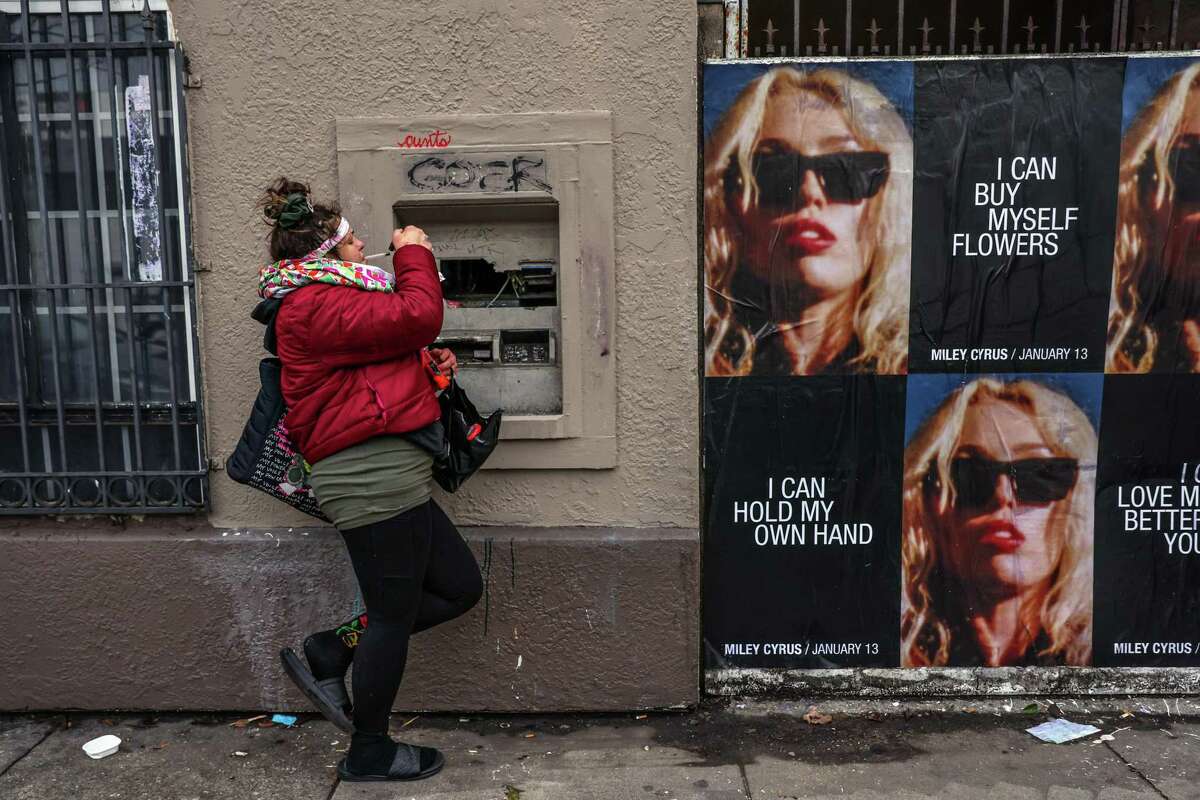
Dealers clustered at Seventh and Mission streets, openly selling drugs. At their feet, people smoked fentanyl off tinfoil while others nodded off. Tents dotted the sidewalks. Piles of food scraps, trash and feces filled the gutter. Pedestrians, including a woman pushing a baby in a stroller, nearly swerved into traffic on Seventh Street to get past.

Laurie Steves, 57, stood amid the commerce and the chaos, waiting.

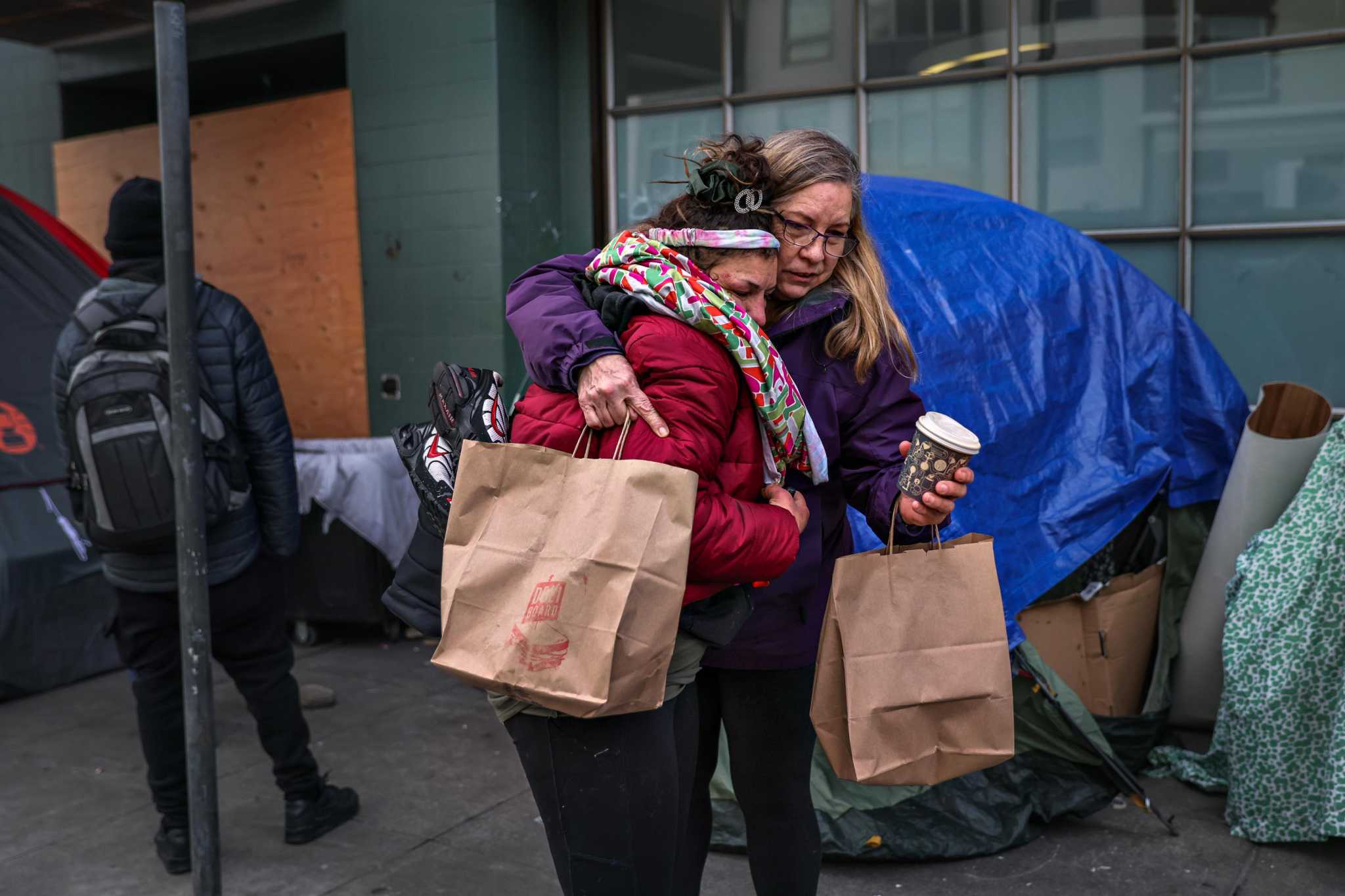
Her daughter, 35-year-old Jessica Didia, whose addiction to opioids has shattered her life, lives at the corner in a large gray Coleman tent placed under the awning of the shuttered Good Hotel. The hotel’s website still brags that its location “brings the best of the city to your doorstep,” but if that was ever the case, it sure isn’t now.

Laurie, a nursing home cook outside Seattle, had flown to San Francisco the day before — Jan. 2 — after learning Jessica had been hospitalized for a disorder that caused recurring seizures, just as
a fierce storm
was barreling down on the city. She wanted to get her daughter inside.

But she knew her mission was a long shot. She needed to go step by step. First, she’d settle for taking her daughter for a walk.

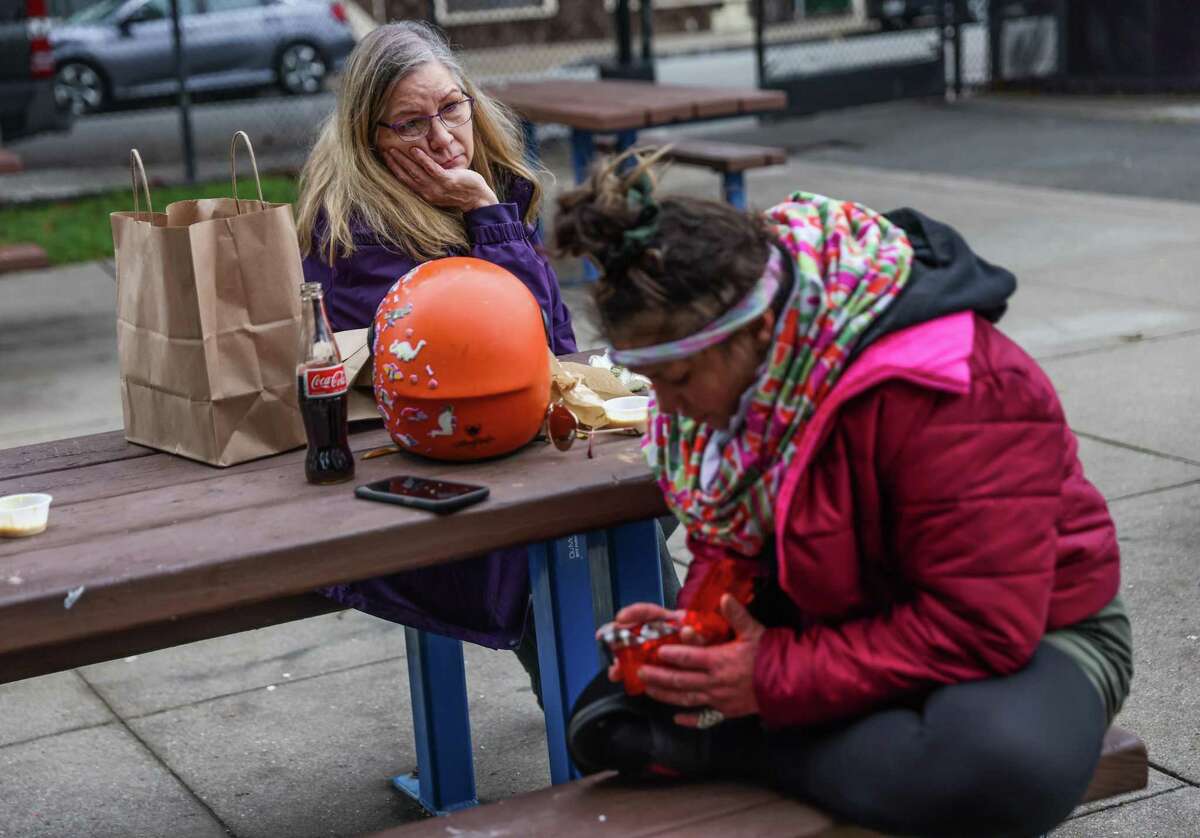
Laurie Steves watches as her daughter Jessica Didia looks through drug paraphernalia in Victoria Manalo Draves Park in the South of Market.

Laurie Steves watches as her daughter Jessica Didia looks through drug paraphernalia in Victoria Manalo Draves Park in the South of Market.

Gabrielle Lurie / The Chronicle

“Come on, Jess!” she kept hollering through the zipped-up tent. Jessica would yell back that she was getting ready. But then she’d shout that she couldn’t find her shoes or her pipe. We kept waiting.

Laurie and Jessica appeared in this column a year ago
as the city’s fentanyl epidemic exploded. The story of a mom’s desperate, failed attempt to rescue her daughter from homelessness and addiction to a drug now ravaging the country resonated with San Franciscans. Readers shared their frustration that the city seemed so ill-equipped to help people like Jessica even as their lives unravel in full view.

Laurie had moved to San Francisco in spring 2021, determined to save her daughter after losing her 25-year-old son, Zachary, to an overdose. But the three-month attempt fell short. Laurie couldn’t make it in wildly expensive San Francisco, and Jessica made it clear she wanted no help. They spent much of their time together arguing, and Laurie left, dejected. A brief visit in November 2021 proved no more fruitful.

Fourteen months later, we connected again, and I found myself entertaining fresh hope that something would change. But nothing has improved — for Laurie, for Jessica and for San Francisco itself.

Jessica’s day-to-day life on the edge — exposed not only in this column but in frequent videos posted to Twitter by business owner Adam Mesnick, who has sought to help her — exemplifies so many of the city’s problems and tensions:
the overdose crisis,

the pull of fentanyl,
the
legal battle over tent encampments,
the plight of a pandemic-battered downtown and city leadership seemingly unable to make headway on any of it.

While Laurie and Jessica’s lives remain stuck, San Francisco over the past 14 months has been volatile. Just after the first column ran, Mayor London Breed announced that “the bullshit that has destroyed our city” was about to end and declared
an emergency in the Tenderloin.
But she failed to quickly and meaningfully improve police staffing in the neighborhood, and the emergency order ended. The streets remain chaotic,
especially at night,
so much so that neighborhood merchants have demanded that
San Francisco pay back their 2022 taxes.

Breed opened the Tenderloin Center in United Nations Plaza, billing it as a place for people like Jessica to access the help they need. She didn’t advertise that it included a makeshift overdose-prevention site where people could smoke fentanyl under supervision on the patio. In early December,
Breed closed the center,
and she hasn’t replaced it with the
real, clinical supervised-consumption site she promised.

The mayor has opened more permanent supportive housing and treatment slots, but the system remains byzantine and hard to access. Outraged voters recalled District Attorney Chesa Boudin in June, partly over what they saw as his disinterest in addressing fentanyl markets, and new District Attorney Brooke Jenkins has had only minimal success jailing dealers.

Sam Quinones on Meth, Fentanyl, and Homelessness

Sam Quinones on Meth, Fentanyl, and Homelessness

Skid Row in Los Angeles.
Photo: David Swanson/Bloomberg via Getty Images

Sam Quinones has covered gangs, crime, and the border for 35 years, including a ten-year stint at the L.A. Times. He established himself as a leading voice on the opioid epidemic with the 2015 book Dreamland, which told the story of how prescription-drug companies and a sophisticated black-tar heroin operation in Mexico wreaked havoc across the U.S. In his follow-up, 2021’s The Least of Us, Quinones focused on the rise of two synthetic drugs: fentanyl, which had become ascendant in the intervening years, and a frighteningly potent form of meth that can quickly inflict tremendous damage on users. The extreme effects of these drugs, Quinones believes, has worsened the homelessness crisis in America. Recently, New York City Mayor Eric Adams unveiled a controversial plan to address that crisis by removing some people from the street involuntarily. I spoke with Quinones about the ravages of meth and fentanyl, how they have exacerbated social problems around the country, and what local and federal governments can do to stem the problem.

In your book The Least of Us and in an Atlantic piece last year, you wrote about the rise of very pure meth, which is produced in a different way than the variety that used to flow into the U.S. The effects have been devastating, but this still seems like a fairly under-the-radar phenomenon. Has it gotten more attention since you wrote about it?
My book highlighted this problem that people were seeing all across the country, and now people are trying to understand why it’s happening. And I think more and more people are coming to the conclusion that the meth coming from Mexico is being produced with much more potency. It used to be that a lot of the chemicals they couldn’t eliminate from the process were acting as diluting agents, and so people weren’t getting 99 percent meth when they bought this stuff, they were getting 50 percent or something like that. And now what you’re finding is that new ways of making meth get it to almost a hundred percent. That’s very difficult for a human brain to accommodate. I think all of this is coming out now because the book shone a light where none existed before, and showed that people are in fact entering into extreme psychosis. And once they stop using the drug, it takes a long time to move beyond it and for the brain to heal — months, perhaps. It’s not a day-to-day thing.

I’ve been hearing this from people who are chemists, people who are in law enforcement. With the attention from the book, you’re finding people who are in a position to do the kind of research that I am not in a position to do. As I said in the book, and as I’ve said pretty much every time I talk about this, I’m not a chemist. I’m not the scientist to understand why this is happening. I’m just the reporter saying this is happening, and it’s happening all across the country.

You’re describing a social fabric problem that’s been exacerbated by the availability of these extremely pure drugs that weren’t around before. That applies to fentanyl, too — heroin was bad enough, and now there’s something much stronger. 
And they’re similar in another way too, and that is that both of these drugs don’t correspond at all to what consumers are demanding. They correspond almost entirely to the interests, the profits, the lower risk of the drug traffickers involved. They don’t need land, they don’t need rainfall, they don’t need sunlight, they don’t need farmers, they don’t have any seasons. They can produce year-round as long as they can get the ingredients. And that’s the key thing. Mexican traffickers have been able to get ingredients from the world chemical markets through two ports in particular, but several ports probably overall, that allow them to make these quantities that are now covering the United States, coast to coast. That’s never happened before.

You write a fair bit about homelessness and how it intersects with drug addiction. You’ve observed that this meth renders people shells of themselves very quickly. Does fentanyl have the same effect? And how do those two drugs, in your view, exacerbate the problem of people living on the streets in places like L.A. and Portland, Oregon?
Both of them are intensely addictive, and both of them do a masterful job of what every drug of abuse has always done, and that is to hijack our instinct for self-preservation. These two drugs come in such enormous quantities and have such staggering potency that they do the job far more masterfully than drugs have done it before. So you have methamphetamine that is driving people to homelessness, and becoming incoherent and irrational and delusional and paranoid.

Fentanyl is highly, highly addictive, and it’s basically ridding our country of heroin. There’s very little heroin on the streets of America anymore, which is an amazing thing to say. Fentanyl has essentially outcompeted it. Both of those drugs, together and alone, make it so that people will literally refuse treatment, will literally refuse housing even when they’re living in tent encampments, even when they’re living in feces, in lethal temperatures, beaten, pimped out, because they do such a masterful job in potency and in supply of keeping, of thwarting that instinct to self-preservation.

Are there any places that have taken a particularly effective or ineffective approach to this problem, in your view — dealing with the humanity of these people whose lives have been shattered while getting them off the streets and somewhere better?
This is such a new problem, and we’ve been consumed with COVID for the last two years. Fentanyl was really mostly in the Midwest, and it was only by 2018, 2019 that it had really spread to both coasts and every place in between. Meth has been marching across the country in these staggering supplies since about 2012 or 2013, I would say, but it’s also a drug that really doesn’t create the headlines fentanyl does.

Because it doesn’t kill people as quickly, right?
It doesn’t kill people. It’s also like the pure raw face of addiction — people out of their minds wandering in the streets, screaming naked like some Allen Ginsberg poem. It’s something that people would prefer not to have to face, I think. It’s easier to send condolences to someone who’s dead than to deal with someone who is out in the streets, out of his mind. And so when it comes to meth, there hadn’t been the recognition as a major source of problems in so many parts of the country until my book came out. We’re all still talking about the opioid epidemic. And with fentanyl, it hasn’t reached national proportions until just before COVID hit, and then COVID took up all the conversation for the last two years.

We are just now trying to figure this all out. You’re seeing San Diego, you’re seeing L.A., you’re seeing New York and different places try to deal with it in one way or another. But it seems to me to have surpassed, in some fundamental way, the ability of any town or county to do much about it. It seems to have graduated to the level of the State Department or a national emergency, where it has to be dealt with via international diplomacy. Seriously, I mean, when you’re talking about the supply as being the major issue here, and I think it absolutely is, you’re standing in the tide and trying to keep the tide from going out. Since all this has developed, Obama, Trump, and now Biden — none of them has really dealt with this issue the way I think, internationally, the way it needs to be.

The scourge of meth and fentanyl is happening at the same time as a movement to legalize softer drugs. Marijuana is legal in 21 states, and Colorado legalized mushrooms last year. There’s long been a small group of people who want to go farther and legalize everything, with the idea that it would be a way of reducing suffering and also dealing a blow to sellers. I believe you’re against that approach of decriminalization of fentanyl and meth. Is that right?
I’m not necessarily against it. I’m saying that it doesn’t seem to make sense in a time of fentanyl and methamphetamine. You’re allowing people to remain on the street selling a drug that they know will hurt somebody and almost certainly kill somebody. To me, that is not a tenable solution long-term. And I think you’re seeing why as people die, because families are like, “Well, why are you allowing this?” They have a stake in this too. Their loved one died.

Does that extend your view of something like safe-injection sites, which New York is experimenting with now? 
I don’t believe we’re in a time where we should say no to any solution. I think we’ve got to try a lot of different things. But keeping people alive by reviving them with naloxone has its own risks. And the risks are that you will, over repeated overdoses, damage your brain, because your brain is getting a deprivation of oxygen each time you go into overdose. You’re seeing this now all across the country — we’ve probably never seen so many people overdose on an opioid in the history of the planet as have overdosed in the United States. And then so many of them are revived. But we’re seeing now that this is not risk-free — that you now have people who are overdosing and developing brain impairment.

I suppose there are ways to run those sites in ways that avoid overdose. But the idea of having a policy that says, “Well, we’re going to provide for you until you are ready for treatment,” flies in the face, I think, of a reality where people are on the street, living in degradation and exploitation of the most rank manner. So to me it’s an idea that maybe we should try, but I think we also need to have some real ideas. I think we need to keep in mind that keeping people on the street is going to be a death sentence. There’s a saying on the street, and I’ve heard it from several people, that there is no such thing as a long-term street-fentanyl user like there was with heroin. There are people who use heroin for 30, 40 years, but with fentanyl, everybody dies. There may be people using it who function in societies to some degree, but eventually everybody dies.

And the other part of fentanyl that I think safe-injection sites need to deal with is the fact that it’s a fantastic anesthetic. I’ve had fentanyl myself — used in surgery, it is a revolutionary drug that has made many surgeries possible that weren’t before. One way it does that is potency, but another way it does that is that it gets you in and out of anesthesia very quickly. That’s the whole benefit of it. Within minutes of having my surgery, where I had a stent put in, I was lucid, talking, “Hello, how you doing?” That was not the case with morphine.

And I would say that the mere fact of its ability to bring you in and out very quickly of its effects is what makes it an absolute torment for users. So people who would inject or use heroin twice or three times a day are now finding that they have to use fentanyl four, five, six times a day. That means you basically have to live near the safe-injection site. Your life has to revolve around it. If you have to use fentanyl four, five, six times a day, you’re never really moving anywhere away from those sites. That’s something like every two, three hours. It’s exactly that component of fentanyl that makes it an enormous boon to drug dealers and traffickers, because now you’ve got people who have to use more often. If they had to use a certain amount of heroin to stay well through the day, to keep the drug sickness away, now you’re seeing them use maybe two, three times as much fentanyl.

That means more sales and a more regular customer for the traffickers. It’s a torment for users. This is about supply creating demand. There’s no heroin addict in America who wanted to be a fentanyl addict. They were transitioned to fentanyl by mixing it into the supply either sloppily or intentionally, and I think a lot of both. And now you’ve got a whole bunch of people nationwide that are using and demanding fentanyl.

New York City mayor Eric Adams recently announced a plan to remove some people from the streets involuntarily. Does that kind of approach strike you as wise?
Well, I suppose the devil’s in the details in all this stuff. If you provide a place where people can’t leave, where they receive significant treatment and a continuum of care that lasts, then I’d say, yeah, this is what needs to happen. If you’re just saying, “We’re going to take you out of the street, put you in a place where you can’t leave, but you’re just going to sit there,” I’m not sure how that’s going to help anybody in the long run, either the city or the person. This debate over involuntary commitment was not really the debate it is now before fentanyl and before methamphetamine. And I believe that’s very natural because these drugs have clearly made it so that people are, without a doubt, incapable so often of caring for themselves. And what’s more, they provide real public-health hazards through tent encampments and just being on the street. There’s more than just that person whose safety is at stake, it frequently seems to me. But it just depends on how you do it. And I suppose that that’s what the city of New York’s going to be dealing with.

Have you seen any promising approaches in terms of cutting out the supply of this stuff? Has anyone come up with any kind of workable idea?
No. I lived in Mexico for ten years, 1994 to 2004. I wrote two books about the country. But at no point in the history of the so-called drug war have we seen the kind of collaborative efforts that must take place, that can take place, between Mexico and the United States nationally. And it seems to me that this has to do with complicated issues of history and goes back a long, long way.

But I do believe that this now requires a collaborative relationship between the two countries, but one that does not tiptoe around the truth, which is that Mexico has a real problem with deep corruption in the criminal-justice system. And we have a problem with guns that are being bought here and smuggled south into Mexico, principally assault weapons. The wars between the Mexican drug-trafficking groups erupted in 2005 one year after we allowed our ban on the sale of assault weapons to lapse. That ban lasted from 1994 to 2004. It’s not that they couldn’t get access to assault weapons, it’s just that the numbers were not what it is now.

So they have their issues with corruption. We have our issues with gun trafficking and gun flow, and both of those are part of what creates the impunity down in Mexico that allows these guys to create huge quantities of methamphetamine and fentanyl that now cover the country. I believe this needs to be handled with far more urgency than it ever has been by any American president up to now, and certainly by the Mexican authorities as well. It needs to be made into the issue that it should be, that it can be. And without that, it’s almost like any city or county is, again going to be out in the middle of the ocean trying to keep back the tide.

This interview has been edited for length and clarity.