Cancer care for pets is hugely costly

Cancer care for pets is hugely costly

Comment

When my happy, energetic 12-year-old mutt had what appeared to be an eye infection, I didn’t think much of it and took him to the veterinarian. A few X-rays later, that watery eye turned out to be the result of a tumor. I was distraught. Blue needed to see a specialist.

A few days later, a veterinary oncologist lifted my spirits when she said there was, indeed, something that could be done. But then, she started talking about money: It would cost thousands of dollars.

I had already spent about $2,000 in three days at the two vet practices. The CT scan Blue needed next would be another $2,500, and radiation therapy after that could cost at least $9,500 more.

This is a problem that many pet owners face: Medical bills for a dog or cat can easily run into the thousands of dollars. But for many of us, these are beloved family members. And some 86 percent have said we would pay whatever it takes if a pet needed extensive veterinary care.

That sentiment is more about love than actual math. It was a cold shock of reality when I added up Blue’s total projected expenses on paper. Getting the best available treatment for his tumor could cost more than $15,000 — and that was if everything went right. I’d already spent a lot. And it was unclear how much time it would buy him.

The oncologist at NorthStar VETS in New Jersey said they make sure pet owners understand up front what they’re getting into financially because many people can’t afford that kind of cost — many don’t have enough money in the bank to cover their own, or their kids, medical care. The call like the one I got is usually the heartbreaking beginning of the end of their pet’s story.

Like human health care, veterinary care is a marketplace of spiraling expense. According to the American Pet Products Association, pet owners in 2021 spent $34.3 billion on veterinary care and products, up from $24 billion in 2010.

And just as with human health care, there are now advanced treatments for pets in a range of vet fields, including dermatology, ophthalmology, orthopedics and, in my dog’s case, oncology.

The founder of NorthStar VETS added radiation oncology to his clinic’s services after his own dog had a brain tumor in 2014. He had to drive from New Jersey to Pennsylvania to find radiation therapy that cured the cancer, so he partnered with a company called PetCure Oncology to open a radiation center on NorthStar’s campus in May 2021.

And that was where my adopted shelter mutt ended up for treatment a year later.

PetCure provides something called stereotactic radiation. This is a gold-standard radiation treatment for humans: In 2015, former president Jimmy Carter had stereotactic radiation for melanoma in his brain; in 2019, Supreme Court Justice Ruth Bader Ginsburg had it for a tumor on her pancreas.

For dogs, stereotactic radiation has been mostly available in veterinary teaching hospitals affiliated with universities and a handful of private practices nationwide. If pet owners live near one of those places and have the financial wherewithal, their beloved animals can receive the same cancer treatment as a former president and a justice.

“It is exactly what humans with cancer get in human oncology centers all the time,” says Ben Chiswick, vice president of operations and growth at PetCure. “It’s much more precise and impactful than other forms of radiation therapy. The more precise that beam of radiation can be going to the tumor, the less that beam is going to touch surrounding, healthy tissue, which is where the side effects come from.”

Stereotactic radiation is done over the course of one to three days, each time with the dog under anesthesia. In Blue’s case, the recommendation was for a three-day regimen with cumulative anesthesia and radiation effects that would leave him briefly disoriented and mostly exhausted, but still a lot better off than with traditional radiation courses that take place daily over several weeks.

I lucked out living near that clinic. After spending $5,000 on vet bills for a previous dog’s leg injury, I also had bought pet insurance when I adopted Blue II. Over the course of his life, the premiums averaged about $700 a year — less than many human health insurance policies cost for a single month. Maybe I’d never I’d use it, but if Blue needed it, it was there.

Why I will never live without a dog again

Now he needed it. When I asked the specialist on the phone whether Blue’s pet insurance policy would reimburse me for this type of radiation therapy, the answer was yes. So I greenlit the CT scan, checked the available credit on my Mastercard to cover the costs until insurance reimbursement arrived and rushed to get him into the radiation machine faster than his tumor was growing.

Over 100,000 veterinarians work in the United States, but a spike in pandemic pets and a huge demand for care have meant long wait times for many pet owners. Veterinary oncology is even less accessible. Only about 1,000 vets have degrees in medical or radiation oncology or surgery. Getting access to one can take four to six weeks nationwide, Chiswick says; every place I called near my home in New Jersey told me the wait would be two to six weeks just for an initial consult.

My regular vet said that wasn’t fast enough. Blue needed us to find a way to do better.

And so, I got up at 3 a.m., drove to NorthStar’s emergency department at a time when it was most likely to be empty and waited several hours while persuading them to admit Blue for a consult. My regular vet had sent his paperwork and X-rays over digitally.

The NorthStar emergency vet told me not to bother waiting; an oncologist might get to Blue that day, or maybe the next day. He would have to sit in the back until, well, whenever they could squeeze him in.Luckily, the medical oncologist was able to assess Blue later that same day.

This dog knows 40 commands and can play cards. A hospital hired him.

Within a week, the CT scan and consult with a radiation oncologist were done, and within two weeks of the initial trip to my regular vet, he began the first treatment. About 48 hours after his treatment was completed, he was back to bounding around the park and chasing squirrels in the backyard. He had no side effects other than temporarily needing drops in his eye, which was dry. There was a lump on his face where the cancer mangled some bone, but he’s on the doggy version of ibuprofen and showed no signs of discomfort.

The little stinker even figured out that begging for treats now works for him every time.

What was the cost at that point?

I bought Blue’s health plan individually, when he was a year old. (An increasing number of clients, according to PetCure, get pet insurance through their jobs, just like human health insurance.) During his 12 years of life, I’ve paid about $9,000 in insurance premiums. The policy paid out more than $10,000 for his initial cancer treatment, in addition to other reimbursements for smaller vet bills over the years. I covered a little more than $4,500 in deductibles and co-pays from my personal savings, because I set up the insurance with a 70 percent reimbursement rate, to keep the annual premiums down.

Of course, if a dog never has an expensive diagnosis, the math goes the other way. My other dog has the same policy. So far with her, I’ve paid more for insurance than I’ve used. And it’s typical insurance — I had to fight for days to get one of Blue’s claims paid in full. Even so, I’m glad I have it. I’ll never have another dog without it again.

“Literally every client we see would benefit from it,” Chiswick says. “It’s the same cost-benefit analysis as in human medicine. You may be throwing money away, or it may save you thousands of dollars.”

According to the North American Pet Health Insurance Association, as of May 2022, Blue was among only 4.41 million insured pets in all of North America. In the United States, it’s mostly dog owners with these policies, but we represent a tiny fraction of the 69 million U.S. households with a dog.

Even so, the association says, the pet insurance marketplace increased 27.7 percent in the past year. Based on my conversations with experts as well as with Blue’s veterinary team, a lot of the people buying these policies are like me: We’ve been hit with a big vet bill in the past.

More important to me was that Blue was still covered if he survived long enough to become eligible for another round of stereotactic radiation. And yes, that was an “if.”

Even with $15,000 spent on his treatment, the projected survival time is only six to 18 months. The doctors warned me that Blue will probably be at the lower end of that range because his type of cancer is the squamous cell variety. It’s an aggressive type that fights back. A second round of stereotactic radiation is only recommended after six months and would probably buy only about half as much time as the first round.

In other words, if Blue made it to mid-October, I would have the option to go through all of this again, to maybe help him live through Christmas.

When Blue was first diagnosed, every friend with pets who I asked for advice said they’d do whatever it took to try to save their pet.

One, whose teenager is battling cancer and spends almost all her time quarantined at home with the family dog, said she’d go into debt to save that dog’s life right now.

Another, whose father recently completed radiation therapy for eye cancer, said he wouldn’t even hesitate to try to save his two mutts.

A cat-owning friend who survived Stage 3 B-cell non-Hodgkin lymphoma said that she, too, would proceed in Blue’s case.

A woman who works at the salon where I get haircuts told me she once spent $15,000 for a dog’s surgery, without pet insurance, and would do so again without question.

As pet parents go, I’m exceedingly common — and part smart, part lucky — to be in a position where I could actually do whatever it took for my dog to get the best available treatment.

Larisa Love, director of clinical communications at PetCure, says her team hears the same thing every day from callers to the helpline they run.

“They say it constantly,” Love told me. “We hear about a husband whose wife just died of cancer, and this was her dog, and he’s going to do everything he can to save this dog. It’s a full-circle family member. Clients who have been through cancer say their dog or cat got them through it, and they say now, they’re going to get their pet through it.”

Sadly, in Blue’s case, his tumor came roaring back in late June. Another $2,000 CT scan (covered by insurance) showed that the cancer would still overtake him even if we did a “radiation boost” and added chemotherapy.

And so as I write this, we don’t have much time left.

He has been comfortable, and on pain meds, and I’m at least comforted that I did everything possible for him. We gained another two to three months of walks in the park, swims in the river and snuggles in bed.

If I had to do it over again, I would do the same thing.

Kim Kavin wrote about Blue in her 2012 book “Little Boy Blue: A Puppy’s Rescue From Death Row and His Owner’s Journey for Truth.”

Texas nurses worry about women’s health care in a post-Roe era

Texas nurses worry about women’s health care in a post-Roe era

No simple responses

“To hear medical professionals who’ve been doing this eternally even take into consideration acquiring to allow anyone get sick blows my mind. It’s not a thing I’ve in my 17-12 months career ever listened to of.”

— Jessica Phillips, previous labor and shipping nurse

The impression on men and women of shade and the job


Master P discusses daughter’s death, seeks to help others with addiction

Master P discusses daughter’s death, seeks to help others with addiction

HOUSTON, TEXAS – NOVEMBER 05: Grasp P performs onstage for the duration of the 3rd yearly Astroworld Pageant at NRG Park on November 05, 2021 in Houston, Texas. (Photograph by Rick Kern/Getty Visuals)

Rapper and entrepreneur Master P is opening up about the dying of his daughter, Tytyana Miller, who died from a drug overdose. 

The 29-12 months-outdated died in May 2022. Learn P declared her demise shortly afterward on social media. 

“Our household is dealing with an mind-boggling grief for the loss of my daughter Tytyana,” the “Bourbons and Lacs” artist reported in an Instagram put up. “Mental sickness & substance abuse is a genuine difficulty that we simply cannot be worried to communicate about. With God, we will get as a result of this.”

In a current job interview with “CBS This Morning” Grasp P— whose title is Percy Robert Miller, Sr.— opened up about the tragedy. 

Connected: Fentanyl risk from $1 monthly bill? Drug basic safety skilled dispels myths about 2nd-hand publicity

“It can be really hard. Coming from poverty, you would assume that you would outlive your young children and that was the mission,” Miller instructed anchor Gayle King. “I sense like, likely to my daughter’s funeral, I went to my own funeral.”

But Miller reported her death will serve as a catalyst for a new mission.

“I said, ‘I’m gonna transform my suffering into passion and I am gonna change it into a reason simply because I can not get my daughter back again.’ I enjoy her and assume about her each day, and it took me and my spouse and children to go by means of anything that I just cannot cease imagining about but I understand that I have to get out in this article and aid and preserve other little ones,” he explained. 

The media mogul states he wishes to husband or wife with medical doctors to increase consciousness about drugs.

He encourages moms and dads to speak overtly about children who are battling with medicines and mental health and fitness.

“Don’t keep this as a solution,” he additional. “This is affecting folks internationally.”

Tytyana is one of Miller’s 6 small children with his estranged spouse, Sonya Miller, commonly identified as Sonya C. She experienced formerly talked over compound abuse difficulties on her family’s fact demonstrate, “Escalating Up Hip Hop,” in accordance to TMZ.

A law enforcement source explained to TMZ that authorities arrived to the Millers’ California home when she was reportedly pronounced dead at the scene.

Far more than 107,000 People in america died of drug overdoses very last 12 months, environment a different tragic record in the nation’s escalating overdose epidemic, the Centers for Disorder Manage and Prevention approximated in Might. 

Linked: Record-breaking 5,000 lbs . of methamphetamine discovered in California seizure

The provisional 2021 complete interprets to about a person U.S. overdose dying just about every 5 minutes. It marked a 15{35112b74ca1a6bc4decb6697edde3f9edcc1b44915f2ccb9995df8df6b4364bc} raise from the former file, set the year right before. The CDC evaluations loss of life certificates and then helps make an estimate to account for delayed and incomplete reporting.

U.S. overdose fatalities have risen most many years for much more than two a long time. The improve began in the 1990s with overdoses involving opioid painkillers, followed by waves of fatalities led by other opioids like heroin and — most not long ago — illicit fentanyl.

Previous 12 months, overdoses involving fentanyl and other artificial opioids surpassed 71,000, up 23{35112b74ca1a6bc4decb6697edde3f9edcc1b44915f2ccb9995df8df6b4364bc} from the calendar year just before. There also was a 23{35112b74ca1a6bc4decb6697edde3f9edcc1b44915f2ccb9995df8df6b4364bc} increase in deaths involving cocaine and a 34{35112b74ca1a6bc4decb6697edde3f9edcc1b44915f2ccb9995df8df6b4364bc} improve in fatalities involving meth and other stimulants.

Professionals say the COVID-19 pandemic has exacerbated the trouble as lockdowns and other limitations isolated individuals with drug addictions and manufactured treatment more durable to get.

Overdose demise trends are geographically uneven. Alaska saw a 75{35112b74ca1a6bc4decb6697edde3f9edcc1b44915f2ccb9995df8df6b4364bc} maximize in 2021 — the largest soar of any condition. In Hawaii, overdose deaths fell by 2{35112b74ca1a6bc4decb6697edde3f9edcc1b44915f2ccb9995df8df6b4364bc}.

FOX News and the Linked Push contributed to this report. This tale was documented from Los Angeles. 
 

Petco rolls out new small-town, rural store format

Petco rolls out new small-town, rural store format

Petco Health and Wellness Co. has released of a new retail store concept aimed at serving the health and fitness and wellness needs of animals and farm animals in compact towns and rural regions.

Named Community Farm & Pet Offer, the pet care centers are made as one particular-prevent outlets presenting wellbeing and wellness options for pets and livestock such as horses, cows, pigs, sheep and goats, among the other animals. The stand-on your own stores serve up a curated assortment of large-quality goods and pet care products and services, with the pet-targeted support that Petco is regarded for, the San Diego-dependent retailer claimed.

Petco famous that the Neighborhood Farm & Pet Offer retailers are strategically and conveniently positioned at the coronary heart of modest-city and rural communities. The 1st Community Farm & Pet Source heart opened very last thirty day period in Floresville, Texas, and is slated to be followed by “a handful” of additional spots in 2022, in accordance to the corporation.

“These are swiftly rising markets where by pet parents are hunting for an experienced, pet-devoted spouse like Petco to assist them treatment for the health and wellness of their animals,” Petco CEO Ron Coughlin reported in a assertion. “This is an enjoyable option for us to provide far more animals by radically expanding regional accessibility to healthful pet products and solutions.”

Fourteen p.c of the U.S. inhabitants life in rural areas, a demographic that is escalating swiftly and represents an estimated $7 billion total addressable industry in modest-town and rural locations, supplying an opportunity to seize significant incremental share of industry and wallet, Petco noted.

The whole suite of choices at Petco Community Farm & Pet Source suppliers will contain higher-excellent nutrition, a curated farm and feed assortment, reside companion animals, mobile vaccination and grooming providers and self-wash stations, together with on the net solutions this kind of as exact-working day shipping and delivery and in-retail outlet/curbside pickup. Petco added that the new-principle retailers also will provide as areas for neighborhood gatherings, with each individual location featuring regional activities and an in-keep group board to push safe, pet-friendly conversation amongst neighbors. The pet facilities, much too, will give adoption expert services and other wellness and wellness packages to more assist community animals.

Total, Petco operates additional than 1,500 pet treatment centers across the United States, Mexico and Puerto Rico.

10 Tips for Budget-Friendly Meal Prepping (That’s Still Healthy)

10 Tips for Budget-Friendly Meal Prepping (That’s Still Healthy)

This story is part of Home Tips, CNET’s collection of practical advice for getting the most out of your home, inside and out.

In an effort to save money and eat healthier, I challenged myself not to eat out for two weeks. (Full disclosure: I lasted eight days cooking all of my meals before I splurged on a burrito bowl at Chipotle.) For those of you looking to increase your at-home cooking but not your spending who are stronger-willed than I am, I’ve got 10 tips for how to plan out your healthy budget meal prepping, before going to the store, at the store and once you’re home.

CNET Home Tips logo

For this challenge, I focused on affordable, nutritious, filling foods. As a college-student on a shoestring budget with limited cooking supplies, I hope these tips will be helpful for anyone looking to save money on balanced, simple home-cooked meals. (You can also check out our stories on whether it’s cheaper to buy groceries online or in the store, and if meal kits are worth the money compared to regular groceries.) 

Read more: Best Cheap Meal Delivery Services

Before going to the store

1. Figure out your nutritional goals 

Everyone is different, so think about what you need to fuel your lifestyle. Are you active? Do you have dietary restrictions? Do you have an allergy that makes getting the right nutrients more difficult? 

For the best bang for your buck, the base of your meal should aim to have all three macronutrients: a carbohydrate, a protein and a fat. To make a fully balanced meal, include fruits and vegetables wherever possible. According to the Center for Disease Control, only one in 10 adults in the US eats enough vegetables and fruits (2-3 cups of veggies and 1.5-2 cups of fruit per day). 

To help you plan, check out our story on what fruits are most affordable right now. 

2. Set a budget

money-cash-dollars-bills

It’s important to set a budget when it comes to grocery shopping and meal prepping.


Angela Lang/CNET

So how do you set a budget for groceries? The US Department of Agriculture recommends that males aged 19 to 50 on a low-cost to moderate budget should spend about $66 to $82 per week, based on dietary intake recommendations. For females in the same age group, that weekly budget is $57-$70. This will also vary depending on the price of groceries where you live, but will help as a general guideline if you’re not sure where to start. 

For all basics such as bread, milk, and butter, etc., I recommend a store like Aldi or Trader Joe’s, which have business models that keep prices lower than many other supermarkets. For example, at Aldi, I recently bought almond milk for $1.45, almost $2 cheaper than the generic Whole Foods brand. So, check out these options if you have one near you for most basic items before heading to another store.

Read more: Best Healthy Meal Delivery Services

3. Find recipes and make a grocery store list 

This seems self-explanatory, but many people end up impulse-buying goods they don’t need. The grocery store is designed so we do! Before you go, look up easy recipes online, open up a cookbook, or plan to double up on recipes you can already make. There are plenty of websites, YouTube channels and TikTok videos dedicated to healthy meal-planning.

If you’re meal prepping, write down the ingredients for each meal, and how much of each are needed. By making a grocery list, you can focus on exactly what you need and stick to it.

If you don’t know where to start, I generally aim to buy:

1 lean meat meat item 

2 non-meat protein items

3 starches, preferably whole grain

  • Brown Rice
  • Pasta
  • Bread
  • Oatmeal

2-3 different servings of fruits (frozen or fresh)

  • Bananas
  • Strawberries
  • Blueberries
  • Pineapple

2-3 different servings of vegetables (frozen or fresh)

  • Carrots
  • Broccoli
  • Green Beans
  • Cauliflower
  • Spinach

1-2 fat sources 

If you need some meal inspiration, here are a few of my go-to recipes and ingredients for different meals:

Breakfast

  • Smoothie (frozen fruit, milk, spinach, Greek yogurt)
  • Oatmeal (and fruit)

Lunch

  • Flatbread wraps (whole grain wrap, chicken, beans, cheese, lettuce, corn, chipotle mayo, avocado) 

Dinner

  • Taco Bowl (rice, beans, meat (optional), red onion, lettuce, fajita vegetables, cilantro, avocado) 
  • Stir Fry (rice, frozen stir fry veggies, meat (optional), soy sauce, peanut butter, honey, red pepper flakes)

Read more: The Best Meal Prep Containers to Buy for 2022

At the store

4. Read the nutrition labels

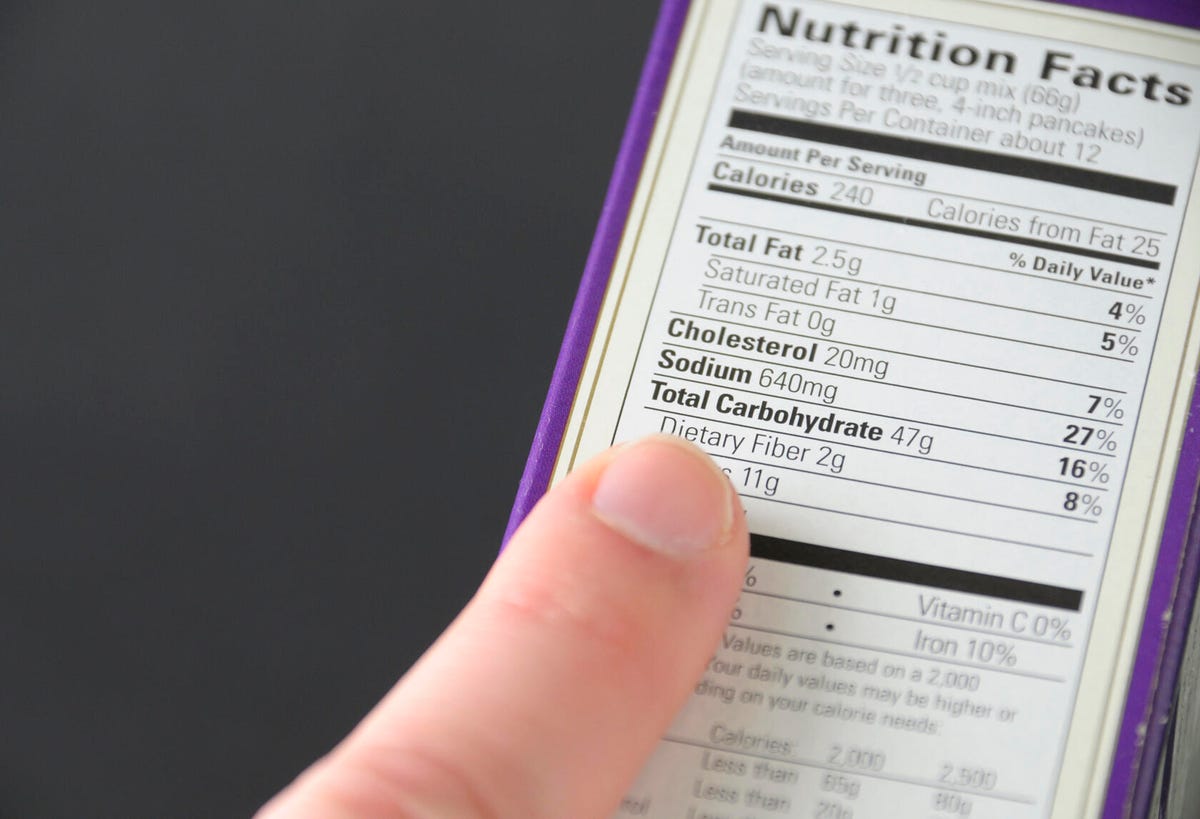
Get down on the bottom row and take the time to read the nutrition label to see if what you’re buying is actually providing the nutrients you’re looking for, whether that’s fiber, vitamins, or protein. Check out our guide on what to look for and avoid on nutrition labels. 

gettyimages-106549656

Check those nutrition labels before buying your food.


Getty Images

5. Do the math 

I know you want to get in and get out of the store as fast as possible, but a couple extra minutes could save you money. Many companies have reduced their food portion sizes while keeping prices the same. Cross-check between brands and different sizes for the best deal by dividing the total price by the total weight. While you have your calculator out, try totaling as you shop. You will start to remember item prices, and you won’t be startled at the register. 

6. Buy store brands

Everyone knows store brands are usually cheaper than premium brands, but the margin is higher than you’d think. Buying store brands wherever you shop can save you as much as 30{35112b74ca1a6bc4decb6697edde3f9edcc1b44915f2ccb9995df8df6b4364bc}, say expert grocery shoppers.

7. Shop grocery store sales in-store and online

Pay attention to the sales at the store. Many grocery stores release a weekly ad that you can scan beforehand. Pick out the items you want to use and try to plan your meals for the week around discounted items. If you know you buy an item often and it’s on sale, stock up on it. (Lots of in-season fruits are less expensive, too.)

Many large stores have apps or websites, so lookout for online-specific discounts and deals. Coupon websites such as Coupons.com have a section entirely for grocery stores. Selecting the items you’d like to buy beforehand also helps you diversify your meals as you incorporate new on-sale items.

8. Prioritize versatility

The key to buying groceries is not to get fancy — you don’t need that pricey truffle oil that you’re only going to use in one recipe ever. Keep it simple with the ingredients you know you’ll use and use a lot. Save the experimenting for when you have more money. Ingredient-prepping is less daunting than meal-prepping, so if you have similar bases while varying the spices and sauces, you’ll be able to stretch a handful of ingredients into different meals.

9. Buy frozen or canned

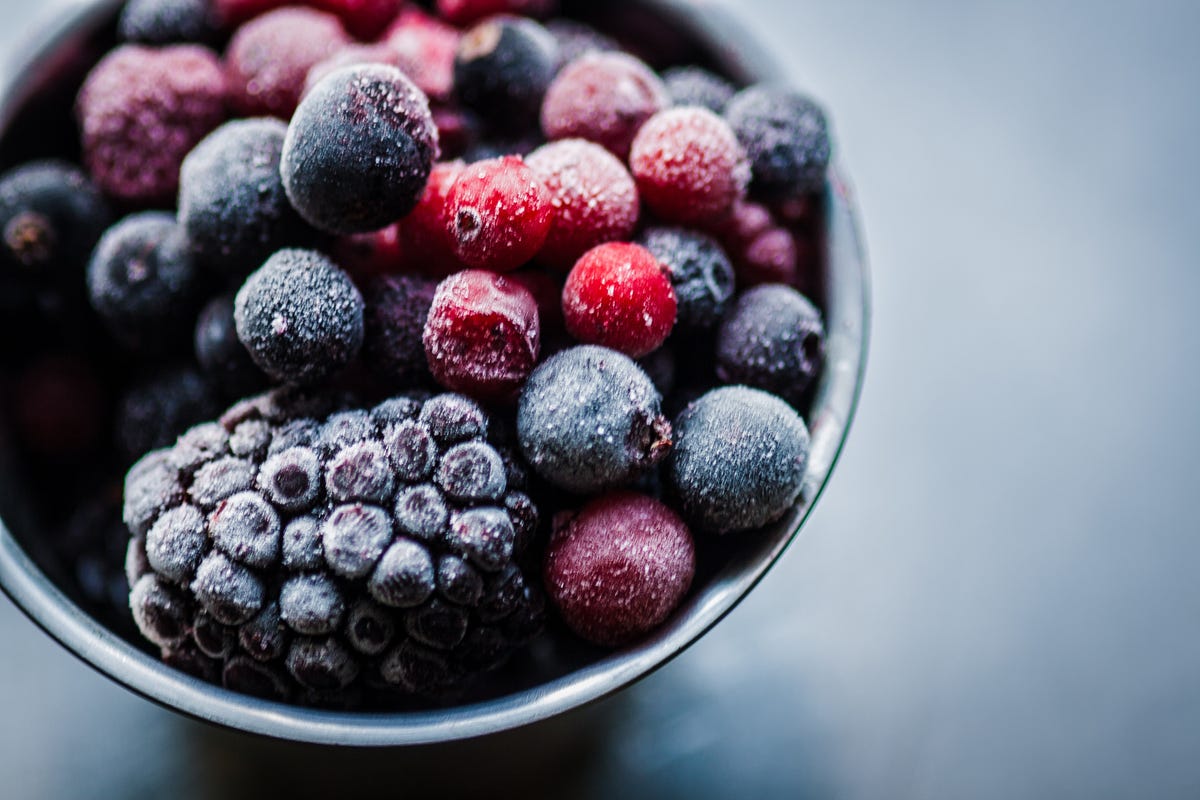
Frozen and canned fruits and vegetables aren’t the enemy. A 2017 study showed that not only are frozen vegetables and fruit nutritionally comparable to fresh ones, but frozen produce may actually retain vitamins more efficiently than fresh produce stored in the fridge for five days or more. Canned items are processed more than frozen produce, but they are both harvested and preserved at peak ripeness. Regardless, eating frozen and canned foods are a great way to add essential vitamins and minerals into your diet easily and affordably.

frozen-fruit

Frozen fruit has the same nutritional value as fresh fruit, if not more.


Getty Images/ Zecchinon/Eyeem

After the Store

10. Make your food last

lg-fridge.png

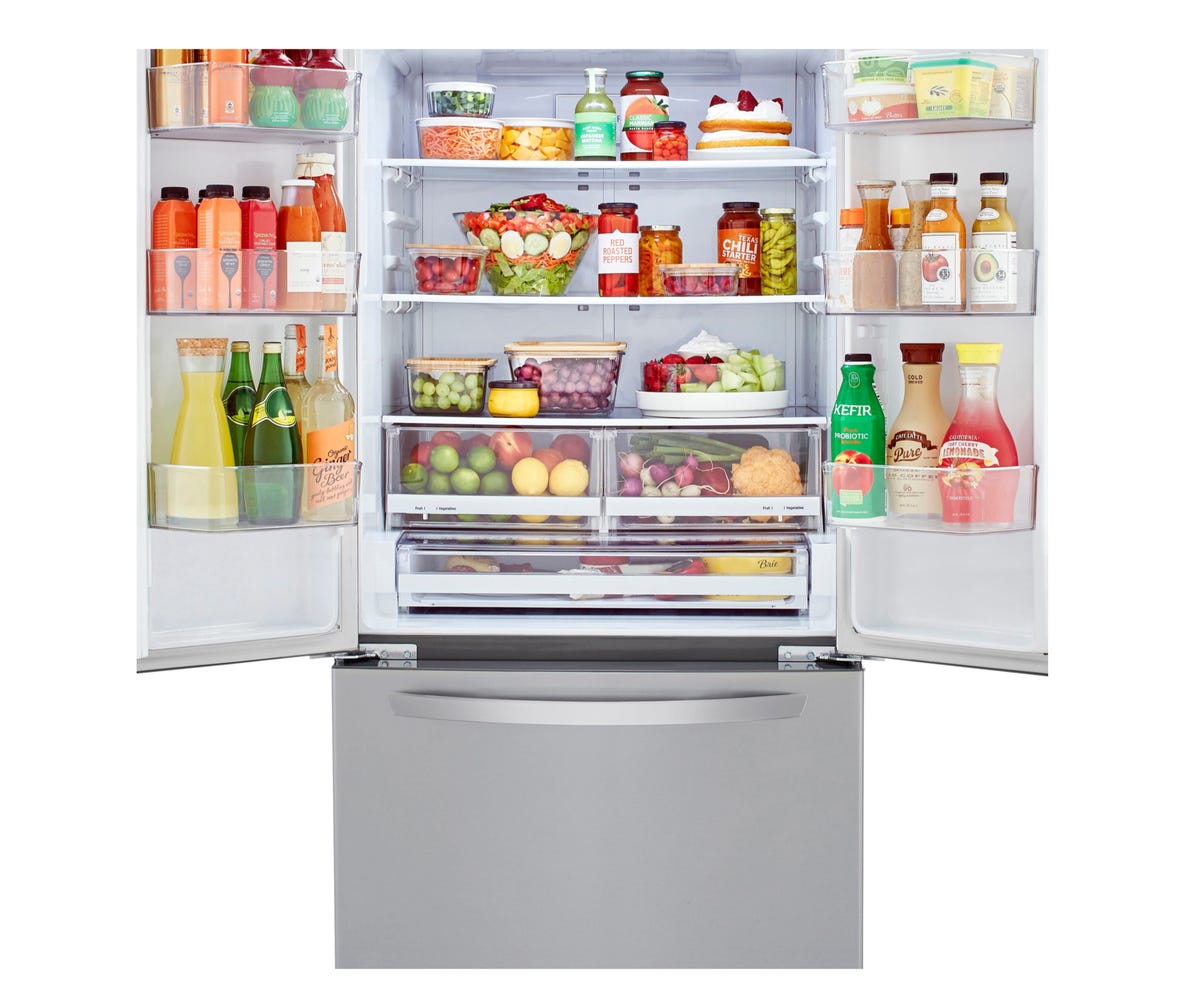
Keep that fridge nice and organized.


LG

The steps you take after grocery shopping are crucial to efficiently using the food you just bought. Take steps to preserve your food in the fridge longer, including your fruits and veggies, and organize your kitchen to save money and stay motivated to eat the good food you just bought. 

Happy meal prepping! For more tips on healthy meal preparation, check out expert picks on the best fish to grill, and the best air fryers.

The information contained in this article is for educational and informational purposes only and is not intended as health or medical advice. Always consult a physician or other qualified health provider regarding any questions you may have about a medical condition or health objectives.

A 7-Day Blue Zones Diet Meal Plan to Help Promote Longevity

A 7-Day Blue Zones Diet Meal Plan to Help Promote Longevity

Eating Blue Zones-style can help you get more plans in your diet and promote longevity.

Image Credit:
Floriana/E+/GettyImages

If your goal is a long and happy life, then you might have to start looking at what you put on your plate. Longevity, or how many years you live, is increasing thanks to modern medicine and a better understanding of how lifestyle factors can influence health.

It’s estimated that anywhere from 20 to 40 percent of your longevity is determined by genetics, according to February 2022 research in the ​International Journal of Molecular Sciences​.

That leaves a lot of room for you to potentially increase your years lived simply by altering your lifestyle choices — and looking to the Blue Zones may be a good place to start.

What’s the Blue Zones Diet?

In 2004, with a collaboration between National Geographic and the National Institute on Aging, an author named Dan Buettner set out to find the secret to living longer.

The team found that there were five distinct places in the world that had the largest number of centenarians, or people who lived to be 100. They also found these locations to have lower numbers of chronic diseases, like heart disease, type 2 diabetes and even dementia.

They named these areas the Blue Zones, and they include:

  • Okinawa, Japan
  • Sardinia, Italy
  • Nicoya, Costa Rica
  • Ikaria, Greece
  • Loma Linda, California

These five locations were then deemed to be the healthiest places to live, so naturally, they sought to find out why.

Anthropologists, epidemiologists and many researchers traveled to the Blue Zones to find out what they had in common and they came up with some common themes between all of these places that might contribute to this longevity phenomenon:

  • Natural movement each day
  • Have purpose in life
  • Find ways to relieve stress
  • Stop eating before you’re full and eat your largest meal in the middle of the day
  • Eat a plant-forward diet
  • Limit your alcohol intake
  • Belong to a faith-based community
  • Value family and keep them close
  • Maintain healthy social circles

For example, the Blue Zone of Loma Linda, CA is largely a Seventh Day Adventist community and they follow a vegetarian diet. They’re also the only Blue Zone that does not drink alcohol at all, per their religion.

It’s clear that it takes more than a nutritious diet to reach the age of 100, but the diet in all the Blue Zones have one commonality: They’re largely plant-based.

Eating more veggies doesn’t guarantee you’ll live longer, but the high amounts of antioxidants, fiber and minimally processed food in plant-based diets are linked to a lower risk of chronic disease.

The Blue Zones diet focuses on plant foods, with most folks eating meat only five times per month (or about once per week), according to September-October 2016 research in the ​American Journal of Lifestyle Medicine​.

The Blue Zones diet can be best described as a flexitarian diet or a Mediterranean diet pattern. It’s a largely plant-focused diet, with moderate amounts of dairy, eggs, fish and whole grains.

Feel free to eat multiple servings of these foods each day:

  • ​Fruits:​ Apples, berries, citrus, melons, pomegranates, stone fruit and avocados are just some examples. Eat several whole fruits each day.
  • ​Vegetables:​ Leafy greens, all squash varieties, fennel, tomatoes, peppers, onions, cucumbers. Make vegetables half of each meal.
  • ​Legumes​: Chickpeas, black beans, pinto beans, white beans, kidney beans, all lentil varieties. Eat one cup of legumes daily.
  • ​Olive oil:​ Replace butter or other oils with olive oil.
  • ​Nuts or nut butters:​ Almonds, pistachios, peanuts, walnuts. Eat one to two handfuls each day. If choosing a nut butter, avoid those with added sugars.
  • ​Herbs, spices, and vinegars:​ Use these as your flavorings and seasonings for daily dishes.
  • ​Coffee and tea:​ These can be enjoyed daily and are a staple in the Blue Zones diet.
  • ​Water:​ Make water your main drink of choice to stay hydrated. Drink depending on your activity level, so more if you’re active.

Foods to Eat in Moderation

You’ll want to eat these foods once a day or a few times a week:

  • ​Grains​: Sourdough or whole-grain bread
  • ​Fish:​ Tuna, salmon, cod, halibut, tilapia
  • ​Whole eggs​ (don’t toss that yolk!)
  • ​Dairy​: Greek yogurt, milk, feta cheese, parmesan cheese
  • ​Wine:​ With the exception of alcohol abstinence for religious reasons, alcohol intake in the Blue Zones is moderate, with the recommendation of one to two glasses per day.

You’ll want to limit these foods to once a week or a few times a month:

  • ​Meat:​ Pork, beef
  • ​Poultry:​ Chicken, turkey
  • ​Sweets:​ Sweets like cakes, pies, cookies and pastries are thought of as celebratory foods. Added sugars should be limited to the American Heart Association’s recommendation of no more than 6 to 9 teaspoons (24 to 36 grams) per day.

There are no hard-and-fast rules on avoiding foods, but generally, foods that are not eaten regularly in Blue Zones include:

  • ​Sugar-sweetened beverages:​ Sodas, sweetened tea, sugary coffee drinks and other drinks with high amounts of added sugar should be avoided whenever possible.
  • ​Ultra-processed foods:​ Frozen pizzas, chips, crackers and processed meats are not a part of the diet in the Blue Zones.

How to Meal Plan for a Blue Zones Diet

A hallmark of the Blue Zones diet is eating minimally processed meals — that means you’re cooking from home more. If this is new for you, then gradually ease into this: You can start by cooking at home one more night a week.

If you’re already cooking at home, here are some tips to help you plan for eating Blue Zones-style:

  • Because the bulk of the diet is made of plant foods, make sure to fill at least half your plate with vegetables of all kinds. It’s also recommended that you eat legumes daily, along with a serving of nuts and multiple servings of fruit.
  • Fill in the rest of your plate with whole grains, fish, eggs or dairy for most days of the week.
  • Eat fruit daily or simply make it your dessert.
  • Stock your pantry with grains (such as quinoa, millet and farro) as well as olive oil, spices and legumes.
  • Keep frozen fruit and vegetables in the freezer when you run out of fresh. Add frozen spinach, corn, or peas to soups, stews or pasta dishes.

Your 7-Day Blue Zones Meal Plan

Try this week-long meal plan to kickstart your Blue Zones diet. You’ve got three meals a day plus snacks to choose from:

Snacks

You can choose two to three snacks daily:

  • Fresh fruit
  • Handful of nuts
  • Greek yogurt
  • Vegetable sticks with hummus or guacamole
  • Roasted chickpeas
  • Nut butter and fruit

Things to Keep in Mind With the Blue Zones Diet

  • ​Don’t aim for perfection:​ You probably won’t be able to mimic the exact diet of those who live in Blue Zones — and that’s OK. Don’t strive to perfect this diet — you’ll still see health benefits by increasing the number of plant foods in your diet.
  • ​Change happens slowly:​ If you’re not currently eating a lot of plant-based meals or cooking at home often, this will be a change for you. Take it slow to keep stress to a minimum and enjoy eating healthier.
  • ​Watch for nutrient deficiencies:​ When switching to a more plant-based diet, it may be possible to miss out on certain nutrients if you’re not careful. Make sure you’re getting enough iron (legumes, eggs, meat), calcium (dairy, fortified foods, tofu), vitamin D (fortified foods, salmon, eggs) and vitamin B12 (meat, eggs, dairy). Be especially mindful of the needs of children and older adults. Talk to your doctor or registered dietitian if you have nutrient concerns when switching up your diet.