We know that beginning a new conditioning routine and finding the commitment to adhere with your New Year’s resolution can be challenging. But having the proper gear and manufacturer new gear may enable you remain on observe and even get you psyched to tackle this new challenge.
If you have to have a tiny inspiration and questioning what you ought to spend in, the 2023 Women’s Wellbeing Exercise Awards are below! This record breaks down the best-of-the-most effective in activewear, physical exercise equipment, recovery resources and much more. To support you get started off, Women’s Overall health Editor-in-Main Liz Plosser stopped by Nowadays with Hoda & Jenna to share some of her favorites throughout types, from a weighted soar rope to a cupping package.
Preserve scrolling to examine out all of the major six winning picks you can integrate into your health program. There’s a little something for every person, from seasoned gymnasium-goers to novices!
Finest health club gear
Bala The Soar Rope
From the brand name regarded for the award-successful weighted Bala Bangles, Plosser says the common bounce rope will get a significant glow up with this choice. Plosser also says this bounce rope is superior to other options mainly because it capabilities a smooth twine that can be adjusted with the thrust of a button and has weighted handles.
Plosser claims this health and fitness tracker is diverse from the rest due to the fact you can find “no screens and no distractions.” According to the model, it collects facts such as your measures, heart rate, blood oxygen and extra. And right after your exercise session, you can examine all of your facts on the Whoop 4 application.
Whoop SuperKnit Bicep Band
According to the model, this bicep band can capture your wellness and health and fitness information whilst retaining your wrist no cost. Plosser likes it simply because it is monitor-no cost and she claims it can be great for these who like to thrust their boundaries. The brand does be aware that this band is only appropriate with the Whoop 4..
Regardless of whether you happen to be an avid hiker or simply just appreciate leisurely strolls, this crossbody bag retains several measurements of h2o bottles and has a entrance pocket to keep your credit score cards, phone and a lot more.
The most trendy sports activities bra winner is the Motion Bra by Carbon38, which delivers medium assist and a racerback style. Coming in 8 various shades, the sports bra has a stylish and shiny cloth so you can confidently rock it solo all through your workouts.
Finest recovery tools
WTHN Entire body Cupping Kit
In accordance to the brand, cupping is a section of conventional Chinese drugs that aids minimize pressure and enhance circulation. And Plosser states it can even assist promote the lymphatic program. Coming with eight silicone cups, she likes this self-cupping kit mainly because you can love these gains appropriate from your residence.
Pickleball has been a massive conditioning craze and Plosser claims she is obsessed. “I’m positive you have been hearing a ton about pickleball, and if you are curious, this is a excellent established to get you and a lover started!” she claims.
This double pack set includes two pickleball paddles of distinct patterns to choose from, two pickleballs and two sweatbands, according to the model.
One woman was told she was being “dramatic” when she pleaded for a brain scan after suffering months of headaches and pounding in her ears. It turned out she had a brain tumor.
Another was ignored as she cried out in pain during a 33-hour labor. She was supposed to be getting pain medication through her epidural, but it had fallen out.
Dozens of women complained of torturous pain as their vaginal walls were punctured during an egg retrieval process. They were told their pain was normal, but, in actuality, they were getting saline instead of anesthesia.
These are just some of the stories of women who say their pain and suffering has been dismissed or misdiagnosed by doctors. Although these are anecdotal reports, a number of studies support the claim that women in pain oftenare not taken as seriously as men.
Story continues below advertisement
Story continues below advertisement
This year, the Journal of the American Heart Association reported that women who visited emergency departments with chest pain waited 29 percent longer than men to be evaluated for possible heart attacks.
An analysis of 981 emergency room visits showed that women with acute abdominal pain were up to 25 percent less likely than their male counterparts to be treated with powerful opioid painkillers.
“I was told I knew too much, that I was working too hard, that I was stressed out, that I was anxious,” said Ilene Ruhoy, a 53-year-old neurologist from Seattle, who had head pain and pounding in her ears.
Despite having a medical degree, Ruhoy said she struggled to get doctors to order a brain scan. By the time she got it in 2015, a tennis ball-sized tumor was pushing her brain to one side. She needed surgery, but first, she rushed home, hugged her 11-year-old daughter and wrote her a letter to tell her goodbye.
Ruhoy did not die on the operating table, but her tumor had grown so large it could not be entirely removed. Now, she has several smaller tumors that require radiation treatment.
She said many of her female patients have had experiences similar to hers. “They’re not validated with regards to their concerns; they’re gaslit; they’re not understood,” she said. “They feel like no one is listening to them.”
Research also suggests that women are more sensitive to pain than men and are more likely to express it, so their pain is often seen as an overreaction rather than a reality, said Roger Fillingim, director of the Pain Research and Intervention Center of Excellence at the University of Florida.
Fillingim, who co-wrote a review article on sex differences in pain, said there are many possible explanations, including hormones, genetics and even social factors such as gender roles.
Regardless, he said, “you treat the pain that the patient has, not the pain that you think the patient should have.”
(Illustration by Vanessa Saba for The Washington Post/Photos: Getty Images)
Women say reproductive health complaints are commonly ignored
When Molly Hill made an appointment at a Connecticut clinic in 2017 to get an IUD, she said she was warned it would be uncomfortable, but she was not prepared for “horrific” pain. Hill, now 27 and living in San Francisco, recalled that during the procedure, she began crying in pain and shouted at the doctor to stop.
“We’re almost done,” she said the doctor told her and continued the procedure.
“It was full-body, electrifying, knife-stabbing pain,” she said. After it was done, she said she lay sobbing on the table in physical and emotional pain. “It felt violating, too, to have that pain that deep in your core where you feel the most vulnerable.”
Would you like to share your own experiences of coping with pain and navigating the medical system? Fill out this form, and we may include you in a collection of reader stories.
My wife of 35 years complained of intense abdominal pain for over 5 years. She was dismissed. My wife returned home from work and begged me to take her to the ER because her pain was unberaable. In the hospital a female physician’s assistant did what multiple doctors had not done: She believed my wife. After a series of tests, she diagnosed Stage 3 ovarian cancer, and 18 months later, my wife died.
Mick, South Carolina, 69
I was told for 15 years that what turned out to be super-ventricular tachycardia was “anxiety attacks.” It finally took a female nurse at the school I worked for to put a blood pressure cuff and blood oxygen reader on me to realize I had a bigger issue.
Angelina, New Jersey, 27
I had a uterine biopsy to rule out cancer. Women are typically not given any kind of anesthesia or pain relief for this procedure. The pain was so intense that I couldn’t keep myself from screaming. I asked my doctor afterward why they don’t administer any sort of anesthesia for that procedure, and the answer was, “We just don’t.”
Jeanna, Georgia, 46
I started to experience strange sensations along my face, extending along the right side of my body. My GP laughed and said, “What do you want me to do, order a total body neurological work up?” At the same time, I complained to my eye doctor I was experiencing double vision and blurriness. I joked it was a brain tumor; they reassured me it was not. Six months later I lost consciousness and had an MRI. It was a brain tumor.
Anne, Maryland, 60
I, too, had extreme pain from an IUD insertion. I passed out on the table and was awakened by a nurse telling me to hurry and get dressed because they needed the room.
Margaret , CA, 70
I was 45 when I consulted a GYN about cramping pain and excessive bleeding. He told me I was being mildly inconvenienced by perimenopause. A year later, when I changed medical insurance, I learned I had endometrial cancer.
Diane, NY, 68
It saddens me that this is still an issue so many years after I experienced it myself. In the early 1960’s, at the age of 29, I developed a gastric ulcer. My doctor refused to believe it was anything more than ”heartburn.“ I lost weight and suffered for an entire year before my doctor reluctantly ordered tests. I am now 89 years old and remember this as one of the worst periods of my life.
Jean, Maryland, 89
I was having an emergency C-section and could feel every cut my doctor made. It was excruciating. I was screaming and my female doctor stopped and instructed the male anesthesiologist to up my pain meds. Instead of addressing me, he turned to my husband and said “All she’s feeling is pressure. And pressure feels like pain to some people.” Luckily my doctor insisted he up the dosage. Her subsequent cuts started feeling less painful.
Lauren, PA, 35
End of carousel
Studies consistently show that women who have not experienced vaginal birth have much higher pain during IUD insertion compared with women who have given birth. A Swedish study found that among 224 women who had not given birth, 89 percent reported moderate or severe pain. One in six of the women said the pain was severe.
Although numbing agents and local anesthetics are available, they are rarely used.
In some cases, women have sued physicians for ignoring their pain. Dozens of women sued Yale University claiming that during an egg harvesting procedure at its infertility clinic, they were supposed to be receiving the powerful painkiller fentanyl. But some women were getting only diluted pain medication or none at all, according to lawsuits filed in the state Superior Court in Connecticut.
Later, the clinic discovered a nurse had been stealing vials of fentanyl and replacing the painkiller with saline solution. The nurse pleaded guilty last year and was sentenced for tampering with the drugs.
One of the plaintiffs, Laura Czar, wrote about her experience for Elle magazine, describing it as “a horrible, gut-wrenching pain,” and told a doctor at the time, “I can feel everything you’re doing.” Despite her protests, the doctor continued.
Yale said in a statement that it “deeply regrets” the women’s distress and has “reviewed its procedures and made changes to further oversight of pain control and controlled substances.”
(Illustration by Vanessa Saba for The Washington Post/Photos: Unsplash, Pexels)
Racial disparities in pain management
For Sharee Turpin, the pain of sickle-cell diseasesometimes feels like tiny knives slicing her open. Sickle cell disease is an inherited blood disorder that can cause suffering so severe, its attacks are called “pain crises.”
But when Turpin, who is Black, experiences a pain crisis, the 34-year-old does not rush to the ER in Rochester, N.Y. Instead, she combs her hair, mists some perfume and slips on her “Sunday best” in hopes that the doctors and nurses won’t peg her as a drug seeker, she said.
Sometimes, Turpin gets a care team that understands her pain. Other times, she is treated as a bother. “I’ve even been told ‘shut up’ by a nurse because I was screaming too loud while I was in pain,” she said.
Story continues below advertisement
Story continues below advertisement
Abundant research shows racial bias in pain treatment. A 2016 study found half of white medical students and residents held at least one false belief about biological differences between Blacks and Whites, and were more likely to underestimate Black patients’ pain.
“The management of pain is one of the largest disparities that we see between Black people and White people in the American health-care system,” said Tina Sacks, an associate professor at the University of California at Berkeley and author of “Invisible Visits: Black Middle-Class Women in the American Healthcare System.”
Labeling women “hysterical” or blaming psychological causes
Research shows men in chronic pain tend to be regarded as “stoic” while women are more likely to be considered “emotional” and “hysterical” and accused of “fabricating the pain.”
Carol Klay, a 68-year-old from Tampa, had endured years of chronic pain from arthritis, degenerative disk disease and spinal stenosis. During a hospital stay last year, her doctor noted in her medical record that she was crying “hysterically.”
Klay said she was crying because she was unable to sit, stand or walk without agony, and the doctor had removed morphine from her cocktail of pain medications. She wonders whether the doctor “would have called me hysterical if I was a man,” she said.
Tampa General Hospital said it could not discuss specific patients, but stated: “Patient treatment plans, including medication orders to reduce pain, are prescribed by multi-disciplinary clinical teams.”
Research shows women’s physical pain is also often attributed to psychological causes.
Story continues below advertisement
Story continues below advertisement
Jan Maderios, a 72-year-old Air Force veteran from Chipley, Fla.,said the trauma of having pain dismissed by doctors has stayed with her for years. She saw about a dozen doctors in the early 1970s for pelvic pain. When clinicians could not identify the cause of her pain, she was referred to a psychiatrist.
“You start to doubt yourself after so many medical experts tell you there’s nothing wrong with you,” she said.
After a hysterectomy in 1976, Maderios learned that fibroid tumors in her uterus had been the source of her pain. She said learning her pain was real — and physical — “made all the difference in the world.”
(Illustration by Vanessa Saba for The Washington Post/Photos: iStock, Unsplash)
Why women’s pain complaints often aren’t taken seriously
During a 33-hour labor with her first child in 2011, Anushay Hossain, 42, of D.C., opted for epidural pain relief but said she stillfelt it all — every contraction, every cramp and every dismissal of her pain by her medical team. The doctor reassured her that she was getting the maximum dosage of pain medication.
In fact, she wasn’t getting any at all. She said her epidural had slipped out. By the time the error was caught, she was shaking uncontrollably and in need of an emergency Caesarean section, she said.
This pain gap may stem, in part, from the fact that women have historically been excluded from medical research. It wasn’t until 2016 that the National Institutes of Health (NIH) required sex to be considered as a biological variable in most studies it funded.
“We’re making progress,” said David Thomas, special adviser to the director of NIH’s Office of Research on Women’s Health. “But we do have a long way to go because there’s this whole institutional approach to doing research — pain and beyond — where it tends to be male-focused.”
Nearly 95 percent of U.S. medical school students said instruction on sex and gender differences in medicine should be included in curriculums, according to a 2015 survey. But only 43 percent said their curriculum had helped them understand those differences and only 34.5 percent said they felt prepared to manage them in a health-care setting.
Story continues below advertisement
Story continues below advertisement
“It is changing, but it’s changing very slowly,” said Janice Werbinski, immediate past president of the American Medical Women’s Association and chair of the mentorship committee of the association’s Sex and Gender Health Collaborative.
How women can advocate for better pain care
It took decades to solve the mystery of Maureen Woods’s chronic pain. Woods, 64, of Myersville, Md., started having joint pain in her teens and, over the years, told dozens of doctors her pain was “debilitating,” she said. Some told her it was all in her head. In 2017, she was diagnosed with hypermobile Ehlers-Danlos syndrome, a connective tissue disorder often causing loose joints, dislocations and chronic pain.
She said women who are not being heard should keep advocating for themselves. “You have to go with your gut — something is wrong and I need to find a doctor who can figure it out,” she said.
Marjorie Jenkins, dean of the University of South Carolina School of Medicine Greenville, urged women against feeling pressured to accept an “everything is normal” non-diagnosis.
Story continues below advertisement
Story continues below advertisement
“If your provider does not appear to be listening to you or believing what you’re saying, then you need a new provider,” Jenkins said. “You are the client, you are the customer and you are the owner of your health.”
Particularly in emergency departments, she said, there can be an inherent bias. “There’s this assumption that women are emotional and they’re anxious and that that’s the main issue,” she said.
[Sign up for the Well+Being newsletter, your source of expert advice and simple tips to help you live well every day]
Published in partnership with the USC Price Center for Social Innovation in support of the Neighborhood Data for Social Change platform (NDSC): The platform is a free, publicly available online data resource that provides reliable, aggregated data at the city, neighborhood and census tract level. The mission of the USC Price Center for Social Innovation is to develop ideas and illuminate strategies to improve the quality of life for people in low-income urban communities.
Beyond genetics, many factors affect our health — some are related to personal behaviors and lifestyle choices, but others are connected to the material and social conditions under which we live.
The Social Determinants of Health (SDOH) were developed as a way to understand those overarching social and economic conditions embedded in our lives that influence our health status.
The SDOH are currently understood to be:
Economic Stability
Health Care and Quality
Neighborhood and Built Environment
Social and Community Context
Education Access and Quality.
Of the factors that influence the SDOH, the association between personal economics and health is one of the most significant.
Health & Wealth
Financial resources directly influence our quality of living conditions, standard of food and caliber of healthcare. | Igor Alecsander/Getty Images
Wealth has cascading effects throughout the lives of individuals and families. In our society, the quality of one’s living conditions, standard of food and the caliber of healthcare are all directly related to financial resources.
A study of over a billion tax records spanning 15 years by the Journal of the American Medical Association found that lower incomes were correlated with higher disease prevalence, severity and lower overall life expectancy.
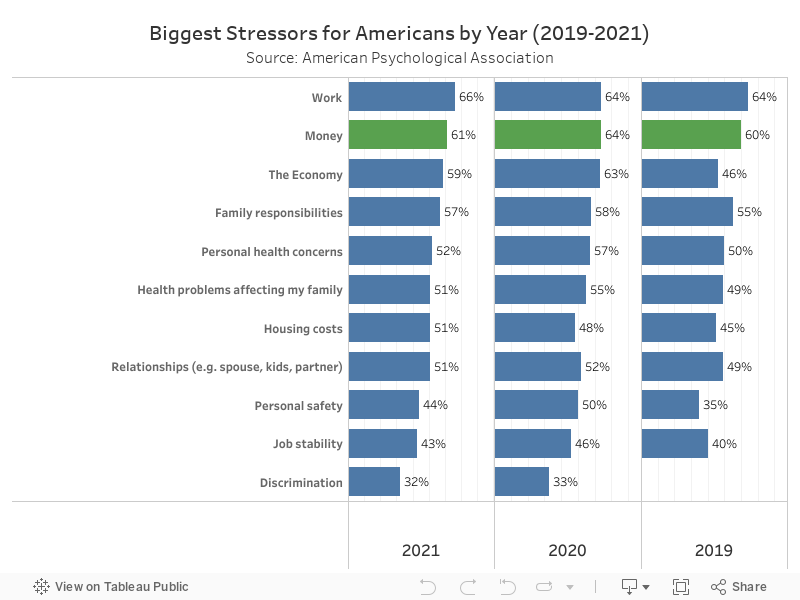
It is not surprising, then, that anxiety around finances and health consistently ranks as one of the top stressors for Americans.
Because health disparities are associated with unequal financial means, they overlap with traditional inequities connected with gender and race as well.
Gender & Race
During the COVID-19 pandemic, women were overrepresented in public-facing and low-wage industries that shed workers. | IVAN ARAGON ALONSO/Getty Images/iStockphoto
Overall, women are generally poorer than men, earning just 85 cents for every dollar their male coworkers earn, making the link between finance and health particularly salient.
Single-family households headed by females were almost twice as likely as those headed by males to be living in poverty.
According to the American Psychological Association, women “report higher levels of stress about money and are more likely than men to say they feel stress about money all or most of the time.”
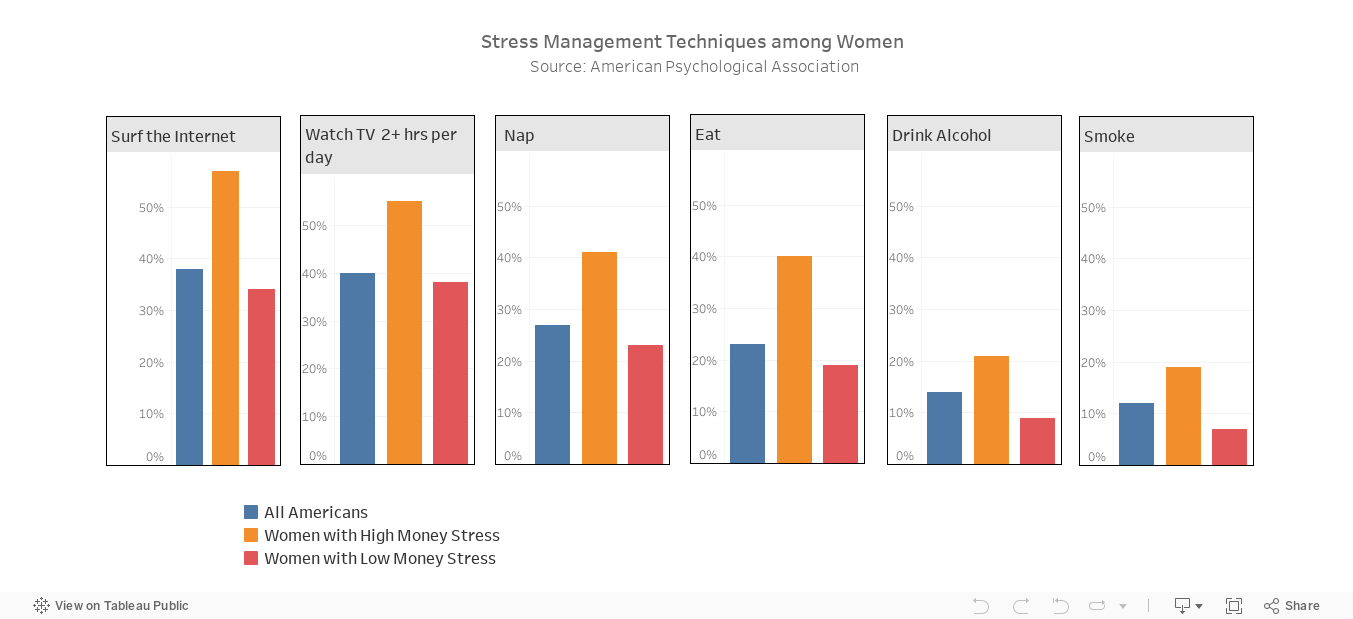
Stress about money can manifest in unhealthy coping mechanisms that may have negative health consequences of their own. Women who experience financial stress are more likely to engage in sedentary or unhealthy behaviors to manage stress — which include watching TV or surfing the internet, eating, drinking alcohol or smoking — than their low-stress counterparts.
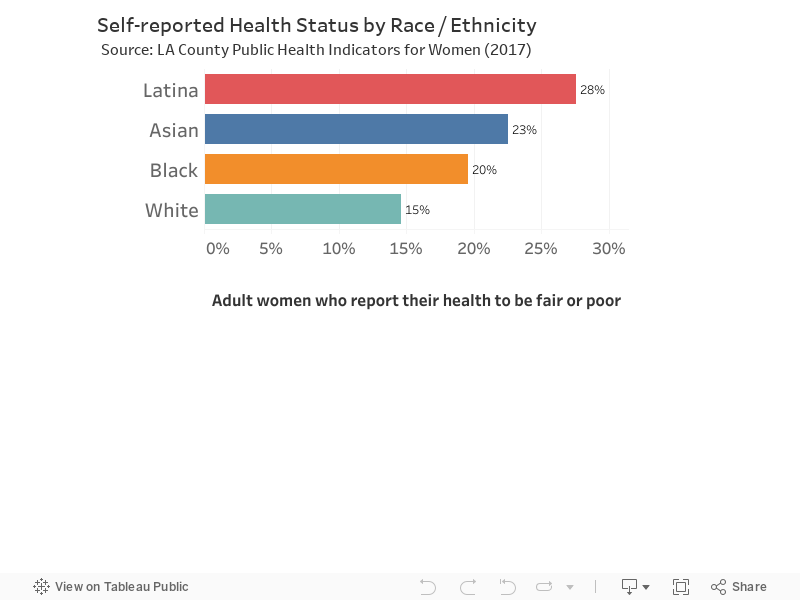
Black, Latina and Asian women all self-report worse health than their white counterparts.
Women who earn less than 100{35112b74ca1a6bc4decb6697edde3f9edcc1b44915f2ccb9995df8df6b4364bc} of the Federal Poverty Level all have more poor mental- and physical-health days than white women. Additionally, compared with white women, Black women have higher levels of smoking, obesity, heart disease, cancer and infant and maternal mortality; Latinx women have high levels of obesity and diabetes-related mortality.
The COVID-19 pandemic only exacerbated these financial disparities, as women were overrepresented in public-facing and low-wage industries that shed workers during the crisis.
Despite earning less, women also suffer from a financial knowledge gap.
The Need for Financial Literacy
Overall, financially knowledgeable individuals are more likely to accumulate wealth and stave off the negative health effects that stem from poverty.
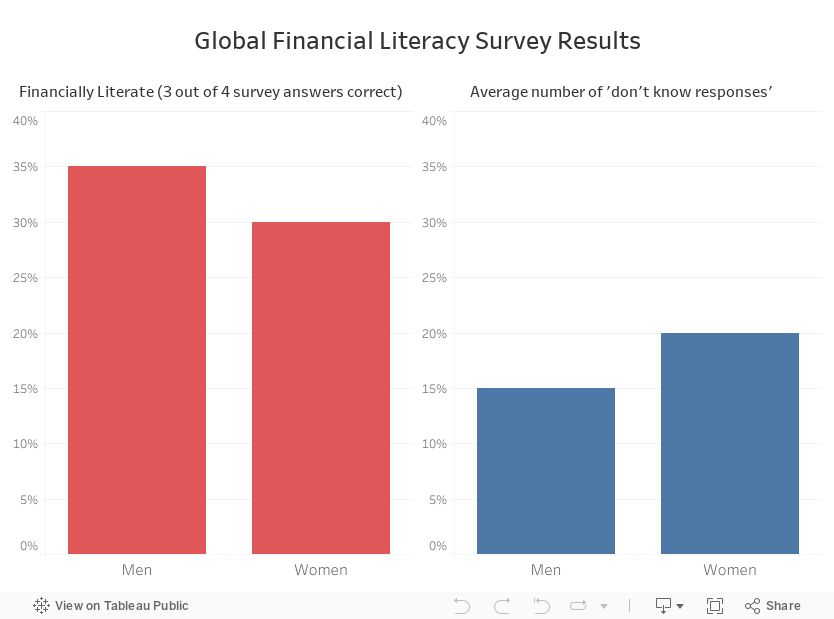
But according to a Standard and Poor’s Global Financial Literacy survey, women in the United States and throughout the world display less financial literacy than men.
Experian defines financial literacy as “the confident understanding of concepts including saving, investing and debt that leads to an overall sense of financial well-being and self-trust.” Financial literacy can include everything from increasing 401k contributions as salary increases, to having an emergency fund, to understanding credit card interest rates or knowing how to check a personal credit score.
The reasons for this knowledge gap are complicated and still being understood. Past literature suggested that traditional roles within the family have given men more control over finances and therefore allowed them to accumulate more financial knowledge. However, these gender differences persist even among single men and women.
Others have hypothesized that the financial knowledge gap is a result of unequal gender roles within the broader society.
Financial literacy programs may provide an answer to closing the financial knowledge gap and helping women leverage their assets in ways that benefit their wealth and health. | alvarez/Getty Images
Given the precarious position women find themselves in with respect to money, one solution might be to help them understand how to do more with less. Financial education may provide an answer to closing this knowledge gap and helping women leverage their financial assets in ways that benefit their overall financial and physical health. While there is limited research, a small Creighton University study on the effect of financial education on the single, low-income women showed an $8,026 increase in average annual income and significant enhancements in health-related quality of life for women who completed the program.
In the Standard and Poor survey, although men generally had more financial knowledge, they were also more likely to be “very confident” about their answers, even when they were wrong, with women more likely to admit when they were unsure of the answer to a question. This suggests that they may be more amenable to education from financial literacy programs.
Closing the Knowledge Gap
The Iris Cantor – UCLA Women’s Health Education and Research Center (WHERC) is attempting to close this knowledge gap and provide a valuable service for women. Founded in 1995, the Center aims to fuse research, medical instruction, clinical care for women and public health education around the common goal of improving women’s health throughout the life cycle.
The program format and curriculum for one of the public programs offered by the Center, called Women’s Health & Money, were built on a focus group study conducted by WHERC to explore the connection between finances and mental health among Latinas in Los Angeles. The study concluded that interventions should incorporate peer support, education on financial products and tools and therapeutic approaches to addressing financial stress.
Two instructors of the Women’s Health & Money public program offered by The Iris Cantor – UCLA Women’s Health Education and Research Center are Consultant Health Coach Luz Chacón (left), a wellness coach, and Financial Capabilities Coach Erika Toriz-Kurkjian (right), founder and executive director of Haven Neighborhood Services.
Utilizing study outcomes and evidence-based health and financial education programs, the initiative was originally a series of four free health and financial education sessions aimed at improving women’s health and financial literacy. Initially, it was offered at job-training centers, worksites, schools and community centers, but since the pandemic the format has been consolidated and moved online. The program’s focus is on the social components that influence the health and financial stability of low-to-moderate-income women in Los Angeles. These factors include meaningful work, stability, living wages, equity, education, community and mobility. Low-to-moderate-income women receive life skills training with financial and health coaching, assistance accessing health care and individualized money management assistance. The objective is to move women towards achieving self-sufficiency, financial security, housing stability, fulfilling employment and optimal health.
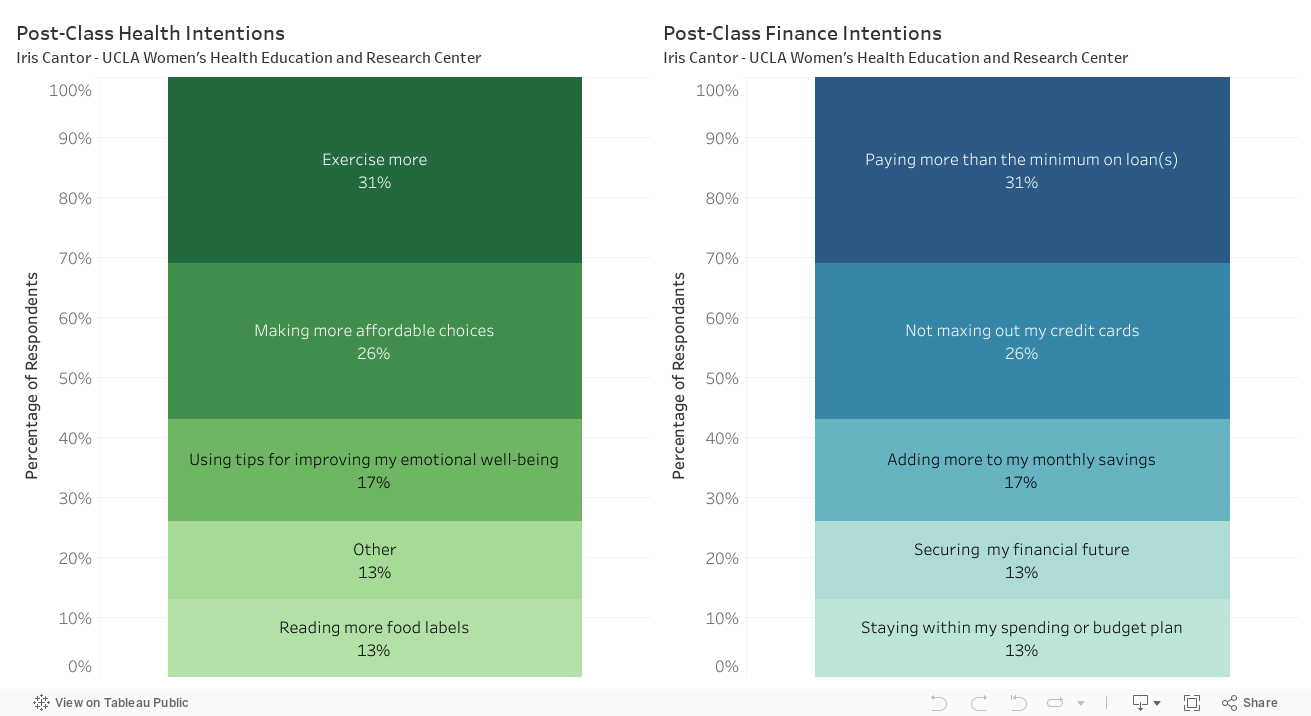
Over half of the participants in the program described their financial situation as “just getting by.” More than half also indicated that they were only making the minimum payments on their credit cards. Sixty percent of the participants had incomes below $23,700. After completing the program follow-up, surveys of participant cohorts indicated that knowledge of good financial management practices was improved by 13 to 18{35112b74ca1a6bc4decb6697edde3f9edcc1b44915f2ccb9995df8df6b4364bc} and motivation to follow those practices was enhanced by 20 to 32{35112b74ca1a6bc4decb6697edde3f9edcc1b44915f2ccb9995df8df6b4364bc}. On the health side, health-related knowledge gains ranged from 17 to 23{35112b74ca1a6bc4decb6697edde3f9edcc1b44915f2ccb9995df8df6b4364bc} with 23 to 35{35112b74ca1a6bc4decb6697edde3f9edcc1b44915f2ccb9995df8df6b4364bc} of participants vowing to follow through on health behavior improvements.
By recognizing the intimate connection between financial stability and mental and physical well-being, the Women’s Health and Money program makes a real difference in the lives of working-class women and helps families achieve financial stability.
One participant, Carmen, said of the program, “Before receiving these workshops, I didn’t know much about finances and eating healthy, but now I’m making positive changes. As soon as I get the amount of my expenses, I make my own budget. After receiving the nutrition workshop, I have also begun to drink water and eat vegetables and fruits. Thank you!”
Bucher-Kohen, T., Lusardi, A., Alessie, R & van Rooj, M. (2016). How Financially Literate Are Women? An Overview and New Insights. The Journal of Consumer Affairs. https://onlinelibrary.wiley.com/doi/10.1111/joca.12121
Blanco, L. R., Baker, J. A., Friedman, J. A., Singh, K. T., Brown, A. F., Moon, S. D., Carson, S. L., Hsu, A., & Pregler, J. (2020). Perspectives on Finances and Mental Health Status among Low-Income Los Angeles Latinas. Journal of Financial Therapy, 11 (2) 4. https://doi.org/10.4148/1944-9771.1221
Chetty, R., Stepner, BA., & Abraham, S. (2016). The Association Between Income and Life Expectancy in the United States, 2001-2014. Journal of the American Medical Association, 315(16), 1750–1766. https://jamanetwork.com/journals/jama/article-abstract/2513561
White, N.D., Packard, K.A., Flecky, K.A., Kalkowski, J.C., Furze, J.A., Ryan-Haddad, A.M., Black, L.L., Rusch, L.M., Qi, Y., (2018). Two Year Sustainability of the Effect of a Financial Education Program on the Health and Wellbeing of Single, Low-Income Women. Journal of Financial Counseling and Planning, 29(1), n.p. https://connect.springerpub.com/content/sgrjfcp/29/1/68
An Idaho Republican reported his encounter milking dairy cows available insights into reproductive health care.
Idaho Rep. Jack Nelsen apologized for the remark, expressing he respected women’s “suitable to select.”
Earlier this month, US Supreme Courtroom upheld Idaho’s in close proximity to-overall abortion ban, which has few exceptions.
Many thanks for signing up!
Entry your preferred subject areas in a customized feed when you’re on the go.
A freshly-elected Idaho lawmaker apologized immediately after he compared reproductive health guidelines to his practical experience milking cows as a farmer.
Republican Rep. Jack Nelsen explained he was “humiliated” that he advised his working experience as a “lifelong dairy farmer” provided him insight into reproductive concerns, according to the Idaho Statesman.
“I have milked a couple of cows, expended most of my time going for walks driving strains of cows, so if you want some tips on repro and the women’s well being point, I have some definite thoughts,” Nelson mentioned with a laugh in the course of a assembly of the state’s House Agricultural Affairs Committee, for each the Statesman.
The remark sparked immediate backlash from Idaho’s Democratic social gathering, who tweeted a video clip of the incident, adding that “politicians like Jack Nelsen have no small business mandating our reproductive health and fitness care decisions.”
Nelsen mentioned in a assertion to the Statesman that he was “ashamed” and “offended other people,” the outlet noted.
“The way I phrased my statement about girls and reproductive legal rights yesterday absolutely missed the mark,” Nelson stated, for each the Statesman. “I am deeply sorry. I realize the mistake and dedicate to performing superior in the long term.”
According to the Statesman, Nelson stated through his campaign that the authorities should not be included in abortion treatment, a sentiment he recurring in his apology.
“I absolutely respect women and the correct to select their possess overall health treatment,” Nelson explained in his statement, for every the Statesman. “I have normally operated and will go on to operate under the standard that the authorities does not belong in the doctor’s workplace.”
A spokesperson for Nelson did not promptly respond to Insider’s request for remark on Saturday.
Gaslighting, a type of psychological abuse in which a man or woman or team brings about anyone to question their own sanity, memories or notion of fact, was the 2022 phrase of the yr, according to Merriam-Webster. Medical gaslighting, specially, is a phenomenon in which patients’ health problems and signs or symptoms are dismissed, overlooked, dealt with as minimal or insignificant, or instructed they are purely psychological. This can guide to misdiagnosis, or a lack of diagnosis, and delay health care intervention. Sadly, I have own encounter with this.
Associated: Autoimmune sickness occurs in way far more women of all ages than adult males
Experience dismissed and overlooked when seeking well being care
The initially time I seasoned clinical gaslighting was when I was seeking fertility treatment method in 2018, and I didn’t recognize it right up until just after the reality. As an alternative of hoping to help me at last get and remain expecting again, I was dismissed and dealt with as if it was all in my head. I experienced true infertility concerns, but I have under no circumstances felt so modest or so ignored. 1 nurse actually informed me that my fertility challenges have been my fault, simply because the physician was fantastic and never manufactured issues. That is unacceptable!
I had to discover to advocate for my requires and stand up for myself, but in the stop, all I could do was depart that clinic.
A few months ago, I was in the ER, in which several practitioners instructed me that my abdominal suffering was in all probability just from “women issues.” They mentioned that females frequently “mistake serious soreness for cramps or constipation”. I consistently described my record of fertility troubles and asked to see an OB-GYN to get a proper diagnosis for my agony. The final physician I saw actually laughed at this strategy and claimed, “Well, I never will need to know that and I won’t request whose difficulty that is.” I obtained really upset, felt incredibly compact and demanded to leave the hospital—I was not likely to get answers there. I’ve considering that satisfied and spoken with my OB, and I am scheduled for a diagnostic laparoscopy for endometriosis.
Recognizing clinical gaslighting transpires way way too commonly, it’s significant to fully grasp how widespread health-related gaslighting is, know how to location the warning signs—and recognize upcoming techniques to choose if this transpires to you.
Relevant: How to know when panic, despair and exhaustion are indicators of bodily problems
How frequent is health care gaslighting?
Professional medical gaslighting can transpire to any person, but it’s most common for gals and people of shade. Even when they have the similar indications as guys, girls are taken care of considerably less aggressively for autoimmune problems, traumatic mind injury and persistent agony.
Women of all ages are also made to hold out lengthier for discomfort medicine than guys when suffering from the identical significant bodily signs and symptoms. Doctors are additional very likely to describe Black people as agitated or non-compliant than white clients, and this generally prospects to discrepancies in health treatment. It is also very typical for men and women of coloration to get bad-excellent medical care, or for their signs and symptoms to be misdiagnosed or dismissed completely.
Relevant: How to prevent gaslighting and begin listening to your child’s soreness
Warning symptoms of medical gaslighting
It can be difficult to recognize professional medical gaslighting as it is happening, since numerous people come to feel they should really only have confidence in no matter what a physician says. But it’s vital to know what to glimpse out for.
A main indicator of healthcare gaslighting is when a health practitioner promptly downplays your signs, or clearly does not consider you. Right here are other crimson flags.
Indications of professional medical gaslighting
Not listening or engaging in a dialogue with you
Not asking queries, or attempting to enable determine out what’s happening
Refusing to give you a referral to yet another professional that could assistance you even further
Shutting down your grievances or disregarding your problems
Blames you for any of your signs (these as saying “you’re just on your period” or “you’re most likely just stressed from work”)
Forcing you to argue just to be taken severely and listened to
Striving to convince you it is just in your head
Supplying you a generalized data or stereotypes as a response (as a substitute of seeking into your precise symptoms and overall body)
How to choose motion
If you have skilled health care gaslighting in the past, or do in the potential, know that it is not your fault. Absolutely no a single justifies to be ignored or dismissed, and there are people in health treatment who want to assist you.
Here are some concrete ways you can advocate for on your own in a healthcare setting:
Produce down a list of your inquiries and concerns
Talk to for a duplicate of your healthcare data
Take be aware of the names of medical doctors and nurses that meet with you
Get a family member or pal with you to help listen and talk up for you
Talk to to communicate with yet another doctor or expert, if you really feel that’s wanted
Know your legal rights and what is unacceptable therapy at any overall health care facility
Be agency and assertive—but only you know how you sense
It can be devastating to working experience health care gaslighting, but if it takes place to you, you should attempt to obtain one more health care provider or health care practitioner who will hear to you and who will acquire your worries significantly. Your wellness care issues, and you deserve to be heard—without acquiring to fight this challenging.
We observed a diminished systemic HT prevalence and an elevated mortality danger for systemic HT end users in the two study populations in the wake of the 2002 WHI publication with the most pronounced inclination offered in the singleton populace. The conclusions suggest an alteration in the HT user profile just after 2002 with a unique pattern of HT use, most likely owing to the healthiest users determining to either fall systemic HT or switching to local HT, as tips improved subsequent the WHI publication. It highlights the value of satisfactory baseline characteristics when inspecting HT use, as confounders may possibly differ markedly with altering HT person profile over time.
In line with earlier reports, we noticed a drop in systemic HT prevalence concerning 2000 and 2005 for systematic HT people in the menopausal or postmenopausal age9,10,11,12. The WHI publication in 2002, and subsequent media consideration and alteration in HT prescription guidelines, is generally deemed the principal explanation for the observed decrease, as systemic HT was recommended kept in the lowest probable dosage for the shortest amount of money of time and was not to be utilised by asymptomatic girls15,23,24.
Scientific trials evaluating HT users to non-people uncovered no association in between systemic HT and all-induce mortality3. This is supported by a Danish observational study of HT initiated ahead of 2002, which observed no association concerning systemic HT and general mortality in a large cohort of just about 30,000 girls25. But, meta-analyses of both scientific and observational studies found a lessened danger of all-result in mortality, if systemic HT was initiated at age < 60 years26,27. This finding aligns with our study, as we observed a lower risk of all-cause mortality for systemic HT users in the age group 56–60 in 2000, before the WHI publication. However, a change occurred in 2005, after the WHI study, as the mortality risk among systemic HT users was like that of non-users, supporting a selection hypothesis rather than causality.
A smaller German observational study examined differences in the pre- and post-WHI HT user profile shortly after the 2002 WHI publication and found a decline in prevalence especially amongst women with higher social status, lower body mass index (BMI), and healthier lifestyle28.
This aligns with a Canadian study also performed shortly after the 2002 WHI publication, which indicated a shift in the profile of HT users. A decline in prescriptions was observed and gynaecologists now preferred to prescribe lower doses of systemic HT if necessary. Women who were prescribed HT in the year after the WHI publication had fewer medical visits on average (7.47 vs. 6.36), yet a higher number of different classes of drugs per month (1.07 vs 1.18)29.
Our study, designed to examine long term outcomes and HT user differences in a large study population, supports these previous findings, as we observed a decreased prevalence, changing mortality risk from lower than to similar to that of the background population, and increased years of education for systemic HT users between 2000 and 2005, which altogether suggests an alteration in the systemic HT user profile following the 2002 WHI publication.
Danish twins have previously shown to have a mortality rate similar to that of the background population30. While the association between HT and mortality in the twin study population showed no clear trend across all age groups, likely due to the small sample size, it did show an increasing mortality for systemic HT users aged 56–60 between 2000 and 2005.
Alignment of the findings from the singleton and twin study populations suggests that the increased mortality after 2002 is due to a selection rather than causal effects. The selection may be a result of the abrupt discontinuation of systemic HT following the WHI publication, indicating a paradigm shift away from the otherwise generalised perception of systemic HT users being healthier than non-users13,28,31,32. Our study supports this hypothesis, as we observed an increased mortality risk after the 2002 WHI publication, but it must also be mentioned that the mortality risk is still close to one. So even if the post-WHI HT user is considered unhealthier, the overall mortality risk is not increased compared to the background population.
The strengths of our study include the linkage of nationwide registries enabled by the unique personal identification number, which allows us to study data from the universal healthcare system on a large, random sample from the general Danish population and Danish twins. This, combined with the access to information on education, provided a favourable setting for investigation of the association between HT and all-cause mortality as the registries provided a long and full follow-up with minimal room for selection bias. A major strength is the access to a unique study population of Danish twins provided by the DTR enabling the exposure-discordant twin design, which controls for potential genetic confounding and shared environmental confounding17.
Some limitations must also be mentioned. Our findings of systemic HT users being better educated than non-users and being slightly better educated after the 2002 WHI publication indicates a shift in the HT user profile. Our study could have benefitted from additional information on lifestyle and menopause e.g., age of menopause, smoking, and BMI, to illuminate other potential differences in HT user profiles. Another limitation was lack of statistical power in the twin study population, which hindered a further examination of HT user category differences. Lack of statistical power in both study populations further prevented us from dividing HT exposure into dosage and regimen. There is also the possibility of left truncation bias, as the DNPR only contains information on HT exposure from 1995 onwards. Although the DNPR provides excellent assessment of prescriptions and complete national coverage21, we only have information on redeemed prescriptions and thus have no indication of the HT user’s compliance. This could potentially overestimate the use of HT.
Following the 2002 WHI publication, we found a decreased systemic HT prevalence and a change from lower to similar mortality risk compared to the background population for systemic HT users within the singleton and twin study populations. These findings suggest an altogether different HT user profile with a different pattern of HT use, perhaps driven by the healthiest users deciding to either drop systemic HT or switching to local HT as recommendations changed following the WHI publication. Mortality is a crude outcome and is, in this study, used as a summary measure of health and could in future studies be complemented by suggested HT user alteration in other measures of health and lifestyle. Our study highlights the importance of examining, in future studies, not only the differences between HT users and non-user, but also the differences between HT users before and after 2002, as they may vary on subtle and not easily assessed health and lifestyle risk factors, which may be related to initiation, regimen and dose of HT28,33. This emphasises that confounder control is required when investigating the influence of HT, but also that confounders may alter with the altered HT user profile before and after 2002.