Breaking Down Barriers: How to Overcome Common Weight Loss Plateaus

Breaking Down Barriers: How to Overcome Common Weight Loss Plateaus

Weight loss journeys often start with significant progress, but many individuals encounter frustrating plateaus along the way. These plateaus, where weight loss stalls despite continued efforts, can be discouraging. However, understanding why they occur and employing practical strategies can help you overcome them. This article provides tips, strategies, and motivation to help you break through weight loss plateaus and continue on your path to better health.

Understanding Weight Loss Plateaus

What Causes Plateaus?

Weight loss plateaus occur when your body adapts to your weight loss regimen, leading to a slowdown in progress. Several factors contribute to this phenomenon:

  • Metabolic Adaptation: As you lose weight, your metabolism slows down because your body requires fewer calories to function at a lower weight.
  • Decreased Physical Activity: Weight loss can lead to reduced energy expenditure during physical activities, as it becomes easier for your body to move at a lighter weight.
  • Dietary Habits: Over time, you might unconsciously increase your calorie intake or become less diligent with portion control.

Psychological Impact

Plateaus can be mentally taxing, leading to frustration and diminished motivation. Understanding that they are a normal part of the weight loss journey is crucial for maintaining perseverance and a positive mindset.

Practical Tips to Overcome Weight Loss Plateaus

1. Reevaluate Your Caloric Intake

As your body weight decreases, so does your caloric requirement. Reassessing your calorie intake can help ensure you are still in a caloric deficit.

  • Calculate Your New Caloric Needs: Use online calculators or consult with a nutritionist to determine your current caloric needs based on your new weight.
  • Monitor Portion Sizes: Be mindful of portion sizes and avoid mindless eating. Measuring your food can help you stay on track.

2. Increase Physical Activity

Boosting your physical activity can help overcome a plateau by increasing your calorie expenditure.

  • Incorporate Strength Training: Building muscle through strength training can increase your basal metabolic rate (BMR), helping you burn more calories at rest.
  • Vary Your Exercise Routine: Adding variety to your workouts can challenge different muscle groups and prevent your body from adapting to a specific exercise regimen.

3. Adjust Macronutrient Ratios

Tweaking the ratios of carbohydrates, proteins, and fats in your diet can stimulate weight loss.

  • Increase Protein Intake: Higher protein intake can promote satiety and preserve muscle mass during weight loss, which is essential for maintaining metabolic rate.
  • Reduce Carbohydrate Consumption: Lowering carbohydrate intake, especially refined carbs, can help reduce water retention and further caloric intake.

4. Stay Hydrated

Adequate hydration is crucial for overall health and can aid in weight loss.

  • Drink Water Before Meals: Consuming water before meals can help you feel fuller and reduce calorie intake.
  • Avoid Sugary Drinks: Replace sugary beverages with water, herbal teas, or other low-calorie drinks to minimize empty calorie consumption.

5. Manage Stress and Sleep

Stress and lack of sleep can hinder weight loss by affecting hormone levels that regulate hunger and metabolism.

  • Practice Stress-Reduction Techniques: Activities like yoga, meditation, and deep breathing exercises can help manage stress.
  • Prioritize Sleep: Aim for 7-9 hours of quality sleep per night to support your weight loss efforts.

6. Track Your Progress

Monitoring your progress can provide insights into your habits and help you make necessary adjustments.

  • Keep a Food Diary: Documenting your food intake can help identify areas where you might be consuming extra calories.
  • Measure Non-Scale Victories: Track other indicators of progress, such as body measurements, fitness levels, and overall well-being.

Motivational Strategies to Keep Going

Set Realistic Goals

Setting attainable and specific goals can provide direction and motivation. Break down your overall weight loss goal into smaller, manageable milestones.

Celebrate Small Wins

Acknowledge and celebrate your achievements, no matter how small. This positive reinforcement can boost your morale and keep you motivated.

Find a Support System

Having a support system can make a significant difference in overcoming plateaus. Join a weight loss group, find a workout buddy, or seek support from friends and family.

Stay Positive and Patient

Weight loss is a marathon, not a sprint. Stay positive, be patient with yourself, and understand that plateaus are a natural part of the journey. Keep reminding yourself of your progress and the reasons behind your weight loss goals.

Weight loss plateaus are a common challenge, but they are not insurmountable. By reassessing your caloric intake, increasing physical activity, adjusting macronutrient ratios, staying hydrated, managing stress and sleep, and tracking your progress, you can break through these barriers. Coupled with realistic goal setting, celebrating small wins, finding support, and maintaining a positive attitude, you can overcome weight loss plateaus and continue your journey towards a healthier you. Remember, persistence and adaptability are key to long-term success.

This post was written by a professional at Buffalo Weight Loss. Buffalo Weight Loss is a weight loss clinic Amherst ny – an effective solution for patients struggling with obesity. Semaglutide is a medication that works by suppressing appetite and reducing food intake, leading to significant weight loss in patients.

Patients will undergo a thorough evaluation to determine their specific weight loss needs and goals. BWL will be provided with a customized treatment plan that includes Semaglutide as part of their weight loss program.

It works by mimicking the effects of a hormone called GLP-1, which regulates appetite and glucose metabolism. By activating GLP-1 receptors, Semaglutide reduces hunger and helps you feel full, leading to decreased calorie intake.
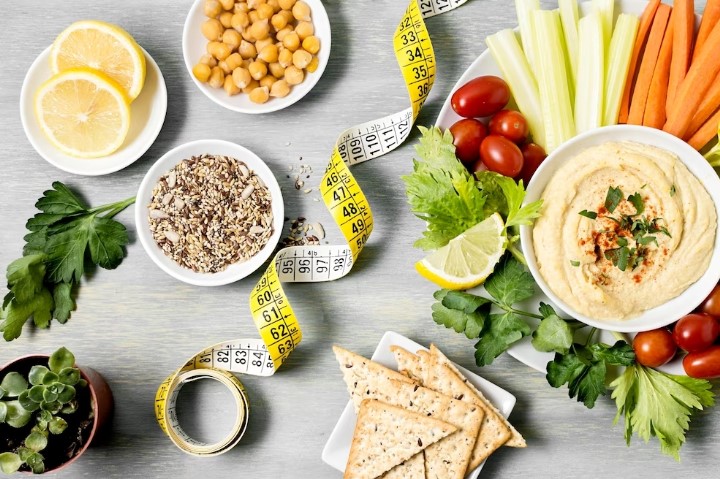
The Best Foods For Weight Loss: A Comprehensive Guide

The Best Foods For Weight Loss: A Comprehensive Guide

Embarking on a weight loss journey involves more than just counting calories; it requires a holistic approach that includes mindful eating and choosing the right foods. In this guide, we delve into The Best Foods For Weight Loss, providing valuable insights, expert advice, and practical tips to help you on your path to a healthier lifestyle.

The Best Foods For Weight Loss: Unveiling the Essentials

Nutrient-Dense Green Leafy Vegetables

Fuel your body with the power of nutrient-dense green leafy vegetables. Packed with vitamins, minerals, and fiber, these veggies are low in calories, making them an excellent choice for weight loss. Incorporate kale, spinach, and Swiss chard into your meals to boost nutrition without compromising on taste.

Lean Proteins for Sustained Energy

Proteins play a crucial role in weight loss by promoting a feeling of fullness and sustaining energy levels. Opt for lean protein sources like chicken breast, tofu, and legumes. These options not only support muscle health but also contribute to a more effective weight loss strategy.

Fiber-Rich Fruits: Nature’s Sweet Treats

Swap sugary snacks for nature’s sweet treats – fiber-rich fruits. Apples, berries, and pears are not only delicious but also high in fiber, aiding digestion and helping control cravings. Enjoy a colorful array of fruits to satisfy your sweet tooth while working towards your weight loss goals.

Whole Grains: A Foundation for Weight Loss Success

Building a foundation for weight loss success involves choosing complex carbohydrates over refined ones. Whole grains like quinoa, brown rice, and oats provide sustained energy, stabilize blood sugar levels, and contribute to a feeling of fullness. Make these grains a staple in your diet for lasting results.

Healthy Fats for Optimal Wellness

Contrary to popular belief, not all fats are detrimental to weight loss. Incorporate healthy fats like avocados, nuts, and olive oil into your meals. These fats not only enhance flavor but also support overall wellness, including weight management.

Hydration: The Overlooked Weight Loss Hero

Often overlooked, proper hydration is a key player in effective weight loss. Water not only helps flush out toxins but also promotes a feeling of fullness, reducing the likelihood of overeating. Make it a habit to drink an adequate amount of water throughout the day to support your weight loss journey.

Incorporating The Best Foods For Weight Loss Into Your Diet

Strategic Meal Planning for Success

Achieving weight loss requires more than just randomly selecting healthy foods. Strategic meal planning ensures that you meet your nutritional needs while creating a calorie deficit. Consult with a nutritionist to create a personalized meal plan tailored to your goals and preferences.

Balanced Snacking for Sustained Energy

Snacking doesn’t have to sabotage your weight loss efforts. Choose wisely by opting for balanced snacks that combine protein, healthy fats, and fiber. Greek yogurt with berries, a handful of almonds, or sliced vegetables with hummus are excellent choices to keep you energized and on track.

The Best Foods For Weight Loss: Expert Tips

Mindful Eating Practices

In the quest for weight loss, practicing mindful eating is as crucial as choosing the right foods. Slow down, savor each bite, and pay attention to your body’s hunger and fullness cues. Mindful eating promotes a healthier relationship with food, making weight loss more sustainable.

Regular Exercise: A Complementary Strategy

While food choices are paramount, incorporating regular exercise enhances the effectiveness of your weight loss journey. Find activities you enjoy, whether it’s jogging, yoga, or dancing, and make them a consistent part of your routine.

Quality Sleep: A Surprising Factor

Adequate and quality sleep might not be directly related to food, but it significantly influences weight loss. Poor sleep disrupts hormones that regulate hunger and satiety, leading to increased cravings. Prioritize good sleep hygiene to support your overall well-being and weight loss goals.

The Best Foods For Weight Loss FAQs

Q: Can I indulge in desserts while trying to lose weight? Absolutely, but in moderation. Opt for healthier dessert alternatives like fruit sorbets or dark chocolate to satisfy your sweet cravings without derailing your progress.

Q: How quickly can I expect to see results with The Best Foods For Weight Loss? Individual results vary, but adopting a balanced diet and lifestyle can lead to noticeable changes within a few weeks. Consistency is key for long-term success.

Q: Are there specific foods to avoid for effective weight loss? Limit processed foods, sugary beverages, and excessive amounts of refined carbohydrates. Focus on whole, nutrient-dense foods for optimal results.

Q: Can I follow The Best Foods For Weight Loss on a vegetarian or vegan diet? Absolutely. Plant-based diets can be rich in the best foods for weight loss, including fruits, vegetables, legumes, and plant-based proteins like tofu and tempeh.

Q: Do I need to count calories to lose weight with The Best Foods For Weight Loss? While calorie counting can be a helpful tool, the emphasis should be on the quality of calories consumed. Focus on nutrient-dense foods and listen to your body’s hunger and fullness cues.

Q: How can I stay motivated on my weight loss journey? Set realistic goals, celebrate small victories, and surround yourself with a supportive community. Motivation often comes from within, so focus on the positive changes you’re making.

Conclusion

Embarking on The Best Foods For Weight Loss journey is not just about shedding pounds; it’s a commitment to a healthier and more fulfilling life. By incorporating nutrient-dense foods, adopting mindful eating practices, and embracing a balanced lifestyle, you’re setting yourself on the path to sustainable weight loss success.

What role does Semaglutide play in treating diabetes?

What role does Semaglutide play in treating diabetes?

Semaglutide, a type 2 diabetes medication, is used to treat diabetes. It belongs to a group of drugs known as glucagon like peptide-1 receptor agonists. Semaglutide has several roles to play in managing diabetes.

Semaglutide is primarily used to control blood sugar. It mimics the action of GLP-1 which is released by the body in response to eating. Semaglutide increases insulin release from the pancreas while reducing the amount of glucose produced in the liver. These actions lower blood sugar levels between meals and after meals.

Semaglutide is associated with weight management in individuals with type 2 diabetics. The weight loss effect can be especially beneficial to people with diabetes as it improves insulin sensitivity and blood glucose control. This also addresses the problem of obesity which can be a factor in the progression and development of type 2 diabetics.

Semaglutide reduces appetite and increases feelings of fullness. It can help people with diabetes who have issues with weight or overeating. Semaglutide’s appetite-suppressing effects can be a factor in weight loss.

Semaglutide and other GLP-1 receptor antagonists have demonstrated cardiovascular benefits. They can lower the risk of strokes, heart attacks and other cardiovascular events for people with diabetes. Heart disease is a common diabetes complication, so these cardiovascular benefits are important to consider when treating diabetes.

Semaglutide, like other GLP-1 receptor antagonists, can cause gastrointestinal side-effects such as diarrhea and nausea. The effects can be most noticeable when the medication is first taken, but they tend to diminish over time.

HbA1c reduction: Semaglutide reduces HbA1c, a measure for long-term control of blood sugar. In order to reduce the risk for diabetes-related complications, it is important to lower HbA1c.

Semaglutide has a reduced risk of hypoglycemia (low blood sugar) compared to other diabetes medications such as insulin or sulfonylureas. It does this by increasing insulin secretion, which is a glucose-dependent process.

Semaglutide can be administered once a week, which is convenient for most diabetics. Semaglutide is a valuable addition to treatment options for type 2 diabetes. It’s especially important for those who want to lose weight and improve their cardiovascular health in addition to controlling blood sugar. It should only be prescribed by a healthcare professional who is able to tailor the treatment for the individual and can monitor any side effects.

This post was written by a professional at Revo Weight Loss. Revo Weight Loss blends the power of Semaglutide with a holistic approach to wellness. Their unique mission is to guide and support you on your path to lasting health and wellness. With the transformative potential of Semaglutide at our core, along with a suite of services including IV therapy, advanced skincare, and expert permanent makeup, we are dedicated to creating a comprehensive wellness experience that empowers you to not only achieve your weight loss goals but also rejuvenate your overall well-being. Revo’s mission is to help you look, feel, and live your best, inside and out. Click Here to learn more!

Fitness Tips for Weight Loss: Unveiling the Path to a Healthier You

Fitness Tips for Weight Loss: Unveiling the Path to a Healthier You

Introduction:

Embarking on a weight loss journey requires more than just determination; it demands a well-rounded approach that encompasses both physical activity and mindful nutrition. In this article, we unveil a treasure trove of fitness tips for weight loss, providing a roadmap to guide you on your path to a healthier you.

1. Understanding the Basics of Weight Loss

Embarking on a weight loss journey can be daunting, but understanding the fundamentals is key. Learn about the science behind shedding those extra pounds and how your body responds to various stimuli.

1.1 The Role of Metabolism

Explore the intricate workings of your metabolism and how it influences weight loss. Uncover tips to boost your metabolism naturally and enhance your body’s fat-burning capabilities.

1.2 Caloric Deficit: Your Weight Loss Ally

Delve into the concept of caloric deficit and its pivotal role in weight loss. Gain insights into crafting a sustainable and effective calorie-cutting strategy.

2. Effective Workout Strategies

While diet is a crucial component, incorporating the right workout strategies can accelerate your weight loss journey. Discover impactful exercises and routines tailored for shedding those extra pounds.

2.1 High-Intensity Interval Training (HIIT)

Unleash the power of HIIT workouts in maximizing calorie burn and promoting fat loss. Learn how short bursts of intense exercise can yield impressive results.

2.2 Strength Training for Lean Muscle Mass

Understand the significance of strength training in sculpting your body and boosting metabolism. Uncover the benefits of incorporating weights into your fitness routine.

3. Mindful Eating Habits for Weight Loss

Achieving sustainable weight loss involves more than just exercise; it requires adopting mindful eating habits. Explore dietary strategies that complement your fitness routine.

3.1 Portion Control

Master the art of portion control to prevent overeating and maintain a balanced diet. Discover practical tips for controlling portion sizes without feeling deprived.

3.2 The Power of Nutrient-Rich Foods

Unlock the potential of nutrient-rich foods in supporting your weight loss goals. Explore a variety of wholesome options that nourish your body and aid in fat loss.

Fitness Tips for Weight Loss:

Embarking on a weight loss journey demands a multifaceted approach. By combining the right workout strategies with mindful eating habits, you can achieve sustainable results. Remember, consistency is key, and small changes add up to significant transformations over time.

FAQs

Can I Lose Weight Without Exercising?

Absolutely! While exercise accelerates weight loss, creating a caloric deficit through dietary changes is equally effective. Focus on a balanced diet for success.

Are Cheat Days Allowed in a Weight Loss Journey?

Yes, occasional indulgences are acceptable. However, moderation is key. Plan cheat days mindfully to avoid derailing your progress.

How Long Does It Take to See Results?

The timeline varies for individuals, but noticeable changes often occur within a few weeks. Patience and consistency are crucial for long-term success.

Is Spot Reduction Possible?

Spot reduction is a myth. Focus on overall fat loss through a combination of cardio, strength training, and a healthy diet.

Can I Rely Solely on Cardio for Weight Loss?

While cardio is effective, a well-rounded approach combining cardio and strength training yields superior results, promoting overall health.

Are Supplements Necessary for Weight Loss?

Supplements can complement a healthy diet, but they’re not a substitute. Consult a healthcare professional before adding any supplements to your routine.

Conclusion:

Embarking on a journey towards weight loss is a transformative experience that goes beyond physical appearance. By incorporating these fitness tips for weight loss into your lifestyle, you’re not just shedding pounds; you’re embracing a healthier, more vibrant version of yourself.