Mothers Face Broken Addiction Treatment System

Mothers Face Broken Addiction Treatment System

This story was produced via a USC Annenberg Center for Health Journalism Data Fellowship.

Kayla Quinones began having contractions a few hours after midnight. Her baby, Jacarri, was on the way.

Quinones, 33, was homeless at the time and staying with a friend in upstate New York, and when she began to feel the undulating pains, spaced about 8 minutes apart, she called for help. Those pains, her friend told her, were contractions. They needed to get to a hospital.

Before staying with her friend, Quinones spent 6 years living on the streets of Sullivan County, about 2 hours north of New York City. She had been using heroin for 7 years, and cocaine for the last 4. She was homeless for the majority of her pregnancy. And using for all of it.

Doctors rushed Quinones to the delivery room, and the birth went smoothly. Jacarri was born healthy, but had developed neonatal abstinence syndrome. At the time of his birth, Jacarri had methadone and cocaine in his system, so doctors transferred him to the neonatal intensive care unit at a nearby hospital. The hospital where Quinones delivered him did not have one.

After Jacarri’s birth, Quinones was more motivated to get help for addiction than ever before. Jacarri’s father, Quinones’ longtime partner, died when Quinones was 4 months pregnant, and she was now learning that she’d lost custody of her baby. Jacarri would be going to stay with Quinones’ mother in Queens and would stay there until Quinones could get into a treatment program. She was again living on the street, searching for a program that would take her in.

It wasn’t the first time she had looked for help. She had been enrolled in a methadone program during her pregnancy, but continued to use heroin.

Now looking for a more comprehensive treatment program, Quinones ran into a new problem. Because she hadn’t received a postpartum check-up — which typically occurs between 4 and 6 weeks after delivery — many treatment centers wouldn’t take her, she said.

“They were denying me left and right,” Quinones told MedPage Today. “I was still running the streets, and miserable because they took my kid away. And I was worried that I wasn’t going to get into a program.”

In an underfunded, siloed mental healthcare system, pregnant and postpartum people with addiction face endless barriers to treatment. While patients typically come into contact with the medical system more frequently during pregnancy, those with addiction struggle to get adequate care, as insufficient numbers of behavioral health providers, logistical hurdles, and distrust of the medical system deter people from accessing treatment, according to providers, patients, and advocates.

“There is a presence of substance use that often gets overlooked and undertreated in pregnancy,” said Leah Habersham, MD, an addiction medicine specialist and ob/gyn at Mount Sinai Health System in New York.

Medication-assisted treatment (MAT), such as buprenorphine (Suboxone) and methadone, are the gold-standard treatment for pregnant patients with substance use disorder. These therapies manage cravings and prevent patients from going into withdrawal, which can result in preterm delivery or fetal growth issues.

But not all patients can access MAT, data show. Nationally, only half of pregnant patients with opioid-related substance use who received care at an addiction treatment center received methadone treatment in 2020, according to an analysis performed by MedPage Today.

Those who seek treatment in New York, where Quinones lives, receive it at a rate higher than the national average. In 2020, there were 635 episodes of treatment involving opioid use in pregnancy at New York addiction treatment centers. Of those treatment episodes, 75{35112b74ca1a6bc4decb6697edde3f9edcc1b44915f2ccb9995df8df6b4364bc} received MAT at discharge.

The data, which come from the Substance Abuse and Mental Health Services Administration’s (SAMHSA) treatment episodes database, is a compilation of addiction treatment center data reported by state agencies. Many of the treatment centers that report to SAMHSA receive state funds or federal block grants to provide drug or alcohol treatment services, the agency says.

Of the 6,200 times pregnant patients received opioid-related treatment nationwide in 2020, all received care at addiction treatment centers, such as methadone clinics or specialty behavioral health centers. However, providers say this is an underestimate of patients that receive care.

Many patients access treatment for substance use disorder outside of specialty care facilities, including from a family medicine provider, addiction specialist, or ob/gyn practitioner who prescribes buprenorphine — treatment that is not recorded in public databases.

Not knowing how many patients do or do not get treatment poses a host of issues, according to patients, providers, and advocates. Without an accurate count, it’s difficult to properly allocate resources to treat substance use disorder among the population of pregnant patients, they say.

“We don’t know how many people receive comprehensive services,” said Mishka Terplan, MD, MPH, a board-certified ob/gyn and addiction medicine specialist based in Maryland. “And that’s really kind of unknowable.”

image

Kayla Quinones, who lives with her son Jacarri at Greenhope Services for Women in East Harlem, New York, looked for treatment centers for a month before enrolling in the residential treatment program at Greenhope. Before having her baby, judgment and stigma from medical providers prevented her from seeking care, she says. Photo by Liam Quigley.

A Growing Problem

More than 1 million people have died of an overdose since the opioid epidemic began in the late 1990s. The crisis intensified during the COVID-19 pandemic, as isolation and interruptions to medical care led to skyrocketing overdose deaths.

Nationwide, there were an estimated 108,000 overdose deaths in 2021 — an all-time high, CDC data show. The majority of those deaths involved fentanyl, a synthetic opioid that’s 50 times more potent than heroin.

Opioid use disorder trends among pregnant patients are directly connected to patterns in the general population, Terplan said.

In total, 6,000 women had a maternal opioid-related diagnosis at delivery in 2017, the most recent year for which data are available, according to a study in JAMA. Self-reported data from the CDC suggest that 6.6{35112b74ca1a6bc4decb6697edde3f9edcc1b44915f2ccb9995df8df6b4364bc} of women used prescription opioids during pregnancy. One in five women who used prescription opioids reported misuse, the study showed.

“We all know that opioid use disorder is a rising problem, and it’s hitting the pregnant population as well,” said Wendy Wilcox, MD, chief women’s health services officer at NYC Health + Hospitals, New York City’s public hospital system.

The vast number of opioid-related deaths has left policymakers scrambling to solve a worsening addiction problem. Last October, the Biden administration released a plan to improve access to substance use disorder treatment for pregnant and postpartum people specifically.

The plan aimed to correct issues that were preventing patients from accessing MAT and looked to improve public reporting of access data.

Currently, there are no public databases that clearly show how many patients — pregnant or not — get medical treatment for substance use disorder. (Click here for more on the challenges of reporting data around substance use in pregnancy.)

Late last year, the federal government also deregulated buprenorphine to improve treatment access. Providers previously needed an X waiver — a special Drug Enforcement Administration (DEA) certification — to prescribe buprenorphine, which required an 8-hour training and restricted the number of patients a clinician could treat.

After years of rolling back restrictions, the federal government eliminated the X waiver entirely in December. The nixing of the rule allows any provider with a DEA license to administer buprenorphine, pending a one-time training.

Most ob/gyns are licensed by the DEA to prescribe controlled substances. But addiction medicine experts worry that though federal regulations on treatments for substance use disorder have begun to ease, there will remain a gap between the number of primary care providers and ob/gyns willing to prescribe buprenorphine and the number of patients who need it.

Should Ob/Gyns Provide More Addiction Care?

Medical organizations, including the American College of Obstetricians and Gynecologists (ACOG) and the American Society of Addiction Medicine (ASAM), have firmly said that they believe MAT is the gold-standard treatment for pregnant patients addicted to opioids.

Though there are three drug treatments available to all patients with opioid use disorder, methadone and buprenorphine are the most commonly prescribed treatments for pregnant patients. The opioid antagonist naltrexone (Vivitrol) is also safe to use in pregnancy, but is recommended less often because it requires patients to stop using opioids for about 2 weeks prior to initiating treatment.

Despite the recognition that MAT is widely believed to be the optimal treatment for opioid-addicted patients, providers who are not trained in addiction medicine still don’t feel comfortable administering it, said Daniel Rosa, MD, medical director of the Acacia Network, a human services organization in the Bronx that provides addiction treatment services.

“The problem has always been the buy-in from ob/gyns and primary care providers,” Rosa said. “It still falls on the very few people who happen to be board-certified in addiction medicine.”

Methadone can only be dispensed through a SAMHSA-authorized opioid treatment program. But now, most ob/gyns and nurse midwives can prescribe buprenorphine, as long as they have a DEA license.

Before buprenorphine was deregulated, ob/gyns did not get certified to prescribe it in large numbers. Less than 2{35112b74ca1a6bc4decb6697edde3f9edcc1b44915f2ccb9995df8df6b4364bc} of ob/gyns who treat patients on Medicaid had an X waiver as recently as 2019, according to a study in JAMA Network Open.

“That to me, is evidence that the workforce has failed,” Terplan said.

Addiction medicine is typically viewed as separate from reproductive healthcare, Terplan explained.

“Ob/gyns provide episodic care, and addiction is a chronic condition,” Terplan said. “That’s a clinical mismatch.”

Even then, asking ob/gyns to initiate care for patients with opioid use disorder puts the onus on the doctors to treat the highest acuity patients in a different specialty, Terplan added.

Take treating a patient with diabetes, Terplan said. “The first time you take care of somebody with diabetes is not the person who’s in a diabetic coma with a gangrenous foot in the emergency room. It’s somebody in the outpatient setting who’s on insulin, who brings their sugars, and you look at the sugars and you slightly adjust the insulin dose,” he said.

“Basically, we’ve been asking people for the last 20 years to take up a new domain of health and start with the sickest patient. And, there’s some DEA surveillance for the prescribing practices,” Terplan said. “I don’t think it’s a categorical surprise that uptake has not been what it could be.”

Until there is more training around the prescription of buprenorphine, experts are skeptical that the elimination of the X waiver alone will lead more ob/gyns and primary care providers to treat pregnant patients with opioid use disorder.

“I don’t think it’s going to be that … a ton more primary care doctors or ob/gyns are going to start prescribing,” said Amy Van Milligan, MD, an internist and pediatrician who provides MAT in Cincinnati.

Elimination of the X waiver takes away the mandatory 8-hour requirement, Van Milligan added, “but it’s not going to make people magically comfortable with substance use disorder.”

Why Treatment ‘Just Doesn’t Work’ for Pregnant People

Just as some ob/gyns and primary care providers may have difficulty treating pregnant patients with opioid use disorder, providers comfortable with treating patients with substance abuse may not feel comfortable treating pregnant patients. It all amounts to a siloed system that some say makes it difficult to connect patients with the various types of care they need.

“There’s still some confusion out there amongst MAT providers about how to care for pregnant people,” said Jaine Fairbairn, a wellness coordinator at the neonatal abstinence program at Margaretville Hospital in New York. “And trying to find an ob/gyn who is versed on the actual prescribing of MAT is very difficult.”

But once pregnant patients get linked to prenatal care and find an addiction treatment specialist, then the hard work begins: obtaining care.

Fairbairn works with around 10 pregnant patients at any given time. In addition to advocating for her clients in the exam room, Fairbairn connects her patients with resources like diapers or baby food, answers questions about what to expect at each stage of the baby’s development, and helps patients coordinate transportation to medical appointments, she said.

In Delaware County, where Fairbairn works, the sheer logistics of getting to and from doctor’s visits is one of the biggest challenges that patients face. The county is the size of the state of Rhode Island, but is home to around 45,000 people, she said.

“Here in the rural universe, methadone is almost impossible to maintain,” Fairbairn said. “These places are all an hour, an hour and a half, two hours from wherever you are.”

Medicaid transportation is available, but unreliable, Fairbairn added.

“Once a patient has been burned a couple of times, they just refuse,” she said.

Child care and other family responsibilities also pose barriers. “Addiction treatment isn’t easy if you have other kids at home,” Van Milligan said.

During pregnancy, patients are already overwhelmed with the number of appointments they need to make with their ob/gyn alone, she said. Factoring in a different provider that administers MAT, coordinating transportation, and figuring out who is going to watch the kids at home — it becomes nearly impossible for some patients to get treatment, she added.

“It’s not that they don’t want it, it just doesn’t work,” Van Milligan said.

In addition to the barriers to treatment posed by coordinating care, many pregnant patients with addiction may avoid treatment — both for prenatal and addiction care — because they don’t trust medical providers.

Quinones first went to an ob/gyn when she was about 8 weeks into her pregnancy.

“I was nervous at first, walking in and knowing that I was going to have to tell him that I was an IV user,” she said. On top of that, she used cocaine, had hepatitis C, and hadn’t been to a gynecologist in 5 years.

“The doctor basically told me I was a junkie and I had to stop using, otherwise I wasn’t going to be a good parent and my kid was going to come out just like me,” Quinones said. At one point during the appointment, her physician told her it was still early, and asked if she was certain she wanted to keep her baby, she told MedPage Today.

Quinones walked out of the healthcare facility before even putting on a hospital gown. She didn’t try to get prenatal care for the remainder of her pregnancy.

“I was disappointed, but already kind of knew that that was going to happen,” Quinones said. “Because I’ve been through it so many different times.”

While the stigma of addiction is enough to keep patients out of the doctor’s office, they also run the risk of losing custody of their child or children. (Click here for more on the relationship between access to treatment and the child welfare system.)

Fear of the medical system and child protective services (CPS) prevents patients from telling their providers the truth about their substance use, Habersham said. Fear and stigma not only impact a patient’s ability to get timely care — it affects the public health system’s ability to assess how many people may struggle with addiction in pregnancy.

Recently, Habersham saw a pregnant patient at Mount Sinai’s female-only methadone clinic in New York City. The patient became addicted to prescription opioids, and then heroin, and was now seeking addiction treatment before going to the ob/gyn for prenatal care.

Habersham encouraged the patient to come to a clinic she started at Mount Sinai last year called the Bridge Program, which provides integrated addiction and reproductive healthcare. She told the patient that she could get her an ultrasound and labs so that they could begin to assess her pregnancy and initiate prenatal care. But on the day of her appointment, the patient was a no-show.

“She ended up not coming,” Habersham said. Habersham reached out to the patient’s social worker, who told her that the patient was fearful that her children at home would be taken away from her.

“I think that as we change the narrative, as we decrease the stigma, and as we start linking patients with treatment instead of linking them with CPS, that we are going to see the true numbers,” Habersham said. “I don’t think that in the current climate, that we’re going to reach that point.”

image

Greenhope Services for Women in East Harlem, New York, which is an affiliate of the Acacia Network, provides residential recovery services to women and their children. Children up to age 5 are eligible to stay with their mothers in treatment. Photo by Liam Quigley.

The Push for Comprehensive Care

Habersham wishes there were more centers in New York for patients to receive a range of services at once — prenatal care, behavioral health counseling, addiction treatment, and more.

In 2016, David Garry, DO, a maternal-fetal medicine specialist at Stony Brook Medicine in New York, started the Maternal Opioid Management Support (MOMS) program. The outpatient clinic provides buprenorphine treatment, behavioral health counseling, social services, and prenatal care.

“I think medication alone is not the answer, and I think that counseling alone is not the answer,” Garry said. While medications can address the biochemical mechanisms in the brain that cause drug cravings, counseling helps patients work through mental trauma, he said.

Comprehensive care sites like the MOMS program exist throughout New York State, “but it’s tricky to get them paid for,” Terplan said.

Prenatal care is bundled, so it’s often reimbursed to providers as one lump sum per pregnancy. When an individual provider gets a bundled payment for prenatal services, it can be seen as double-dipping when they charge fee-for-service payments for addiction care on top of that, Terplan added.

“It makes this integrated care by the same provider really difficult to realize,” he said.

Some providers, like Garry, have gotten around that barrier. His program’s ability to provide prenatal and addiction treatment in one place is not only cost-effective for patients, but it also reduces the stigma of accessing addiction care.

“They are just like any other patient in the office,” he said.

Garry said that his clinic tries to follow up with patients 1 to 2 weeks after birth — the postpartum period is a time when many patients may fall back into drug use. More intervention during this period could reduce preventable deaths, he added.

Almost a month after Jacarri was born, Quinones found a treatment center that would take her in, despite the fact that she had not received a postpartum check-up. She became enrolled at Greenhope Services for Women, a residential, female-only addiction treatment center in East Harlem.

Greenhope, a part of the Acacia Network, allows children up to age 5 years to stay with their parents in treatment. A month after Quinones arrived at Greenhope, a judge granted her custody of her baby. Jacarri, now age 7 months, lives with Quinones full-time.

Quinones has access to primary, pediatric, and addiction care through Greenhope’s network of providers. She leaves the facility’s campus for methadone treatment, and is steadily decreasing her dose of the treatment until she can wean off of it entirely.

The death of Jacarri’s father, her fears for the future of her child, her unstable living situation — it all served as a pull into addiction, while simultaneously motivating her recovery.

“Every reason why I was using was pretty much a great choice for it,” she said. “But at the same time, everybody was also dying. I didn’t want Jacarri to grow up without his mom.”

But all the contradictions of addiction and every barrier to treatment were trumped by Jacarri, the boy who unknowingly provided the final push his mother needed to get care.

“He literally saved my life,” she said.
Local doctor with transgender son says bill blocks ‘best treatment’ for transgender youth

Local doctor with transgender son says bill blocks ‘best treatment’ for transgender youth

A long-time medical professional in Columbus who has a transgender son claims that a proposal to ban gender-affirming care in Indiana sends a “really harmful message” and would block “what we know is the ideal treatment” for some transgender youth.

Indiana Republicans advanced a bill final week prohibiting transgender youth under 18 from acquiring puberty blockers, hormone remedy and surgical procedures to deal with gender dysphoria, treatments that doctors and key medical teams say are proof-based mostly, medically vital and at times even lifesaving.

The proposed ban, SB 480, has acquired sturdy aid from point out lawmakers who stand for spots of Bartholomew County, including Sen. Greg Walker, R-Columbus, who is a co-creator of the bill, and Rep. Ryan Lauer, R-Columbus, who authored a monthly bill with related language this session.

“It sends a seriously detrimental message to men and women,” explained Dr. Slade Crowder, a longtime health practitioner in Columbus who has held various positions at Columbus Regional Health. “I imply, deeming this unlawful when the health-related local community knows that it’s useful and it allows people today … plainly sends an incorrect concept that (getting transgender) is mistaken. Transgender persons are now marginalized.”

Crowder, who is CRH’s director of health-related informatics, claimed he is speaking from his possess encounter as the father of a transgender son who has undergone some of these solutions.

He reported his son desired to see five healthcare specialists in order to undertake treatment.

“So, 5 health care experts, the guardian and mum or dad and a individual, and then the healthcare community (experienced to be on board),” Crowder mentioned. “…And this invoice places the governing administration amongst all of individuals individuals and the individual and says, ‘No, none of you know what’s ideal for a patient. We do not think in autonomy. We do not imagine in self-willpower. We will inform you how to dwell your existence.’ It is extraordinary to me.”

‘I’m so happy’

Crowder’s transgender son, Charlie, agreed to speak with The Republic about his encounter with gender dysphoria and transitioning.

Charlie Crowder, 21, is a senior at Purdue College. He stated it was close to eighth quality when he seriously started off to discover that he surely wasn’t a girl.

He was born biologically woman and was originally named Charlotte, he stated. But roughly all around the time he started off puberty, he mentioned he was encountering physical irritation with his human body.

Health and fitness center class was particularly hard, he recalled. He remembered inquiring his gymnasium trainer if he could be on the boys’ team, but the instructor bought upset with him and explained to him, “‘if you use the girls’ locker area and the girls’ restroom, then you are likely to be on the girls’ crew.’”

“I even now consider about that now,” he said.

It took some time for him to determine out the place he landed on the spectrum of gender identities and that “it was challenging to actually come to conditions with it,” he explained.

He claimed that he did not like to go out in community mainly because he did not like persons hunting at him “and viewing a female.”

Charlie Crowder explained that he started viewing physicians about opportunity remedies a handful of decades ago, but that “it’s absolutely a rather extensive and included method.”

“There’s a great deal of persons you have to converse to, and it’s a little bit intricate,” he claimed.

Just after turning 21, he commenced testosterone treatments and sooner or later underwent surgical treatment to have most of his breast tissue eradicated to have a far more masculine-hunting chest, he claimed.

“I by no means definitely felt any doubt that I wished it,” he mentioned. “I wanted it for a definitely extended time right before I actually did it. When I was 16, I was like, ‘Well, I’ll do it when I’m 18.’ And when I was 18, I was just genuinely struggling to get out there and soar by way of the hoops, because it was really hard and included a whole lot of going out in community, which I hated.”

He mentioned he is specific that he had the psychological ability as a teen to comprehend what acquiring these treatments meant. And he has no regrets about having them.

“I’m so delighted,” he mentioned. “…I like going out in community all over again, it’s like I can just really live as a man or woman now.”

“It has been the most effective matter that has ever happened to me,” he additional.

Achieving out

Dr. Slade Crowder reported he attempted to communicate with Lauer about the laws and invited the point out agent to a CRH board meeting before this calendar year to hear his son’s tale and discuss elements of the monthly bill Lauer experienced introduced. Having said that, he explained that he in no way listened to again from Lauer, introducing that “it’s disgraceful that he would create laws on some thing that he doesn’t even want to chat to professional medical leaders (about) in his very own group.”

Lauer stated he didn’t recall receiving any invites from health-related leaders in Columbus who wished to explore his proposed ban on gender-affirming care or equivalent proposals introduced in the Legislature this session.

Lauer mentioned he “absolutely” consulted with physicians, nurses and “other folks in the health care industry” when drafting HB 1231, a proposal that integrated similar language to the monthly bill currently pending right before the governor.

Nonetheless, he wouldn’t say who he consulted, citing privacy considerations, but explained that the topics of dialogue bundled “medicalizing little ones and experimenting on kids.”

“It’s appalling to me. I feel it is improper,” Lauer mentioned, referring to the gender-affirming care that would be banned less than SB 480 and would have also been banned less than his personal laws.

“I don’t feel that the wide majority of physicians and nurses agree with experimenting on little ones, and for people in the healthcare profession who are pushing these for young children, I imagine they’re improper,” Lauer continued. “And I consider that it would be handy for … the health professionals to be community about what they’re performing.”

Community medical professionals, as effectively as the broader clinical neighborhood, such as major professional medical teams such as the American Academy of Pediatrics, American Health care Affiliation, American Psychological Association, Endocrine Society, among numerous many others, strongly disagree with the recommendation that these treatment options are risky or experimental.

As an alternative, they suggest them and have unveiled statements condemning bans identical to the one in Indiana that is pending right before the governor.

The American Academy of Pediatrics and other groups have filed amicus briefs in help of lawful difficulties introduced by the American Civil Liberties Union in quite a few states that have passed related bans.

The Endocrine Modern society, a medical organization in the industry of endocrinology that features extra than 18,000 investigators and clinicians all around the entire world, called a identical ban in Florida “anti-science.”

“Medical evidence, not politics, should really notify remedy decisions,” the Endocrine Society reported in a statement past calendar year.

“These medicines are not new,” Dr. Crowder stated. “Transgender issues and gender dysphoria are not new. …There have been 16 quantitative studies on transgender treatment in youth. Those scientific studies clearly show outcomes of greater normal function, improved effectively-being, diminished depression, reduced stress and anxiety, reduced suicidality. For men and women who have surgical treatment, there’s a 99{35112b74ca1a6bc4decb6697edde3f9edcc1b44915f2ccb9995df8df6b4364bc} fulfillment with surgery. These are the results of the experiments.”

When asked why the state of Indiana need to intervene and make medical conclusions on behalf of moms and dads and a group of certified medical professionals and mental health and fitness industry experts who are pursuing tips and proof-centered practices endorsed by dozens of health-related associations, Lauer said: “It’s distinct that the point out has the authority to regulate the health care, healthcare business, and I think this is an correct line to safeguard kids.”

But lots of doctors, as nicely as transgender youth and their family members, say that they are battling to recognize what the proposal is defending kids from.

“The dad or mum, the youngster and all these medical doctors all feel this is the appropriate point, but Ryan Lauer is going to get in the center of that group and telling them what they should do,” Dr. Crowder claimed. “I actually cannot recall a time in my daily life in medicine where anyone proposed blocking what we know is the best therapy,” he added.

Discovery could be key to reducing leukemia treatment resistance

Discovery could be key to reducing leukemia treatment resistance
Discovery key to reducing leukaemia treatment resistance
Credit score: Newcastle University

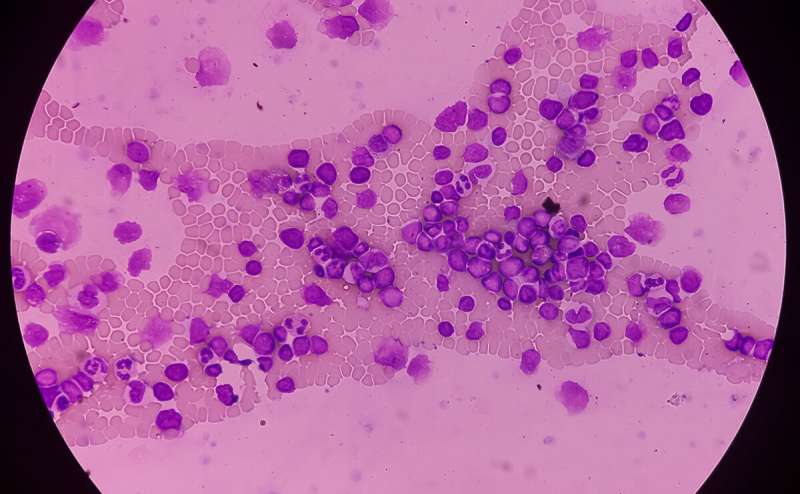
In a world initial, Newcastle scientists have identified the mechanisms acute myeloid leukemia (AML) cells use to generate “cost-free radicals”—the byproduct of a mobile course of action that aggressively fuels the expansion of cancer cells and restrictions the efficiency of present solutions.

Printed March 28 in Science Signaling, University of Newcastle and Hunter Professional medical Research Institute (HMRI) researchers also determined a tactic to silence the manufacturing of absolutely free radicals in leukemia cells, in turn strengthening their reaction to latest therapies utilised to take care of leukemia individuals.

Reactive oxygen species (ROS)

The generation of Reactive Oxygen Species (ROS), also regarded as totally free radicals, is a essential and predicted byproduct of mobile procedures in just the human system.

Having said that, overproduction or uncontrolled ROS can bring about damage to DNA, cells and tissues, foremost to disease.

In the scenario of cancer, malignant cells turn into addicted to ROS, utilizing its destructive electricity to bring about continuous modifications to mobile advancement and survival mechanisms, building them pretty much difficult to address. Most cancers cells also use ROS to amplify their progress by means of oxidation of proteins needed for energy.

Biomedical scientist, University of Newcastle Affiliate Professor Mat Dun, stated reports of excessive ROS in cancer experienced improved in frequency in modern yrs, on the other hand in advance of now, the distinct mechanisms involved, had been improperly comprehended.

“We set out to examine the supply of ROS in leukemia cells and how ROS influences leukemia mobile expansion, survival and reaction to anti-cancer therapies.

“Importantly, we considered that if we could identify the way in which ROS was perpetuating the malignancy, we could obtain a way to mitigate ROS generation and regulate or decrease leukemia cell growth and survival,” he reported.

A international initially

It is the initial time the result of ROS or free of charge radicals has been characterised throughout the complete “proteome,” that is all proteins, in acute myeloid leukemia.

Affiliate Professor Dun claimed as ROS was thought to be a key participant in virtually all styles of cancer, their discovery could potentially be efficient for other varieties of most cancers.

“Anti-most cancers medication usually get the job done by concentrating on proteins, producing our getting highly instructive in leukemia investigate circles, which we hope will translate to enhanced survival for long run leukemia individuals.”

The journey to discovery

To conduct the exploration, the group used a professional approach acknowledged as “significant resolution proteomic profiling.” This included assessing the variety of proteins inside of blood cells from clients with acute myeloid leukemia vs . healthy blood cells, as it is proteins that handle how cells grow and react to, or resist, cancer therapies.

With the assist of their Danish collaborators, the team assessed how ROS affected proteins in leukemia compared to healthy cells.

“Our proteomic profiling confirmed that ROS-influenced proteins were being additional very expressed in some sufferers compared to many others, and, in those people with higher expression, we recognized a genetic mutation prevalent to every sample,” Affiliate Professor Dun explained.

Silencing of acute myeloid leukemia’s absolutely free radicals

Proteins discovered as getting afflicted in cancer samples are viewed as a therapeutic vulnerability.

“We realized if we could locate or establish prescription drugs that specific the proteins energetic or present in the leukemia cells, we could impede the cancer’s capability to perpetually mature and survive.”

In partnership with pharmaceutical business GlaxoSmithKline, the team examined its novel, ROS-concentrating on drug in the leukemia models, finding leukemia mobile growth was impeded. This was particularly the scenario in styles that mimicked drug-resistant sorts of leukemia.

“If upcoming clinical trials confirm protection and success of the ROS-concentrating on drug, this solution will very likely aid a substantial subset of persons with acute myeloid leukemia, together with these with drug-resistant disease.”

Far more info:
Zacary P. Germon et al, Blockade of ROS production inhibits oncogenic signaling in acute myeloid leukemia and amplifies reaction to precision therapies, Science Signaling (2023). DOI: 10.1126/scisignal.abp9586

Furnished by
Newcastle University


Citation:
Discovery could be crucial to lessening leukemia treatment resistance (2023, March 29)
retrieved 1 April 2023
from https://medicalxpress.com/news/2023-03-discovery-essential-leukemia-treatment method-resistance.html

This doc is topic to copyright. Apart from any reasonable dealing for the objective of personal study or research, no
element may well be reproduced without having the penned permission. The material is delivered for info reasons only.

Russian authorities in Crimea deny medical treatment for jailed journalist Iryna Danylovych

Russian authorities in Crimea deny medical treatment for jailed journalist Iryna Danylovych

Paris, March 28, 2023—Authorities in Russian-occupied Crimea must make it possible for journalist Iryna Danylovych obtain to swift and thorough health-related care, and must launch all associates of the push held for their perform, the Committee to Safeguard Journalists stated Tuesday.

Russian authorities have held Danylovych, a nurse and freelance journalist covering the healthcare system, because April 2022. In the course of her detention, authorities have overwhelmed and threatened to destroy her.

On March 22, 2023, the Ukrainian human legal rights team Zmina published a letter from Danylovych stating that her health had deteriorated when at the rear of bars, that she had been denied health care treatment, and she had begun a dry hunger strike, refusing all liquids right until she was granted entry to sufficient medical care.

Also on March 21, Danylovych fainted whilst staying transported to a Crimean court docket, according to a number of information studies, a report by Zmina, and Lutfiye Zudiyeva, a consultant of the human rights group Crimean Solidarity, who spoke to CPJ by using messaging app.

“Russian authorities in occupied Crimea should promptly grant journalist Iryna Danylovych access to professional medical help and halt punishing customers of the push for their operate,” mentioned Gulnoza Mentioned, CPJ’s Europe and Central Asia plan coordinator, in New York. “Danylovych should really not be in prison in the 1st put, and authorities should really halt retaliating towards Crimean journalists by depriving them of their primary legal rights.”

In her letter, Danylovych reported that she experienced suffered from listening to decline and a continuous ringing in her still left ear for 4 months, creating her “unbearable suffering.” She wrote that she suspected that she experienced suffered “a mini stroke” but had not been examined or dealt with, and that local authorities had been knowledgeable of her ailment since late November 2022.

Danylovych’s father Bronislav Danylovych informed CPJ by cellphone that she was “suffering from strong head aches and experienced a frequent noise in her ears, as if she was standing shut to an aircraft motor,” when he last achieved with her on March 20.

Bronislav Danylovych told CPJ that he met with associates of the detention centre and the penitentiary system’s health-related provider on March 27. All through that assembly, these reps explained to the journalist’s father that Danylovych was receiving medicine, but he advised CPJ that he did not believe them. He reported he regarded her remedy to be retaliation for her journalism.

Zudiyeva instructed CPJ that this kind of clinical support is needed to be administered at a civilian medical center, and mentioned the journalist experienced not been transferred to this kind of a facility.

In the course of a March 21 meeting with her lawyer, Danylovych explained she could not correctly review her circumstance information because of her well being, Zudiyeva explained to CPJ. In her letter, she wrote that she would not review her data files till she recovers and regarded her procedure “torture.”

Danylovych worked at a health care center in the village of Vladyslavivka and contributed to community information web sites InZhir Media and Crimean Approach.

On December 28, 2022, she was sentenced to 7 years in jail and fined 50,000 rubles (US$690) for allegedly managing explosives. She denied the prices and wrote that explosives experienced been planted to incriminate her.

Danylovych appealed her conviction, but a day for an enchantment hearing has not been established, according to Zudiyeva and Zmina’s worldwide advocacy officer, Tetiana Zhukova, who spoke to CPJ by means of messaging app and e mail.

CPJ emailed the Feodosia City Court docket, where Danyloych’s demo is taking place, as perfectly as the Simferopol detention heart, wherever she is getting held, and the Crimean Federal Penitentiary Services but did not immediately receive any responses.

At the very least 19 journalists, such as Danylovych, were powering bars in Russia and Russian-occupied Crimea on December 1, 2022, when CPJ carried out its most latest jail census.

Time of day may matter for diagnosis, treatment

Time of day may matter for diagnosis, treatment

An analog alarm clock on a flat surfaceShare on Pinterest
Researchers have shown that one’s circadian rhythm can affect the effectiveness of certain medications. Vera Lair/Stocksy
  • The body’s circadian rhythm helps ensure the body goes through all the natural processes that need to occur in a 24-hour cycle.
  • Past research shows circadian rhythm can affect certain health conditions and how well medications work.
  • Researchers from the Swiss Federal Institute of Technology have found circadian rhythm may also impact a person’s cancer diagnosis and treatment success.

The body’s circadian rhythm — the natural 24-hour cycle that happens throughout the day — has an impact on sleep.

However, previous research has also found the circadian rhythm to have an effect on a number of health concerns, including mental health disorders, epilepsy, cardiovascular disease, and diabetes.

A study in April 2021 found that a person’s circadian rhythm may influence how effective certain medications are depending on what time of day they are administered.

Now, researchers from the Swiss Federal Institute of Technology (ETH) Zurich believe that the circadian rhythm may also impact cancer diagnosis and treatment success.

The study was recently published in the journal Trends in Cell Biology.

The circadian rhythm is basically a master clock for the body.

Every day, the body goes through a cycle of processes that last for about 24 hours. This includes physical, behavioral, and mental changes, including hormonal activity and digestion. The circadian rhythm ensures the body goes through these processes.

Circadian rhythm also regulates the body’s sleep/wake cycle. During the day, the circadian rhythm helps us feel awake and alert. At night, it helps ensure the body rests through sleep.

Certain things can disrupt the body’s natural circadian rhythm, including:

If a person’s circadian rhythm becomes disrupted, they can have a circadian rhythm sleep disorder.

And previous studies in mice have linked disrupted circadian rhythm to cancer development.

In this study, the research team analyzed current data known about circadian rhythm and cancer development, diagnosis, and treatment.

The scientists found that metastasis — the spread of cancer cells from the original site to another area of the body — is connected to the circadian rhythm.

For example, the authors state, breast cancer is more likely to metastasize at night while a person is asleep, whereas prostate cancer is more likely to metastasize at other times during the day.

The authors believe that a person’s circadian rhythm could influence the effectiveness of chemotherapy and immunotherapy treatments. A process called chronotherapy can be used to coordinate treatment delivery with the body’s circadian rhythm.

Study researchers also found that the time of day a person receives cancer treatment may impact how successful it is.

The scientists cited a study in 2021 showing that people with melanoma who received immunotherapeutic drugs before 4:30 p.m. were almost twice as likely to survive as people who received the treatment later in the day.

The research team reported that the circadian rhythm might help doctors with cancer diagnosis.

As cancer cells make proteins at different times of the day, researchers believe that knowing when these proteins are at their highest concentration can help decrease misdiagnosis and help when performing biopsies.

After reviewing this study, Dr. Santosh Kesari, a neuro-oncologist and director of neuro-oncology at Providence Saint John’s Health Center, chair of the Department of Translational Neurosciences and Neurotherapeutics at Saint John’s Cancer Institute in Santa Monica, California, and regional medical director for the Research Clinical Institute of Providence Southern California, said this is a new concept that is not yet well understood.

Dr. Kesari, who was not involved in the research, told Medical News Today that, nevertheless:

“[B]ased on a variety of mostly preclinical data, and maybe some clinical data too, it seems like the circadian rhythm can have some profound effects, not just obviously on sleep and other functions, but a lot of biology in terms of cancers developing and also treating cancers and how the circadian rhythm can affect the effectiveness of the various treatments — immunotherapy and chemotherapy — that we give patients.”

Dr. Manmeet S. Ahluwalia, deputy director, chief scientific officer, chief of medical oncology, and Fernandez Family Foundation Endowed Chair in Cancer Research with Miami Cancer Institute, part of Baptist Health South Florida, who was also not involved in this study, weighed in on the argument.

He said that, if this concept is validated in a prospective setting, in the future it may help doctors recommend treatments at a particular time of the day to enhance efficacy or minimize side effects.

“For example, in patients with ovarian cancer who receive Adriamycin in the morning and cisplatin in the evening, they experience fewer side effects than patients who received Adriamycin in the evening and cisplatin in the morning,” he noted.

Both doctors agreed that additional research on this topic is needed before major changes are adopted.

“As the findings could have a far-reaching impact on how we treat our cancer patients, it would be great if the research related to circadian rhythm could be validated in a prospective clinical setting with translational research built-in to support the clinical findings,” Dr. Ahluwalia said.

Dr. Kesari cautioned that because cancer takes many years to develop in the body, it may be hard to study the impact of circadian rhythm on cancer development in humans.

Still, “I think there [are] some mouse models that can be studied to see disrupting [the] circadian rhythm and what it predisposes to,” he added.

With regards to circadian rhythm’s impact on cancer treatment, Dr. Kesari said that is really critical.

“The question is how big of an effect and is it really worth it to change whether we treat in the morning or afternoon or evening based on the circadian rhythm,” he stressed.

“I think there is a lot more to learn. And in particular, applying it to humans is going to be difficult, obviously, because the clinics are open 8 a.m. to 5 p.m. or 6 p.m. If it’s an IV chemo, then timing it in that context is not easy. Obviously, oral chemos or oral treatments can be done much easier at a specific time.”
— Dr. Santosh Kesari

Fetterman expected back ‘soon’ after weeks of inpatient treatment at Walter Reed for post-stroke depression

Fetterman expected back ‘soon’ after weeks of inpatient treatment at Walter Reed for post-stroke depression

U.S. Sen. John Fetterman, D-Penn., is expected back again to get the job done “soon,” his place of work explained Thursday, while a return is however a lot more than a 7 days away.

Fetterman, 53, was only months into his assistance when he checked himself into Walter Reed Nationwide Armed service Medical Heart on Feb. 15. Through his campaign in Pennsylvania, Fetterman’s well being was regularly targeted by his critics.

“He’ll be again before long, at minimum about a 7 days, but before long,” spokesperson Joe Calvello reported Thursday.

It has been 5 months considering that Fetterman sought inpatient treatment method for medical despair. He served in his office environment for 6 months right before he sought remedy.

MEDIA WHITEWASHED FETTERMAN Wellbeing Difficulties All through ELECTION, UNCURIOUS ABOUT Prolonged ABSENCE FROM CAPITOL

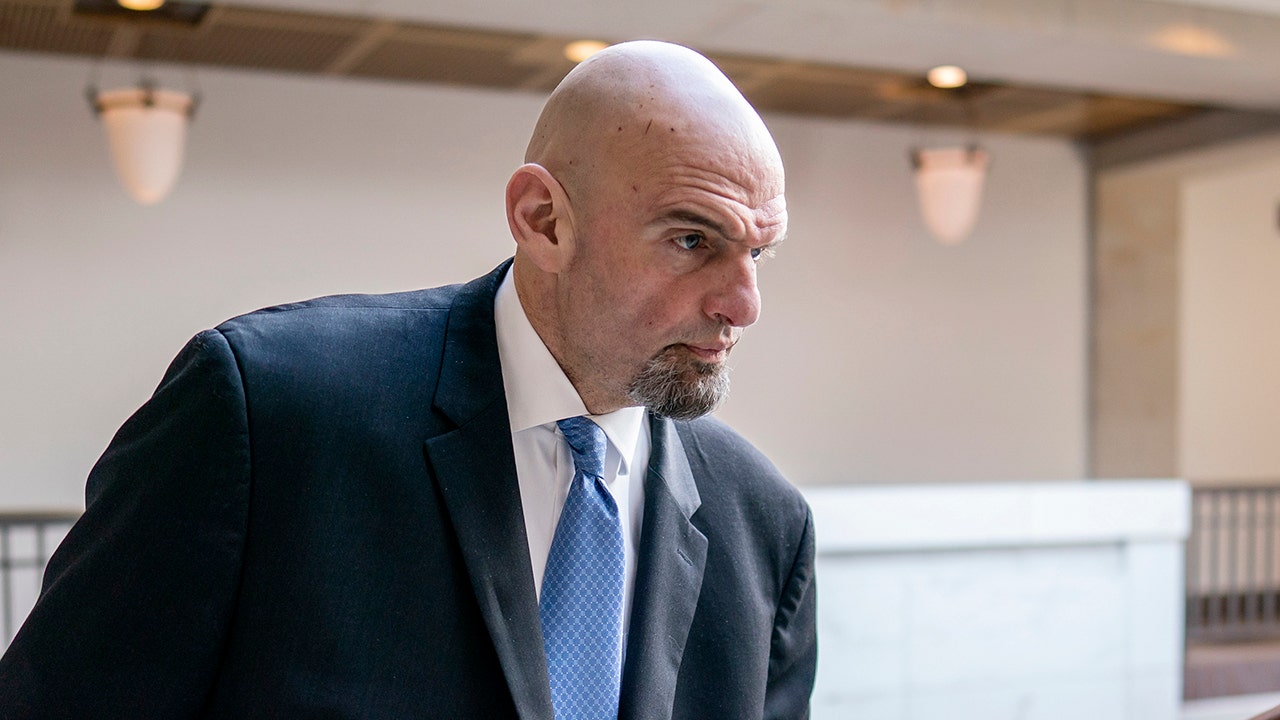
Sen. John Fetterman, D-Pa., at the Capitol in Washington, Feb. 14, 2023. 

Sen. John Fetterman, D-Pa., at the Capitol in Washington, Feb. 14, 2023.  (AP Picture/J. Scott Applewhite)

Senate Vast majority Leader Chuck Schumer, D-N.Y., was requested Wednesday about the freshman senator’s return and explained only that he would keep on to give him time and space to recuperate.

“We want to give him the house to recuperate,” Schumer said at a news convention. “He wants it, it is truthful, it’s correct.”

Schumer additional: “There are other individuals in the Senate who have taken their time to recuperate, but I’m self-confident he’s going to occur again and be an fantastic and wonderful senator.”

Senate Majority Leader Chuck Schumer, D-NY, and Sen. Mark Warner, D-VA, arrives for a news conference following a closed-door lunch meeting with Senate Democrats at the U.S. Capitol March 22, 2023, in Washington, DC. 

Senate Greater part Leader Chuck Schumer, D-NY, and Sen. Mark Warner, D-VA, comes for a information conference following a closed-doorway lunch conference with Senate Democrats at the U.S. Capitol March 22, 2023, in Washington, DC.  (Drew Angerer/Getty Photos)

Sen. Bob Casey, D-Pa., told the Affiliated Press that he has purposely not identified as Fetterman as “the very last point he requirements is a whole lot of mobile phone phone calls.” Casey explained he spoke with workers who instructed him Fetterman has built “excellent development,” but he did not know when the lawmaker would return.

“I’m just pleased he’s having the time that he wants, and most men and women realize that these items really don’t occur about two or 3 months, it can take a minimal extended,” Casey reported.

Secret SWIRLS AS FETTERMAN CO-SPONSORS Laws Though HOSPITALIZED FOR Despair: ‘VERY UNUSUAL’

When Fetterman took workplace in Washington, he was continue to recovering from the aftereffects of the stroke he experienced very last May possibly throughout the marketing campaign, and his conduct declined immediately after arriving.

He was presently suffering from auditory processing ailment, which remaining him, at occasions, unable to communicate fluidly or to procedure spoken discussion into meaning immediately. He works by using devices in discussions, conferences, and congressional hearings that transcribe spoken terms in real-time.

Prior to he checked into Walter Reed, staffers explained Fetterman had not been his standard self for months and explained him as withdrawn, displaying disinterest in conversing, feeding on and the standard banter with aides.

US Vice President Kamala Harris ceremonially swears in US Senator John Fetterman, Democrat of Pennsylvania, for the 118th Congress in the Old Senate Chamber at the US Capitol in Washington, DC, January 3, 2023. 

US Vice President Kamala Harris ceremonially swears in US Senator John Fetterman, Democrat of Pennsylvania, for the 118th Congress in the Aged Senate Chamber at the US Capitol in Washington, DC, January 3, 2023.  (OLIVIER DOULIERY/AFP by using Getty Images)

Although recovering, Fetterman still gets daily in-individual briefings by chief of employees Adam Jentleson, Calvello said.

The senator is looking through the news and gets briefings, the spokesperson added. His office proceeds to situation statements and sponsor items of laws.

DEMOCRAT SEN. FETTERMAN’S Workplace RELEASES UPDATE Just after HE CHECKS HIMSELF INTO Clinic FOR Scientific Melancholy

Fetterman’s place of work stated he had expert melancholy “off and on throughout his life,” but it only turned intense after he took office.

Capitol health practitioner Dr. Brian P. Monahan evaluated Fetterman and advised hospitalization.

Submit-stroke despair is treatable and is reasonably prevalent with 1 in 3 stroke clients suffering from it, health professionals say.

Simply click Right here TO GET THE FOX Information App

Therapy typically incorporates antidepressant medication and counseling.

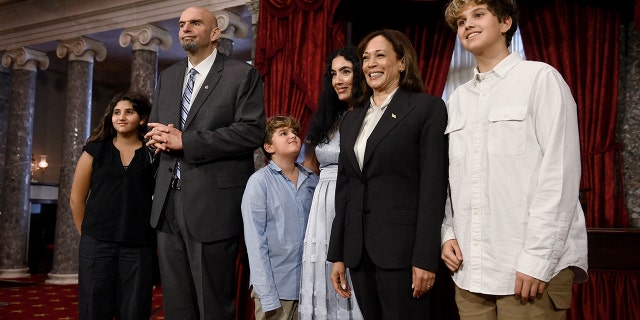
US Democratic Senator from Pennsylvania John Fetterman, Fetterman's wife Gisele Barreto Fetterman, and his family pose for a picture with Vice President Kamala Harris in the Old Senate Chamber at the US Capitol in Washington, DC, January 3, 2023. 

US Democratic Senator from Pennsylvania John Fetterman, Fetterman’s spouse Gisele Barreto Fetterman, and his family members pose for a photograph with Vice President Kamala Harris in the Previous Senate Chamber at the US Capitol in Washington, DC, January 3, 2023.  (OLIVIER DOULIERY/AFP by way of Getty Photographs)

Fetterman to begin with endured a life-threatening stroke past May well throughout a three-way Democratic primary campaign race. He then had surgery to implant a pacemaker with a defibrillator to deal with his two heart circumstances, atrial fibrillation and cardiomyopathy.

He gained the most important although in the clinic and went on to defeat Republican nominee Dr. Mehmet Oz in the November general election.

Fetterman was sworn in on Jan. 3.

The Associated Push contributed to this report.