Therapy by AI holds promise and challenges : Shots

Therapy by AI holds promise and challenges : Shots
Some companies and researchers think smart computers might eventually help with provider shortages in mental health, and some consumers are already turning to chatbots to build "emotional resilience."

Just a year ago, Chukurah Ali had fulfilled a dream of owning her own bakery — Coco’s Desserts in St. Louis, Mo. — which specialized in the sort of custom-made ornate wedding cakes often featured in baking show competitions. Ali, a single mom, supported her daughter and mother by baking recipes she learned from her beloved grandmother.

But last February, all that fell apart, after a car accident left Ali hobbled by injury, from head to knee. “I could barely talk, I could barely move,” she says, sobbing. “I felt like I was worthless because I could barely provide for my family.”

As darkness and depression engulfed Ali, help seemed out of reach; she couldn’t find an available therapist, nor could she get there without a car, or pay for it. She had no health insurance, after having to shut down her bakery.

So her orthopedist suggested a mental-health app called Wysa. Its chatbot-only service is free, though it also offers teletherapy services with a human for a fee ranging from $15 to $30 a week; that fee is sometimes covered by insurance. The chatbot, which Wysa co-founder Ramakant Vempati describes as a “friendly” and “empathetic” tool, asks questions like, “How are you feeling?” or “What’s bothering you?” The computer then analyzes the words and phrases in the answers to deliver supportive messages, or advice about managing chronic pain, for example, or grief — all served up from a database of responses that have been prewritten by a psychologist trained in cognitive behavioral therapy.

That is how Ali found herself on a new frontier of technology and mental health. Advances in artificial intelligence — such as Chat GPT — are increasingly being looked to as a way to help screen for, or support, people who dealing with isolation, or mild depression or anxiety. Human emotions are tracked, analyzed and responded to, using machine learning that tries to monitor a patient’s mood, or mimic a human therapist’s interactions with a patient. It’s an area garnering lots of interest, in part because of its potential to overcome the common kinds of financial and logistical barriers to care, such as those Ali faced.

Potential pitfalls and risks of chatbot therapy

There is, of course, still plenty of debate and skepticism about the capacity of machines to read or respond accurately to the whole spectrum of human emotion — and the potential pitfalls of when the approach fails. (Controversy flared up on social media recently over a canceled experiment involving chatbot-assisted therapeutic messages.)

“The hype and promise is way ahead of the research that shows its effectiveness,” says Serife Tekin, a philosophy professor and researcher in mental health ethics at the University of Texas San Antonio. Algorithms are still not at a point where they can mimic the complexities of human emotion, let alone emulate empathetic care, she says.

Tekin says there’s a risk that teenagers, for example, might attempt AI-driven therapy, find it lacking, then refuse the real thing with a human being. “My worry is they will turn away from other mental health interventions saying, ‘Oh well, I already tried this and it didn’t work,’ ” she says.

But proponents of chatbot therapy say the approach may also be the only realistic and affordable way to address a gaping worldwide need for more mental health care, at a time when there are simply not enough professionals to help all the people who could benefit.

Someone dealing with stress in a family relationship, for example, might benefit from a reminder to meditate. Or apps that encourage forms of journaling might boost a user’s confidence by pointing when out where they make progress.

Proponents call the chatbot a ‘guided self-help ally’

It’s best thought of as a “guided self-help ally,” says Athena Robinson, chief clinical officer for Woebot Health, an AI-driven chatbot service. “Woebot listens to the user’s inputs in the moment through text-based messaging to understand if they want to work on a particular problem,” Robinson says, then offers a variety of tools to choose from, based on methods scientifically proven to be effective.

Many people will not embrace opening up to a robot.

Chukurah Ali says it felt silly to her too, initially. “I’m like, ‘OK, I’m talking to a bot, it’s not gonna do nothing; I want to talk to a therapist,” Ali says, then adds, as if she still cannot believe it herself: “But that bot helped!”

At a practical level, she says, the chatbot was extremely easy and accessible. Confined to her bed, she could text it at 3 a.m.

“How are you feeling today?” the chatbot would ask.

“I’m not feeling it,” Ali says she sometimes would respond.

The chatbot would then suggest things that might soothe her, or take her mind off the pain — like deep breathing, listening to calming music, or trying a simple exercise she could do in bed. Ali says things the chatbot said reminded her of the in-person therapy she did years earlier. “It’s not a person, but, it makes you feel like it’s a person,” she says, “because it’s asking you all the right questions.”

Technology has gotten good at identifying and labeling emotions fairly accurately, based on motion and facial expressions, a person’s online activity, phrasing and vocal tone, says Rosalind Picard, director of MIT’s Affective Computing Research Group. “We know we can elicit the feeling that the AI cares for you,” she says. But, because all AI systems actually do is respond based on a series of inputs, people interacting with the systems often find that longer conversations ultimately feel empty, sterile and superficial.

While AI may not fully simulate one-on-one individual counseling, its proponents say there are plenty of other existing and future uses where it could be used to support or improve human counseling.

AI might improve mental health services in other ways

“What I’m talking about in terms of the future of AI is not just helping doctors and [health] systems to get better, but helping to do more prevention on the front end,” Picard says, by reading early signals of stress, for example, then offering suggestions to bolster a person’s resilience. Picard, for example, is looking at various ways technology might flag a patient’s worsening mood — using data collected from motion sensors on the body, activity on apps, or posts on social media.

Technology might also help improve the efficacy of treatment by notifying therapists when patients skip medications, or by keeping detailed notes about a patient’s tone or behavior during sessions.

Maybe the most controversial applications of AI in the therapy realm are the chatbots that interact directly with patients like Chukurah Ali.

What’s the risk?

Chatbots may not appeal to everyone, or could be misused or mistaken. Skeptics point to instances where computers misunderstood users, and generated potentially damaging messages.

But research also shows some people interacting with these chatbots actually prefer the machines; they feel less stigma in asking for help, knowing there’s no human at the other end.

Ali says that as odd as it might sound to some people, after nearly a year, she still relies on her chatbot.

“I think the most I talked to that bot was like 7 times a day,” she says, laughing. She says that rather than replacing her human health care providers, the chatbot has helped lift her spirits enough so she keeps those appointments. Because of the steady coaching by her chatbot, she says, she’s more likely to get up and go to a physical therapy appointment, instead of canceling it because she feels blue.

That’s precisely why Ali’s doctor, Washington University orthopedist Abby Cheng, suggested she use the app. Cheng treats physical ailments, but says almost always the mental health challenges that accompany those problems hold people back in recovery. Addressing the mental-health challenge, in turn, is complicated because patients often run into a lack of therapists, transportation, insurance, time or money, says Cheng, who is conducting her own studies based on patients’ use of the Wysa app.

“In order to address this huge mental health crisis we have in our nation — and even globally — I think digital treatments and AI can play a role in that, and at least fill some of that gap in the shortage of providers and resources that people have,” Cheng says.

Not meant for crisis intervention

But getting to such a future will require navigating thorny issues like the need for regulation, protecting patient privacy and issues of legal liability. Who bears responsibility if the technology goes wrong?

Many similar apps on the market, including those from Woebot or Pyx Health, repeatedly warn users that they are not designed to intervene in acute crisis situations. And even AI’s proponents argue computers aren’t ready, and may never be ready, to replace human therapists — especially for handling people in crisis.

“We have not reached a point where, in an affordable, scalable way, AI can understand every sort of response that a human might give, particularly those in crisis,” says Cindy Jordan, CEO of Pyx Health, which has an app designed to communicate with people who feel chronically lonely.

Jordan says Pyx’s goal is to broaden access to care — the service is now offered in 62 U.S. markets and is paid for by Medicaid and Medicare. But she also balances that against worries that the chatbot might respond to a suicidal person, ” ‘Oh, I’m sorry to hear that.’ Or worse, ‘I don’t understand you.’ ” That makes her nervous, she says, so as a backup, Pyx staffs a call center with people who call users when the system flags them as potentially in crisis.

Woebot, a text-based mental health service, warns users up front about the limitations of its service, and warnings that it should not be used for crisis intervention or management. If a user’s text indicates a severe problem, the service will refer patients to other therapeutic or emergency resources.

Cross-cultural research on effectiveness of chatbot therapy is still sparse

Athena Robinson, chief clinical officer for Woebot, says such disclosures are critical. Also, she says, “it is imperative that what’s available to the public is clinically and rigorously tested,” she says. Data using Woebot, she says, has been published in peer-reviewed scientific journals. And some of its applications, including for post-partum depression and substance use disorder, are part of ongoing clinical research studies. The company continues to test its products’ effectiveness in addressing mental health conditions for things like post-partum depression, or substance use disorder.

But in the U.S. and elsewhere, there is no clear regulatory approval process for such services before they go to market. (Last year Wysa did receive a designation that allows it to work with Food and Drug Administration on the further development of its product.)

It’s important that clinical studies — especially those that cut across different countries and ethnicities — continue to be done to hone the technology’s intelligence and its ability to read different cultures and personalities, says Aniket Bera, an associate professor of computer science at Purdue.

“Mental-health related problems are heavily individualized problems,” Bera says, yet the available data on chatbot therapy is heavily weighted toward white males. That bias, he says, makes the technology more likely to misunderstand cultural cues from people like him, who grew up in India, for example.

“I don’t know if it will ever be equal to an empathetic human,” Bera says, but “I guess that part of my life’s journey is to come close.”

And, in the meantime, for people like Chukurah Ali, the technology is already a welcome stand-in. She says she has recommended the Wysa app to many of her friends. She says she also finds herself passing along advice she’s picked up from the app, asking friends, “Oh, what you gonna do today to make you feel better? How about you try this today?”

It isn’t just the technology that is trying to act human, she says, and laughs. She’s now begun mimicking the technology.

Postmenopausal hormone therapy and mortality before and after the Women’s Health Initiative study

Postmenopausal hormone therapy and mortality before and after the Women’s Health Initiative study

We observed a diminished systemic HT prevalence and an elevated mortality danger for systemic HT end users in the two study populations in the wake of the 2002 WHI publication with the most pronounced inclination offered in the singleton populace. The conclusions suggest an alteration in the HT user profile just after 2002 with a unique pattern of HT use, most likely owing to the healthiest users determining to either fall systemic HT or switching to local HT, as tips improved subsequent the WHI publication. It highlights the value of satisfactory baseline characteristics when inspecting HT use, as confounders may possibly differ markedly with altering HT person profile over time.

In line with earlier reports, we noticed a drop in systemic HT prevalence concerning 2000 and 2005 for systematic HT people in the menopausal or postmenopausal age9,10,11,12. The WHI publication in 2002, and subsequent media consideration and alteration in HT prescription guidelines, is generally deemed the principal explanation for the observed decrease, as systemic HT was recommended kept in the lowest probable dosage for the shortest amount of money of time and was not to be utilised by asymptomatic girls15,23,24.

Scientific trials evaluating HT users to non-people uncovered no association in between systemic HT and all-induce mortality3. This is supported by a Danish observational study of HT initiated ahead of 2002, which observed no association concerning systemic HT and general mortality in a large cohort of just about 30,000 girls25. But, meta-analyses of both scientific and observational studies found a lessened danger of all-result in mortality, if systemic HT was initiated at age < 60 years26,27. This finding aligns with our study, as we observed a lower risk of all-cause mortality for systemic HT users in the age group 56–60 in 2000, before the WHI publication. However, a change occurred in 2005, after the WHI study, as the mortality risk among systemic HT users was like that of non-users, supporting a selection hypothesis rather than causality.

A smaller German observational study examined differences in the pre- and post-WHI HT user profile shortly after the 2002 WHI publication and found a decline in prevalence especially amongst women with higher social status, lower body mass index (BMI), and healthier lifestyle28.

This aligns with a Canadian study also performed shortly after the 2002 WHI publication, which indicated a shift in the profile of HT users. A decline in prescriptions was observed and gynaecologists now preferred to prescribe lower doses of systemic HT if necessary. Women who were prescribed HT in the year after the WHI publication had fewer medical visits on average (7.47 vs. 6.36), yet a higher number of different classes of drugs per month (1.07 vs 1.18)29.

Our study, designed to examine long term outcomes and HT user differences in a large study population, supports these previous findings, as we observed a decreased prevalence, changing mortality risk from lower than to similar to that of the background population, and increased years of education for systemic HT users between 2000 and 2005, which altogether suggests an alteration in the systemic HT user profile following the 2002 WHI publication.

Danish twins have previously shown to have a mortality rate similar to that of the background population30. While the association between HT and mortality in the twin study population showed no clear trend across all age groups, likely due to the small sample size, it did show an increasing mortality for systemic HT users aged 56–60 between 2000 and 2005.

Alignment of the findings from the singleton and twin study populations suggests that the increased mortality after 2002 is due to a selection rather than causal effects. The selection may be a result of the abrupt discontinuation of systemic HT following the WHI publication, indicating a paradigm shift away from the otherwise generalised perception of systemic HT users being healthier than non-users13,28,31,32. Our study supports this hypothesis, as we observed an increased mortality risk after the 2002 WHI publication, but it must also be mentioned that the mortality risk is still close to one. So even if the post-WHI HT user is considered unhealthier, the overall mortality risk is not increased compared to the background population.

The strengths of our study include the linkage of nationwide registries enabled by the unique personal identification number, which allows us to study data from the universal healthcare system on a large, random sample from the general Danish population and Danish twins. This, combined with the access to information on education, provided a favourable setting for investigation of the association between HT and all-cause mortality as the registries provided a long and full follow-up with minimal room for selection bias. A major strength is the access to a unique study population of Danish twins provided by the DTR enabling the exposure-discordant twin design, which controls for potential genetic confounding and shared environmental confounding17.

Some limitations must also be mentioned. Our findings of systemic HT users being better educated than non-users and being slightly better educated after the 2002 WHI publication indicates a shift in the HT user profile. Our study could have benefitted from additional information on lifestyle and menopause e.g., age of menopause, smoking, and BMI, to illuminate other potential differences in HT user profiles. Another limitation was lack of statistical power in the twin study population, which hindered a further examination of HT user category differences. Lack of statistical power in both study populations further prevented us from dividing HT exposure into dosage and regimen. There is also the possibility of left truncation bias, as the DNPR only contains information on HT exposure from 1995 onwards. Although the DNPR provides excellent assessment of prescriptions and complete national coverage21, we only have information on redeemed prescriptions and thus have no indication of the HT user’s compliance. This could potentially overestimate the use of HT.

Following the 2002 WHI publication, we found a decreased systemic HT prevalence and a change from lower to similar mortality risk compared to the background population for systemic HT users within the singleton and twin study populations. These findings suggest an altogether different HT user profile with a different pattern of HT use, perhaps driven by the healthiest users deciding to either drop systemic HT or switching to local HT as recommendations changed following the WHI publication. Mortality is a crude outcome and is, in this study, used as a summary measure of health and could in future studies be complemented by suggested HT user alteration in other measures of health and lifestyle. Our study highlights the importance of examining, in future studies, not only the differences between HT users and non-user, but also the differences between HT users before and after 2002, as they may vary on subtle and not easily assessed health and lifestyle risk factors, which may be related to initiation, regimen and dose of HT28,33. This emphasises that confounder control is required when investigating the influence of HT, but also that confounders may alter with the altered HT user profile before and after 2002.

Hoth Therapeutics Announces FDA Acceptance of IND Application for HT-001 for the Treatment of Cancer Disorders Associated with Epidermal Growth Factor Receptor (EGFR) Inhibitor Therapy

Hoth Therapeutics Announces FDA Acceptance of IND Application for HT-001 for the Treatment of Cancer Disorders Associated with Epidermal Growth Factor Receptor (EGFR) Inhibitor Therapy

On-monitor to initiate Phase 2 demo in Q1 2023

NEW YORK, Dec. 29, 2022 /PRNewswire/ — Hoth Therapeutics, Inc. (NASDAQ: HOTH), a affected individual-focused biopharmaceutical company, these days announced that the U.S. Food stuff and Drug Administration (Food and drug administration) has accepted an Investigational New Drug (IND) software for the firm’s HT-001 therapeutic for the treatment for rash and pores and skin issues associated with epidermal growth factor receptor (EGFR) inhibitor treatment. EGFR inhibitors are critical therapeutic agents for the remedy of non-modest cell lung most cancers (NSCLC), pancreatic most cancers, colorectal most cancers, squamous-cell carcinoma of the head and neck, and breast cancer.

(PRNewsfoto/Hoth Therapeutics Inc.)

(PRNewsfoto/Hoth Therapeutics Inc.)

“We are enthusiastic to commence our demo and convey hope to sufferers who are struggling.  With no certain therapy at present permitted for the therapy of pores and skin toxicities linked with EGFRi therapies, this trial provides us a single stage nearer to a new treatment method option for underserved most cancers people,” said Robb Knie, CEO of Hoth Therapeutics, Inc. “We appear ahead to advancing HT-001 into the medical section as we believe that this novel therapeutic will be a critical cure in the onco-dermatology area. We foresee starting our Section 2a trial in Q1 of 2023.

About Hoth Therapeutics, Inc.

Hoth Therapeutics, Inc. is a clinical-stage biopharmaceutical corporation focused to producing ground breaking, impactful, and ground-breaking treatment options with a purpose to improve affected individual good quality of lifetime. We are a catalyst in early-phase pharmaceutical exploration and advancement, elevating medicines from the bench to pre-scientific and scientific testing. Utilizing a individual-centric tactic, we collaborate and partner with a group of researchers, clinicians, and important opinion leaders to search for out and look into therapeutics that maintain immense prospective to produce breakthroughs and diversify procedure possibilities.  To find out extra, please check out https://ir.hoththerapeutics.com/.

Ahead-Searching Assertion

This push release consists of ahead-seeking statements primarily based on Hoth’s present expectations which might represent ahead-hunting statements for the applications of the protected harbor provisions less than the Private Securities Litigation Reform Act of 1995 and other federal securities regulations, and are matter to sizeable threats, uncertainties and assumptions. These statements issue Hoth’s enterprise strategies the timing of regulatory submissions the means to obtain and manage regulatory acceptance of current solution candidates and any other product candidates Hoth might develop, and the labeling under any acceptance Hoth may possibly get hold of the timing and prices of medical trials, the timing and expenditures of other fees market place acceptance of Hoth’s solutions the supreme impression of the present-day Coronavirus pandemic, or any other wellbeing epidemic, on Hoth’s organization, its clinical trials, its investigation courses, healthcare units or the world overall economy as a total Hoth’s intellectual house Hoth’s reliance on third social gathering corporations Hoth’s aggressive place Hoth’s sector surroundings Hoth’s anticipated monetary and running final results, such as anticipated resources of revenues Hoth’s assumptions pertaining to the size of the offered industry, benefits of Hoth’s goods, products pricing, timing of products launches management’s expectation with regard to long term acquisitions statements with regards to Hoth’s aims, intentions, strategies and expectations, which includes the introduction of new products and solutions and marketplaces and Hoth’s hard cash wants and funding plans. There are a selection of components that could trigger precise functions to differ materially from those people indicated by this kind of forward-seeking statements. You should not location undue reliance on these forward-searching statements, which incorporate words these as “could,” “consider,” “foresee,” “intend,” “estimate,” “expect,” “may perhaps,” “carry on,” “forecast,” “likely,” “job” or very similar terms, versions of this sort of conditions or the detrimental of individuals phrases. Even though Hoth believes that the expectations reflected in the forward-on the lookout statements are fair, Hoth cannot ensure this kind of outcomes. Hoth may perhaps not realize its anticipations, and its beliefs could not verify proper. Genuine outcomes might vary materially from individuals indicated by these ahead-seeking statements as a outcome of different crucial aspects, including, without limitation, sector problems and the components explained in the portion entitled “Threat Factors” in Hoth’s most new Annual Report on Sort 10-K and Hoth’s other filings produced with the U.S. Securities and Exchange Commission. All such statements talk only as of the day of this press launch. Consequently, ahead-hunting statements should really be regarded entirely as Hoth’s present-day ideas, estimates, and beliefs. Hoth are unable to assure potential final results, functions, levels of activity, efficiency or achievements. Hoth does not undertake and exclusively declines any obligation to update or revise any forward-seeking statements to replicate new info, potential functions or instances or to reflect the occurrences of unanticipated functions, except as may well be necessary by applicable law.

Trader Get in touch with:
LR Advisors LLC
Email: investorrelations@hoththerapeutics.com
www.hoththerapeutics.com
Cellular phone: (678) 570-6791

Cision

Cision

Check out authentic information to download multimedia:https://www.prnewswire.com/news-releases/hoth-therapeutics-announces-food and drug administration-acceptance-of-ind-application-for-ht-001-for-the-remedy-of-most cancers-diseases-linked-with-epidermal-growth-factor-receptor-egfr-inhibitor-therapy-301711012.html

Resource Hoth Therapeutics, Inc.

Could white light therapy improve fatigue?

Could white light therapy improve fatigue?

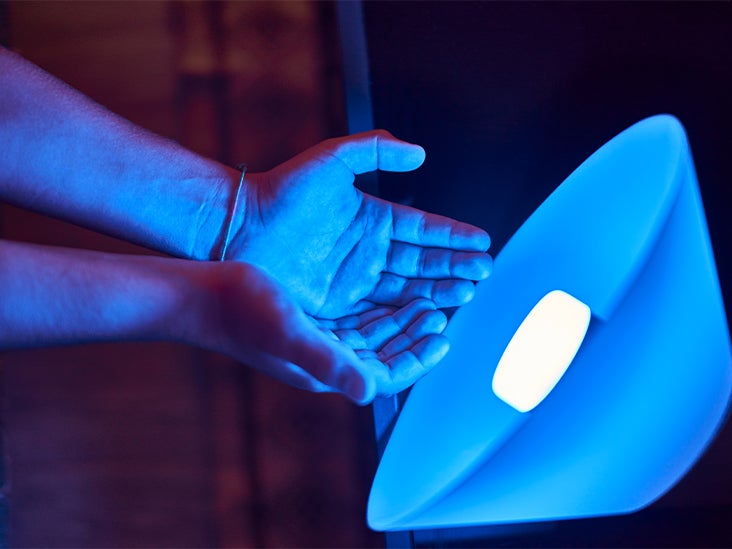
hands held over white light lampShare on Pinterest
A modest new study indicates light-weight treatment may make improvements to fatigue in many sclerosis. Impression credit history: Cavan Images/Getty Illustrations or photos.
  • A new research from Austria supports the idea that light therapy may support persons with many sclerosis (MS) minimize the overwhelming tiredness that frequently accompanies the sickness.
  • While the authors of the analyze sought to verify the result of dazzling gentle treatment, they uncovered that even dim pink gentle made a similarly clinically substantial advancement.
  • Further study is necessary to investigate the use of gentle therapy, a treatment with small side outcomes, for MS exhaustion.

A new study from the Health-related College of Vienna in Austria has investigated the benefit of brilliant mild treatment for dealing with the debilitating tiredness that commonly occurs with numerous sclerosis (MS).

Due to the fact a 2014 analyze identified that increased concentrations of sunshine publicity have been related with an improvement in MS tiredness, there has been an interest in mild remedy as a non-pharmaceutical cure for the condition.

The new analyze experiences the outcomes of a double-blind, randomized sham-controlled demo, in which individuals, all of whom had been people with MS, underwent therapy with brilliant white mild therapy. A command group underwent remedy with dim red light.

The analyze observed that dazzling white gentle treatment resulted in a clinically substantial advancement in MS fatigue following just 14 times of remedy.

The new examine is released in A number of Sclerosis Journal — Experimental, Translational and Medical.

According to the Nationwide Multiple Sclerosis Society, significant fatigue impacts 80{35112b74ca1a6bc4decb6697edde3f9edcc1b44915f2ccb9995df8df6b4364bc} of people today with MS. It typically occurs on a daily foundation, and is generally cited as the factor that brings about men and women with MS to forgo functioning.

MS fatigue is a additional profound feeling of tiredness than typical exhaustion.

Other people today could think about its signs to be signs of melancholy or a failure to interact on the aspect of the particular person with MS, but it is a regarded symptom of the disease.

The fatigue may possibly become worse over the study course of a working day, and is also aggravated by humidity and heat.

The mechanistic induce of MS fatigue is not at this time identified, although it is apparent that it is not the direct solution of depression or relevant to the extent of MS-associated physical troubles.

Scientists started with 26 members before factoring out individuals with probable confounding will cause of tiredness. They arrived at a final research cohort of 10 people today who would be treated with brilliant white mild and 12 people who would receive the dim purple light-weight — sham remedy — as a control group.

The authors cite this small study populace as a limitation of their study.

Recruitment for the elaborate study was tricky, researchers started out recruiting a lot less than 3 months ahead of Austria enacted COVID-19 lockdowns. It essential members to visit the researchers’ outpatient clinic, undergo demanding slumber analyses, and answer to questions up to four situations every single working day for 6 weeks.

General exhaustion, very poor mental overall health, and inadequate rest affiliated with the pandemic, the authors suggest, may well also have restricted the usefulness of bright light therapy.

Both equally groups gained a therapy lamp for use in their properties. The vivid light group members were offered a 10,000-lux shiny white light-weight lamp for the review.

The management team gained a significantly dimmer lamp that manufactured a crimson gentle with an intensity decreased than 300 lux. Equally teams were being anticipated to use their lamps for a half hour just about every working day.

In the brilliant light-weight group, the researchers observed a number of indicators of advancement, such as improved physical and psychological effectiveness and a lot less daytime sleepiness.

“The results from our review stand for a promising non-drug therapeutic approach,” states examine writer Dr. Stefan Seidel, from the Department of Neurology at the Medical College of Vienna and University Medical center Vienna.

The primary result researchers sought was an improvement in MS fatigue for each specific as measured utilizing the Fatigue Severity Scale (FSS).

At the close of the trial, there was little variance among the FSS scores of the brilliant gentle or sham groups, while they both equally made an enhancement that capable as clinically major.

The authors generate that, “[w]hile failing to exhibit an influence of [bright white light] that goes beyond that of a placebo influence, our success are in settlement with the favorable impression of [bright white light] on MS-fatigue reported.”

“In essence,” Dr. Jonathan Cedernaes, circadian rhythm professional at Uppsala Universitet in Sweden, instructed Healthcare Information Now, “we may well want larger sized and much more extended-time period reports — the present examine only comprised a 2-7 days intervention interval.”

Dr. Cedernaes was not included in the current analyze.

In accordance to him, the improvements caused by both of those styles of mild may possibly be a situation of a placebo influence. “This may perhaps be [simply] owing to currently being portion of the study,” he conjectured.

Another issue with the examine is that scientists did not keep track of participants’ time used outdoors in normal light-weight in the course of the research period of time. The amount of light-weight differs throughout seasons.

Dr. Cedernaes advised us that:

“Many neurodegenerative situations disrupt circadian rhythms, and this is a terrific analysis place that necessitates far more experiments to recognize cause and effect. There has […] been interest in irrespective of whether circadian disruption — such as that prompted by chronic shift function — can enhance the chance of MS. There is some assistance for this kind of an affiliation.”

He pointed out, in addition, that there is “evidence to counsel that in clients who have produced MS, a lot more critical circadian disruption at the individual level, is related with additional severe condition signs or symptoms, this kind of as fatigue.”

Mild is specifically interesting as a treatment for the reason that it has minimum facet effects, allowing for physicians to properly test it as an adjunct to other solutions a patient is receiving.

A new meta-evaluation, observed Dr. Cedernaes, was encouraging, suggesting that mild therapy made use of along with antidepressant prescription drugs is superior to the similar prescription drugs with a placebo.

Radical new therapy for Parkinson’s will use stem cell transplants | Parkinson’s disease

Radical new therapy for Parkinson’s will use stem cell transplants | Parkinson’s disease

Early next year, a radical new therapy for Parkinson’s sickness involving tissue transplants will acquire its very first trial with clients – together with a team from the British isles.

Stem cells developed in the laboratory and remodeled into nerve cells will be made use of to replace all those wrecked by the disorder. It is hoped that these will end the spread of debilitating indications.

“It has taken a lengthy time to get to this stage but hopefully effects from these trials will imply that, in a several decades, we could be in a position to offer tissue transplants as regular treatment options for Parkinson’s,” reported Prof Roger Barker, of Cambridge College. “It is unquestionably a promising technique.”

In the British isles, about 145,000 people today are living with Parkinson’s and about 18,000 new scenarios are diagnosed just about every year. The illness is activated when nerve cells that source dopamine to the mind commence to die due to a mix of genetic and environmental factors.

Dopamine will help a person handle motion. When materials drop, the final result is shaking, stiffness, depression and other signs that can end with clients utilizing a wheelchair or getting mattress-ridden. The disease’s development can be slowed by the drug L-dopa, which replaces some of the shed function of dopamine cells. Treatments turn out to be much less effective about the decades. Scientists have been browsing for a long time for new approaches.

One particular thought has been to swap dying dopamine cells with unaffected variations, which has been experimented with by several centres throughout the earth. This in the beginning associated employing tissue from aborted foetuses that experienced been donated for health-related exploration.

Foetal tissue includes dopamine-producing cells that can supply the missing chemical, despite the fact that at the very least 6 or 7 foetuses are required to deliver sufficient content for a person individual. In trials in Europe, these cells ended up injected into patients’ brains with encouraging success. Other trials in the US observed these types of remedies much much less productive, having said that.

The use of tissue from aborted foetuses was opposed by lots of on spiritual grounds. It was also tough to supply sufficient supplies for widely made use of treatment options. Having said that, Barker and his staff at Cambridge – working in collaboration with scientists led by Prof Malin Parmar at Lund College in Sweden – have made a technological know-how that avoids these challenges.

The new strategy uses stem cells, from which all cells with specialised capabilities are generated in the human system. These stem cells can be developed in laboratory cultures. Even improved, researchers have figured out how to rework them into dopamine cells. These will sort the core of the transplants that will be carried out next thirty day period.

“We now know that placing dopamine cells in the brain will operate and the course of action is secure,” explained Barker. “There is no longer a problem about supply of enough tissue due to the fact we can manufacture these cells in big numbers in the laboratory. The value is relatively low. A offer of dopamine cells – built out of stem cells – has turn out to be standardised products and we really do not have any contaminating cells, which you can get with foetal tissue.

“That means that we are now at a stage where by we can use stem -mobile transplants as therapies for Parkinson’s sufferers, while it will take various years right before we will know that these perform and can be applied as normal treatment options for Parkinson’s disorder.”

The trials will start out in the up coming couple months and will proceed around the upcoming year. There will be 4 individuals from Sweden and four participants from the United kingdom. “The cells are in a freezer and prepared to go in,” stated Barker. “The transplants will be carried out in Sweden for the reason that they have the devices to carry this out. This will be adopted up in excess of the yr with even more trials.”

Experts assume that their trials will take at minimum two yrs to total. They will be followed by very careful scrutiny of the outcomes and of any aspect-results. Offered that these progress satisfactorily, tissue transplants could be completely ready for wider use in about five yrs.

“Younger sufferers will advantage most from this remedy,” reported Barker. “It is heading to be a a person-off treatment, so that the complications that you get with continual prescription drugs will not come up, though people innovative therapies involving deep-mind stimulation will not be wanted so frequently.”

FDA approves most expensive drug ever, a $3.5 million-per-dose gene therapy for hemophilia B

FDA approves most expensive drug ever, a .5 million-per-dose gene therapy for hemophilia B

Washington — U.S. wellness regulators on Tuesday approved the initially gene treatment for hemophilia, a $3.5 million just one-time therapy for the blood-clotting condition. The Food items and Drug Administration cleared Hemgenix, an IV treatment method for older people with hemophilia B, the much less common sort of the genetic condition which primarily impacts adult men.

Currently, individuals obtain repeated, high priced IVs of a protein that assists blood clot and protect against bleeding.

Inside CSL Behring's Privigen Immunoglobulin Production Facility
Signage for CSL Behring, a device of CSL Ltd., is displayed at one of the company’s crops in Melbourne, Australia, in a July 2, 2014 file image.

Carla Gottgens/Bloomberg by way of Getty


Drugmaker CSL Behring, based in Pennsylvania, declared the $3.5 million price tag soon soon after the Food and drug administration acceptance, saying its drug would in the end lower health and fitness care fees due to the fact people would have fewer bleeding incidents and will need less clotting treatments.

According to a study cited by the Countrywide Library of Medication, the cost makes Hemgenix the most high-priced medicine in the planet, very easily topping Novartis’ Zolgensma gene remedy for spinal muscular atrophy (SMA), which costs ideal all over $2 million for each dose and is also a solitary-dose medicine. 


Strangers donate more than $2M to conserve little girl’s daily life

01:53

Like most medications in the U.S., most of the expense of the new remedy will be paid out by insurers, not sufferers, together with private strategies and governing administration packages.
 
Immediately after decades of study, gene therapies have begun reshaping the cure of cancers and uncommon inheritable diseases with medications that can modify or right mutations embedded in people’s genetic code. Hemgenix is the to start with these types of procedure for hemophilia and several other drugmakers are doing work on gene therapies for the more frequent sort of the condition, hemophilia A.
 
“Present day acceptance provides a new remedy solution for individuals with hemophilia B and signifies essential progress in the progress of progressive therapies,” stated the FDA’s Dr. Peter Marks.
 
The agency did not specify how very long the therapy functions. But CSL Behring explained patients need to advantage in conditions of minimized bleeding and greater clotting for yrs.
 
Hemophilia pretty much often strikes males and is caused by mutations in the gene for a protein necessary for blood clotting. Small cuts or bruises can be lifetime-threatening, and many people need remedies at the time or extra a week to stop significant bleeding. Remaining untreated, the situation can lead to bleeding that seeps into joints and internal organs, including the mind.
 
Hemgenix delivers a functioning gene for the clotting protein to the liver, where it is manufactured.
 
Hemophilia B affects about 1 in 40,000 individuals and accounts for approximately 15{35112b74ca1a6bc4decb6697edde3f9edcc1b44915f2ccb9995df8df6b4364bc} of these with the illness, according to the Food and drug administration.
 
The Fda said it granted approval primarily based on two modest research, which includes just one that showed these having the drug had elevated stages of the clotting protein, lessened require for standard treatment method and a 54{35112b74ca1a6bc4decb6697edde3f9edcc1b44915f2ccb9995df8df6b4364bc} fall in bleeding difficulties.
 
Previously this yr, European regulators permitted a equivalent gene therapy for hemophilia A. That drug, from drugmaker BioMarin, is continue to underneath evaluation at the Fda.