What Scientists Are Learning about Women’s Health from Other Female Animals

What Scientists Are Learning about Women’s Health from Other Female Animals

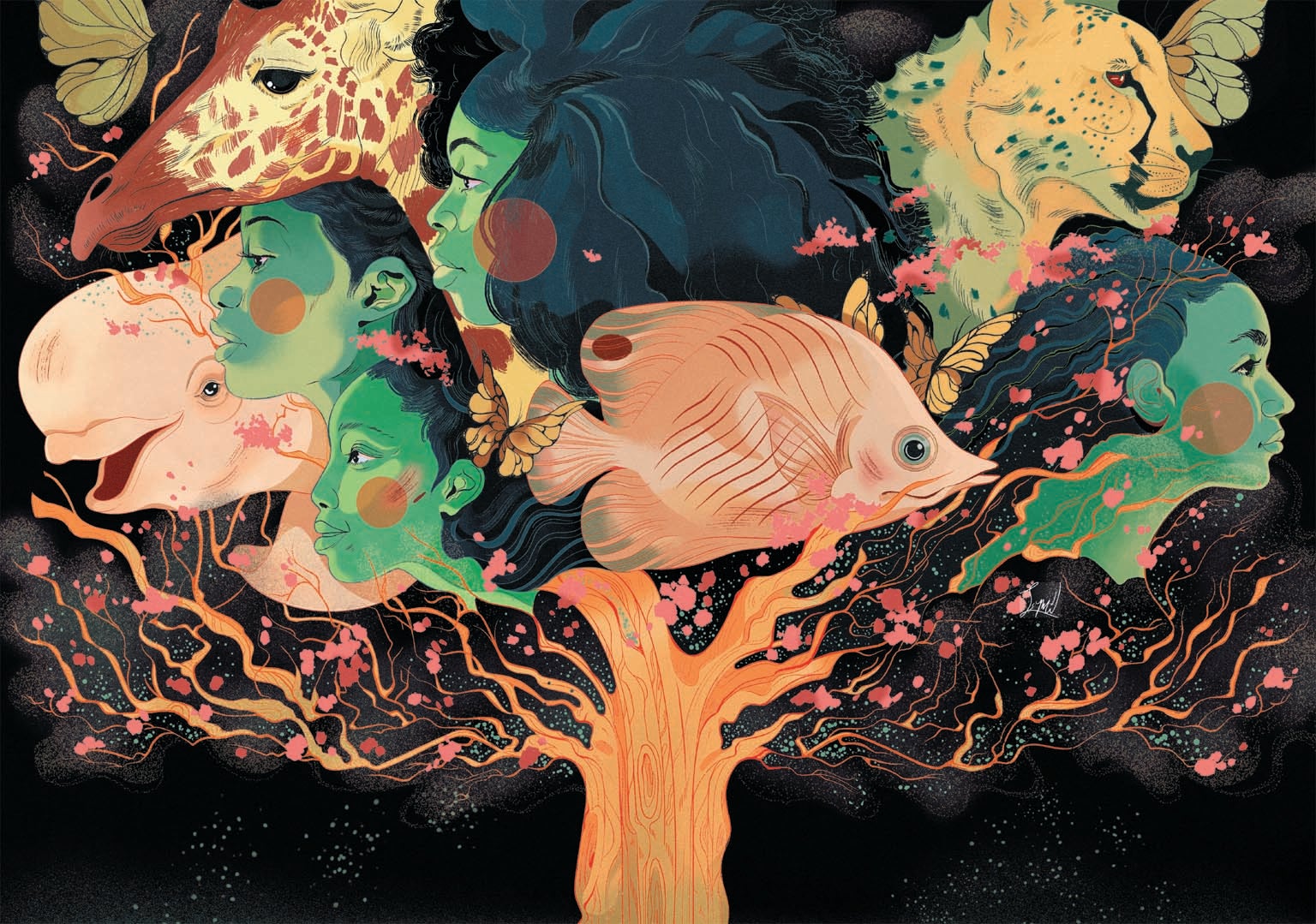
Projected on the massive screen behind me onstage, a herd of giraffes rushes across a sweep of savanna. With the video set to loop, the giraffes gallop endlessly, giving me time to slowly lean across the podium and ask my audience: “Did you spot the pregnant giraffes?” I am delivering a plenary lecture at the 2019 Nobel Conference in Stockholm. The theme of that year’s conference was bioinspired medicine—finding solutions in nature to human health problems—and I wanted to call attention to the connections between women and other female animals.

As a cardiologist and evolutionary biologist, I’d been posing this question about the giraffes to medical students in my courses at Harvard University and the University of California, Los Angeles, for years, so I could tell it had landed as planned. I watched the crowd scan the troop of giraffes for evidence of pregnancy—a baby bump, a lagging mother-to-be. I suspected that few, if any, of the assembled scientists and physicians had considered this question when first taking in the scene. That was precisely my point. Given the importance of female health challenges such as pregnancy to the survival of a species—including our own—shouldn’t the realities of female life in the wild be more than an afterthought for doctors and biomedical researchers?

Predators pose a daily threat to survival for all prey species, and they don’t give pregnant animals a pass. Even in their final, heaviest days of pregnancy, females must evade predators. To do so, they have evolved impressive physiological adaptations.

Consider a giraffe in the last weeks of her nearly 15-month gestation. She has gained hundreds of pounds—her fetus alone weighs up to 150 pounds, but the load is much heavier when you add in the placenta, extra fluid and fat. Yet pregnant giraffes appear to flee as fast as nonpregnant individuals. If they couldn’t, predators would quickly target them as easy prey. That would be the end of the line for that mother, her gestating calf and ultimately the species itself.

As I publicly expressed admiration for the giraffe’s gestational athleticism, I privately cringed a bit recalling how unathletic—how un-giraffe-like—I had felt as a cardiologist in the final weeks of my own pregnancies. I was the slowest doctor in the herd of physicians responding to code blue alerts for medical emergencies at the hospital. I’d become so breathless and exhausted rushing up just two flights of stairs that once, on my way to a cardiac arrest, another physician pulled me aside to express concern for my cardiac health.

I understood why they were worried. Late in pregnancy, women are at risk of developing life-threatening diseases such as preeclampsia and heart failure. Even a healthy pregnancy places significant stress on the heart. The volume of blood that is circulating expands nearly 50 percent. To deal with this increased workload, the cardiac cells and pumping chambers of the heart must grow and transform in size and shape. Cardiologists use the term “remodeling” to describe these changes, but when things go wrong, the consequences are far more serious than a misplaced sofa throwing off the feng shui. Problems with how the heart cells get remodeled during pregnancy are linked to reduced cardiac function and even heart failure soon after delivery.

Fortunately, my cardiac health turned out to be fine: the source of my shortness of breath and fatigue was the nearly 40 pounds of fetus, fluid and fat I’d packed on by the end of the third trimester. Slowing down in the last weeks of pregnancy is perfectly normal for humans—including female cardiologists who can use the elevator instead of sprinting up the stairs.

But in the wild, pregnant animals must maintain their speed and stamina to save their lives. For pregnant gazelles, zebras, and other prey species, the ability to flee swiftly protects them from predation. The animals giving chase are often also female and sometimes also pregnant. To avoid starvation, pregnant cheetahs, hyenas, and other predators need to pursue, overtake and capture fleeing prey. A species in which pregnant females can’t evade predators or capture food is doomed to extinction.

I’ve become fascinated by how females of other species have adapted to these challenges. I now study their biology to find possible solutions to women’s health issues ranging from heart failure to breast cancer. This field of research is still emerging, but already it is generating insights that could lead to lifesaving treatments for some of the most prevalent human health concerns.
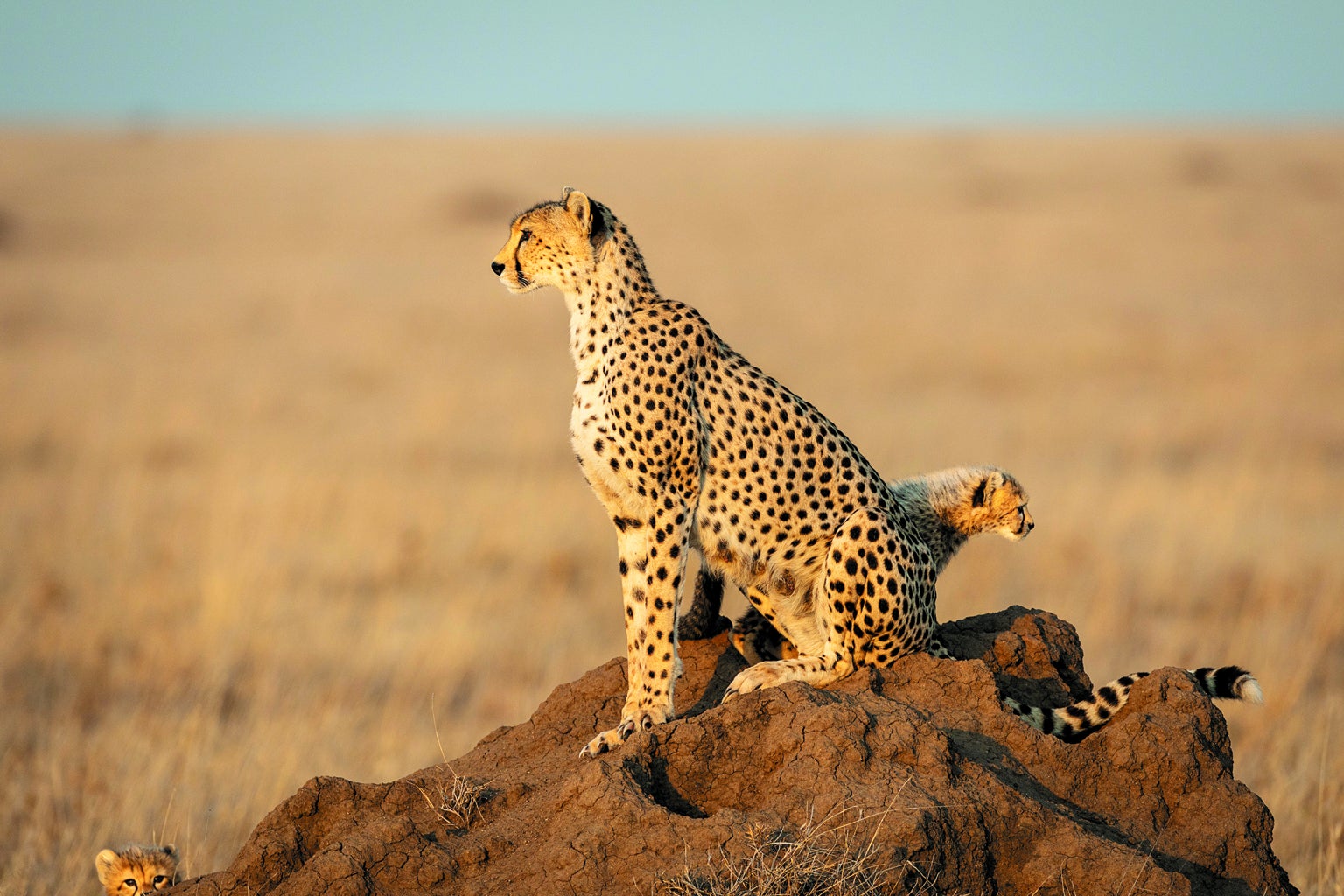
Two cheetahs
Cheetahs and other predators need to be able to chase down prey during pregnancy. Credit: StuPorts/Getty Images

Missing Females

A multispecies approach never would have occurred to me as a young professor of medicine in the 1990s. For the first 10 years of my career, I treated many forms of heart disease but always in one species—my own. Then, in 2005, I became a cardiovascular consultant to the Los Angeles Zoo. (Zoo veterinarians occasionally invite physicians to weigh in on diagnoses or assist in medical procedures, especially when the conditions are far more common in humans than in nonhuman animals.) My patient roster expanded to include great apes, bears, lions and raptors, among others. Animal health hadn’t been included in my formal medical education, so the learning curve was steep. The zoo’s veterinarians and the animals themselves became my teachers as I learned that most of the diseases affecting my human patients—cardiovascular disease and cancer among them—can also develop in other species.

Over the years I grew increasingly convinced that species-spanning medicine could reveal insights for my patients that traditional human-centered approaches had not. Partnering with naturalist and science writer Kathryn Bowers, I made it my mission to raise awareness about the relevance of animal health to that of humans, launching educational and professional programs, leading research teams and writing books meant to bring the fields of human medicine, veterinary science and evolutionary biology closer together. The reception to these efforts was mostly positive, but I received a surprising degree of pushback from my own field of medicine. Some physicians seemed resistant to connecting the health of their patients and other species (beyond the transmission of certain diseases from animals to humans). Maybe they took issue with the humbling notion that veterinarians could teach them about their human patients.

Human exceptionalism, I could see, was deeply entrenched in our medical traditions. People haven’t always been comfortable accepting that humans are animals. It has been my experience that human health professionals reflexively assume diseases they treat in their patients are unique to our species. (They aren’t.)

Anthropocentrism wasn’t the only distorted worldview slowing down the progress of medical science. Biomedical research has also long focused on males to the exclusion of females. Until 1993 the National Institutes of Health didn’t require the clinical trials they funded to include women—not even studies of diseases known to be more common in women than men. Mind-bogglingly, it wasn’t until 2015 that the NIH mandated the inclusion of female laboratory animals in preclinical safety studies of new medical treatments. There were rationales for not including females in biomedical studies: researchers wanted to avoid the potentially confounding effects of the estrus cycle, which can introduce variations in physiology and behavior not seen in males, and they wanted to protect potentially pregnant women, and fetuses, from thalidomide-type tragedies. Yet however well intended these investigators might have been, excluding females from studies proved enormously damaging to women’s health.
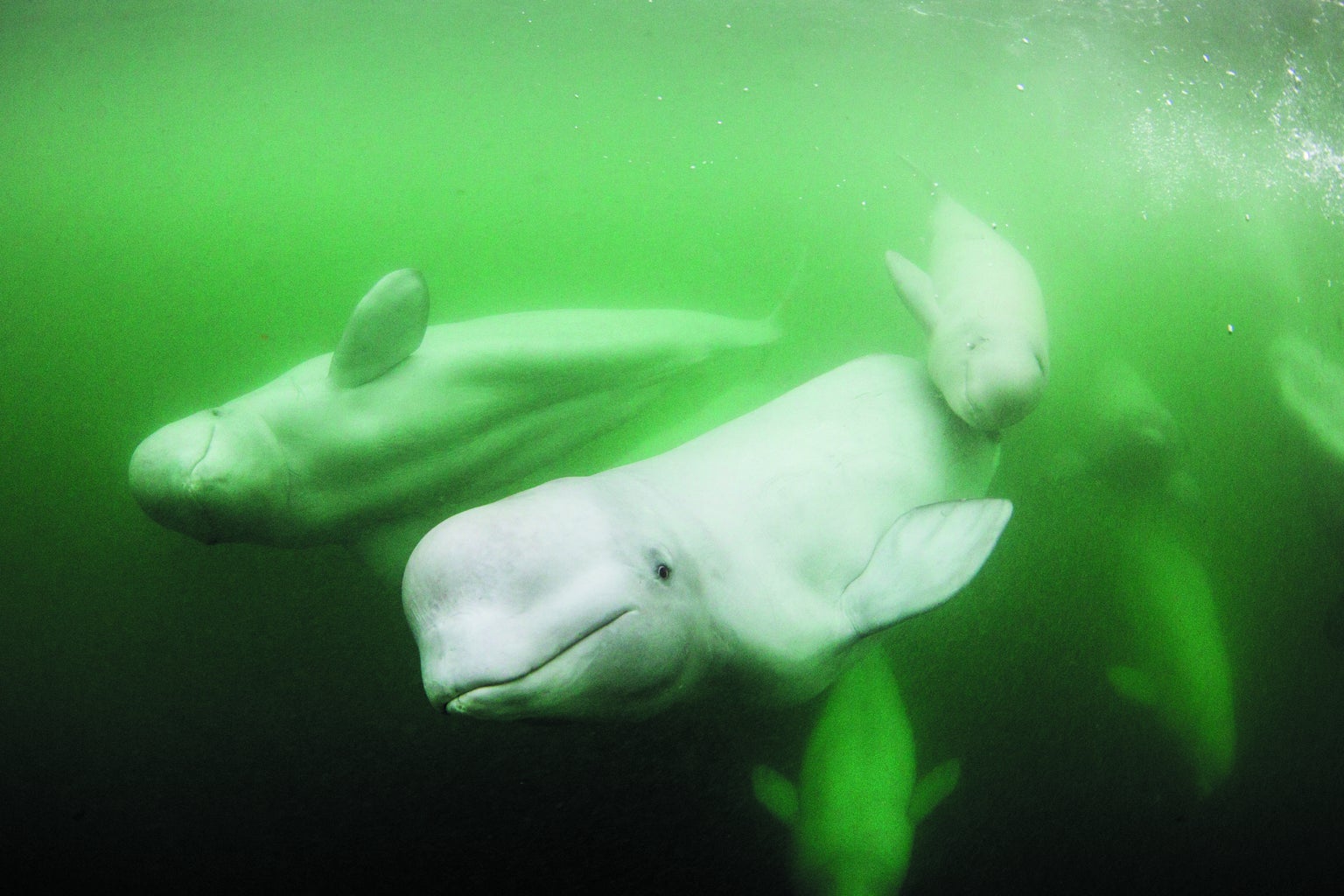
Beluga whales
A cluster of breast cancer cases in beluga whales near Montreal brought attention to a threat to human health. Credit: Paul Souders/Getty Images

To address the gaps in our medical knowledge, I began to focus my species-spanning research on major challenges in women’s health. The health connections between human and nonhuman females weren’t hard to find. I’ve published studies on ovarian cancer in flamingoes, pythons, fish and humans; hosted symposia on menstrual difficulties in great apes (including us), bats and tree shrews; and collaborated with dairy veterinarians who have deep knowledge of lactation in cows to help women with common breastfeeding problems. These experiences have transformed my understanding not only of my patients but of myself as a female. I’ve learned when it comes to certain aspects of my health, I may have more in common with other female animals than with my husband, brother, son or the other men in my life. I call the shared bond that links human and animal females the “sisterhood of species.”

Lions Get Breast Cancer

I first glimpsed the connection among female animals while examining Cookie, a geriatric lioness, at the Los Angeles Zoo in 2012.* After an operation, a lion’s heartbeats sound pretty much the same as those of a human who has been through the same procedure. So the clarity of the lub-dup, lub-dups streaming through the stethoscope I had pressed against Cookie’s huge, furry chest reassured me. It meant the dangerous buildup of fluid we had removed from the sac around her heart hadn’t returned. The pathology report on the cause of the fluid buildup wasn’t back yet, however, and the veterinarians were worried that it might be metastatic breast cancer. There were two reasons for this specific concern. First, breast cancer is one of the tumors that sometimes spreads to the heart, creating inflammation and the kind of fluid buildup that had threatened Cookie’s life. The other reason, the veterinarians explained, was that compared with other zoo animals, lions, jaguars, cheetahs, and other cats are especially susceptible to breast cancer.

This connection between human and animal health was personal. Breast cancer is a health concern for many women, and I was no exception. Around the time I first learned about breast cancer in cats, I was being tested for the BRCA mutations following several borderline breast biopsies. The BRCA mutations are well known to put women at increased risk of breast and ovarian cancers. To my amazement, I learned that BRCA mutations also put some dog breeds, including Cavalier King Charles Spaniels, and certain other carnivores at increased risk. In all my years caring for women, as well as some men, with breast cancer, I hadn’t considered what other species might also be vulnerable. In fact, as I showed in a recently published study, breast cancer is a threat across nearly all mammalian lineages, with cases found in creatures ranging from kangaroos and koalas to wombats and water buffalos.

Ultimately Cookie and I were both lucky. Cookie’s fluid buildup turned out not to be cancerous, and she went on to live another four years. I tested negative for BRCA mutations, and my biopsies did not show breast cancer. Other creatures have not fared so well. But we have learned from their misfortune.

Whales don’t usually develop breast cancer—leukemia and lymphoma are the more common cetacean cancers. So when researchers found that 27 percent of the dead belugas they examined in and around the St. Lawrence Estuary near Montreal between 1983 and 1999 had died of breast cancer, their discovery raised questions.

Looking for causes, investigators quickly locked on to several aluminum smelting factories near the estuary that were spewing chemicals known to induce breast and other cancers. The scientists determined that these chemicals probably contributed to the disease not only in the whales but also in humans who lived in the area and exhibited abnormally high cancer rates themselves. Recognizing the breast cancer “epidemic” in mammals living in this urban waterway helped to alert authorities to an environmental hazard that was also threatening human health.


Credit: Dino Pulerà


Like the canaries that British coal miners brought with them to detect the presence of hazardous gases in the mines, the female belugas signaled that contaminants were putting humans at risk. Today rising levels of pollution are implicated in many challenges to women’s health, including cancers, infertility, premature labor, and other disorders of the female reproductive system. Nonhuman female animals living around human communities are increasingly exposed to the same pollutants as women and girls, as the lines that once separated human and animal environments become blurred. Simply stated, the health of female animals is too important to our own to ignore. All female animals—including women and girls—are now canaries for one another. Our coal mine is the planet we share.

Giraffes Avoid Heart Failure

The connection among female animals extends beyond shared vulnerabilities. Some members of the sisterhood have evolved unique physiologies to defend against disease. The remarkable biology of some female animals prevents them from falling prey to diseases that claim millions of women’s lives every year. To understand how and why such unique biology evolved and how it could save women’s lives, consider my new take on the evolution of the giraffe and its improbably long neck.

Rewind to 11.5 million years ago, when the common ancestors of the modern giraffe and its closest evolutionary cousin, the okapi, roamed what is now Africa. Some of those ancestors wandered toward the rain forest and present-day Congo and eventually gave rise to the okapi. Other ancestors migrated toward the savanna and gave rise to the giraffe. Those differing environments helped to produce very different necks in these two lineages. In the rain forest, okapis were able to survive and thrive with perfectly fine albeit unspectacular necks. The ancestral giraffe’s environments, in contrast, lacked dense foliage for hiding. A longer neck would have permitted horizon scanning and earlier detection of predators in an open grassland setting. At the same time, getting taller may have given proto-giraffes better access to sometimes limited foliage.

A downside to having a neck that places the head more than 2.5 meters away from the heart is that this all-important muscle must work harder with each beat to push blood vertically to the brain. This greater pressure on the heart is what we call blood pressure, and in a healthy giraffe, systolic blood pressure (the pressure when the heart is contracting) can exceed 250 millimeters of mercury (mm HG), compared with 120 mm HG or less for a healthy human.

Generally the problem with high blood pressure is that when a muscle like the heart works harder, it thickens. In humans and mice, when hearts thicken this way, they develop scarlike tissue, known as fibrosis. Hearts become stiffer than normal, limiting how far or fast an individual can move. To make matters worse, high blood pressure, also known as hypertension, can damage and weaken the heart over time. In humans, it results in a condition called HFpEF (for heart failure with preserved ejection fraction, pronounced “hef-pef”), which leads to exhaustion, shortness of breath and, potentially, death. HFpEF is the leading cause of heart failure in women, responsible for tens of thousands of deaths a year in the U.S. alone.

On the wide-open savanna, such stiffening could slow an animal down, threatening its survival. Hello, lion; goodbye, giraffe. But giraffes have found a workaround. Despite having blood pressure well above the levels that would earn human patients a stern talking-to from their doctor, both male and female giraffes can gallop at lion-evading speeds, and they appear to be resistant to HFpEF. Recent genomic research hints at how giraffes are able to flout the rules that constrain shorter animals.
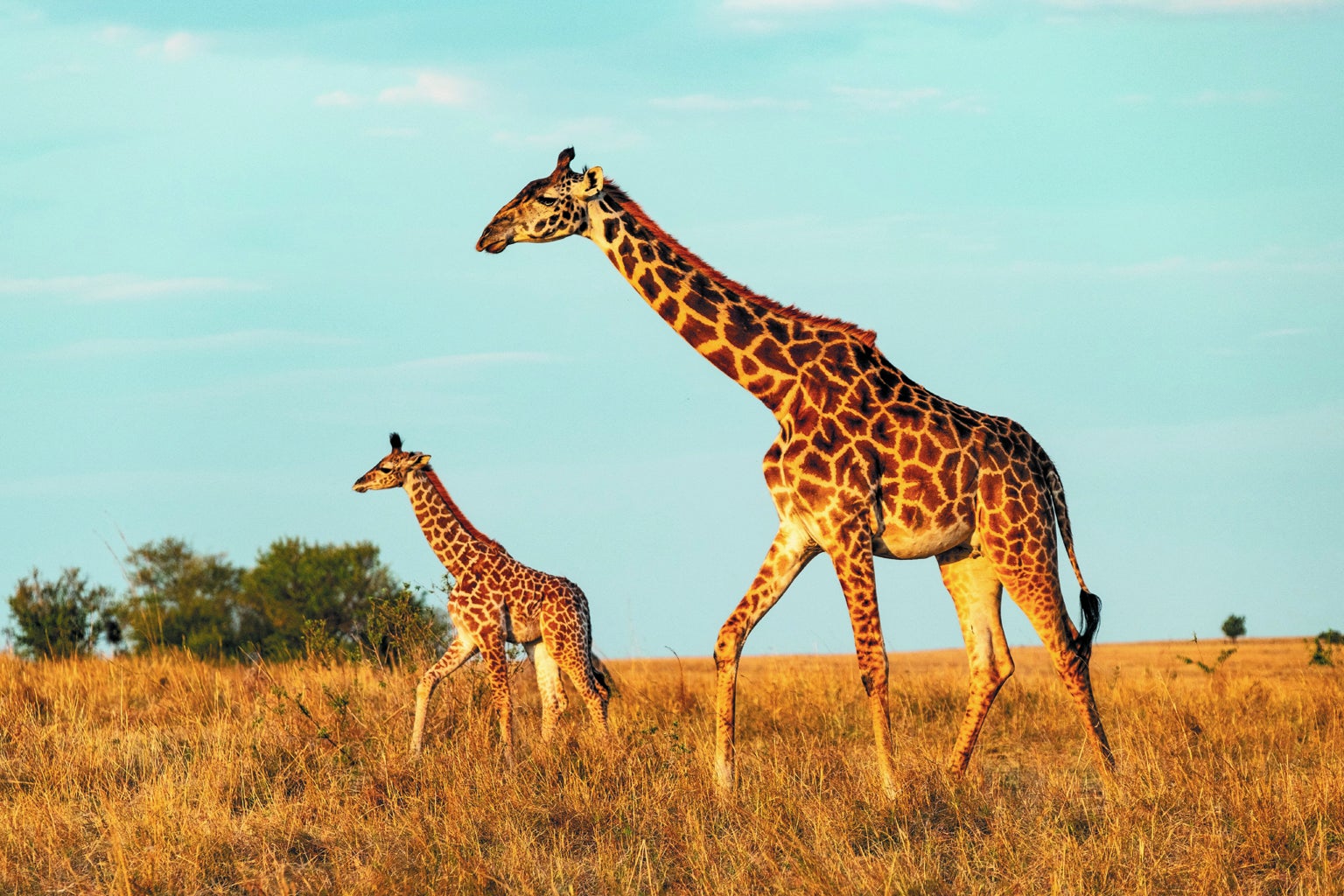
Two giraffes
The giraffe’s unique biology shields it from the damaging effects of high blood pressure and could inspire treatments for heart disease in women. Credit: Michel and Christine Denis-Huot/Biosphoto/Minden Pictures

In the past few years Chang Liu and his colleagues at Northwestern Polytechnical University in Xi’an, China, have published high-quality genomes of giraffe, okapi and other related animals. They discovered several mutations in the giraffe genome that are not found in the other species. One of the affected genes, FGFRL1, is linked to high blood pressure, which can lead to heart failure in humans. Could giraffe FGFRL1 explain the longer-necked species’ resistance to diseases associated with increased blood pressure?

To find out, the scientists tested two groups of mice to see how each would respond to an infusion of a hormone that causes blood pressure to rise. The first group of mice were “wild type,” meaning that all their genes, including FGFRL1, were mouse genes. The second group had their FGFRL1 sequence edited with CRISPR technology to mimic a giraffe’s. After 28 days of exposure to the blood pressure–raising chemical, the wild-type mice had high levels of fibrosis, a common finding in humans with heart failure caused by hypertension. The hearts of the mice with giraffe FGFRL1, in contrast, appeared nearly fibrosis-free. This finding suggests that giraffes may have evolved a unique ability to suppress some of the damaging fibrosis of the heart.

Giraffes also appear to have evolved mechanisms to shield against other damaging effects of hypertension, including when it occurs during pregnancy. In humans, gestational hypertension—having high blood pressure during pregnancy—is pathological. A leading cause of fetal and maternal mortality, it occurs in up to 25 percent of pregnancies worldwide and is on the rise. For pregnant giraffes, in contrast, higher blood pressure is normal, and neither mothers nor babies seem to suffer any consequences from it. I’ve brought together a team of veterinarians, pathologists and OB-GYNs to uncover the unique biology that protects giraffes from gestational hypertension. We are comparing the placentas of giraffe and okapi, looking for clues to the evolution of this trait.

It will take time to figure out how to use the knowledge we obtain from such studies of female animals to prevent diseases in women. The principle is clear, though: many of the greatest threats to women’s health may have already been neutralized in other species. The fixes are out there, in the bodies of the animals with whom we share our planet. As ingenious as we humans may be, the natural world is even smarter. Evolution’s ability to solve problems is, according to Charles Darwin himself, “immeasurably superior to man’s feeble efforts.”

Rachel Carson is one of my scientific heroes, not only because she launched the modern environmental movement but also because she recognized the powerful connections across species. “In nature,” she wrote, “nothing stands alone.” I would add that no female stands alone. Members of the sisterhood of species are linked by common ancestry and the shared challenges and joys of being a female animal.

*Editor’s Note (3/17/23): This sentence was edited after posting to correct the date of when Barbara Natterson-Horowitz examined a geriatric lioness at Los Angeles Zoo.

Scientists have used seaweed to develop biodegradable health sensors, which could be applied like a second skin — ScienceDaily

Scientists have used seaweed to develop biodegradable health sensors, which could be applied like a second skin — ScienceDaily

Scientists at the University of Sussex have successfully trialed new biodegradable health sensors that could change the way we experience personal healthcare and fitness monitoring technology.

The team at Sussex have developed the new health sensors — such as those worn by runners or patients to monitor heart rate and temperature — using natural elements like rock salt, water and seaweed, combined with graphene. Because they are solely made with ingredients found in nature, the sensors are fully biodegradable, making them more environmentally friendly than commonly used rubber and plastic-based alternatives. Their natural composition also places them within the emerging scientific field of edible electronics — electronic devices that are safe for a person to consume.

Better still, the researchers found that their sustainable seaweed-based sensors actually outperform existing synthetic based hydrogels and nanomaterials, used in wearable health monitors, in terms of sensitivity. Therefore, improving the accuracy, as the more sensitive a sensor, the more accurately it will record a person’s vital signs.

The idea to use seaweed in a health monitoring device was sparked when lead scientist Dr Conor Boland, a physicist at the University of Sussex, was watching TV during lockdown.

Dr Conor Boland, a materials physics lecturer in the School of Mathematical and Physical Sciences, said: “I was first inspired to use seaweed in the lab after watching MasterChef during lockdown. Seaweed, when used to thicken deserts, gives them a soft and bouncy structure — favored by vegans and vegetarians as an alternative to gelatin. It got me thinking: “what if we could do that with sensing technology?.”

“For me, one of the most exciting aspects to this development is that we have a sensor that is both fully biodegradable and highly effective. The mass production of unsustainable rubber and plastic based health technology could, ironically, pose a risk to human health through microplastics leeching into water sources as they degrade.

“As a new parent, I see it as my responsibility to ensure my research enables the realisation of a cleaner world for all our children.”

Seaweed is first and foremost an insulator, but by adding a critical amount of graphene to a seaweed mixture the scientists were able to create an electrically conductive film. When soaked in a salt bath, the film rapidly absorbs water, resulting in a soft, spongy, electrically conductive hydrogel.

The development has the potential to revolutionise health monitoring technology, as future applications of the clinical grade wearable sensors would look something like a second skin or a temporary tattoo: lightweight, easy to apply, and safe, as they are made with all natural ingredients. This would significantly improve the overall patient experience, without the need for more commonly used and potentially invasive hospital instruments, wires and leads.

Dr Sue Baxter, Director of Innovation and Business Partnerships at the University of Sussex, is excited about the potential benefits of this technology: “At the University of Sussex, we are committed to protecting the future of the planet through sustainability research, expertise and innovation. What’s so exciting about this development from Dr Conor Boland and his team is that it manages to be all at once truly sustainable, affordable, and highly effective — out-performing synthetic alternatives.

“What’s also remarkable for this stage of research — and I think this speaks to the meticulous ground-work that Dr Boland and his team put in when they created their blueprint — is that it’s more than a proof of principle development. Our Sussex scientists have created a device that has real potential for industry development into a product from which you or I could benefit in the relatively near future.”

This latest research breakthrough follows the publication of a blueprint for nanomaterial development from the Sussex scientists in 2019, which presented a method for researchers to follow in order to optimise the development of nanomaterial sensors.

A lead author working on the findings under Dr Boland’s supervision was Sussex MSc student, Kevin Doty.

Kevin Doty, a Masters student in the School of Mathematical and Physical Sciences, at the University of Sussex, said: “I taught chemistry previously, but decided I wanted to learn more about nanoscience. My gamble paid off, and not only did I enjoy it more than I expected, but I also ended up with an opportunity to utilize the information I had learned to work on a novel idea that has evolved into a first author publication as an MSc student. Learning about nanoscience showed me just how varied and multidisciplinary the field is. Any science background can bring knowledge that can be applied to this field in a unique way. This has led to further studies in a PhD studentship, opening up an all new career path I could not have previously considered.”

Cocaine Addiction Makes The Human Brain ‘Age’ Faster, Scientists Warn : ScienceAlert

Cocaine Addiction Makes The Human Brain ‘Age’ Faster, Scientists Warn : ScienceAlert

Our brains practical experience a litany of improvements as we age, right down to the way its DNA is translated. Now a new study has located that in individuals with cocaine use disorder those people variations can accumulate at an accelerated rate.

Cocaine is just one of the most addictive substances identified to humans. It interferes with the brain’s reward pathways, forcing its cells to continue on to pump out pleasurable signals until eventually the drug wears off.

Estimates from the US advise that one in five men and women who use cocaine go on to acquire an habit.

But specifically how a drug that interferes with the junctions among brain cells evokes addictive behaviors that in change manifest in substance abuse is a chain of events scientists are nevertheless seeking to recognize.

One particular possibility lies in non-coding modifications made to the DNA packed within the brain’s cells, which alters the way its genes are switched on and off. So exploration took a look at styles of these so-termed epigenetic variations in a mind location named Brodmann Space 9.

Located in the prefrontal cortex – the front component of the brain that rests at the rear of the forehead – Brodmann Space 9 (BA9) is imagined to be crucial for self-recognition and inhibitory command two factors that get muddled in material use problems.

Substantially of what we know about what cocaine does to brain cells comes from studies in mice. Couple investigations have examined the long lasting results of cocaine in human mind tissue, while two research to date have detected areas of DNA that show abnormal methylation in the brains of individuals with cocaine addictions.

This new examine on human mind tissues retrieved article-mortem uncovered the similar once again: in BA9, cocaine consumers experienced sections of DNA festooned with methyl groups – chemical changes which have been discovered to accumulate with age and in age-related ailments.

To get to these success, scientists in contrast the amounts of DNA methylation in brain tissue samples from 21 persons who had cocaine use dysfunction and yet another 21 who failed to.

DNA methylation is viewed as a person of the molecular hallmarks of growing older. Usually, the existence of a lot more methyl teams dials down the exercise of close by genes since the cell’s machinery can no extended obtain the genetic directions contained in just.

Being aware of how methyl teams hooked up them selves to DNA above time, DNA methylation can be employed as an ‘epigenetic clock‘ to see whether tissues are ageing more rapidly or slower when compared to their envisioned chronological age.

In this examine, the scientists applied two diverse epigenetic clocks to try to account for any variation.

“We detected a trend in the direction of much better biological aging of the brain in persons with cocaine use ailment in contrast to individuals with no cocaine use problem,” suggests Stephanie Witt, senior creator of the study and molecular biologist at the Central Institute of Psychological Overall health in Germany.

“This could be brought on by cocaine-associated disorder procedures in the brain, these as swelling or mobile dying.”

The researchers think that these molecular alterations may possibly contribute to the bigger-level functional and structural changes noticed in the brains of individuals with cocaine use ailment, and in transform, behavioral facets of habit.

Amongst the sequences that confirmed the strongest changes in DNA methylation in this examine ended up two genes that in accordance to previous investigate control behavioral aspects of cocaine ingestion in rodents.

Nonetheless, the scientists acknowledge that their review was small and additional study is required, possibly to see what molecular changes the brain accrues in excess of time with ongoing drug use.

“As biological age estimation is a pretty recent principle in addiction investigation and is influenced by quite a few factors, even further reports are expected to investigate this phenomenon, with bigger sample measurements than ended up feasible in this article,” states Witt.

Much larger scientific studies would also help to tease aside the results of other situations, such as mood disorders, that so frequently accompany substance use diseases. A lot of of the deceased donors in this examine skilled big melancholy, which may perhaps have altered their brain operate in other approaches.

The researchers also made notice of whether donors were being intoxicated when they died or had been utilizing drugs to take care of despair or other circumstances, despite the fact that the examine was too small to alter for this.

However, it builds on prior research of other mind locations to expand our expertise of how drug habit can meddle with the mind.

“Hunting at many brain areas enables a a lot more full knowledge” of the part of DNA methylation in cocaine use ailment, the scientists conclude.

The study was released in Frontiers in Psychiatry.

Here’s What Scientists Are Learning about Women’s Health from Other Female Animals

What Scientists Are Learning about Women’s Health from Other Female Animals

Projected on the massive screen behind me onstage, a herd of giraffes rushes across a sweep of savanna. With the video set to loop, the giraffes gallop endlessly, giving me time to slowly lean across the podium and ask my audience: “Did you spot the pregnant giraffes?” I am delivering a plenary lecture at the 2019 Nobel Conference in Stockholm. The theme of that year’s conference was bioinspired medicine—finding solutions in nature to human health problems—and I wanted to call attention to the connections between women and other female animals.

As a cardiologist and evolutionary biologist, I’d been posing this question about the giraffes to medical students in my courses at Harvard University and the University of California, Los Angeles, for years, so I could tell it had landed as planned. I watched the crowd scan the troop of giraffes for evidence of pregnancy—a baby bump, a lagging mother-to-be. I suspected that few, if any, of the assembled scientists and physicians had considered this question when first taking in the scene. That was precisely my point. Given the importance of female health challenges such as pregnancy to the survival of a species—including our own—shouldn’t the realities of female life in the wild be more than an afterthought for doctors and biomedical researchers?

Predators pose a daily threat to survival for all prey species, and they don’t give pregnant animals a pass. Even in their final, heaviest days of pregnancy, females must evade predators. To do so, they have evolved impressive physiological adaptations.

Consider a giraffe in the last weeks of her nearly 15-month gestation. She has gained hundreds of pounds—her fetus alone weighs up to 150 pounds, but the load is much heavier when you add in the placenta, extra fluid and fat. Yet pregnant giraffes appear to flee as fast as nonpregnant individuals. If they couldn’t, predators would quickly target them as easy prey. That would be the end of the line for that mother, her gestating calf and ultimately the species itself.

As I publicly expressed admiration for the giraffe’s gestational athleticism, I privately cringed a bit recalling how unathletic—how un-giraffe-like—I had felt as a cardiologist in the final weeks of my own pregnancies. I was the slowest doctor in the herd of physicians responding to code blue alerts for medical emergencies at the hospital. I’d become so breathless and exhausted rushing up just two flights of stairs that once, on my way to a cardiac arrest, another physician pulled me aside to express concern for my cardiac health.

I understood why they were worried. Late in pregnancy, women are at risk of developing life-threatening diseases such as preeclampsia and heart failure. Even a healthy pregnancy places significant stress on the heart. The volume of blood that is circulating expands nearly 50 percent. To deal with this increased workload, the cardiac cells and pumping chambers of the heart must grow and transform in size and shape. Cardiologists use the term “remodeling” to describe these changes, but when things go wrong, the consequences are far more serious than a misplaced sofa throwing off the feng shui. Problems with how the heart cells get remodeled during pregnancy are linked to reduced cardiac function and even heart failure soon after delivery.

Fortunately, my cardiac health turned out to be fine: the source of my shortness of breath and fatigue was the nearly 40 pounds of fetus, fluid and fat I’d packed on by the end of the third trimester. Slowing down in the last weeks of pregnancy is perfectly normal for humans—including female cardiologists who can use the elevator instead of sprinting up the stairs.

But in the wild, pregnant animals must maintain their speed and stamina to save their lives. For pregnant gazelles, zebras, and other prey species, the ability to flee swiftly protects them from predation. The animals giving chase are often also female and sometimes also pregnant. To avoid starvation, pregnant cheetahs, hyenas, and other predators need to pursue, overtake and capture fleeing prey. A species in which pregnant females can’t evade predators or capture food is doomed to extinction.

I’ve become fascinated by how females of other species have adapted to these challenges. I now study their biology to find possible solutions to women’s health issues ranging from heart failure to breast cancer. This field of research is still emerging, but already it is generating insights that could lead to lifesaving treatments for some of the most prevalent human health concerns.

Two cheetahs
Cheetahs and other predators need to be able to chase down prey during pregnancy. Credit: StuPorts/Getty Images

Missing Females

A multispecies approach never would have occurred to me as a young professor of medicine in the 1990s. For the first 10 years of my career, I treated many forms of heart disease but always in one species—my own. Then, in 2005, I became a cardiovascular consultant to the Los Angeles Zoo. (Zoo veterinarians occasionally invite physicians to weigh in on diagnoses or assist in medical procedures, especially when the conditions are far more common in humans than in nonhuman animals.) My patient roster expanded to include great apes, bears, lions and raptors, among others. Animal health hadn’t been included in my formal medical education, so the learning curve was steep. The zoo’s veterinarians and the animals themselves became my teachers as I learned that most of the diseases affecting my human patients—cardiovascular disease and cancer among them—can also develop in other species.

Over the years I grew increasingly convinced that species-spanning medicine could reveal insights for my patients that traditional human-centered approaches had not. Partnering with naturalist and science writer Kathryn Bowers, I made it my mission to raise awareness about the relevance of animal health to that of humans, launching educational and professional programs, leading research teams and writing books meant to bring the fields of human medicine, veterinary science and evolutionary biology closer together. The reception to these efforts was mostly positive, but I received a surprising degree of pushback from my own field of medicine. Some physicians seemed resistant to connecting the health of their patients and other species (beyond the transmission of certain diseases from animals to humans). Maybe they took issue with the humbling notion that veterinarians could teach them about their human patients.

Human exceptionalism, I could see, was deeply entrenched in our medical traditions. People haven’t always been comfortable accepting that humans are animals. It has been my experience that human health professionals reflexively assume diseases they treat in their patients are unique to our species. (They aren’t.)

Anthropocentrism wasn’t the only distorted worldview slowing down the progress of medical science. Biomedical research has also long focused on males to the exclusion of females. Until 1993 the National Institutes of Health didn’t require the clinical trials they funded to include women—not even studies of diseases known to be more common in women than men. Mind-bogglingly, it wasn’t until 2015 that the NIH mandated the inclusion of female laboratory animals in preclinical safety studies of new medical treatments. There were rationales for not including females in biomedical studies: researchers wanted to avoid the potentially confounding effects of the estrus cycle, which can introduce variations in physiology and behavior not seen in males, and they wanted to protect potentially pregnant women, and fetuses, from thalidomide-type tragedies. Yet however well intended these investigators might have been, excluding females from studies proved enormously damaging to women’s health.

Beluga whales
A cluster of breast cancer cases in beluga whales near Montreal brought attention to a threat to human health. Credit: Paul Souders/Getty Images

To address the gaps in our medical knowledge, I began to focus my species-spanning research on major challenges in women’s health. The health connections between human and nonhuman females weren’t hard to find. I’ve published studies on ovarian cancer in flamingoes, pythons, fish and humans; hosted symposia on menstrual difficulties in great apes (including us), bats and tree shrews; and collaborated with dairy veterinarians who have deep knowledge of lactation in cows to help women with common breastfeeding problems. These experiences have transformed my understanding not only of my patients but of myself as a female. I’ve learned when it comes to certain aspects of my health, I may have more in common with other female animals than with my husband, brother, son or the other men in my life. I call the shared bond that links human and animal females the “sisterhood of species.”

Lions Get Breast Cancer

I first glimpsed the connection among female animals while examining Cookie, a geriatric lioness, at the Los Angeles Zoo in 2021. After an operation, a lion’s heartbeats sound pretty much the same as those of a human who has been through the same procedure. So the clarity of the lub-dup, lub-dups streaming through the stethoscope I had pressed against Cookie’s huge, furry chest reassured me. It meant the dangerous buildup of fluid we had removed from the sac around her heart hadn’t returned. The pathology report on the cause of the fluid buildup wasn’t back yet, however, and the veterinarians were worried that it might be metastatic breast cancer. There were two reasons for this specific concern. First, breast cancer is one of the tumors that sometimes spreads to the heart, creating inflammation and the kind of fluid buildup that had threatened Cookie’s life. The other reason, the veterinarians explained, was that compared with other zoo animals, lions, jaguars, cheetahs, and other cats are especially susceptible to breast cancer.

This connection between human and animal health was personal. Breast cancer is a health concern for many women, and I was no exception. Around the time I first learned about breast cancer in cats, I was being tested for the BRCA mutations following several borderline breast biopsies. The BRCA mutations are well known to put women at increased risk of breast and ovarian cancers. To my amazement, I learned that BRCA mutations also put some dog breeds, including Cavalier King Charles Spaniels, and certain other carnivores at increased risk. In all my years caring for women, as well as some men, with breast cancer, I hadn’t considered what other species might also be vulnerable. In fact, as I showed in a recently published study, breast cancer is a threat across nearly all mammalian lineages, with cases found in creatures ranging from kangaroos and koalas to wombats and water buffalos.

Ultimately Cookie and I were both lucky. Cookie’s fluid buildup turned out not to be cancerous, and she went on to live another four years. I tested negative for BRCA mutations, and my biopsies did not show breast cancer. Other creatures have not fared so well. But we have learned from their misfortune.

Whales don’t usually develop breast cancer—leukemia and lymphoma are the more common cetacean cancers. So when researchers found that 27 percent of the dead belugas they examined in and around the St. Lawrence Estuary near Montreal between 1983 and 1999 had died of breast cancer, their discovery raised questions.

Looking for causes, investigators quickly locked on to several aluminum smelting factories near the estuary that were spewing chemicals known to induce breast and other cancers. The scientists determined that these chemicals probably contributed to the disease not only in the whales but also in humans who lived in the area and exhibited abnormally high cancer rates themselves. Recognizing the breast cancer “epidemic” in mammals living in this urban waterway helped to alert authorities to an environmental hazard that was also threatening human health.


Credit: Dino Pulerà


Like the canaries that British coal miners brought with them to detect the presence of hazardous gases in the mines, the female belugas signaled that contaminants were putting humans at risk. Today rising levels of pollution are implicated in many challenges to women’s health, including cancers, infertility, premature labor, and other disorders of the female reproductive system. Nonhuman female animals living around human communities are increasingly exposed to the same pollutants as women and girls, as the lines that once separated human and animal environments become blurred. Simply stated, the health of female animals is too important to our own to ignore. All female animals—including women and girls—are now canaries for one another. Our coal mine is the planet we share.

Giraffes Avoid Heart Failure

The connection among female animals extends beyond shared vulnerabilities. Some members of the sisterhood have evolved unique physiologies to defend against disease. The remarkable biology of some female animals prevents them from falling prey to diseases that claim millions of women’s lives every year. To understand how and why such unique biology evolved and how it could save women’s lives, consider my new take on the evolution of the giraffe and its improbably long neck.

Rewind to 11.5 million years ago, when the common ancestors of the modern giraffe and its closest evolutionary cousin, the okapi, roamed what is now Africa. Some of those ancestors wandered toward the rain forest and present-day Congo and eventually gave rise to the okapi. Other ancestors migrated toward the savanna and gave rise to the giraffe. Those differing environments helped to produce very different necks in these two lineages. In the rain forest, okapis were able to survive and thrive with perfectly fine albeit unspectacular necks. The ancestral giraffe’s environments, in contrast, lacked dense foliage for hiding. A longer neck would have permitted horizon scanning and earlier detection of predators in an open grassland setting. At the same time, getting taller may have given proto-giraffes better access to sometimes limited foliage.

A downside to having a neck that places the head more than 2.5 meters away from the heart is that this all-important muscle must work harder with each beat to push blood vertically to the brain. This greater pressure on the heart is what we call blood pressure, and in a healthy giraffe, systolic blood pressure (the pressure when the heart is contracting) can exceed 250 millimeters of mercury (mm HG), compared with 120 mm HG or less for a healthy human.

Generally the problem with high blood pressure is that when a muscle like the heart works harder, it thickens. In humans and mice, when hearts thicken this way, they develop scarlike tissue, known as fibrosis. Hearts become stiffer than normal, limiting how far or fast an individual can move. To make matters worse, high blood pressure, also known as hypertension, can damage and weaken the heart over time. In humans, it results in a condition called HFpEF (for heart failure with preserved ejection fraction, pronounced “hef-pef”), which leads to exhaustion, shortness of breath and, potentially, death. HFpEF is the leading cause of heart failure in women, responsible for tens of thousands of deaths a year in the U.S. alone.

On the wide-open savanna, such stiffening could slow an animal down, threatening its survival. Hello, lion; goodbye, giraffe. But giraffes have found a workaround. Despite having blood pressure well above the levels that would earn human patients a stern talking-to from their doctor, both male and female giraffes can gallop at lion-evading speeds, and they appear to be resistant to HFpEF. Recent genomic research hints at how giraffes are able to flout the rules that constrain shorter animals.

Two giraffes
The giraffe’s unique biology shields it from the damaging effects of high blood pressure and could inspire treatments for heart disease in women. Credit: Michel and Christine Denis-Huot/Biosphoto/Minden Pictures

In the past few years Chang Liu and his colleagues at Northwestern Polytechnical University in Xi’an, China, have published high-quality genomes of giraffe, okapi and other related animals. They discovered several mutations in the giraffe genome that are not found in the other species. One of the affected genes, FGFRL1, is linked to high blood pressure, which can lead to heart failure in humans. Could giraffe FGFRL1 explain the longer-necked species’ resistance to diseases associated with increased blood pressure?

To find out, the scientists tested two groups of mice to see how each would respond to an infusion of a hormone that causes blood pressure to rise. The first group of mice were “wild type,” meaning that all their genes, including FGFRL1, were mouse genes. The second group had their FGFRL1 sequence edited with CRISPR technology to mimic a giraffe’s. After 28 days of exposure to the blood pressure–raising chemical, the wild-type mice had high levels of fibrosis, a common finding in humans with heart failure caused by hypertension. The hearts of the mice with giraffe FGFRL1, in contrast, appeared nearly fibrosis-free. This finding suggests that giraffes may have evolved a unique ability to suppress some of the damaging fibrosis of the heart.

Giraffes also appear to have evolved mechanisms to shield against other damaging effects of hypertension, including when it occurs during pregnancy. In humans, gestational hypertension—having high blood pressure during pregnancy—is pathological. A leading cause of fetal and maternal mortality, it occurs in up to 25 percent of pregnancies worldwide and is on the rise. For pregnant giraffes, in contrast, higher blood pressure is normal, and neither mothers nor babies seem to suffer any consequences from it. I’ve brought together a team of veterinarians, pathologists and OB-GYNs to uncover the unique biology that protects giraffes from gestational hypertension. We are comparing the placentas of giraffe and okapi, looking for clues to the evolution of this trait.

It will take time to figure out how to use the knowledge we obtain from such studies of female animals to prevent diseases in women. The principle is clear, though: many of the greatest threats to women’s health may have already been neutralized in other species. The fixes are out there, in the bodies of the animals with whom we share our planet. As ingenious as we humans may be, the natural world is even smarter. Evolution’s ability to solve problems is, according to Charles Darwin himself, “immeasurably superior to man’s feeble efforts.”

Rachel Carson is one of my scientific heroes, not only because she launched the modern environmental movement but also because she recognized the powerful connections across species. “In nature,” she wrote, “nothing stands alone.” I would add that no female stands alone. Members of the sisterhood of species are linked by common ancestry and the shared challenges and joys of being a female animal.

Breakthrough Treatment for Autism Spectrum Disorder Within Reach: Scientists Discover Key Clue

Breakthrough Treatment for Autism Spectrum Disorder Within Reach: Scientists Discover Key Clue
Brain Activity Excited Nerve Cells Illustration

In investigation that could lead to a fundamental treatment of autism spectrum dysfunction, scientists have identified the cell-particular molecular community of the developmental incapacity.

Scientists in South Korea have succeeded in figuring out the mobile-precise molecular network of autism spectrum dysfunction. It is envisioned to lay the basis for dealing with autism spectrum problem. Released in the journal Molecular Psychiatry, the exploration was carried out by Professor Kim Min-sik’s team of researchers at the Section of New Biology, DGIST (Daegu Gyeongbuk Institute of Science and Technological innovation).

Autism spectrum dysfunction is a developmental disability that is acknowledged to arise from early childhood. It is a neuro-developmental condition characterised by steady impairment of social conversation and interaction-relevant behaviors top to minimal ranges of behavioral patterns, pursuits, and things to do, as nicely as repetitive behaviors.

Most autism spectrum dysfunction individuals have behavioral problems, in some cases accompanied by other developmental disabilities. Simply because there is currently no accurate molecular prognosis strategy, early prognosis of autism spectrum ailment is made at a reasonably late period. While there has been some achievement in enhancing signs and symptoms with behavioral administration remedy, there is a lack of successful treatments at the molecular stage.

Professor Kim Min-sik’s workforce utilized the Cntnap2 defect design, a spectral ailment mouse model founded by Professor Lee Yong-Seok’s staff at Seoul Nationwide College Faculty of Medication to extract prefrontal cortex tissue and done mass spectrometry-based mostly built-in quantitative proteomic and metabolomic evaluation. In addition, by comparing and examining this with previously noted significant knowledge of autism spectrum problem people, the staff verified that problems come about in networks this kind of as metabolic rate and synapses in excitable neurons.

Professor Kim Min-sik of the Division of New Biology said, “The multi-omics integrated investigation technologies designed by way of this research has highly developed the pathological knowing of autism spectrum disorder and created it possible to explore an built-in network ranging from molecular-level cell differentiation induced by a specific autism gene to biometric facts,“ and extra, “We are attempting to obtain the core network of autism spectrum disorder and find out treatment targets by conducting an built-in evaluation of a variety of versions.”

Reference: “Cntnap2-dependent molecular networks in autism spectrum ailment disclosed by an integrative multi-omics analysis” by Wooyoung Eric Jang, Ji Hwan Park, Gaeun Park, Geul Bang, Chan Hyun Na, Jin Youthful Kim, Kwang-Youl Kim, Kwang Pyo Kim, Chan Young Shin, Joon-Yong An, Yong-Seok Lee and Min-Sik Kim, 17 Oct 2022, Molecular Psychiatry.
DOI: 10.1038/s41380-022-01822-1

This study was carried out with support from the Brain Science Resource Technological innovation Progress Job of the Ministry of Science and ICT.

World-first study by Auckland scientists hopes to show genetic link to codeine addiction

World-first study by Auckland scientists hopes to show genetic link to codeine addiction

Some men and women are “ultra-immediate metabolisers” of the opioid codeine. A staff of Auckland College researchers believes they are also more likely to misuse the drug and grow to be addicted. Tony Wall reports.

Amy Boatman was standing at a bus cease in Auckland when she noticed an advertisement for Nurofen Moreover, a painkiller that contains codeine and ibuprofen which at the time was accessible in excess of-the-counter at pharmacies.

She is from the US, where by opioid products and solutions are prescription-only. “I was like, ‘oh my God, you can invest in something at the pharmacy that is an opiate? Holy s…’.”

Boatman had received cleanse immediately after getting to be addicted to a equivalent drug, hydrocodone, in the 90s, but experienced not long ago relapsed on alcoholic beverages and was susceptible.

She purchased some Nurofen Furthermore and took a few of drugs for the euphoric impact. Before she realized it, she was having the complete 12-pack at after.

Study More:
* We ought to be entitled to acquire codeine without the need of a prescription
* Soon after having her illicit painkillers take care of by way of Fb, Beth Winfield was lifeless
* Proposed ban on over-the-counter codeine ruffling feathers in the sector
* Auckland midwife approved herself soreness capsules in other people’s name
* Funding ‘getting harder and harder’, retiring pharmacist says

“Then that was not plenty of. They also offered them in a 30-pack – it obtained to the issue wherever I was getting the total 30 drugs in a single go.”

Boatman has always suspected she has a genetic propensity for habit – “I come from a family members of alcoholics and drug addicts” – and is intrigued by a review currently being introduced by a team of Auckland University researchers on the lookout at codeine abusers.

In contrast to other opioids, codeine is a “prodrug”, that means it can be inactive when taken, but then modified by the liver to kind morphine.

The amount of morphine generated depends on what style of liver enzymes the person has inherited – gradual, intermediate or ultra-rapid.

Amy Boatman was addicted to codeine for many years but is now clean.

provided

Amy Boatman was addicted to codeine for quite a few decades but is now clear.

Extremely-speedy metabolisers will get a much larger shot of morphine from a dose of codeine than other persons, probable giving them a higher emotion.

The research crew, led by Dr Rhys Ponton of the university’s faculty of pharmacy, hypothesise that these persons are much more probable to build difficulties with the drug.

By on the lookout at the enzyme types existing in individuals who misuse or are dependent on codeine, they hope to identify if this is the situation.

In principle, it could aid physicians know if a man or woman is at hazard of developing dependence or getting an accidental overdose.

The investigation group is contacting for volunteers who take codeine recreationally or who assume they may possibly be dependent on the drug to register for the research, which they say is a planet-1st. They will be asked to do a phone interview and deliver a saliva sample by put up.

Boatman states there is a good deal of disgrace and stigma attached to opioid abuse, and it would be “amazing” if a genetic url could be proved.

“It would be wonderful to be able to demonstrate that evidence to other men and women and be like, ‘look, I’m not morally bereft, there’s a normal, physical rationale why’.”

Codeine was eradicated from above-the-counter sales, starting to be prescription-only, in November 2020, simply because of problems over abuse of the drug.

Authorized opioid OxyContin maker Purdue Pharma has acknowledged its role in the opioid epidemic, paid $634m in fines and pleaded responsible to contributing to 1000’s of opioid deaths

But Ponton states only a compact percentage of people today – someplace between 1 and 5{35112b74ca1a6bc4decb6697edde3f9edcc1b44915f2ccb9995df8df6b4364bc} – are ultra-quick metabolisers of codeine.

If it can be proven that that cohort is the most possible to create challenges, he states, it would confirm that there is only a modest possibility of offering codeine about-the-counter to the common public.

Ponton claims that would remove the need to have for folks to have to guide appointments with GPs to entry codeine, which, for the reason that of the price tag, has designed inequality in accessibility to discomfort relief.

But Boatman suggests eradicating codeine from around-the-counter sales was a very good transfer.

“The regulation all around it was seriously lax. I could go into the very same pharmacy at the time a week and get 30 drugs. I would pharmacy store – I would really much know where every single single pharmacy in the … region is.

Boatman would take a whole box of Nurofen Plus at once.

Kevin Stent/Stuff

Boatman would consider a entire box of Nurofen Plus at when.

“I like the concept of a more robust pain medication getting a tiny much more obtainable to individuals, but it just would have to have been improved controlled.

“Putting the onus on the pharmacist to regulate it was as well considerably, they’ve presently acquired much too considerably on their plate.”

Boatman’s abuse of codeine lasted for nine a long time, and she stored it top secret from her spouse. She missing her job when it was found out she was receiving co-staff to purchase codeine for her, and she became “unemployable”.

She has long-term belly challenges brought about by the ibuprofen in the products and solutions she was having.

Acquiring fired was the catalyst she desired to get clear, and in 2019 she returned to her family in Texas for three months.

“I was 51 a long time old, and I had to go back again and reside with my mothers and fathers. It was the humbling expertise that I essential.”

She did a 12-move programme and is now sober.

“There’s a enormous quantity of shame. It’s like there is an additional man or woman in your physique which is performing these things – you just cannot end your self.”