Is involuntary psychiatric commitment making a policy comeback? : Shots

Is involuntary psychiatric commitment making a policy comeback? : Shots

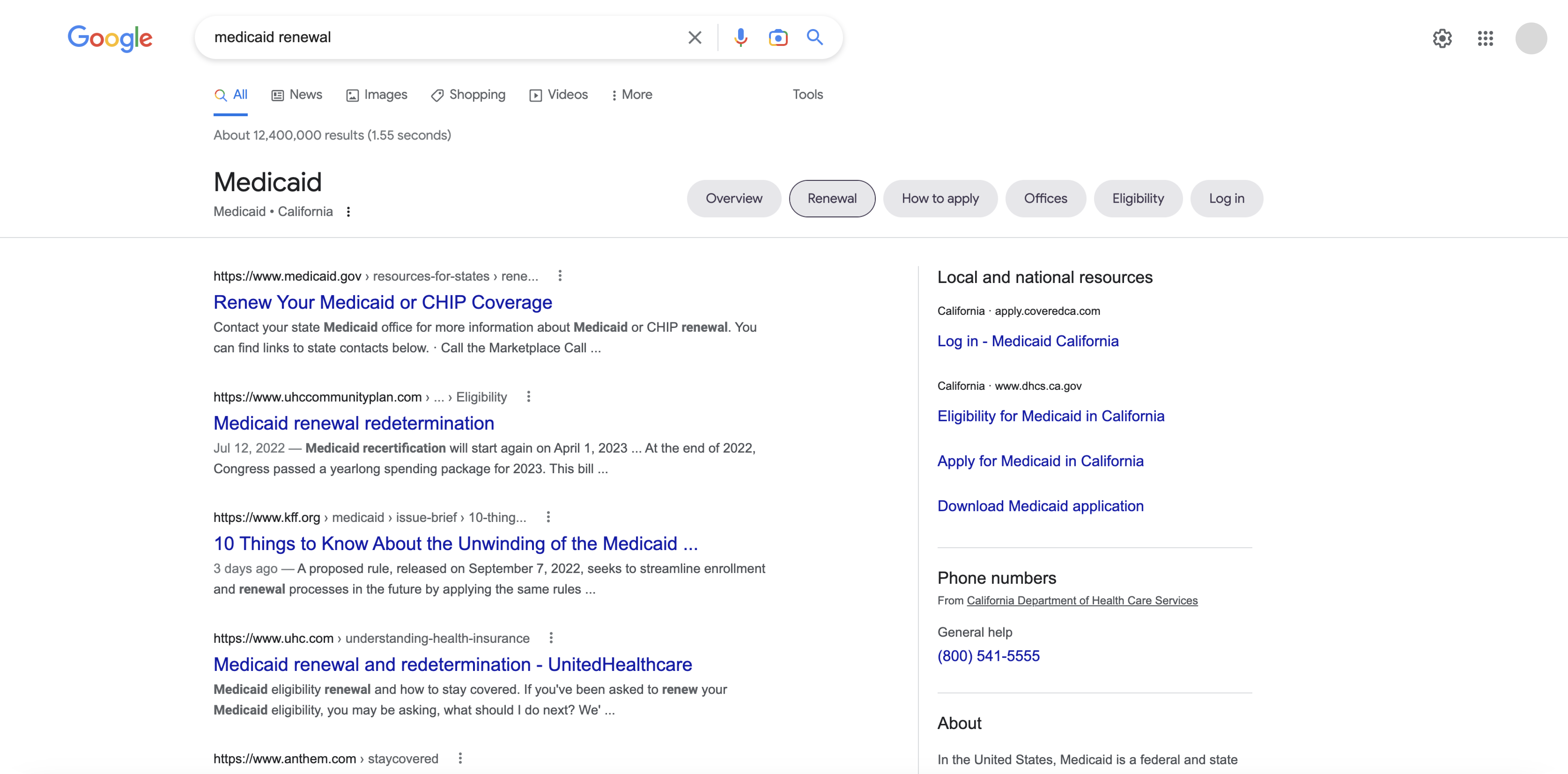
A homeless encampment along a street in Skid Row on Dec. 14, 2022 in Los Angeles, California. Two days earlier, LA Mayor Karen Bass declared a state of emergency regarding homelessness in the city, where an estimated 40,000 residents are unhoused.

Mario Tama/Getty Images


hide caption

toggle caption

Mario Tama/Getty Images


A homeless encampment along a street in Skid Row on Dec. 14, 2022 in Los Angeles, California. Two days earlier, LA Mayor Karen Bass declared a state of emergency regarding homelessness in the city, where an estimated 40,000 residents are unhoused.

Mario Tama/Getty Images

Many of Portland’s least fortunate live in tents pitched on sidewalks or in aging campers parked in small convoys behind grocery stores.

High housing costs and financial adversity are the primary root causes behind the burgeoning population on the streets; only about one in three people who are homeless in Portland report having a mental illness or a substance use disorder, or both.

But the combination of homelessness with substance use or untreated mental illnesses has led to a lot of very public tragedies.

People with schizophrenia, for example, have died of hypothermia on the city’s streets. Residents have given birth out in the open, to premature infants who did not survive. Methamphetamine, cheaper and more harmful than it used to be, is creating a heightened risk of overdose and psychosis.

KHN logo

Mental illness can be part of the story of how a person ends up homeless — or part of the price of survival on the streets, where sleep and safety are scarce. Unsheltered residents in Portland die thirty years earlier than the average American, according to county data.

These grim realities have ratched up the pressure on politicians to do something.

In Oregon, some politicians, including Portland mayor Ted Wheeler, have proposed changing civil commitment law, so doctors have more leeway in compelling treatment for patients who are too sick to know they need care.

Without such changes, they argue, people with untreated addictions or mental illnesses are stuck cycling between the streets, county jails, and state psychiatric hospitals.

“I think we can do better by people than allowing them to flounder,” says Janelle Bynum, a state legislator who represents suburbs east of Portland.

Bynum was the sole Democrat to sign on to a pair of bills, introduced by Republicans earlier this year, that would expand the criteria for involuntary commitment in Oregon. “My intention was to signal how cruel I think our current system is,” she says.

As multiple crises spill into streets, calls for change

Half of the country’s unsheltered people live in California, and though only about a quarter or third of them are estimated to have a serious mental illness, they are the ones residents are most likely to encounter in California’s cities. Mayors from San Francisco, San Jose, and San Diego have all expressed frustration that the threshold for psychiatric intervention is too high.

“When I’m often asked, ‘Mayor, why aren’t you doing something about this person who is screaming at the top of their lungs on the street corner? And I said, ‘Well, they’re not a threat to themselves or to others,’ that rings hollow,” says Todd Gloria, mayor of San Diego.

Now, state lawmakers in Sacramento, backed by mayors, have introduced new laws and bills that would help bring more people into treatment, even if it’s against their will.

Last year, legislators approved a new system of CARE Courts, where judges issue treatment plans. That program begins on a pilot basis this fall in eight counties, including Los Angeles and San Francisco counties, with the rest of the state expected to join next year.

This year, a bill moving through the legislature would expand who qualifies for a yearlong conservatorship, or involuntary psychiatric hold.

The bill is gathering support and sponsors are optimistic that Gov. Gavin Newsom would sign it if passed. But it’s been controversial: opponents fear a return to bygone policies of locking people up just for being sick.

Half a century ago, California policymakers shuttered state psychiatric institutions, denouncing them as inhumane. Involuntary commitment was deemphasized and state laws ensured that it only be used as a last resort. The thinking was that the patient should have autonomy and participate in their care.

But progressive leaders across California are now reconsidering involuntary commitments. They argue that not helping people who are seriously ill, and living in squalor on the streets, is inhumane. Psychiatrists who support the bill say it would constitute a modest update to a 56-year-old law.

The shift is dividing liberals over the very meaning of compassion and which rights should take precedence: civil rights like freedom of movement and medical consent? Or the right to appropriate medical care in a crisis?

“The status quo has forced too many of our loved ones to die with their rights on,” says Teresa Pasquini, an activist with the National Alliance on Mental Illness. Her son has schizophrenia and has spent the past 20 years being “failed, jailed, treated, and streeted” by what she calls a broken public health system.

“We are doctors who have to watch these people die,” says Dr. Emily Wood of the California State Association of Psychiatrists, a sponsor of the conservatorship bill, SB 43. “We have to talk to their families who know that they need that care, and we have to say we don’t have any legal basis to bring them into the hospital right now.”

A person kneels on the sidewalk as another person sleeps in the Skid Row community on Dec. 14, 2022 in Los Angeles, California. The Skid Row community is home to thousands of people who either live on the streets or in tents or makeshift shelters.

Mario Tama/Getty Images


hide caption

toggle caption

Mario Tama/Getty Images


A person kneels on the sidewalk as another person sleeps in the Skid Row community on Dec. 14, 2022 in Los Angeles, California. The Skid Row community is home to thousands of people who either live on the streets or in tents or makeshift shelters.

Mario Tama/Getty Images

Under current state law, a person can be held in the hospital involuntarily if they are a danger to themselves or others, or if they are unable to seek food, clothing, or shelter, as a result of mental illness or alcoholism. Doctors want to add other substance use disorders to the criteria, and include a person’s inability to look out for one’s own safety and medical care.

(The state law defines what is known as “mental health conservatorship,” which is separate from the probate conservatorship that Brittney Spears was held under.)

Dr. Wood, who practices in Los Angeles, gives two examples of people she and her colleagues have tried to care for, but who slip through the cracks under the current rules. One is a man who doesn’t take his diabetes medication because he’s not taking his schizophrenia medication, and doesn’t understand the consequences of not managing either condition.

Wood explains that even if he repeatedly ends up in the ER with dangerously high blood sugar, no one can compel him to take either medication under current law, because poorly managing one’s health is not a trigger for conservatorship.

Clash over ‘compassion’ fuels conservatorship controversy

Another man Dr. Wood describes has a developmental disability that was never treated in childhood. He developed an addiction to methamphetamine in his twenties. Wood says the man is now regularly found sleeping in a park and acting inappropriately in public. His family members have begged doctors to treat him, but they can’t because substance use disorder is not a trigger for conservatorship.

To Dr. Wood, treating these people, even when they’re unable to consent, is the compassionate, moral thing to do.

“It’s essential that we respect all the rights of our patients, including the right to receive care from us,” she says.

But other advocates, including Californians with mental illnesses, see the issue very differently.

Lawyers from the nonprofit Disability Rights California say the proposed expansion of conservatorship and the ongoing rollout of CARE Courts are misguided efforts, focused on depriving people of their liberty and privacy.

Instead, they say, the state should invest in better voluntary mental health services which help maintain peoples’ dignity and civil rights. The group filed a lawsuit in January to try to block the implementation of CARE Courts.

These advocates are particularly concerned that people of color, specifically Black residents who are overrepresented in the homeless population and overdiagnosed with schizophrenia, will now be disproportionately targeted by these more forceful measures.

“When people are told that they have to go to court to get what they should be getting voluntarily in the community, and then they get a care plan that subjugates them to services that still do not meet their cultural needs, that is not compassion,” says Keris Myrick, an advocate who has schizophrenia and has experienced homelessness.

Under current state law in Oregon, a person can be held for involuntary treatment if they are a danger to themselves or others, or if they are at risk of serious physical harm because they cannot provide for basic personal needs, due to a mental illness.

Oregon, like California, does not include substance use disorders as grounds for commitment.

But the law is slightly broader than California’s, at least in one respect: Legislators amended it in 2015 to give doctors more leeway to step in if a person’s psychosis or other chronic mental illness is putting them at risk of a medical crisis.

Terry Schroder, a civil commitment coordinator with the Oregon Health Authority, says before that change was implemented, a person would have to be nearly comatose, or within a few days of death, to meet the criteria that would allow doctors to forcibly treat them for their own welfare.

The law now allows doctors to intervene earlier in an ongoing medical crisis.

“You can apply serious risk from a medical provider’s point of view in a much broader scope,” he says.

In Oregon, lack of treatment capacity dominates debate

A Republican proposal to add substance use disorders, as grounds for involuntary treatment, has stalled in the state’s Democratically-controlled legislature.

Most Democrats are instead focused on the severe lack of treatment capacity, and the state’s inability to serve the large number of people who want mental health treatment, or those who have already been involuntarily committed under current law.

All over Oregon, there are long waiting lists. For example, for substance use disorders, experts say the statewide capacity in prevention, treatment, and recovery services is roughly half of what’s needed.

Oregon currently has two state-run psychiatric hospitals, which together comprise just under 600 beds total. And over the last 10 years, more of those beds have been needed for another population: people transferred from county jails because they are too mentally ill to understand the charges against them. As a result, patients who would be referred due to a civil commitment cannot get a bed in the state hospitals.

In addition, there’s a shortage of beds in community care settings such as nursing homes, adult foster homes, or residential treatment facilities.

Unable to refer patients for treatment, hospitals sue Oregon

The pandemic only made the deficit worse. A private nursing home in Portland that had a state contract to care for psychiatric patients, Health Care at Foster Creek, was the site of the state’s first large Covid-19 outbreak. A total of 28 residents died, and it was shut down permanently.

The situation has become so dire that last fall, three of Oregon’s largest hospital systems sued the state over its failure to find placements for civilly committed patients.

Robin Henderson is the behavioral health director for Providence Oregon, one of the hospital systems that filed suit. Henderson says expanding the criteria for civil commitment won’t solve the problem of where to send people for treatment and long-term recovery.

As an example, she describes a patient on the waitlist for the state’s psychiatric hospital, a man who likes to garden and doesn’t believe that he has chronic schizophrenia.

The patient, who likes to garden and finds comfort in it, has spent more than 800 days out of the last three years in an acute psychiatric unit at one of the Providence hospitals. Those units are designed for two-week stays, and the man is locked inside, with no access to the outdoors.

“We really don’t have a plan for people, a very small number of people who pose the hardest societal, ethical, questions: people who can’t care for themselves,” Henderson says.

In California, the lack of adequate treatment options is also frequently invoked in the ongoing disputes.

“Expanding conservatorships doesn’t solve for those structural issues around the lack of housing and the lack of funding for treatment services,” says Michelle Doty Cabrera, executive director of the California Behavioral Health Directors Association.

Cabrera’s group also questions the overarching premise that forced treatment works. With substance use disorder, there is little evidence that compulsory treatment is effective and some evidence that it could even be harmful. In Massachusetts, people who were involuntarily committed for drug treatment were twice as likely to die from an overdose as those who received treatment willingly.

Why involuntary commitment alone won’t solve homelessness

Critics of involuntary commitment have questioned the California legislature’s objectives. If the ultimate goal of forced treatment is reducing homelessness – and easing the moral heartbreak of witnessing ill people sleeping on the street or using drugs in the open – then lawmakers are writing the wrong prescription, they say.

“The problem of homelessness is that people don’t have housing,” says Dr. Margot Kushel, director of the UCSF’s Benioff Homelessness and Housing Initiative. “If you had all the treatment in the world and you didn’t have the housing, we would still have this problem.”

She compares homelessness to a game of musical chairs, where a child with a broken leg is the last one left standing when the music stops. In California, there are 24 units of affordable housing for every 100 very low-income households, she said, and people with mental illness or substance use disorder are the ones who have the hardest time competing for those scarce spots.

That’s why they’re overrepresented among the homeless population, she said, not because conservatorship laws aren’t strong enough.

“If you try to fix the problem of homelessness by tinkering with the health care system, we’re not going to get anywhere,” Kushel says.

How housing prices are pushing vulnerable people into homelessness

Supporters of involuntary commitments say both are needed: treatment and housing. The same California lawmakers who are backing expanded conservatorship and CARE Courts are also backing efforts to increase the housing supply, including a $3 billion bond measure for the construction of small, neighborhood-oriented residences for people with mental illness.

Nationwide, rents have risen more quickly than people’s incomes in the last twenty years, and those soaring rents are having a disparate impact on people who rely on a fixed income such as monthly disability payments.

In the West, cities like Portland, San Francisco, and Los Angeles have all seen sharp surges in housing costs.

Washington County, west of Portland, is home to the global headquarters for Nike. The average monthly rent for greater Portland, including Washington County, rose from about $800 in 2010 to just under $1,400 in 2021.

Chance Wooley works for Washington County, supervising services for people being investigated for a possible civil commitment. Wooley says the gap between high housing costs and disability payments is pushing people with serious mental illnesses into homelessness.

When he started in this job, 20 years ago, it was much easier to transition people from a treatment home into independent housing, Wooley says.

Back then, a person living on a monthly disability check could afford to pay the rent on a studio apartment and still have enough left over for groceries and utilities.

“That’s not a reality any more,” Wooley says.

The state’s new governor, Tina Kotek, has chosen to push forward on two fronts: more housing aid, as well as more treatment beds for psychiatric and substance use disorders.

Oregon is also pioneering an approach that tries to tackle both housing and health simultaneously. The new pilot program, launching in 2024, will make Oregon the first state in the nation to use Medicaid money to pay for housing costs.

The funds, previously limited to medical care, can now be spent on supports such as rental assistance for people who are homeless and participating in mental health or addiction treatment.

This story comes from NPR’s health reporting partnreship with KQED, OPB and Kaiser Health News (KHN).
Google is making it easier to find low-cost healthcare centers in search results

Google is making it easier to find low-cost healthcare centers in search results

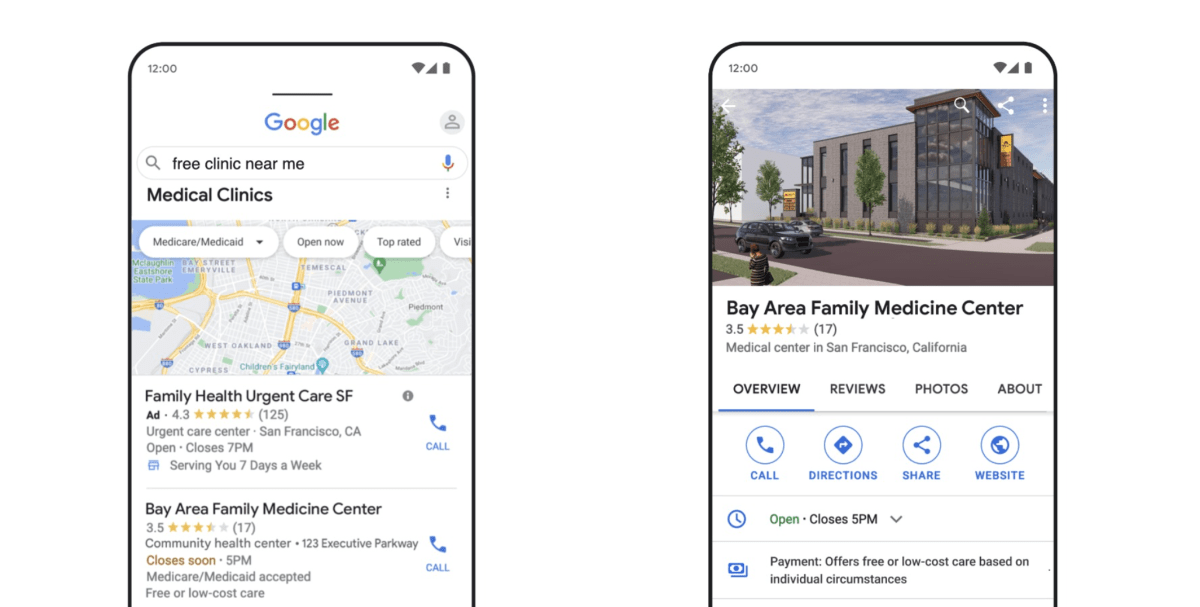
At its wellbeing-concentrated party right now, Google announced a series of wellness updates for its goods, such as Research. Most notably, the firm declared that it’s creating it easier for people today to uncover inexpensive health care centers near them. The tech giant unveiled that you will before long be in a position to see companies that determine as group wellbeing centers featuring no cost or low-price treatment in look for benefits.

If a medical clinic presents cost-effective treatment, you will shortly see a label that reads “Free or small-charge care” underneath its identify in look for outcomes.

“You’ll be able to see info for group wellness centers in the U.S. that offer you free or small-charge treatment,” claimed Hema Budaraju, Google’s senior director of merchandise for overall health and lookup, through a briefing with reporters. “We’re focusing on these facilities because we know that the obtain they offer to primary treatment has been demonstrated to demonstrate effect in improving upon serious ailments, increasing the use of preventative providers and reducing ER visits. This knowledge on the group health facilities is dependent on publicly offered details from Overall health Sources and Companies Administration, which include all registered federally skilled overall health centers.”

Google also announced that it is creating it less complicated to find Medicaid re-enrollment facts less complicated to uncover on Look for. In the U.S., millions of men and women signed up for Medicaid all through the pandemic. At that time, the requirement to re-enroll just about every 12 months was paused, but that pause is about to expire on March 31, which means that if folks fail to re-enroll, they will shed their health care protection.

To assist individuals steer clear of this, Google is generating Medicaid re-enrollment information less complicated to come across on Research. Users will see what actions they need to just take by receiving entry to condition-distinct data about re-enrollment.

Image Credits: Google

Google mentioned that it’s working with new procedures to assure that Look for is connecting individuals with up-to-day information and facts. The business unveiled that its dialogue AI engineering, Duplex, has known as hundreds of health care providers in the U.S. to verify their information on Google Lookup. Google has also applied Duplex to verify if providers accept selected Medicaid plans in their state.

The tech big is also partnering with ThroughLine, a community of psychological health and fitness and crisis helplines all-around the world, to improve the variety of crisis helplines that look at the prime of lookup results in additional languages and nations around the world for queries relevant to suicide, domestic violence and other disaster matters.

Later this month, Google options to make more of Fitbit’s Overall health Metrics Dashboard element readily available with no a membership to men and women making use of Fitbit with suitable devices in nations around the world wherever the characteristic is offered. The attribute aids you uncover modifications with your respiratory level, pores and skin temperature, blood oxygen and much more. Google claims that with this update, buyers will be equipped to see traits over lengthier periods of time, even though also acquiring insights about what metrics modified from their baseline.

Google also announced that the material on the Harvard Health-related College Continuing Instruction YouTube channel is eligible for clinicians to declare towards their Continuing Clinical and Continuing Nursing Education credits. In addition, the organization is operating with the Accreditation Council for Continuing Healthcare Training to provide most effective techniques for video clip generation and information strategy that will support accrediting businesses develop even additional CME-eligible written content on YouTube.

4 Tips for Making Salads That Are Tasty and Nourishing

4 Tips for Making Salads That Are Tasty and Nourishing

For some, anything eco-friendly and leafy is an instant yuck. This emotion is solely legitimate — there will be no attempts to change anyone from anti-salad to salad connoisseur. 

But for these who are curious to know if salads can actually flavor that great, the response is: Indeed. They can. And by the stop of this article, you’ll have what you have to have to start out your journey to earning delicious, nutritious salads. 

1st, let us debunk a couple of myths. 

Fantasy: A salad cannot be a meal

Salads have the extraordinary versatility to be your most loved side dish or your full food. Chelsea Whealdon, a registered dietitian at UW Health care Middle – Roosevelt, describes that applying the “plate method” can help you listed here. 

“With the plate system, the plate is half veggies, 1/4 protein and 1/4 carbs,” she claims. “If you’re having a salad as a whole food, incorporate protein and carb resources to make a finish meal. This will help maximize the dietary price and market satiety.” 

If you want to have a salad as a facet, Whealdon states to visualize how it suits into the broader meal with the plate system in intellect.  

When it will come to portion sizes, Whealdon also encourages intuitive ingesting. “Your physique has the normal capacity to identify hunger and fullness,” she claims. “Everyone’s part dimensions will be distinct simply because everyone’s body is various.” 

Use the plate approach as a excellent exterior guidebook and hear to your body to establish when you’ve experienced adequate.  

Myth: The finest salads aren’t balanced

Although it’s legitimate that the salads loaded with bacon or fried, greasy toppings flavor really very good, it’s feasible to craft a salad that is nutritious and tasty. But most importantly, it’s necessary to determine “healthy” when it arrives to your foods.  

To Whealdon, “healthy” is relative since it can necessarily mean various matters to diverse people. She doesn’t believe that in the concept that there are objectively healthy foodstuff, but there are some factors to consider. 

“For a person residing with Form 2 diabetes, their purpose may well be all over running carbohydrates,” she suggests. “But for anyone recovering from an having condition, their target may perhaps be about healing their connection with food and letting go of restrictive patterns.” 

These distinctions support condition the conversation about health and fitness and take out the “good” and “bad” judgments from mealtime. Whealdon encourages people today to focus on including nutrient-abundant meals that deliver the body with the gasoline and nourishment it requires. Irrespective of this, there are some styles and components that can be very good to observe. For example: Are you only having a tiny salad? Does your salad have an excess of processed ingredients in it? 

“Having a modest salad as a food that leaves you feeling hungry is not a healthy habit,” says Whealdon. “This would be undernourishment. On the flip side, a retailer or cafe-acquired salad might come with a dressing with plenty of oil, sugar and other additives.” 

Be conscious of the ingredients — a lot of retailer-acquired objects can also come with sugar-coated nuts or dried fruits with extra sugars. Getting these elements in a well-rounded food plan isn’t negative — but they could possibly not be something you want to have all the time.  

How to construct a tasty, wholesome salad 

In standard, salads can be a fantastic supply of fiber, which aids stabilize blood sugar, improve cholesterol and encourage intestine overall health. Chat about acquiring your greens and taking in them too. 

If you want to start out building delicious, nourishing salads, here’s what Whealdon states you will need: 

A yummy dressing

Having a yummy dressing is key. Quite a few persons are not sure how to make a salad dressing from scratch, but it can be definitely easy. Use a ratio of 3 sections oil to a single aspect acid, plus a pinch of salt.

For instance, blend 3 teaspoons of olive oil, 1 teaspoon of acid, this kind of as vinegar or lemon juice, and a pinch of salt. Olive oil is a great choice for the reason that it is high in unsaturated fats and includes anti-inflammatory qualities that can help decrease the hazard of heart ailment.

Whisk the components with a fork to emulsify and coat over your salad. Don’t overlook to flavor take a look at your dressing — if it’s not fairly to your liking, you can normally change by introducing additional vinegar or salt.  

You can also get extravagant with salad dressings. For example, a carrot ginger dressing or lemon tahini can elevate the salad and excite the flavor buds.

If you’re yearning for a savory dressing, know that it’s Ok to have individuals, way too, if that’s what you want. Just be mindful that dressings like ranch, Thousand Island and many others may well flavor good, but really don’t have the very same gain as dressings produced from ingredients that are far more nutrient-prosperous.

Some fresh greens

Get creative with the greens. A common greens blend is constantly wonderful, but you can also check out other folks, these kinds of as arugula, cabbage or thinly sliced Brussels sprouts. 

Not a massive leafy greens man or woman? Attempt mixing it up with sliced cucumbers, broccoli or your other favorite veggies. Combine and match or experiment until you discover what you like greatest.  

Your favored protein 

For protein, think about topping with grilled chicken, salmon or chopped really hard-boiled egg. Nuts are also a fantastic resource of protein and are coronary heart-healthier. Test chopped walnuts or almonds. Seeds these kinds of as sunflower or pumpkin seeds are also excellent and can give the salad a great crunch.  

Quinoa, lentils and chickpeas also make excellent additions and deliver texture. Incorporate chopped fruit these as apples or veggies like roasted squash or chopped bell pepper. Sprinkle some cheese on best — feta or grated parmesan are terrific possibilities.  

Previous but not the very least, avocado is a good addition and adds fiber and a heart-nutritious supply of fat. 

Come to be a salad scientist  

Getting the proper mixture of substances is important, so do not be scared to try out one thing new. Just one way to get started is by acquiring a record of salad recipes on line — or breaking out one of those previous cookbooks sitting on a dusty shelf — and choosing types that appear intriguing to you. After you get the dangle of the mixtures you like, it’ll turn out to be simpler to make a salad you adore devoid of utilizing a recipe.  

Because contrary to preferred belief, salads can be your preferred meal, a supply of your body’s favourite vitamins and an exciting, tasty experience.  

“Creating your own delicious and enjoyable meals is unbelievably empowering,” suggests Whealdon. “Try out different recipes and go on to experiment, and you will obviously build your individual cooking talents and design.” 

And possibly salads will grow to be your new go-to favourite — leafy greens and all. 

5 Tips to Making Brain-Boosting Baby Food at Home

5 Tips to Making Brain-Boosting Baby Food at Home

Nutritious brain progress isn’t just about what’s inside of the foodstuff we eat—it’s also about what’s not inside. There is very clear science demonstrating the adverse impacts that weighty metals, like direct, can have on a creating brain. 

All through the decades I spent studying the mind, initial as a neurosurgeon and then as a developmental neurobiologist, I acquired that your baby’s very first 3 many years are uniquely vital for brain improvement. Initial, it’s a time period of astronomical expansion. Your baby’s mind grows up to 1 per cent for every working day and can make up to hundreds of neural connections for each next! Although some amount of money of advancement carries on till your early teenagers, the terrific bulk transpires in people initial three many years. The relaxation of your lifestyle is used creating new connections amongst all those neurons, via the method we connect with discovering and memory. That’s why hefty metal exposure at these an early age can seriously hinder brain growth.

Linked: 10 vital foodstuff to establish your baby’s brain growth

Taking matters into my own hands

In the course of my graduate research at Stanford, I experienced three small children. 1 of the most quick (and persistent) thoughts I confronted was what to feed my young children. It was in answering this issue that I came to know the somewhat surprising delta in between the well-established science on the influence of diet on nutritious brain development—and what is uncovered in our little one food items now. 

Becoming additional intrigued in looking at stories with my young children than steaming broccoli, I sought out ready-made alternatives. But I was disappointed by the shop-acquired infant foods I uncovered on the cabinets of my regional grocery store. I flipped more than every single pouch only to discover a startling absence of genuine nourishment. In reality, while my team’s exploration showed that there are 16 vitamins and minerals vital to help this early mind growth period of time, the the vast majority of infant food items brand names only had two to four, and not automatically at meaningful ranges. 

It felt like my only possibilities were to possibly supply my children subpar nourishment or choose to my individual kitchen to make do-it-yourself toddler foods. Despite my numerous commitments, I chose the latter—even if it intended keeping up into the early several hours, steaming and pureeing greens, grinding up sunflower seeds and baking spinach-wealthy environmentally friendly muffins. 

Associated: Toddler gut wellbeing is a strong software when it will come to allergy symptoms and eczema

Radically rethinking toddler diet

It was distinct to me that I was not the only mum or dad experiencing this predicament. So, I decided to problem the criteria of the little one foodstuff business and released a toddler foods enterprise, Cerebelly, that will take a mix of up-to-day early childhood diet and developmental neuroscience to offer a vegetable-initial, science-based mostly baby meals that delivers specific nourishment at particular times to help mind and system. 

I didn’t slash corners. Cerebelly’s mind-boosting toddler food merchandise are organic and natural, non-GMO, incorporate no included sugar, and go through rigorous testing for heavy metals and toxic compounds. On top of that, we underwent screening from the 3rd-bash Cleanse Label Venture in which we grew to become the initial shelf-secure infant food items brand name to acquire their Cleanse Label Purity Award. Although this tactic seemed like the only way to do little one foods properly, none of these ways are common. 

It’s time for the industry to put science first. It’s time to concentration on preserving large ranges of hefty metals out of our food items and obtaining the proper nutrition at the appropriate time into it. It’s time to radically rethink how we nourish our young children. 

We designed Cerebelly to make this excellent diet available to mom and dad, and I’m very pleased that we’ve been capable to obtain that. In point, we just secured a patent for our food composition of 16 crucial nutrition to assistance optimum cognitive neurodevelopment. 

But making do-it-yourself food items for your loved ones also has innumerable, rich benefits: 

  • Exposing children to flavors you eat as a relatives
  • Prioritizing the social part of cooking alongside one another and sharing a meal
  • Passing together spouse and children traditions
  • Preparing refreshing substances

I could go on! Mental health is also mind wellness, and from time to time mental wellness usually means popping open up a pouch even though other periods it implies laying out a do-it-yourself distribute. For these alternatives the place handmade food items is on the menu, there are a couple of themes you can use to assistance choose which ingredients to use. 

Major metals in our entire world are inescapable, but consciously trying to lower that exposure is worthwhile. 

5 strategies to generating your own—or searching retailer-bought—brain-boosting child food

Whether you are buying retailer-bought infant foodstuff or creating your very own at house, below are my top rated 5 tips for what to search out for and take into account to both equally improve your baby’s mind overall health and cut down weighty metals in little one foods. 

1. Take a look at significantly less frequent veggies and fruits 

There are numerous vital nutrition that help nutritious brain development—and they aren’t all discovered in your basic, each day fruits and veggies. 

To make certain your very little one particular is finding the vitamins and minerals they want, seem to a vast wide range of vegetables and fruits like kelp, maitake mushrooms, squash seeds, algal oil and sunflower seeds that have significant dietary density, including DHA, iron, zinc and vitamin E. Visit our web site for a plethora of ingredient strategies. 

2. Make intelligent choices in how you shop for deliver

The bulk of the trouble with heavy metals is not in the food preparing but the soil in which we grow the greens. Pay out close awareness to vegetables that are developed in soil and peel them just before cooking—and fluctuate the kinds you provide. 

A single idea is to purchase toddler carrots as a substitute of whole carrots. Toddler carrots are not actually a more youthful carrot, but the heart of a carrot that has been whittled down to a lesser size, which indicates much less publicity to significant metals discovered on the outer surface. 

It is also worth noting that because some thing is labeled as organic doesn’t suggest it is no cost of weighty metals. In truth, there was a non-significant pattern for increased significant metals in organic vs non-organic little one foods. In the end, it’s considerably less how you grow the make, and more so where you develop the deliver, which is why wide variety is critical. 

Related: Are there major metals in your kid’s juice? The specifics of Customer Reports’ investigation

3. Really do not be fooled by packaging statements

Flip your foodstuff, as it’s the diet inside that counts. A box, jar or pouch may possibly tout spinach on the front of the package deal, but if it only has 2{35112b74ca1a6bc4decb6697edde3f9edcc1b44915f2ccb9995df8df6b4364bc} of a child’s daily price of iron, you are almost certainly having the equivalent of 1 calorie of spinach. 

Packaging can be very misleading, but the dietary panel is controlled and ought to tell the real truth without bias. Appear at the 1st-mentioned elements, which are in the major proportions. 

Linked: The FDA’s new definition of ‘healthy’ could make grocery shopping less difficult

4. Opt for veggies in excess of fruit

As a standard rule, glimpse for vegetable-to start with infant foodstuff, instead than fruit-very first foods, which can be higher in fruit sugars. A youngster in the initial 18 months is really working to produce their palate and figuring out what their ordinary food appears to be like and preferences like. It’s highly effective to assistance young children learn early on to appreciate a variety of nutrient-dense tastes.

Linked: 8 brain-producing meals even your pickiest eater will really like

5. Search for the Cleanse Label Undertaking Qualified seal

Shockingly, exterior of typical foods requirements, there is incredibly very little regulation about toddler food stuff in North America. That implies destructive contaminants, like significant metals, can wind up in the foods we feed our toddlers. 

Direct, which hinders the overall progress of a baby’s mind, has been uncovered in several diverse forms of baby foodstuff. This is why it is critical that you pick baby food stuff from a manufacturer that uses 3rd-occasion screening to display for hefty metals.

This tale is a aspect of The Motherly Collective contributor community in which we showcase the tales, encounters and advice from manufacturers, writers and professionals who want to share their point of view with our local community. We believe that there is no one story of motherhood, and that each individual mother’s journey is special. By amplifying each and every mother’s encounter and featuring qualified-pushed content, we can aid, inform and inspire each individual other on this extraordinary journey. If you’re interested in contributing to The Motherly Collective make sure you click on below.

Mayor Adams Commits to Making New York City Future of Women’s Health

Mayor Adams Commits to Making New York City Future of Women’s Health

January 17, 2023

Video available at: https://youtu.be/lcu32_ZDQZg

To Help Undo Decades of Systemic Inequity That Have Affected Women’s Health, Mayor Adams Outlines Plans to Create Model for Future of Women’s Health in New York City

Immediate Commitments Include Relaunching of a Sexual Education Task Force in All City Schools, Tracking of Health Problems That Affect Women Most, Convening Thought Leaders to Shape Next Steps 

NEW YORK – New York City Mayor Eric Adams today outlined his vision for a ‘New York City Women’s Health Agenda’ aimed at dismantling decades of systemic inequity that have negatively impacted the health of women across the five boroughs. Joined by several health care leaders of his administration, Mayor Adams acknowledged the long-standing, persistent problems that plague women’s health care in a live address, and shared plans and ideas to close the gaps caused by long-standing structural inequities, including lack of access to care, lack of inclusion, and lack of innovation.

“For too long health and health care has been centered around men, but that changes today,” said Mayor Adams. “We have been standing on the sidelines of women’s health for too long, and I have personally seen firsthand how the health system is letting our women down. It is long overdue that we break taboos and make New York City a model for the future of women’s health care. We are going to build a city that is here for all women and girls.”

“This agenda will help us, as a city, prioritize and address the health needs of women across the lifespan and elevate the voices of women at every step along the way,” said Deputy Mayor for Health and Human Services Anne Williams-Isom. “The work to implement this agenda has already begun and I look forward to continuing to be part of that effort and doing so alongside so many dedicated and accomplished women inside and outside of government.”

Historically, women’s health has been rife with inequities in many areas ranging from disease prevention to maternity care to mental health and management. For example, in New York City, the average maternal mortality rate among Black pregnant people is more than nine times the rate of white pregnant people. Sadly, many of these deaths of Black people were preventable. Mayor Adams’ vision to create a model for the future of women’s health in New York City includes:

  • Relaunching the Sexual Education Task Force: Convened by the New York City Commission on Gender Equity, in partnership with the New York City Department of Education (DOE) and the New York City Mayor’s Office of Equity, the task force will educate the youngest New Yorkers and create a culture of sexual wellness and inclusivity. Additionally, the task force will work to update and implement 11 recommendations in its 2018 report — including ensuring school staff have basic competencies around inclusivity and respect and that they can also link students to appropriate sexual health resources outside the school setting, as well as increasing broad community support of sexual health education through public awareness campaigns and information sessions. The task force will also provide an annual report of its activities.
  • Immediately Committing to Tracking Rates of Different Diseases: Diseases tracked would include cancer, mental health conditions, heart disease, and, possibly, additional conditions, as well as life expectancy and other key indicators differentiated by age, race, and additional key factors. The Adams administration will leverage findings to shape the work that city agencies carry out regarding women’s health. The city will also report on these indicators in an effort to ensure the tracking of progress regarding the state of women’s health in New York City. Additionally, the administration will continue to champion research in this space.
  • Convening a Variety of Thought Leaders to Create a Robust and Comprehensive Women’s Health Agenda: Thought leaders will include experts from different subject matter areas, including research, public health, health care, business, technology, and more, and will come together for a summit during Women’s History Month in March.
  • Building on Previous Successes for the City’s Workforce: The city will assemble a committee of experts to build on its past successes already achieved for its workforce, including increasing access to both lactation rooms and paid sick leave for cancer screenings. Work will include examining how to create more menopause-friendly workplaces and promoting access to health services by utilizing WorkWell — the workplace wellness programs specifically created for city employees — as well as other existing avenues. The committee will also look into how the city can achieve or develop accreditations around becoming more health friendly towards women. This effort will make New York City the first city in the nation to begin a framework that is focused on its employees. Recommendations made by this group of experts will additionally inform future work so New York City can become even friendlier to women’s health.
  • Expanding Access to Medication Abortion at New York City Department of Health and Mental Hygiene (DOHMH) Clinics: Starting tomorrow, the Morrisania Sexual Health Clinic in the Bronx, DOHMH will begin to provide abortion pills to individuals. Several additional neighborhood DOHMH clinics in Crown Heights (Brooklyn), Central Harlem (Manhattan), and Jamaica (Queens) are scheduled to begin dispensing this medication by the end of the year. New York City Health + Hospitals’ (H+H) 11 public hospitals citywide already offer medication abortion.
  • Launching a Provider Education Campaign on Maternal Health: The campaign will focus on supporting those with hypertension and diabetes and will entail direct outreach to providers in target neighborhoods in the Bronx, Brooklyn, and Manhattan that experience health and other socioeconomic disparities. The 20-week campaign will launch in the summer of 2023.
  • Launching of a Family-Based Substance Use Disorder Program at H+H: The substance use disorder program will focus on providing support to those who are pregnant and/or parenting and struggling with addiction, while additionally providing their children with mental health support and other services. The program will integrate family medicine, behavioral health, and addiction medicine across a continuum of care. Concurrently, the program will also address primary care, as well as psychosocial and mental health needs of children. In doing so, this model will support the healthy, long-term development of children affected by parental substance abuse.
  • Committing to Exploring the Expansion of and Access to Pelvic Floor Physical Therapy: Pelvic floor dysfunction can be caused by pregnancy, a traumatic physical incident, age, menopause, or obesity and can lead to a host of problems, including pain and bowel issues. One in three women will experience a pelvic floor disorder in their lifetime. 

All these initiatives build off programs and services launched during Mayor Adams’ first year in office, including:

Many women, both in New York City and across the globe, suffer from preventable health conditions and face distinct health challenges. Heart disease continues to be a leading cause of death for women, while breast cancer is the second most common form of cancer for women (after skin cancer) and the second leading cause of cancer deaths among women (after lung cancer). An analysis by DOHMH shows that among women, rates of hypertension are highest among Black women in New York City (41.6 percent) and nationwide (39.9 percent), compared to Latina women (26 percent and 28 percent, respectively), white women (20.6 percent and 25.6 percent, respectively ) and Asian women (13 percent and 21.9 percent, respectively). These inequities stem from a range of causes, including medical training and quality of available services, as well as clinical research historically conducted with men and then having subsequent findings incorrectly applied to women.  

“This week is a bitter anniversary as we mark what should have been 50 years of protection of reproductive rights through Roe v. Wade,” said DOHMH Commissioner Dr. Ashwin Vasan. “Rather than focus on what’s lost, we will put our energy toward making gains for women’s health and mobilizing every sector of our city to this cause. As a husband, father of a daughter, ally, and doctor, my hope is that our city will be a beacon for women’s health now and for generations to come. We don’t have another year to wait.”  

“Medicine and public health mirror our society where sexism and racism are normalized and it hurts the health of our city and world,” said DOHMH Chief Medical Officer Dr. Michelle Morse, deputy commissioner, Center for Health Equity and Community Wellness. “We cannot simply confront the faults of the past to correct these issues. We must forge ahead with reparative policies and actions. Today’s announcement is one small but important step in that journey.”  

“I applaud the mayor for shining a spotlight on the need for sensitive, compassionate, and holistic health care for women,” said H+H Senior Vice President and Chief Medical Officer Machelle Allen, MD. “As a woman of color, I am not only a provider of women’s health care, I am also a consumer. No matter our race, gender identity, religion, physical or cognitive ability, or body type we are not invisible, and we deserve health care that meets our needs.”

“At New York City Health + Hospitals women’s health is foundational to the services we provide every day, and today’s announcement expands the city’s commitment to address the health care needs of those who need it most,” said H+H Chief Women’s Health Officer Wendy Wilcox, MD, MPH, MBA, FACOG. “We will work closely with the city Health Department and all our partners to address the very real barriers that women still face to getting the care they need. The health system proudly provides quality, culturally-responsive health care services to address the gender and racial health care gaps and disparities we know exist at every level.”

“I was inspired to do this work by an African-American pediatrician who showed me that medicine is, above all else, about compassion and really seeing and hearing patients,” said Dr. Leslie Hayes, deputy commissioner, DOHMH Division of Family and Child Health. “Frederick Green, my childhood doctor, made a career journey similar to mine: from private practice rooted in community service to working in government to advocate for children and more equitable care. I am proud to follow in his tradition and to join this administration’s efforts to make medicine and health care better for women, children, and families.”

“This agenda puts women’s health inequities front and center and will lead to inclusive and intersectional strategies that improve health and wellbeing across our city,” said New York City Mayor’s Office of Equity Commissioner Sideya Sherman. “With the launch of the Sexual Education Task Force, we are ensuring young people have the affirming sexual and reproductive health education they need to understand and make informed choices about their bodies.”

“Throughout history, health care policies, protocols, and practices have excluded and marginalized cis- and trans-women and, gender non-binary persons resulting in disparities and inequities, which jeopardize their economic security, safety, and overall well-being, particularly for those who are low-income and persons of color,” said New York City Commission on Gender Equity Executive Director Jacqueline M. Ebanks. “With the launch of the New York City’s Women’s Health Agenda, we change that trajectory and provide better options for all to protect and improve their health.”

“I am thrilled to see Mayor Adams and the city of New York prioritizing the critical issues around women’s health,” said DOE Chancellor David C. Banks. “The majority of our workforce is made up of dedicated women and so many of our students thrive due to the women in their lives. I know that with the focus of the mayor on this issue, we will strengthen our school communities and the future of children in New York City. Furthermore, the children in our schools are our future doctors, nurses, and leaders in medicine, and I am proud of the work the DOE is doing to set our kids and communities up for success.”

“I want to thank Mayor Adams for his efforts in addressing these significant inequities that exist in our health care system,” said U.S. Senator Kirsten Gillibrand. “We have to work at all levels of government to address this very important issue, which is why I introduced bills such as the MOMS Act and the Maternal CARE Act, which work to address the public health care crisis Black mothers face in the U.S. due to deep systemic racial inequities. I will continue to work with all our partners at all levels of government to ensure that every woman receives high-quality health care regardless of race or socioeconomic status.”

“I am pleased to see Mayor Adams take these much-needed steps to dismantle the long-existing health disparities plaguing women throughout our city,” said New York State Assemblymember Rodneyse Bichotte Hermelyn. “As a Black woman and survivor of maternal loss from a health care system that ignored my needs, I’m committed to ending the maternal mortality crisis alongside the Adams administration. Through legislation, including my introduced ‘Mickie’s Law,’ we are ensuring every expectant mother gets the equitable health care treatment they deserve.”

“If we address women’s health in our city, we could save 17,000 lives each year, including an 80{35112b74ca1a6bc4decb6697edde3f9edcc1b44915f2ccb9995df8df6b4364bc} reduction in pregnancy-related deaths,” said New York State Assemblymember Jenifer Rajkumar. “The New York City women’s health agenda is the catalyst for reaching these goals. It will end health inequalities among women, especially women of color, by improving access, quality, training, and inclusion in our health care system. Diseases like breast cancer, cervical cancer, osteoporosis, hypertension, and Type 2 diabetes are often avoidable or manageable in women with proper intervention. Now Mayor Adams — who through the power of his own example showed us the ability to prevent and reverse disease — will ensure that all women have the health care they deserve.”

“I commend the mayor on his commitment to women’s health,” said New York State Senator Jessica Scarcella-Spanton. “Maternal health is a top priority for me and I look forward to having a partner in Mayor Adams to combat this issue, along with many others regarding the health and well-being of New York’s women.”

“Confronting persistent health inequities faced by women in our city has been a policy priority for this women-majority council, and we are encouraged by the administration focusing its agencies to address them,” said New York City Council Speaker Adrienne Adams. “Ensuring healthy communities requires the city making smart investments to expand health care access and services with an intentional focus on equity. We remain prepared to work with Mayor Adams and his administration to tackle the systemic issues that have prevented women in our city from truly accessing the health and safety we deserve.”

“For far too long our health care system has failed to adequately address the health care of women,” said New York City Council Deputy Speaker Diana Ayala. “It’s important that we now begin to take a look at how we can reform our health care system to provide the best care for everyone, regardless of identity.”

“As Co-Chair of the Women’s Caucus, protecting the lives of women and all people with the capacity for pregnancy is a top priority for my colleagues and I,” said New York City Council Member Amanda Farias. “Our country has a maternal health crisis that requires urgent action. New York City is ready to be a leader in the fight for women’s health, as seen in Mayor Adams’ announcement of his administration’s Women’s Health Agenda. The mayor has already been a great partner to the Women’s Caucus, helping us with the shortage of baby formula we saw last year and signing the New York City Abortions Right Act legislative package into law. I look forward to continuing to work with Mayor Adams to execute his agenda for women’s health.”

“Supporting the city’s efforts outlined in the New York City Women’s Health Agenda is of paramount importance and will focus on dismantling systematic inequity gaps that persist in women’s health care. Women of color are historically disproportionately affected by health challenges and conditions, and we must act now to close the gaps found in research, training and in health care services to give the quality care that all women deserve,” said New York City Councilmember Julie Menin.

“Health care is a human right, but for many women, it is challenging to get appropriate, quality care, said New York City Councilmember Lynn Schulman, chair, Health Committee. “As a recent breast cancer survivor, I cannot emphasize enough how important this initiative is and want to thank Mayor Adams for his dedication to the health and well-being of all New Yorkers, and for his focus on the health inequities faced by women, especially women of color.”

“On behalf the Biden-Harris administration, I commend the mayor and his team for their commitment to protecting and expanding reproductive health care access for all New Yorkers,” said Dr. Dara Kass, regional director for Region 2, U.S. Department Health and Human Services. “As an emergency physician and mother, I can attest to how many lives will be impacted by these important programs. We are looking forward to continued partnership with New York on this and so many other pressing health care issues.”

“New York City has become the undeniable hub for startups innovating in women’s health,” said Priyanka Jain, co-founder and CEO, Evvy. “Now, with a city leadership committed to improving access and outcomes, we finally have the opportunity to build the future of women’s health care we all deserve. We look forward to partnering with the city and leaders in medicine and research to accelerate innovation and outcomes.”

“A healthier New York City requires intentional investments in reducing health care disparities that systematically disadvantage Black, Latinx, and marginalized communities,” said Wendy Stark, president and CEO, Planned Parenthood of Greater New York. “This includes ensuring equal access to sexual and reproductive health services and compassionate abortion care. Now more than ever, these services and programs are critical as we face mounting threats to our bodily autonomy and basic human rights. Planned Parenthood of Greater New York applauds the mayor and his team for centering this work and looks forward to continuing its longstanding partnership with the city.”

“New York City’s entire hospital community is deeply committed to ending longstanding women’s health inequities and has already made many positive strides in pursuit of that goal,” said Lloyd C. Bishop, senior vice president and executive director, Center on Community Health Equity Policy and Services, Greater New York Hospital Association. “But there’s more work to be done. We applaud Mayor Adams for his leadership and vision, and we look forward to partnering with his administration on this important issue.”

“The Mothership is honored to be serving as part of Mayor Adam’s Citywide Doula Initiative, working to protect and uphold respectful birthing care as a human right for Black and Brown families in Harlem, Inwood, and Washington Heights,” said Miranda Padilla, founder, The Mothership. “Racial health inequities stem from deep rooted systemic racism. Accessible doula care for all is a step forward in the fight for reproductive justice. We at The Mothership are grateful to be able to do the work in our community, treating childbirth as the sacred, transformative, healing, physiological process that it is, while challenging the status quo and reproductive health systems in place.”

“We are in a part of the world that values rugged individualism, and yet the way most individuals thrive is by being in strong communities,” said Coleen Stevens Porchér, executive director, Power of Two NYC. “For hundreds of years, people of African ancestry have lived by the adage, ‘it takes a village to raise children,’ but many women often feel as if they are the sole members of the community of child rearers. Parenting is both rewarding and hard work, and no one tells you that or can adequately prepare you for it. Since we know the personal, economic, physical, mental, and emotional toll it can take, we ought to do everything possible to remove barriers, address inequity, and ensure that women get the support they need and that will make them and their families thrive.”

“The Bronx has the highest rates of maternal morbidity in New York City along with highest rates of infant mortality,” said Paulette Zalduondo Henriquez, executive director, Bronx Health Link. “We are grateful to Mayor Adams for supporting more women of color. The Bronx Health Link looks forward to ongoing collaboration with Mayor Adams and our responsive historic Borough President Vanessa Gibson who has made funding available while at the New York City Council to tackle this problem which is literally a matter of life or death.”

“The Staten Island Partnership for Community Wellness applauds Mayor Adams for prioritizing women’s health and wellness and ensuring women have access to needed reproductive health services throughout the entire city,” said Adrienne Abbate, executive director, Staten Island Partnership for Community Wellness. “We are eager to partner with his administration to address the systemic issues that contribute to poor maternal and infant outcomes for New York City’s most marginalized communities.”

“New York City can only be as strong as the health of the millions of women and girls who live and work here and make this place the ever-resilient and thriving urban center we are. I am very pleased to see the administration taking steps to prioritize the health, wellbeing and reproductive autonomy of our women and girls, including expanding the accessibility of medication abortion across all boroughs, and relaunching the city’s Sexual Education Task Force,” said Dr. Herminia Palacio, former New York City deputy mayor for health and human services; and current president and CEO, The Guttmacher Institute.

“Mama Glow is proud to work with the Mayor’s Office and the city of New York to address the health care system’s inequities impacting Black and Brown birthing people by advancing innovative policies and programs like the Citywide Doula Initiative (CDI),” said Latham Thomas, founder, Mama Glow and the Mama Glow Foundation. “The CDI serves as a model for what other metropolitan cities nationwide could embrace and replicate to address decades-long systemic inequalities for marginalized people and enable real change for womxn’s reproductive rights.”

Fentanyl is making it harder to start addiction treatment

Fentanyl is making it harder to start addiction treatment

Doctors are reporting a troubling pattern when it comes to fentanyl.

The strong drug, they say, isn’t just leading to overdoses — it’s also making it additional challenging to start off addiction treatment method. In distinct, fentanyl appears additional most likely to bring about severe withdrawal signs or symptoms for patients place on buprenorphine, a critical medication used to deal with opioid use ailment.

The development provides but one more layer of crisis to the country’s drug epidemic, which killed just about 108,000 People in america previous year. Even as fentanyl sends overdose deaths soaring, it threatens to make the world’s most-recommended habit drug inaccessible to the escalating range of patients who need it.

advertisement

“It’s the scientific problem of my profession,” explained Sarah Kawasaki, an habit health care provider and psychiatry professor at Pennsylvania Point out University. Inductions, or the system of commencing individuals on buprenorphine therapy, have become “progressively far more difficult” in the previous five many years, she reported, as fentanyl has spread throughout the drug source.

To make matters worse, Kawasaki included, buprenorphine is a person of just two medicines usually approved to address opioid addiction. The other, methadone, is remarkably regulated clients can only access it at specialized clinics that usually need them to seem in human being every day to obtain a one dose.

ad

“We have 20 distinct techniques to deal with strep throat, but two drugs that operate properly in the therapy of opioid use dysfunction,” Kawasaki explained. “When you get rid of a single and make the other actually really hard to get, it is a set up for failure.”

Even though medical professionals throughout the U.S. and Canada, in which fentanyl is also pervasive, have described that buprenorphine inductions have turn out to be additional tricky in recent decades, the phenomenon is hard to evaluate or reveal. Theories include things like fentanyl’s raw potency, or that it is lipophilic — it sticks to body fat molecules — and remains in the body for more time than other opioids.

Buprenorphine is what’s acknowledged as a partial agonist, which means that it binds tightly but incompletely to the identical brain receptors that give a euphoric impact when opioids bind to them. But it binds to the receptor awkwardly, like a puzzle piece that doesn’t rather healthy. As a consequence, patients with opioids presently in their process can truly feel what’s acknowledged as “precipitated withdrawal” as the dependancy medicine shoves the fentanyl aside.

As a result, it’s ordinary for medical professionals to wait numerous several hours right up until patients start out encountering withdrawal signs and symptoms ahead of they administer buprenorphine. At that point, the “bupe,” as it is acknowledged, can help to treat withdrawal symptoms like panic or gastrointestinal distress, as perfectly as do away with foreseeable future opioid cravings.

With fentanyl, on the other hand, physicians are at times pressured to wait a complete day, if not extended, to make confident buprenorphine does not lead to critical irritation. In some instances, even people suffering from withdrawal due to the fact they refrained from drug use for many hours — usually excellent candidates for buprenorphine — come across that their signs or symptoms get even worse, not superior, at the time they get started employing the medicine. Quite a few do not appear back again for a different dose, identified in doctors’ parlance as a “failed induction.”

Medical doctors alert those people failed makes an attempt can be unsafe — not just because they danger individuals returning to fentanyl use, but also simply because people patients may well experience so depressing that they refuse to at any time test buprenorphine all over again.

Some clinicians report that people have come to be far more most likely to ask for methadone, irrespective of its inconveniences. Kawasaki, who is effective at a clinic that features both equally methadone and buprenorphine, stated she’s experienced difficulties enrolling sufferers in a medical demo about buprenorphine induction mainly because her clients are opting for the drug a lot less probable to result in withdrawal signs.

While the phenomenon is prevalent, physicians have not attained a consensus about how to shift ahead. Nor have they acquired a lot direction from clinical societies and regional well being officers, leaving medical doctors to count informally on term of mouth, e mail chains, and new scientific papers.

1 the latest established of recommendations from the Substance Abuse and Mental Overall health Services Administration did tiny outside of acknowledge the issue, warning that patients employing fentanyl prolonged-phrase and at higher doses “may not be correct for buprenorphine.”

“There’s a patchwork of induction strategies at this level,” mentioned David Fiellin, an dependancy medical doctor and the director of Yale University’s Method in Addiction Drugs. “In a great deal of ways, we’re in an location devoid of significantly science.”

The know-how gap led Fiellin to issue a latest phone in the Journal of Dependancy Medicine for “rapid research” analyzing the relationship concerning the kind and amount of medication used and troubles commencing buprenorphine remedy.

In the meantime, on the other hand, medical practitioners are employing techniques that vary dramatically. Some have begun administering radically greater amounts of buprenorphine in an exertion to get over withdrawal symptoms by brute power — as considerably as 32 milligrams, or four times a usual initial dose.

Some medical professionals, like Kawasaki, also use popular prescription drugs to handle any remaining symptoms of actual physical pain and panic, like antihistamines, ibuprofen, and prescription drugs to fight nausea and gastrointestinal challenges.

Many others have attempted the reverse method: “microdosing” buprenorphine in escalating amounts over the program of a number of days, averting a moment where by a unexpected, substantial buprenorphine dose brings about rapid withdrawal. Samantha Younger, a health care provider and researcher at the British Columbia Centre for Material Use, explained she at times prescribes shorter-acting opioids commonly employed for soreness, like hydromorphone, to aid alleviate withdrawal indicators as clients construct up to bigger buprenorphine doses.

“When I educate residents and health care pupils about buprenorphine, I convey to them it’s an art centered on the science,” Younger stated.

Other folks, nonetheless, have tried using the controversial approach of administering naloxone, a drug made use of to reverse opioid overdoses, even to sufferers who are not overdosing. The outcome is a really shorter interval of intensive withdrawal, location the individual up for a to start with buprenorphine dose that alleviates pain as an alternative of creating it.

Any tactic that operates is promising, Fiellin explained. But the truth that it is come to be harder for health professionals to prescribe buprenorphine is relating to in its personal appropriate. Even though the medication is remarkably productive, it’s also tightly controlled, indicating convincing medical practitioners who are not dependancy specialists to prescribe it has prolonged been difficult. The newfound issues, he claimed, risk reversing modern development.

“There was a time period of 10 or 15 several years in which bupe initiation was not found as a problem, so it was substantially a lot more typical that nonspecialists would take on buprenorphine prescribing,” Fiellin claimed. “Unfortunately, we’re in a scenario exactly where now initiation is seen as a substantial challenge, and I get worried that is likely to established us back again with respect to expanding the number of clinicians who are prescribing buprenorphine.”

Still, some doctors keep on being optimistic. And sufferers who want to start off buprenorphine remedy should not despair, they say. Finally, buprenorphine induction for men and women using fentanyl is however doable, irrespective of its problems. The pervasiveness of fentanyl in the North American drug offer “does make the induction a bit far more hard,” Youthful claimed. “But just so individuals know: We’ve created a great deal of approaches — if you want to get on bupe, and you use fentanyl, great! We can absolutely do that for you, with out you getting in withdrawal.”

STAT’s protection of persistent wellbeing challenges is supported by a grant from Bloomberg Philanthropies. Our economical supporters are not concerned in any decisions about our journalism.

Get your every day dose of health and medication each and every weekday with STAT’s absolutely free publication Morning Rounds. Sign up in this article.