This is the very first installment of Great Healthy, a column about training.
A ton of what we’ve been taught about physical fitness is basically diet regime society wrapped in spandex. Treadmills and ellipticals element calorie counts as prominently as they do distance “traveled.” At barre, sculpt society “strengthen lengthen tone” lessons, the slimness and litheness of your physique is on display screen, judgeable, as you do very small movements that won’t go away you all that substantially more robust. Workout streaks can finish up as a path to harm. Experts have recognised for a long time that working out isn’t a superior way to eliminate body weight, and yet, the exact demand from customers comes each January: time to make a approach for food plan and physical exercise, to reduce weight.
Even when you established apart the weight detail, as more and more several of us are seeking to do, a peculiar aim remains at the middle of how we are inclined to dissect workout, specifically in the media: There is this thought that you can management your overall body via exercise—make it operate far better, make it very last extended. You can start out “bouncing your way to better wellbeing” by taking part in a trampoline class. You should to take classes from astronaut’s exercise routine routines mainly because, scientists describe, “long hours of sitting down are not dissimilar, physiologically, to floating in room.” A single the latest paper suggests a connection amongst workout intensity and memory a further in between operating out and immunity a further caused national media to dilemma regardless of whether we’re all definitely pickle-balling hard plenty of for it to “count” as a exercise.
We have to make improvements to them by way of self treatment, fruits and veggies, nutritional vitamins, and bodilyaction.
This look at of work out may be very best comprehended as “healthism,” a expression coined a long time back by sociologist Robert Crawford. “The previous couple yrs have witnessed an exercising and managing explosion,” Crawford wrote in a 1980 paper titled “Healthism and the Medicalization of Each day Existence,” pointing to the proliferation of wellness magazines, and “health themes” in newspapers. The concept is that individuals are responsible for having care of our bodies, fairly than our more substantial environments, or say, entry to genuine health care treatment. We have to enhance them through self care, fruits and vegetables, natural vitamins, and physical exercise. In some cases these points are legitimately beneficial but sometimes, perfectly, they aren’t. They put also significantly onus on individuals, they can backfire, and also—the new glut of info and guidance about what to do and when and for how extended are increasing to be genuinely much too much for any a single person to approach. And right now, we have accessible to us continual information and facts on the latest scientific tests as perfectly as consumer technology to aid us “improve” the working of our bodies. Armed with a fairly inexpensive tracker, the ordinary jogger can grow to be a information scientist of her possess leisure behavior … and then is still left to interpret the which means (if there is one?) of so many quantities. With arm patches that keep an eye on contents of our blood, even non-diabetics can observe how our insulin concentrations reply to food and work out in serious time … though what the best fluctuations are for a nutritious individual is an open up problem. Exercise scientists, meanwhile, are operating to determine out the perfect “dose” of movement, as although motion is just a different capsule we can and must be having.
The glut of suggestions and strategies and tricks has intended that there is a complete great deal of things out there to continue to keep track of, and just about as considerably to debunk, on a scientific but also cultural degree. If you have listened to Routine maintenance Phase, the preferred podcast by Michael Hobbes and Aubrey Gordon, you’re common with how rotten the guarantee of healthism has usually been in reality, it was in Gordon’s new e book debunking myths about excess fat people today that I most lately arrived throughout the phrase. On their clearly show, Gordon and Hobbes joyfully take down every thing from the President’s Actual physical Fitness exam, in which kids are assigned a rating for their efficiency in a sequence of difficulties that may or may possibly not be appropriate to their genuine wellbeing, to office wellness packages, which are essentially almost nothing additional than a scheme to cost some folks far more for their wellbeing coverage. Quite a few of our larger conceptions of exercise, Hobbes and Gordon make distinct, are a lot more about attempting to wedge folks into a narrow and artificial definition of wellbeing. But even if you check out to ditch the dated messaging and check out to simply “follow the science” all over movement and health and fitness, it promptly gets fraught: A study that came out as I was functioning on this piece failed to ensure that exercise in fact has a optimistic effect on memory, despite the one revealed just a several months in the past suggesting that it does.
There is in overall health media an ouroboros: the flawed items of news, the articles or blog posts debunking the undesirable or dated or restricted science. (I have participated in it, a great deal!) Just take the notion that we must walk 10,000 measures a day, for case in point. The strategy, according to Harvard Health-related University researcher I-Min Lee, originated in 1965 in Japan with a pedometer built to count—you guessed it—10,000 steps. It’s “an quick goal to don’t forget,” Lee instructed Well-liked Science. But ultimately the amount is just a marketing and advertising gimmick. There are dozens if not infinite tales explaining the challenges with the 10,000 move rule, some arguing in favor of it, other parts explaining that, well, 10,000 measures isn’t the remedy, but—a 2022 JAMA paper suggests!—maybe 7,000 techniques is. We ought to maintain up with the churn of details about how work out influences our bodies, and how we can hold accomplishing it greater, the news states. But so several of these minor ideas and tips are derived from genuinely worthless or at worst flat out erroneous science that we can also never cease dutifully swatting absent the bullshit both.
It can be simple to pass up the truth that we actually fully grasp the main basic principles of exercise pretty nicely, in the exact way that we realize the principles of very good nutrition.
It can be simple to skip the fact that we in fact recognize the main essentials of exercise quite perfectly, in the very same way that we have an understanding of the fundamentals of excellent nourishment. Just as we all know that we are certainly intended to take in greens, everyone knows that you ought to move.The attention-grabbing section is in the execution: How do we do this, pleasurably and sustainably? What are we making an attempt to reach with it? I think wherever it receives so complicated is when we check out to make physical exercise the important to a million other goals—a greater brain, a better body, a smaller sized body, a entire body that will live longer—the list goes on and on. I am intrigued in figuring out how we can make things simpler for ourselves—and how to use science and technological innovation as applications that basically enable, rather than muddle.
The back again and forth between bunking and debunking can make it effortless to neglect the very best section of work out, which is that—yes, haha, sadly—it can make you experience good. And maybe even extra than that, it can be fun. Even if working or pounds lifting or swimming isn’t normally a full joy in the second, the net advancement of training in your lifetime is not that you grow to be a diverse form, or a effectively-oiled device. It ought to be that you come to feel superior. Not as confirmed by metrics, heart charge, your form, or even your best pace, but merely for you.
This yr in Slate, we’re going to check out to go beyond both equally the training information cycle and the accompanying take-downs to converse about exercise in a different way, one that measures again to look at and further the function of motion in our lives, not just how it can bolster our well being. We’ll consult with experiments, study how enterprise versions warp our notion of what we “should’ be undertaking, and extend ourselves, sometimes quite literally. But most of all we’re heading to seek out to solution the problem: which facets of transferring in 2023 make our life greater? Not thinner, not lengthier, not even healthier—just excellent.


 Women’s Health and fitness


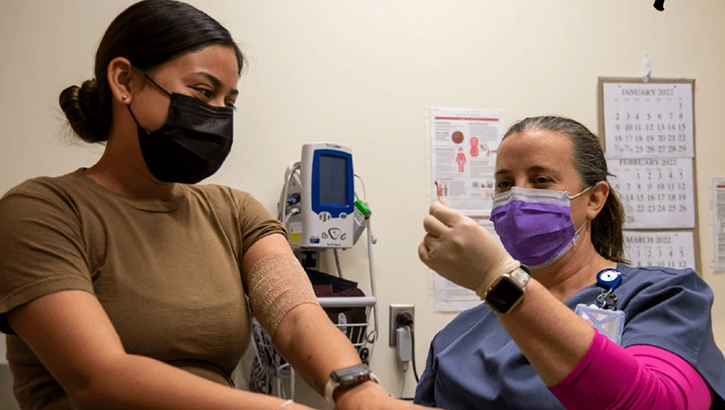
Well being equality for girls in assistance and girls beneficiaries is and will remain a top rated priority for the Department of Protection, Performing Assistant Secretary of Defense for Wellbeing Affairs Seileen Mullen manufactured clear during a recent podcast.
Conversing to the Army Wife Community on Nov. 30, Mullen explained women of all ages have one of a kind demands, such as reproductive care and gender-unique treatment concerns, mainly because they vary from men in cardiovascular health and fitness, psychological well being, and musculoskeletal injures, between other clinical problems.
“We’ve manufactured that a authentic aim and aspect of my portfolio and my issue,” Mullen stated.
Gals are the quickest increasing percentage of the armed services at about 18{35112b74ca1a6bc4decb6697edde3f9edcc1b44915f2ccb9995df8df6b4364bc} of the overall, and gals make up 4.7 million DOD beneficiaries, she pointed out.
Mullen mentioned the DOD’s the latest target on contraceptive and reproductive treatment all through the podcast.
Loved ones Setting up or Deployment Organizing
She spoke about the recent directive requiring wander-in contraceptive providers at armed service hospitals and clinics and the variety of contraceptive selections that are offered via the Armed service Wellness Method.
“That is really critical mainly because you either want to program your family members or program your deployment,” Mullen claimed.
On Sept. 27, the Protection Overall health Company issued the prerequisite that armed forces hospitals and clinics provide whole-scope, wander-in contraceptive companies. By January 2023, DHA hospitals and clinics will specify the site and several hours of operation for stroll-in expert services, delivering exact same-working day entry with no appointment or referral wanted.
A 2020 RAND study that was released in 2022, informed a great deal of the amplified concentration on women’s well being, Mullen stated.
That study–the first on armed forces women’s wellness in 30 years– highlighted the will need for women’s health products and services “which are becoming some of the best clinical services delivery lines in the MHS,” she reported.
In that memo, Secretary of Defense Lloyd J. Austin III directs the armed forces to “conduct a extensive contraception schooling campaign to increase support members’ consciousness of the assets available to them and their people, which includes unexpected emergency contraception.”
“That education campaign will also emphasize the simple fact that the Office of Defense has eradicated TRICARE co-pays for clinical contraceptive expert services, including intrauterine units,” the memo states.
“We’re taking away that copay to make it that a great deal less complicated for gals in the armed forces to get expert services these as IUDs and contraceptive implants,” Mullen stated.
She allow the viewers know about two mobile apps that assist feminine services users and their households determine on loved ones arranging and deployment readiness, the Determine and Be Prepared cellular application, and the Deployment Readiness Training for Assistance Girls (DRES) mobile application, respectively.
The military services is also conducting pilot programs with doulas, who assist females via being pregnant and childbirth, and lactation consultants.
The sites www.health and fitness.mil and www.tricare.mil are both equally excellent sources of information and facts on women’s contraceptive and reproductive data, Mullen stated.
Empowerment is Key
The podcaster requested Mullen what empowerment usually means to her, a problem she asks just about every guest.
“Empowerment is autonomy,” Mullen responded. “I assume we are every capable, entirely realized human beings who know what’s most effective for ourselves and the best conclusions for ourselves and for our people.”
“I feel we need to be permitted as frequently, and as regularly as probable, to specific autonomy,” she additional.
“We are men and women who are sensible. We know what we would like to do, and we know what’s appropriate to do,” she mentioned. “I assume that autonomy to do those people steps is what empowerment indicates to me.”
This tale is component of 12 Times of Guidelines, encouraging you make the most of your tech, dwelling and wellness throughout the holiday getaway year.
Earning goals for the new calendar year is a ritual we all choose aspect in appropriate soon after the holiday seasons pass. It’s possible this calendar year you’ve got produced a resolution to get out of financial debt or commit much more time and electricity to eating improved. But just after a extended and annoying 2022, some of us basically want to care for our minds and nourish our psychological health and fitness in 2023.
Our psychological overall health is the foundation for every little thing we do, which includes our social and emotional nicely-remaining. It impacts every single aspect of our lifetime. Being intentional about valuing your mental wellbeing will enable you link deeper with some others, decrease panic and boost your assurance. Start out your yr suitable with these uncomplicated daily habits.
Also, see how to by natural means reduce panic without the need of treatment and suggestions for increasing your psychological wellbeing devoid of treatment.
Simple psychological health patterns to start off for greater psychological health
Make peace a schedule
Extremely few matters in life are promised. Moments of pressure are, sad to say, just one of them. There will be situations when you feel confused or pressured out. However, you can handle how you answer to the strain. Applying peace strategies into your day-to-day regimen can support you deal with worry.
Meditation is a well-liked way to rest as it can support attain a state of relaxed, lower worry and make improvements to your temper. Some individuals even use music to information them by means of their meditation periods. If meditation is just not your matter, deep respiratory, reading through or getting a bubble tub are also well known rest procedures. No issue how you choose to loosen up, just make it a routine.
Study more: The Greatest Meditation Apps for Rest
Follow gratitude
Including gratitude in your lifestyle is a way to create a optimistic outlook on your daily life. Extra than that, it has tangible gains for your mental wellbeing, including minimizing stress, lessening melancholy signs and symptoms and boosting your mood.
Gratitude is a very simple strategy, but in some cases hard to keep up with. In 2023, just take time for self-reflection and share your gratitude with the individuals around you. If you like to journal, consistently compose down a checklist of items you happen to be grateful for.
Catherine Delahaye/Getty Photos
Value social conversation
Sharing our time with others is often just what we want to increase our temper or improve our standpoint on points. By producing time for close friends and household, you will minimize inner thoughts of loneliness and make certain you have an emotional guidance method at your fingertips. If you won’t be able to regularly satisfy in particular person, textual content messages and zoom phone calls are all significant ways to join with others without the need of in fact viewing each and every other.
The other aspect of valuing social conversation is recognizing when you’ve experienced ample. Boundaries are an vital component of psychological wellbeing that aid you from pushing your self as well considerably. Come to feel empowered to say no or shift plans about when your body tells you to.
Take treatment of your bodily wellness
Mental health and fitness is right tied to bodily wellness — one particular cannot prosper with no the other. The a few major spots to focus on for 2023 are sleep, diet and exercising.
Let’s dig into each goal space:
Slumber: The state of your psychological health and fitness is affected by the snooze you get. If you do not get ample slumber, your brain isn’t going to have the possibility to rest and get well. Slumber deprivation will make it tougher to control your thoughts and cope with strain, which can amplify the symptoms of existing mental health problems. Becoming intentional about prioritizing your rest is a straightforward way to price your psychological health and fitness.
Food stuff and hydration: Offering your entire body the nutrients and hydration it wants to perform is one more essential element of psychological wellbeing. In addition to feeding on properly-well balanced meals, attempt introducing foods to your diet plan that boost joy. And make guaranteed you consume adequate h2o hydration is linked to lessened chance of stress and anxiety and melancholy.
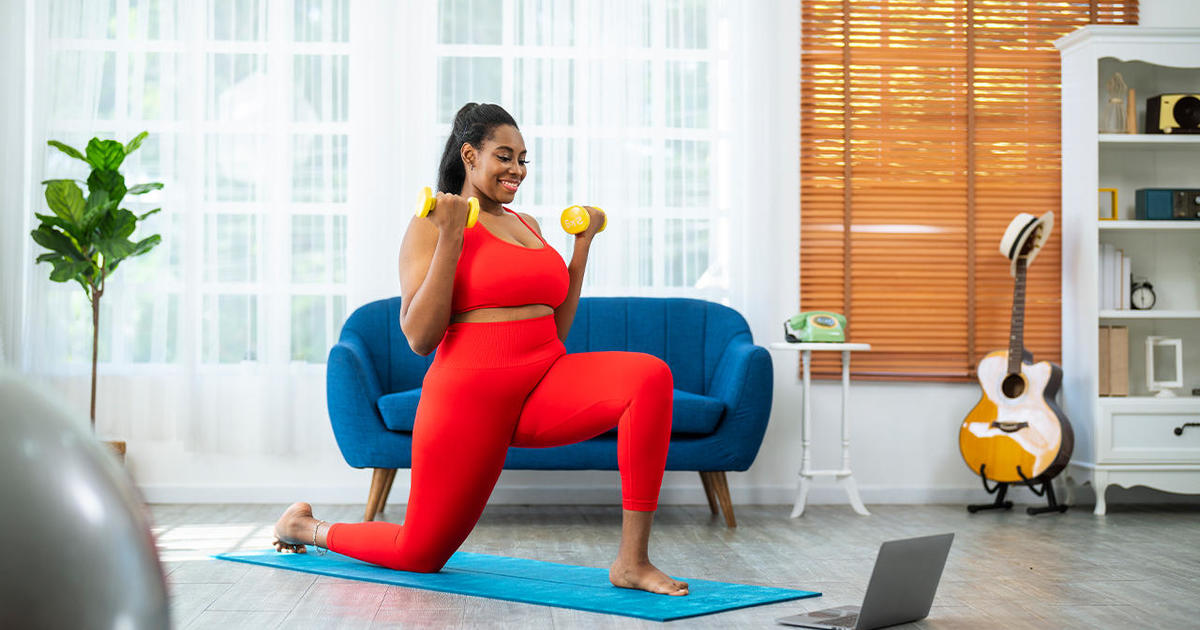
Workout:Remaining active is yet another way to strengthen your temper and make you sense superior. Incorporating workout to your regime offers you a prospect to bond with other individuals, minimize stress and improve your self esteem. It does not have to be heavy lifting or intense exercise routines standard walks or bicycle rides can also boost your mental wellness.
Keep an eye on your social media consumption
Our phones are our lifelines. Most of the time, they are beside us, trying to keep us linked to the outdoors world as a result of phone calls, texts and social media. The hrs expended scrolling by social media, evaluating ourselves to the snapshot of perfection people today write-up, can critically impact our self-look at and stain our psychological health and fitness. Frequent social media use has been joined to worsened anxiety and despair signs and symptoms, thoughts of inadequacy and unhealthy sleeping routines.
You can use social media in a way that doesn’t deplete your psychological wellbeing. Use these ways to make social media do the job for you:
Put a limit on how prolonged you can expend on social media.
Do not start or close your day with social media.
Use the time you made use of to spend on social media to do one thing that delivers you pleasure or relaxation.
Journal your inner thoughts
Journaling is a potent device to cope with psychological health and fitness conditions by functioning via emotions and channeling views. A 2018 review discovered that journaling for 15 minutes every working day substantially lessened worry and inner thoughts of anxiety. Other investigate has joined it to helping work as a result of PTSD indicators or melancholy.
There is no proper or incorrect way to journal. Several persons journal daily. Other people might only journal when pressured or have to have to perform by way of a thing. No make a difference how you use it, journaling is a way you can observe your development and development through the 12 months.
Westend61/Getty Photographs
Make you laugh
Occasionally, laughter is the greatest drugs. When you might be experience stressed or down, do items that will make you snicker to lower stress and anxiety and stress. View your preferred Television set show or motion picture to give your temper a boost. Or find the resource inside oneself. Sing whilst you happen to be in the shower or dance even though cleaning your dwelling. Dancing lessens the pressure hormone cortisol in the human body.
Enhancing your mental wellness is a journey it doesn’t come about right away. You can make long lasting tweaks to your effectively-remaining by deliberately incorporating habits to your regimen.
The information and facts contained in this posting is for educational and informational needs only and is not supposed as wellness or healthcare assistance. Constantly seek advice from a physician or other qualified wellbeing company concerning any thoughts you may well have about a clinical problem or wellness objectives.
Shane MacGowan has shared a overall health update with admirers, right after returning residence from healthcare facility in time for Christmas.
The Pogues frontman, 65, took to his Twitter on New Year’s Eve to share his well-needs and expose he was struggling from a serious problem.
It arrives after Shane arrived back house before this month after shelling out time in hospital battling an infection, noted to be each shingles and encephalitis.
Update: Shane MacGowan has shared a well being update with lovers, following returning property from hospital in time for Christmas
Encephalitis is an unusual but critical condition in which the mind gets inflamed (swollen).
It can be daily life-threatening and demands urgent treatment method in hospital.
In the video clip, Shane confirmed: ‘Hi good friends, I’m sitting listed here suffering from encephalitis.
Putting on a pair of sunglasses to protect against the light sensitivity, he extra: ‘The light-weight is killing me […] but I desired to would like you a Happy New Yr and Happy Christmas.
And many more, and all the luck in the world and all the really like. Content Xmas and Delighted New Year, adore Shane.’
Satisfied New Calendar year! The Pogues frontman, 65, took to his Twitter on New Year’s Eve to share his properly-needs
WHAT IS ENCEPHALITIS?
Encephalitis is an unusual but really serious ailment in which the mind becomes inflamed (swollen).
It can be life-threatening and necessitates urgent cure in clinic.
Anyone can be affected, but the extremely young and pretty aged are most at danger.
Encephalitis in some cases starts off off with flu-like signs, this sort of as a high temperature and headache, but these really don’t generally come about.
A lot more significant indications establish more than hours, times or months, including: confusion or disorientation, seizures (suits), variations in individuality and conduct or reduction of consciousness.
Dial 999 for an ambulance immediately if you or an individual else has these extra significant symptoms.
It is really not normally apparent what brings about encephalitis, but it can be induced by viral bacterial infections. Various frequent viruses can spread to the mind and lead to encephalitis in rare scenarios, which includes the herpes simplex virus (which triggers chilly sores and genital herpes) and the chickenpox virus.
It comes following Shane wished his followers properly around the festive interval on Xmas Day.
He shared a quick snippet of himself waving at the digicam and stating: ‘Merry Christmas everyone’.
Together with the video, he wrote on Twitter: ‘Happy Christmas everybody and thank you for all your messages and prayers’.
Enthusiasts have been still left worried when he was rushed to hospital but his spouse Victoria Mary Clarke verified on December 15 that he was back home.
Composing to her followers on Twitter, Irish journalist Victoria, 56, wrote: ‘Shane is house and we are likely to look at the football ⚽️!
‘Thank you every person who has been messaging and blessings to everyone who has a cherished a single in hospital and who is in clinic themselves and blessings to the medical professionals and nurses! @ShaneMacGowan.’
Shane was wrapped up warm in the image shared to her 29,000 followers, carrying a fluffy hat, sunglasses and included in a blanket.
Shane, who has used a wheelchair since he broke his pelvis in 2015, has been in and out of hospital in the latest decades.
Lovers wished the singer, whose hits involve Fairytale of New York, a fast restoration and hoped he’d be home for Xmas.
The singer’s return household implies he will be equipped to enjoy his 65th birthday – which is on Christmas Working day.
Victoria previously up to date his lovers with a picture of the musician smiling from his hospital mattress.
Alongside the snap, she wrote: ‘Fingers crossed @ShaneMacGowan will be house tomorrow! @PoguesOfficial.
Victoria gave lovers an update on her husband’s wellness previously this month, tweeting that ‘doctors are assured he will be Ok.’
‘I just preferred to thank everybody who has been sending good needs for @ShaneMacGowan, he is currently being taken care of for an an infection and the doctors are assured that he will be ok.’
‘I am just unbelievably grateful to them and to all of you,’ Victoria wrote.
Victoria shared a photo of the musician smiling as she uncovered he had been admitted to medical center.
Festive: He shared a shorter snippet of himself waving at the digicam and stating: ‘Merry Christmas everyone’
She tweeted: ‘Please deliver prayers and healing vibes to Shane MacGowan in hospital once again and seriously hoping to get out asap!! Thank you.’
1 enthusiast wrote beneath her update: ‘Not at Xmas, the man is the sound of Christmas… I hope he recovers swiftly and not also a great deal irritation.’
Victoria advised the Irish Mirror that Shane is finding it ‘frustrating’ and would like to get out immediately after currently being admitted.
Wellbeing: The Pogues frontman was rushed to hospital previously this month where by he was getting ‘treated for an infection’ (pictured with his spouse Victoria)
She stated: ‘I’m unquestionably hoping he gets out this week. He’s a little bit pissed off, I believe. He finds it really frustrating… he wishes to get out.’
The few have been alongside one another for extra than 35 years and tied the knot at Copenhagen City Hall in Denmark in November 2018.
The personal ceremony was attended by their shut good friend Johnny Depp, who performed.
Hospitalised: Shane, who has utilized a wheelchair given that he broke his pelvis in 2015, has been in and out of clinic in latest a long time
Recovering: Victoria gave admirers a new update on her husband’s well being, tweeting that ‘doctors are confident he will be OK’
The Irish singer-songwriter has had health troubles considering that he broke his pelvis.
In 2021 he fell and broke a knee, just before tearing ligaments in his still left knee, in no way thoroughly recovering from the accidents.
In April he confirmed that he ‘can’t wander any more’.
Wife: Victoria, who married Shane in an personal ceremony in Copenhagen in 2018 (pictured), questioned lovers to pray for him before this thirty day period
He has also been open about his battle with dependancy and in 2015 had to get a comprehensive set of enamel implants after a long time of consuming and drugs ruined his authentic kinds.
But just previous week he seemed in good spirits when he delighted enthusiasts by joining TikTok, clocking up 840,000 sights for his to start with online video.
He explained in the 17-2nd clip: ‘Welcome to Shane MacGowan on TikTok, I hope you love. God bless, Shane.’
Well being scare: Getting to Twitter Victoria shared a image of Shane smiling and informed fans he was again in hospital
If you’re planning to jumpstart your workout routine in the new year or setting some health and wellness New Year’s resolutions, you’ll need the right equipment and accessories. To help you reach your 2023 fitness goals, we’ve compiled the best after-Christmas fitness deals on home gym equipment, activewear, fitness trackers and more.
Top products in this article:
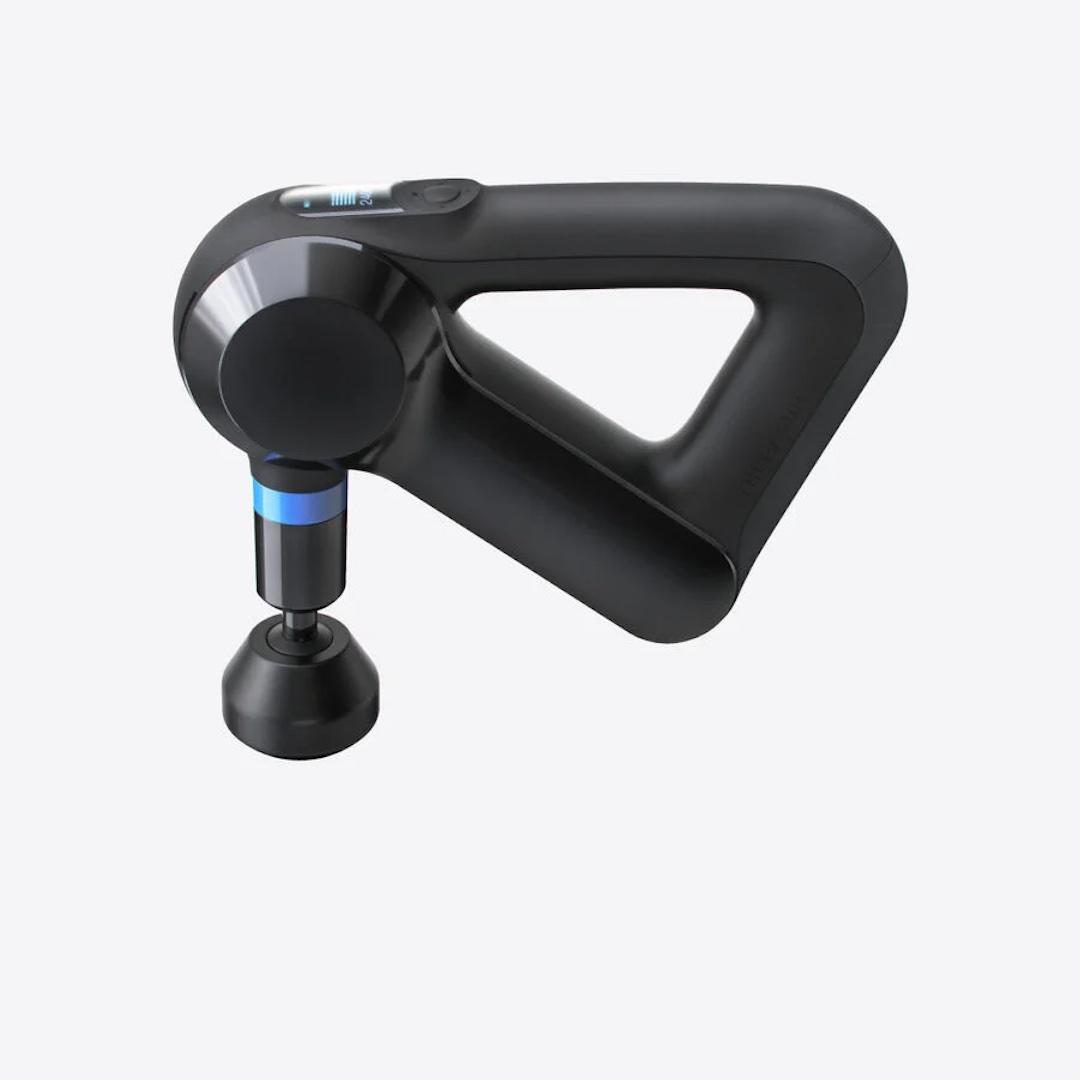
Theragun Pro, $400 (reduced from $599)
Original Peloton Bike, $1,195 (regularly $1,445)
Amazon Halo View, $50 (reduced from $80)
We’ve found the perfect fitness deals for people who want to kick their outdoor workouts up a notch, transform their living room into a home gym, easily workout while working from home or want the latest and greatest Apple Watch. We’ve found home gym essentials from Best Buy, Amazon and more of your favorite retailers to help you build your home gym and start a new workout routine in 2023.
The best massage gun deals
Shop the best Theragun deals. Select Theragun devices are on sale now.
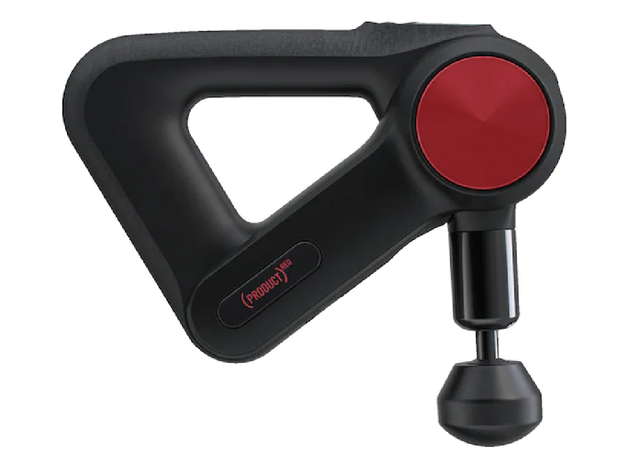
Theragun Pro: $400 (save $200)
Best Buy
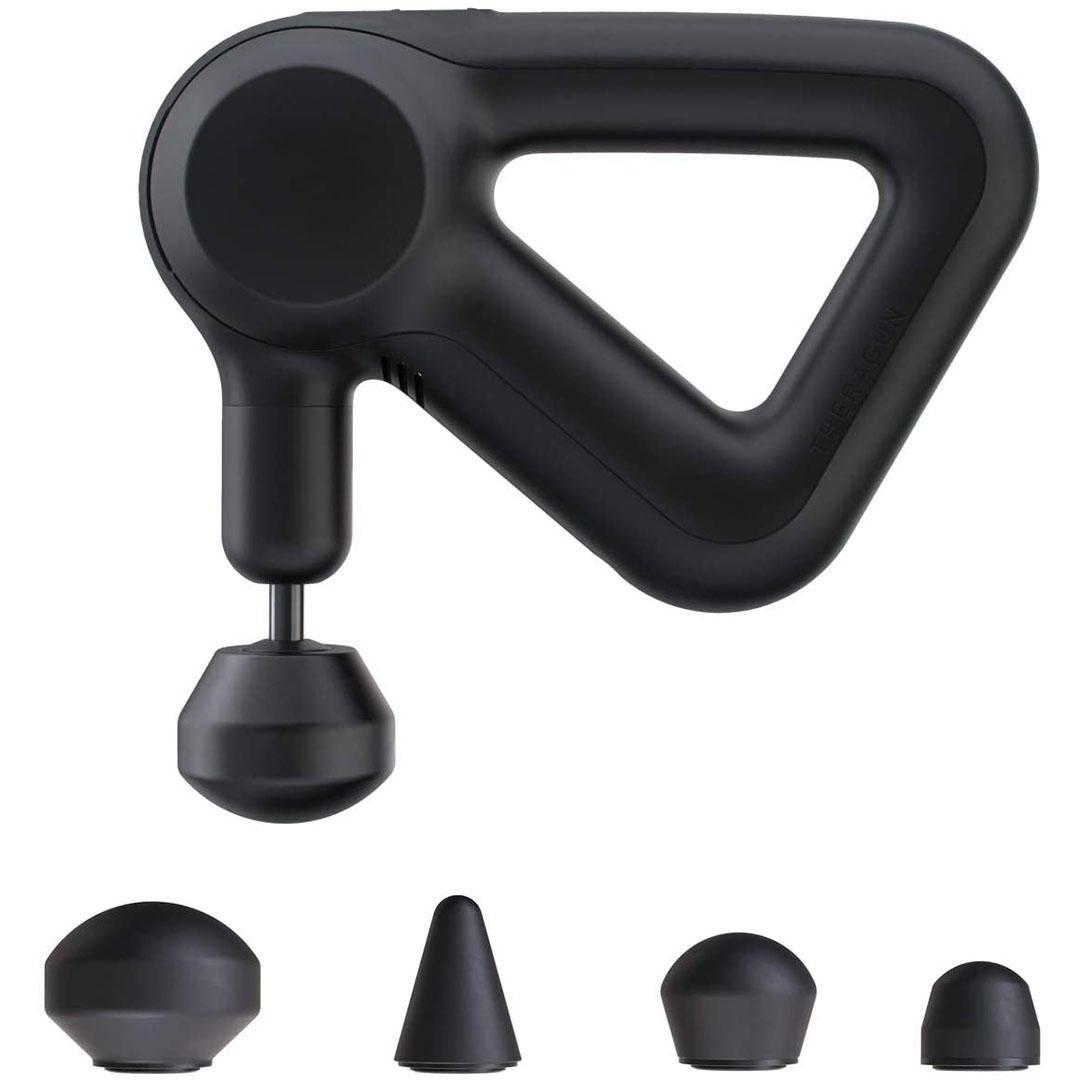
Theragun Pro is a professional-grade device constructed for physical therapists, trainers and other professionals, but it’s also great for athletes, however amateur. Like the Theragun Elite, it is equipped with an OLED screen and a customizable speed range of 1,750 to 2,400 PPMs (percussions per minute) with three presets. However, instead of 40 pounds of force, the Pro boasts 60 and is the only model with an adjustable arm, allowing for easier use.
The Theragun Pro comes with six attachments: a dampener, standard ball, wedge, thumb, cone and super soft tip. A two-year warranty (compared with just one with the less expensive models) makes it more appealing for anyone who might use the gadget daily.
Theragun Pro, $400 (reduced from $599)
Theragun Elite: $298
Therabody
The Theragun Elite is really simple to use — you control the intensity of the massage via an up or down press of a button and by varying the pressure you apply on your muscle. (We recommend, from first-hand experience, starting with a lighter touch.) The triangular design makes it really easy to reach all areas of your body on your own, at just the right angles — even those otherwise hard-to-reach spots on your back. It includes five attachments — a dampener, standard ball, thumb, cone and wedge.
It’s a high-end splurge, to be sure, but trust us — you’ll wind up getting a lot of use out of this massage gun once you know how good it makes you feel after a session.
Theragun Elite, $298 (regularly $399)
Theragun Prime: $198
Theragun Store via Amazon
Prime is Theragun’s most basic, standard-sized model, with up to 30 pounds of force. It also offers a five-speed range with customizable speed through the Theragun app and weighs 2.2 pounds. It’s also equipped with four attachments: dampener, standard ball, thumb and cone.
This model is quite user-friendly and will suit the needs of the average person suffering from muscle soreness, tightness and pain.
Theragun Prime, $198 (regularly $299)
Theragun Mini: $150
Therabody
The Theragun Mini weighs just 1.43 pounds. It offers 20 pounds of force and three speeds — 1,750; 2,100 and 2,400 PPMs. While the three standard-size Theragun models are Bluetooth enabled, the mini is not. The Mini may not replace the need for a full-size, full-powered massage gun, but it is a great supplementary option for anyone who travels often or wants to bring a massage gun to the gym.
The Mini is covered under a one-year warranty.
Theragun Mini, $150 (regularly $200)
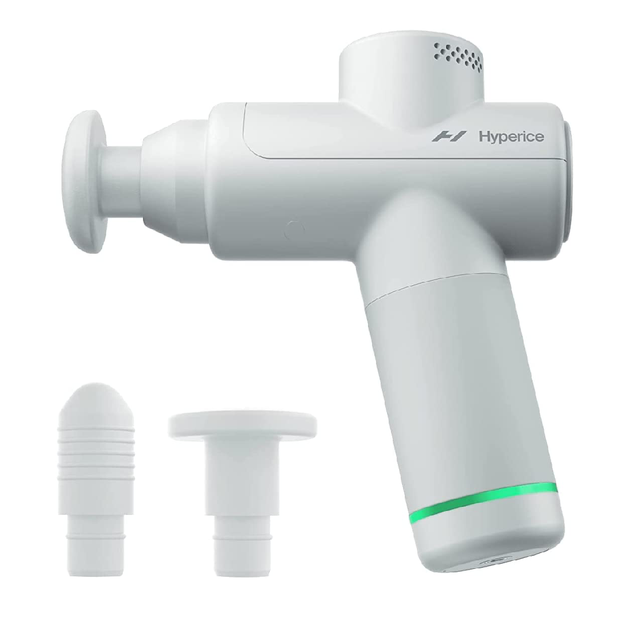
Hyperice Hypervolt 2: $229
Hyperice
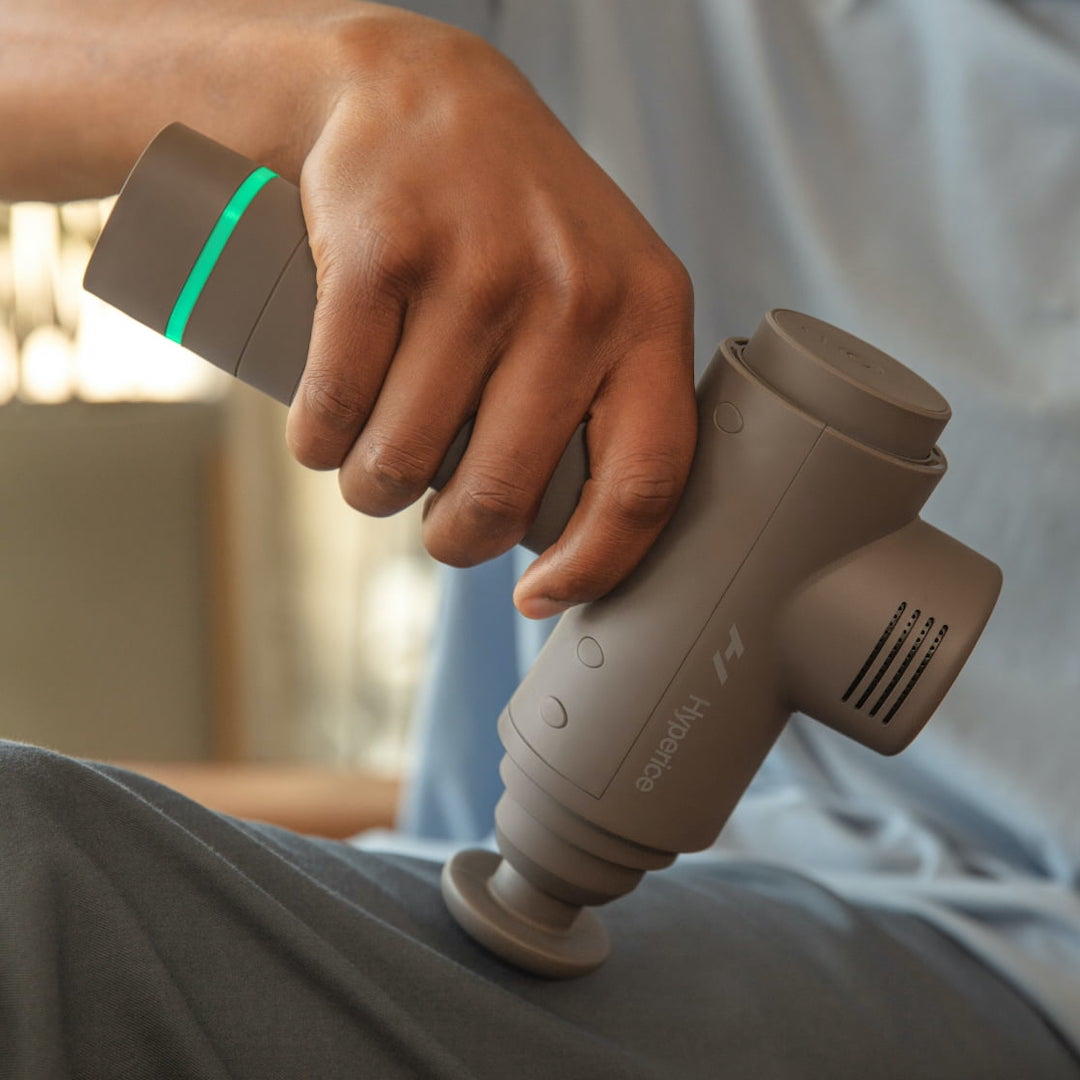
This updated version of the original Hypervolt is lighter, more powerful and has a newly designed handle. It has three speeds and five head attachments, and promises to be super quiet. It works with the Bluetooth-connected Hyperice app. It’s lighter than the Theragun Elite, at 1.8 pounds.
“This little gem is great right after a run for easing some of the stiffness,” shared one Amazon reviewer. “I also like to use it right before going to bed — it seems to keep me from having quite so much stiffness in my quads and glutes in the morning.”
Hyperice Hypervolt 2, $229 (reduced from $299)
Hyperice Hypervolt Go 2
Amazon
The Hypervolt Go 2 boasts 40 watts of power, two head attachments and three speeds. Its main selling point is its extreme portability – its lack of heft is meant to literally keep you on the go.
“I was gifted a full size Hypervolt which I use regularly for my legs after runs. When I travel and do runs away from home, I surely miss my massage gun. So I purchased the Hypervolt Go 2,” wrote a verified purchaser on Amazon. “It charges quickly and is quiet. It will definitely be a good traveling companion for races that are away from home. ”
Hyperice Hypervolt Go 2, $149 (reduced from $199)
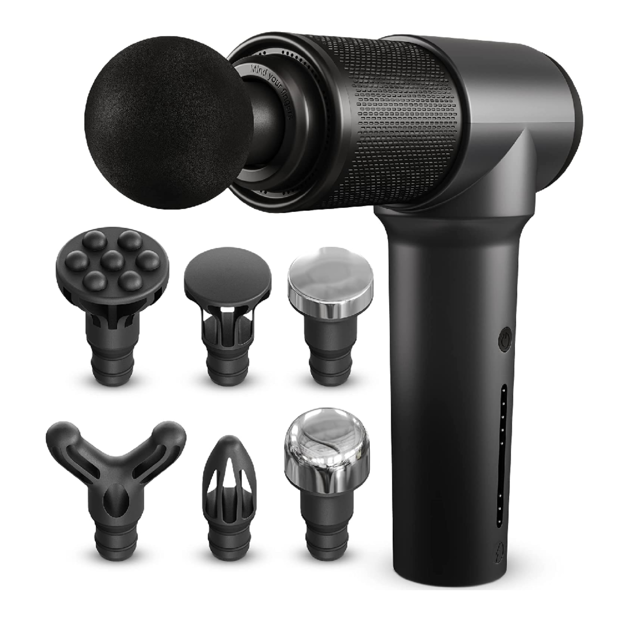
Turonic GM5 massage gun: $130
Amazon
This Turonic massage gun features a 4.6-star rating with reviewers praising the massager’s long battery life, ease of use, and ability to provide relief to tight muscles. The massage gun offers 5 intensity modes and comes with 7 replaceable massage heads for a customizable massage experience.
One Amazon reviewer noted that the Turonic GM5 offers a “really good variety in intensity between the different levels. I use it to recover from running. It’s great for relieving pain/soreness in calves and feet.”
Turonic GM5 massage gun, $130 after coupon (reduced from $180)
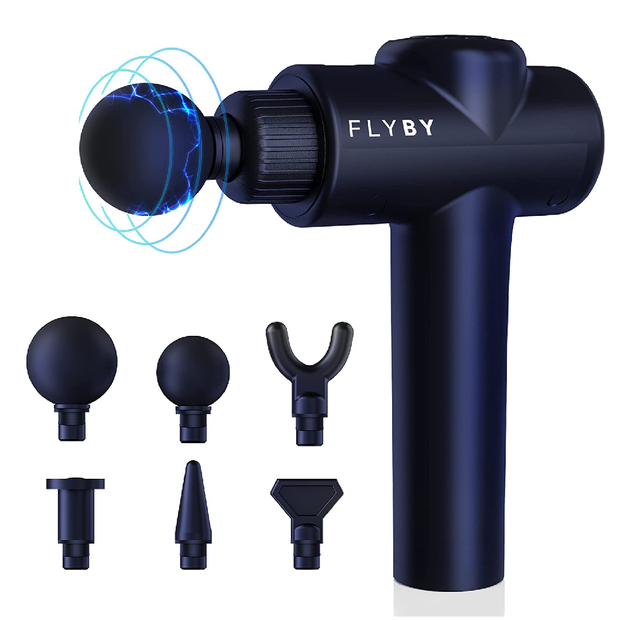
Flyby F1Pro deep tissue percussion massage gun for athletes
Amazon
The Flyby F1Pro massage gun offers 3 speed settings and 6 interchangeable heads. It is quiet and lightweight, weighing only 1.8 lbs. This high performance massager features a high-impact brushless motor that offers speeds up to 3200 rpm and up to 50lbs of pressure, It’s great for relieving soreness and muscle tension after a serious workout.
“If you are not looking to spend a fortune on the TheraGun, the FlyBy is just for you,” shares one verified buyer on Amazon. “It has many different heads to put on the massager for different areas of your body. I personally have shoulder and foot pain, and it relieves the pain about 85-90{35112b74ca1a6bc4decb6697edde3f9edcc1b44915f2ccb9995df8df6b4364bc}.”
Flyby F1Pro deep tissue percussion massage gun for athletes, $52 after coupon (reduced from $140)
The best stationary bike deals
We’ve found stationary bikes that suit a wide variety of budgets. Shop bikes from Peloton, Schwinn and more.
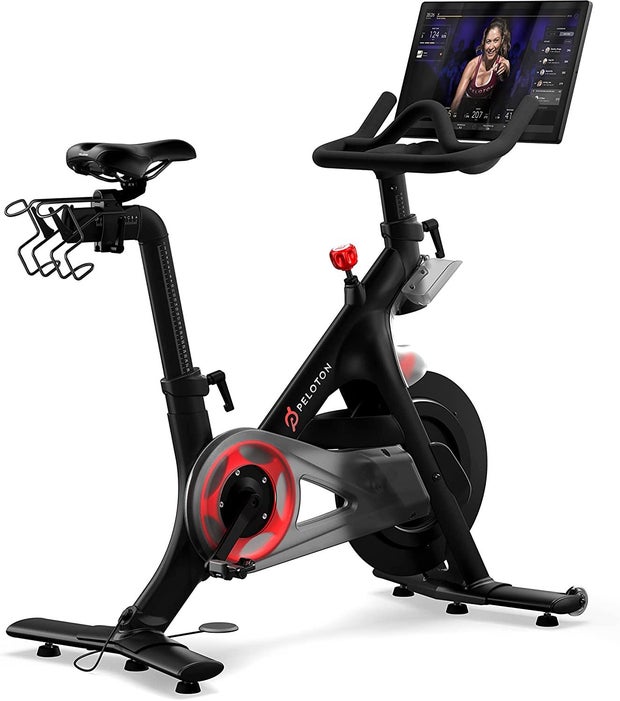
The Peloton Bike: $1,195
Peloton
Clip into a Peloton Bike for a cycling workout like no other. This small-space-friendly bike features delta-compatible pedals, a resistance knob for manual control, a two-channel, rear-facing stereo speaker system with 16W of total power, 10-point multitouch touchscreen, USB micro port, 3.5mm headphone jack, Bluetooth 4.0 connectivity, 5MP front-facing camera, built-in microphone and volume buttons.
A Peloton All-Access Membership ($44 monthly) must be purchased separately to access Peloton content on your Bike. Membership offers unlimited access to Peloton’s entire library of content available on your new Bike and through the Peloton App.
Original Peloton Bike, $1,195 (regularly $1,445)
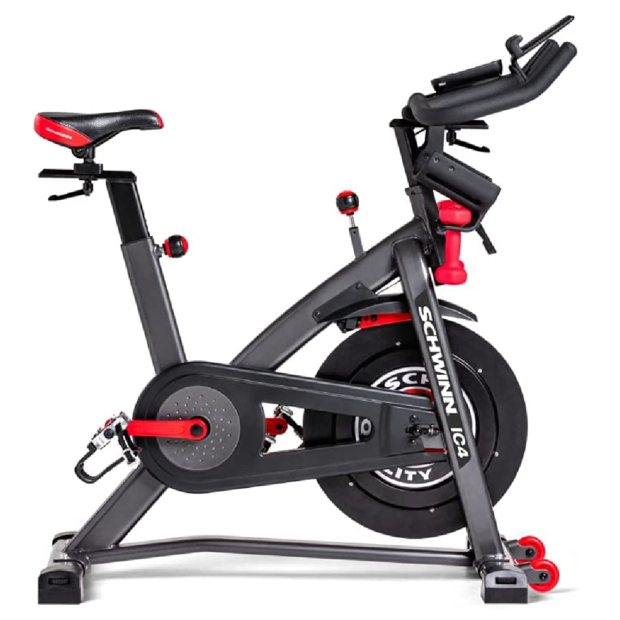
Schwinn indoor cycling bike: $800
Amazon
This indoor cycling bike is compatible with popular third-party cycling apps, like Peloton and Zwift. It features a full-color, backlit LCD console that monitors your heart rate, speed, time, distance and calories burned while cycling. It also has an adjustable race-style seat and dual-link foot pedals with toe cages and clips for a secure ride.
Schwinn Fitness indoor cycling bike, $800 (reduced from $1,199)
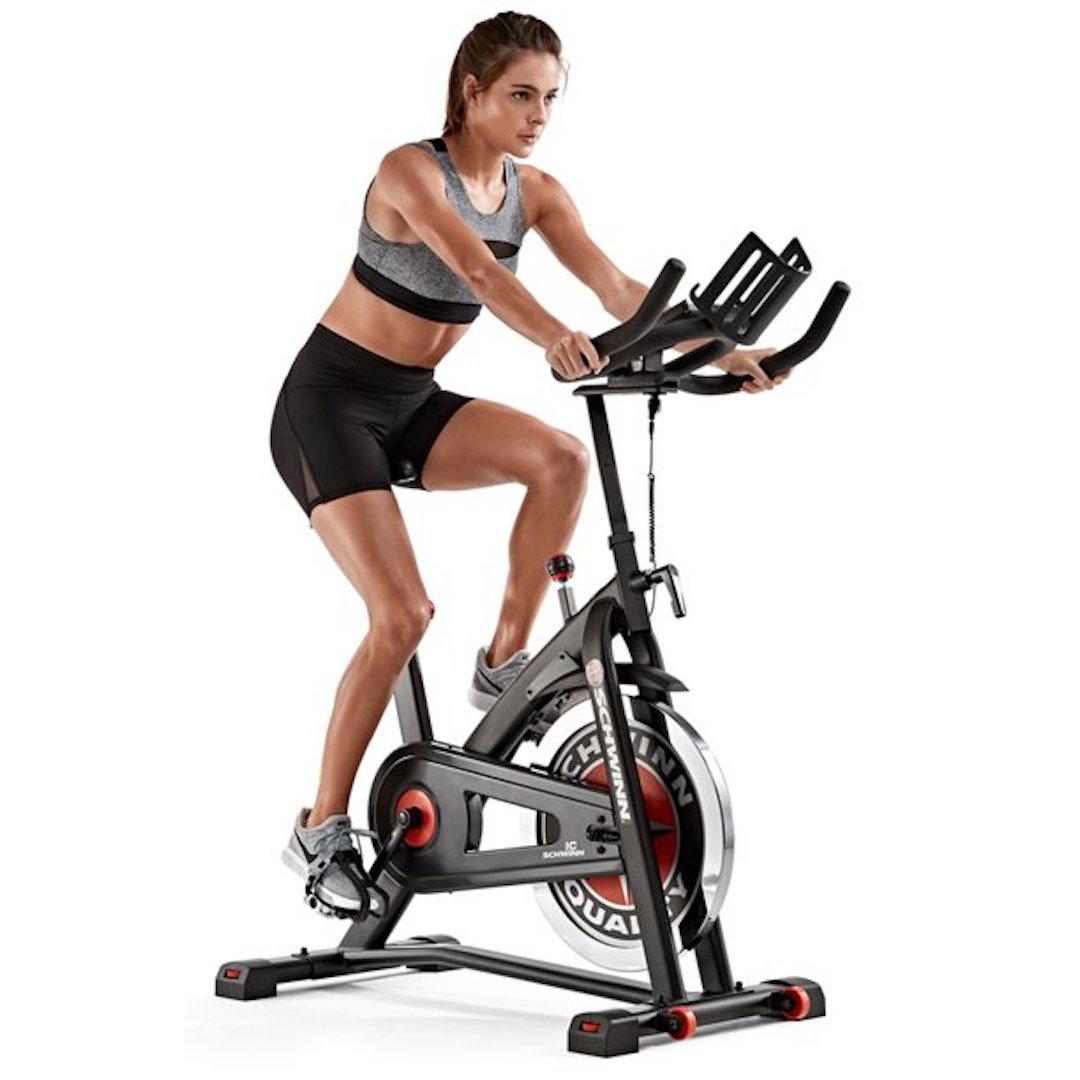
Schwinn Fitness IC3: $620
Walmart
This bike with a tablet holder has an LCD console, Bluetooth capability and a 40-pound flywheel. It tracks RPMs, heart rate, calories, time and distance. Try it with the Peloton app.
Schwinn Fitness IC3, $620 (reduced from $799)
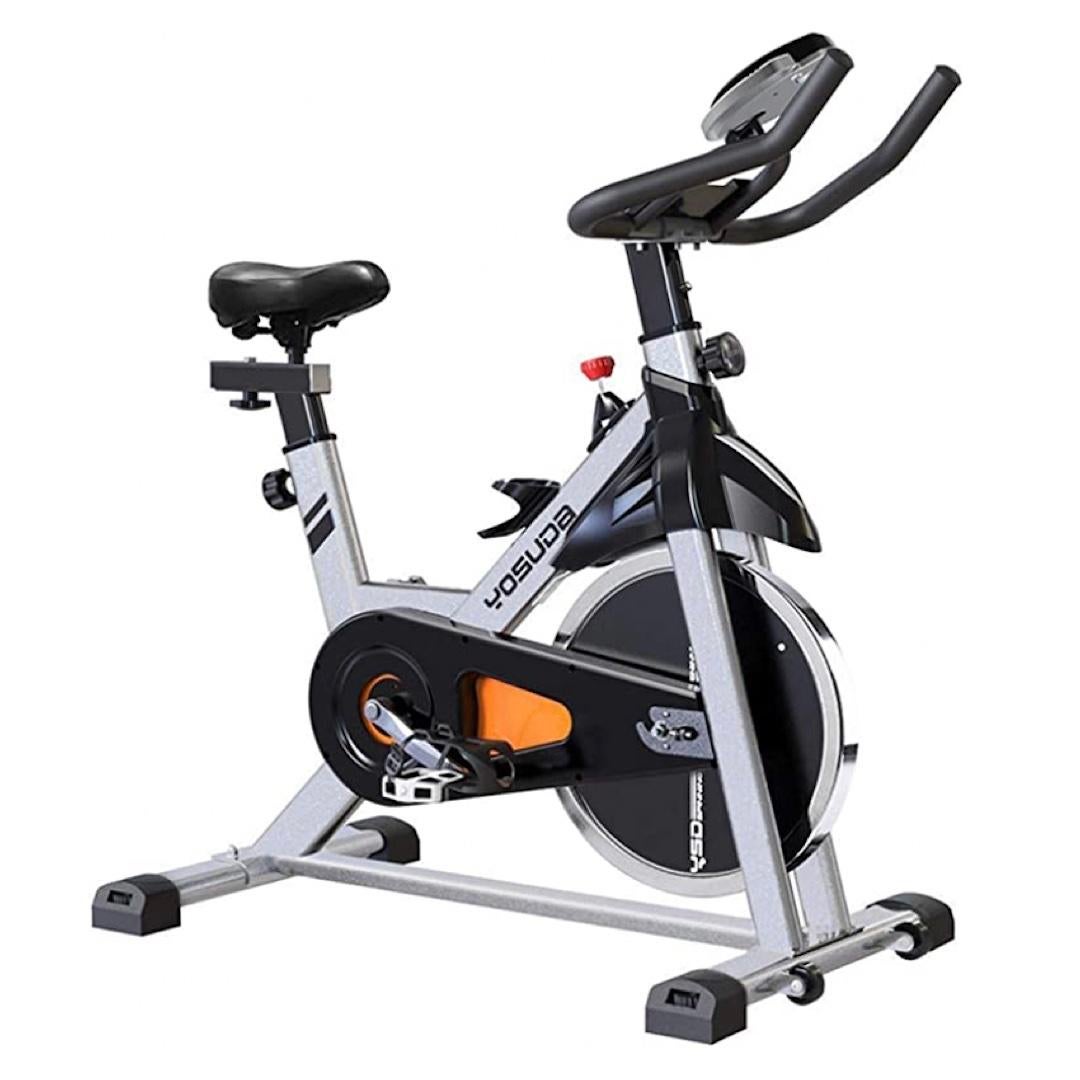
Yosuda indoor cycling bike: $210
Yosuda via Amazon
This stationary bike has a belt-driven system for a smooth and quiet ride, an adjustable non-slip handlebar and a tablet holder. Its LCD monitor tracks time, speed, distance and calories burned. There is a water bottle holder and wheels on the bike, so that it can easily be moved.
This spin bike has a weighted flywheel and quiet belt drive system. It has an adjustable seat and handlebars, plus a water bottle holder. Stream your workout on your TV or a laptop in front of you, or invest in a tablet holder for this bike’s handlebars, as it doesn’t come with a tablet or workout streaming subscription.
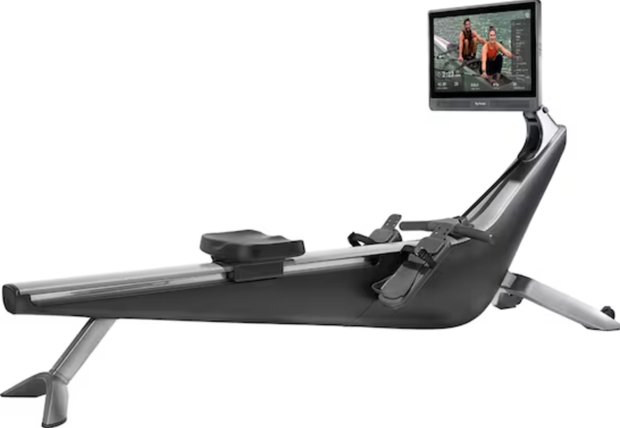
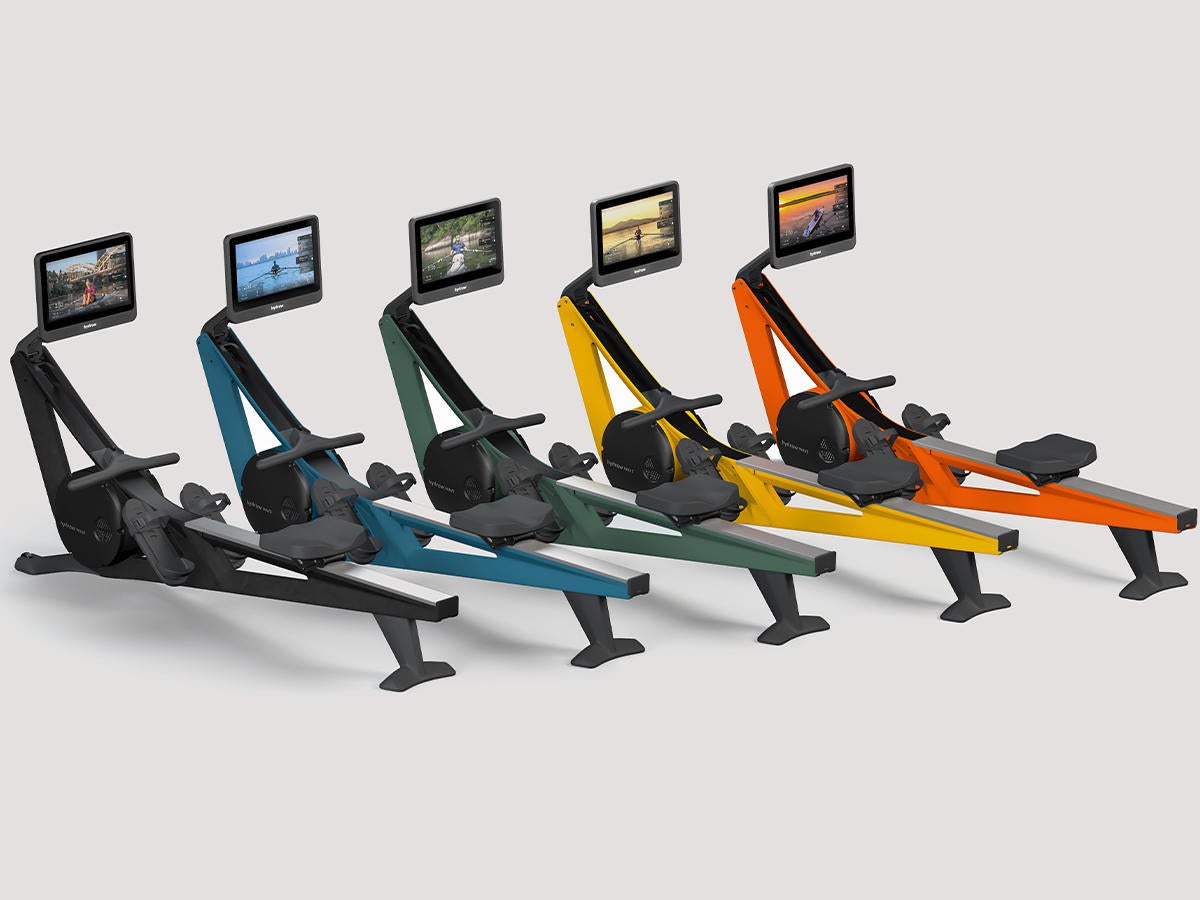
Rowing has become the hot new fitness trend. Shake up your fitness routine in 2023 with a new rower for your home gym.
Hydrow Rower: $2,295 and up
Best Buy
The Hydrow rowing machine features an adjustable 22-inch HD screen, an aluminum and steel frame and a customizable footbed. The Hydrow Rower fits heights up to a 36-inch inseam and weights up to 375 pounds. Rated 4.8 stars at Best Buy.
Learn more about the Hydrow rower, here.
Hydrow Rower, $2,295 (regularly $2,495)
Hydrow Rower + 1 year Hydrow subscription, $2,701 (regularly $2,951)
Hydrow Wave Rower: $1,695 and up
Hydrow
The Hydrow Rower’s small-space-suitable successor features a 16-inch HD screen, stainless steel seat track, durable polymer frame and an adjustable footbed. Despite its smaller size, the Hydrow Wave also fits heights up to a 36-inch inseam and weights up to 375 pounds.
Hydrow Wave rowing machine, $1,695
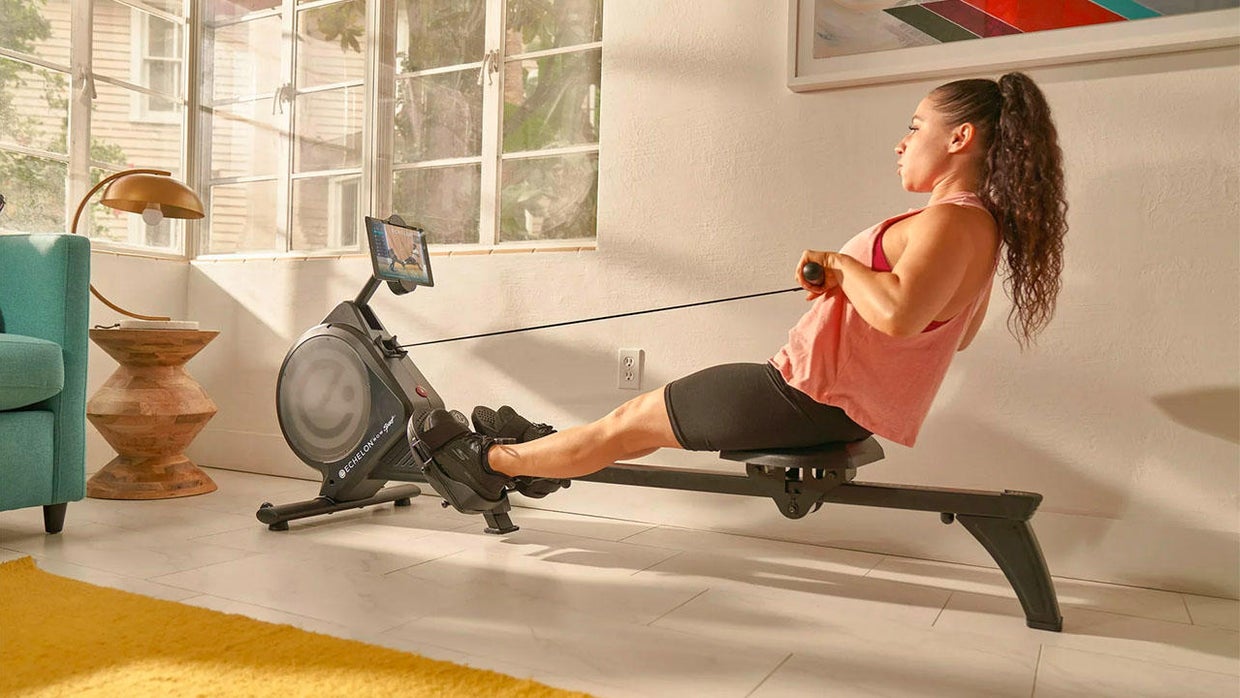
Echelon Sport exercise rower: $497
Walmart
The Echelon sport exercise rower features 32 levels of magnetic resistance and a built-in tablet holder (up to 12.9 inches). It easily folds up when not in use for easy storage.
The Echelon Sport exercise rower includes a 30-day free trial membership to Echelon Premiere, with more than 40 daily live and 15,000 on-demand fitness classes. (Echelon Premiere costs $34.99 per month after that; membership is not required to use the rower.)
If the weather outside is frightful, you might as well workout inside where it’s warm. We’ve found treadmill deals that suit a variety of budgets.
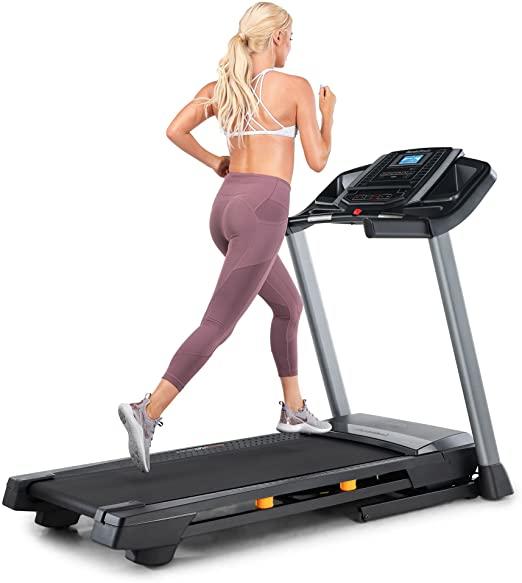
NordicTrack T Series 6.5 S treadmill: $649 and up
Amazon
The NordicTrack T Series 6.5 S treadmill is equipped with one-touch, zero to 10 percent incline control, can reach speeds of up to 10 mph, and be folded up into the frame for storage. It has a 300-pound capacity.
“Precise and well-crafted, the unit smoothly folds upright to reduce the footprint in my living space,” reviewer Morgan Powers says. “The console immediately synced with my home Wi-Fi. Graphics/audio on the 10-inch monitor are crystal clear.”
The treadmill is available in two varieties: one with a five-inch display screen; and, one with a 10-inch display screen.
NordicTrack T Series 6.5 S treadmill (5″ inch display screen), $649
NordicTrack T Series 6.5 S treadmill (10″ inch display screen), $958 (reduced from $999)
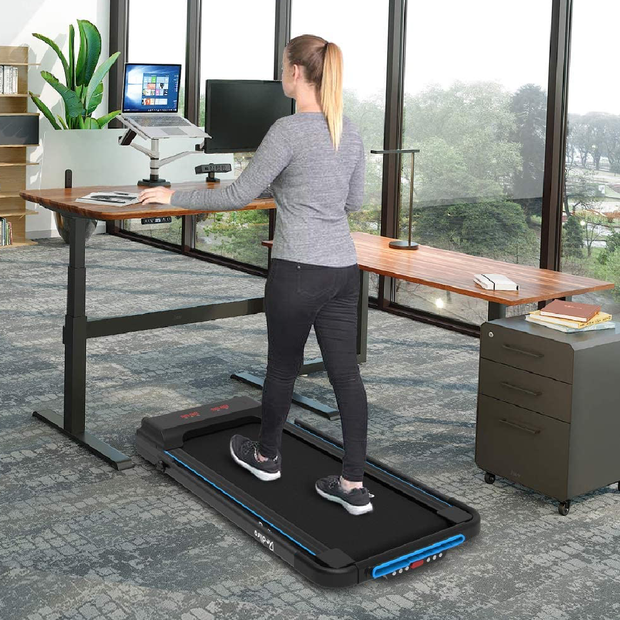
Redliro under desk treadmill: $312
Amazon
Consider this under-desk treadmill if you work from home and want to get more movement into your daily routine.
This motorized walking and jogging treadmill offers 12 preset exercise modes as well as the option to manually adjust the setting for your perfect workout. The treadmill is currently 35{35112b74ca1a6bc4decb6697edde3f9edcc1b44915f2ccb9995df8df6b4364bc} off at Amazon.
Redliro under desk treadmill, $312 (reduced from $480)
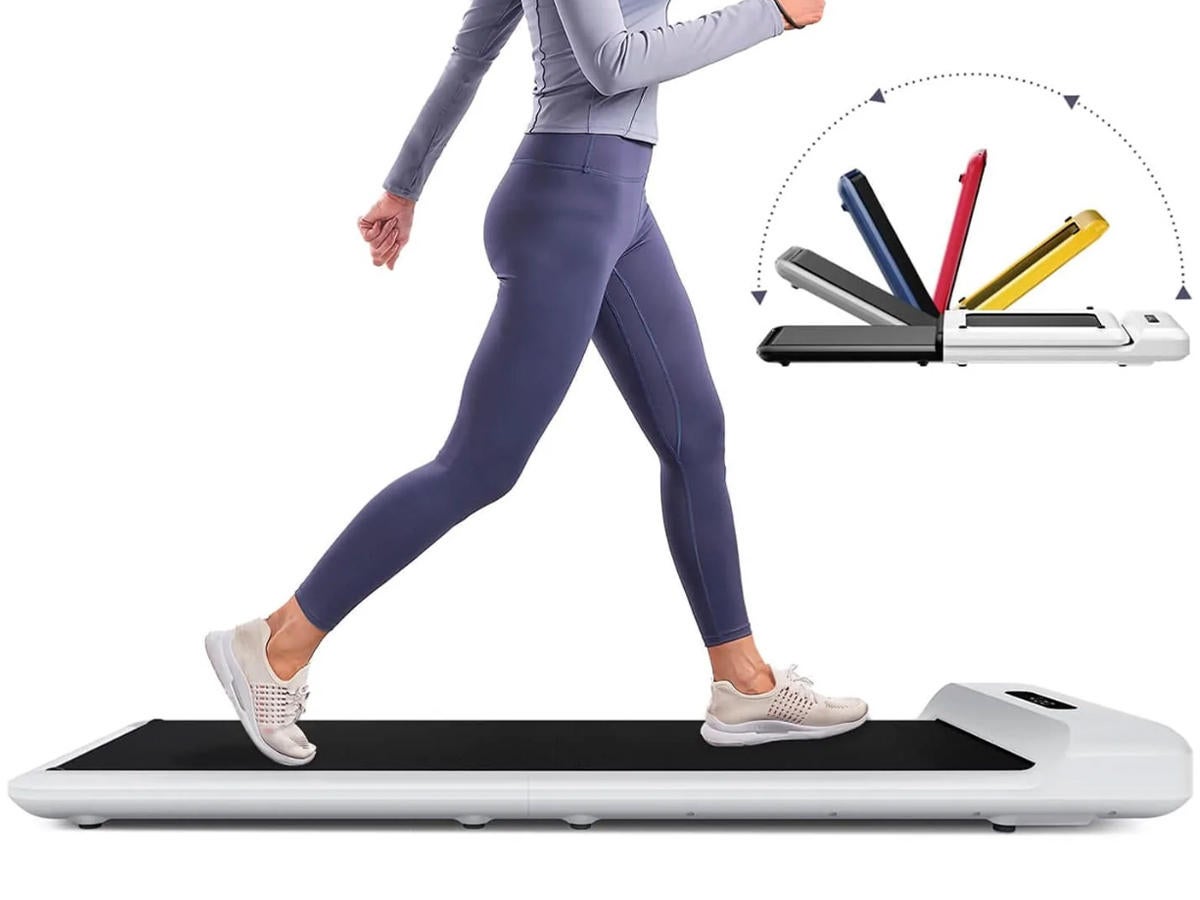
WalkingPad C2 Mini foldable walking treadmill: $550
WalkingPad
Know someone who works from home and doesn’t have a ton of space? This mini walking treadmill is the perfect size to slide under a standing desk. When it’s not in use, this fitness machine can be folded to almost half its size for easy storage.
Choose from five colors.
WalkingPad C2 Mini foldable walking treadmill, $550 (regularly $600)
The best health and workout supplement deals
Turn your office into a home gym. These apartment-friendly workout setups will transform your space and your body.
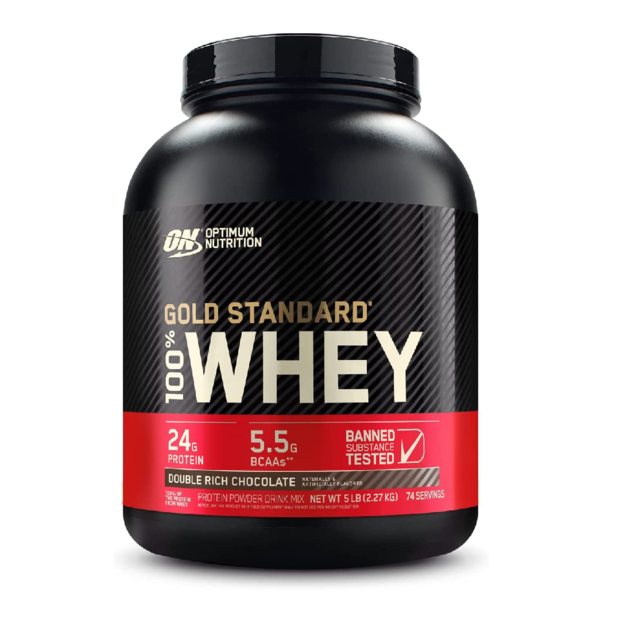
Optimum Nutrition whey protein powder:
Amazon
If one of your 2023 goals is to build muscle you’ll need a good protein powder. Right now, you can get this best-selling whey protein powder on sale on Amazon.
Optimum Nutrition whey protein powder, $65 (reduced from $86)
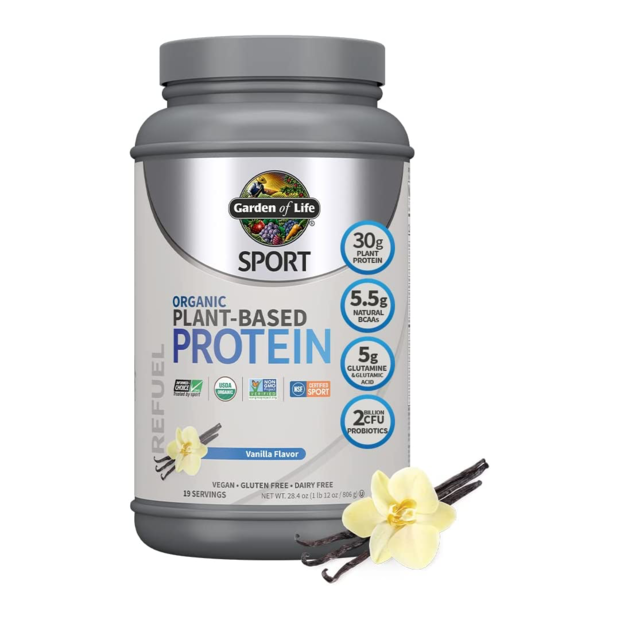
Garden of Life vegan sport protein powder: $40
Amazon
If you prefer plant-based protein, check out this deal on Garden of Life vegan protein powder. It’s made with pea protein, fruits and veggies, lentils and other plant-based high-protein ingredients. The powder has 30 grams of protein per serving and comes in two flavors; chocolate and vanilla.
Garden of Life vegan sport protein powder, $40 (reduced from $55)
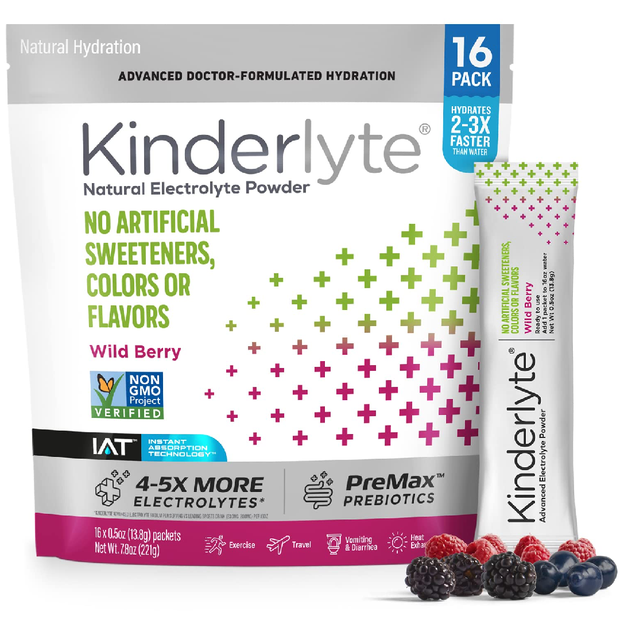
Kinderlyte advanced electrolyte powder: $23
Amazon
Replenishing your electrolytes after working out (or going to a New Years’ party) is important. If you’ve been sweating at the gym, you need to replenish your electrolytes such as sodium and potassium for proper post-workout recovery
Kinderlyte electrolyte powder, from Jessica Biel’s company Kinderfarms, provides advanced hydration without artificial sweeteners or colors. It also has significantly less sugar than traditional sports drinks.
Kinderlyte advanced electrolyte powder, $23 (reduced from $25)
The best wearable fitness tracker deals
Track your fitness goals this year with a top-rated wearable. Shop smart watches and smart jewelry from Oura, Fitbit, Apple, Samsung and more.
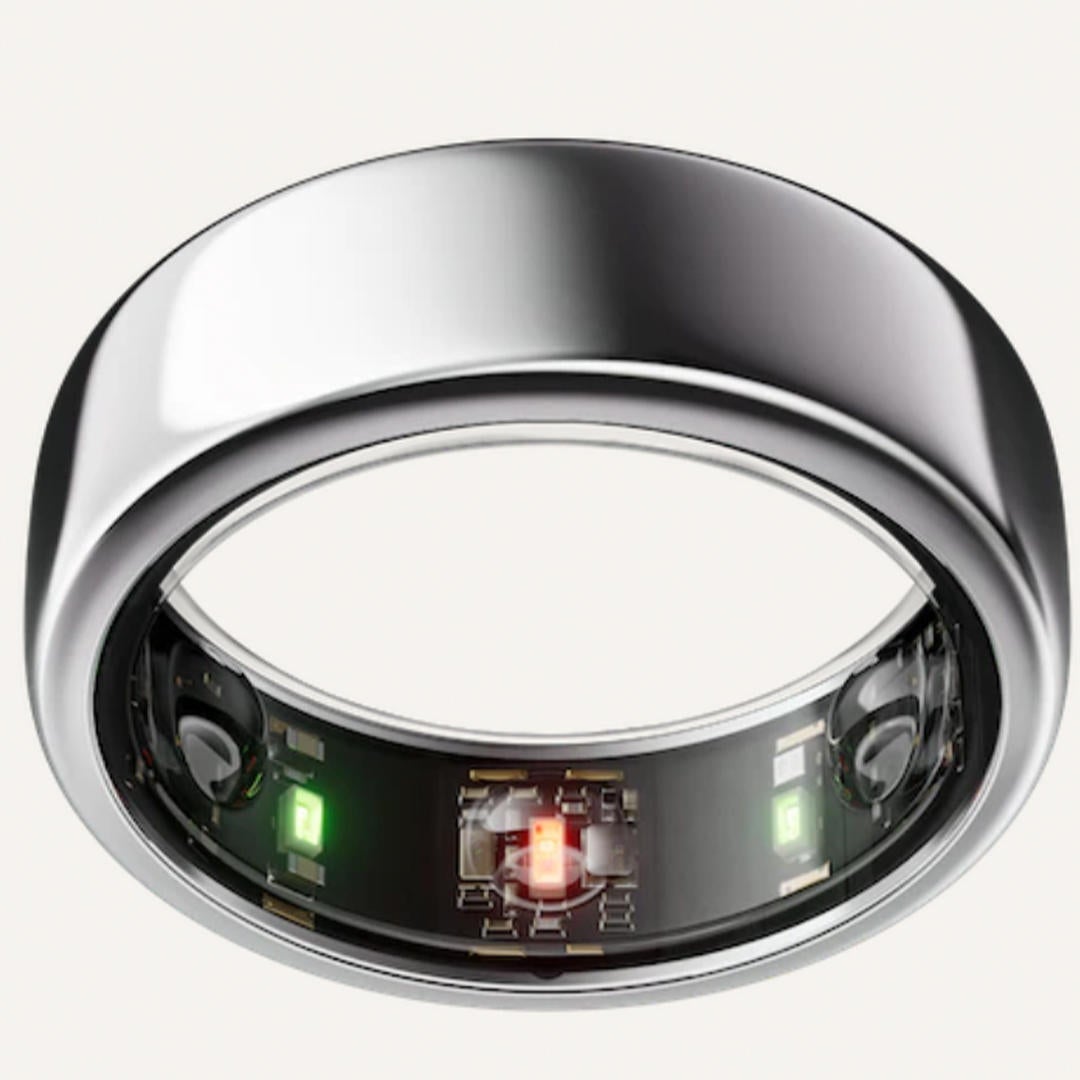
Oura Ring Gen3: $349
Oura
The Oura Ring tracks how well you sleep, your daily movement and heart rate, can help set health goals, take you through guided meditations and more. This small wearable can sync your health and workout data from your favorite apps through Apple Health, Google Fit, Strava and Natural Cycles.
Available in two styles and five metal finishes.
Oura Ring Gen3, $349
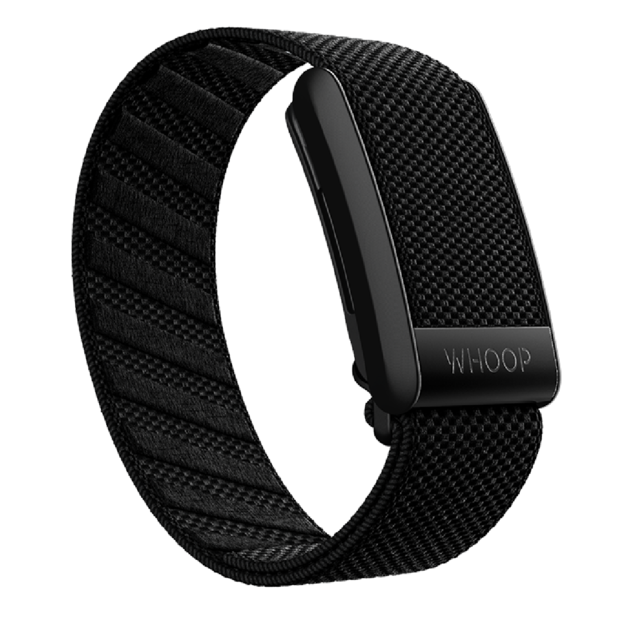
Whoop: $20 and up per month
Whoop
Whoop is designed to help you track your health habits including sleep, workouts and recovery. With the Whoop device and compatible mobile app, you can receive insights as to what to do to improve your recovery and health scores for a healthier and happier 2023.
A membership subscription is required. Whoop currently offers memberships for $20-$30 per month depending on commitment length. The standard Whoop band is included with membership.
Whoop, $20 and up per month
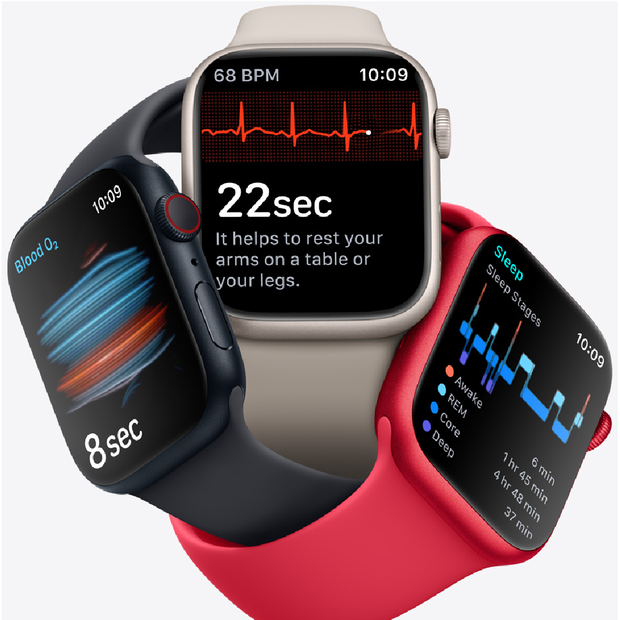
Apple Watch Series 8: $369 and up
Apple
Apple Watch Series 8, the latest addition to the Apple Watch lineup, features the new S8 chip for improved performance. It also includes an always-on display and new watch face options. The Apple Watch 8 will has a larger battery than previous models: Battery life can be extended to 36 hours when in low-power mode. The Apple Watch 8 features a durable design and is swim-proof, dust-proof and crack-resistant.
The Apple Watch 8 has a number of health-tracking features, including an optical heart sensor, electrical heart sensor for ECG, blood oxygen sensor and a new body temperature sensor.
The Apple Watch 8 is available in 41mm and 45mm sizing options. Shoppers can choose between stainless steel or aluminum casing and several different colors.
Apple Watch 8 GPS (41mm), $369 (reduced from $399)
Apple Watch Series 8 GPS (45mm), $399 (regularly $429)
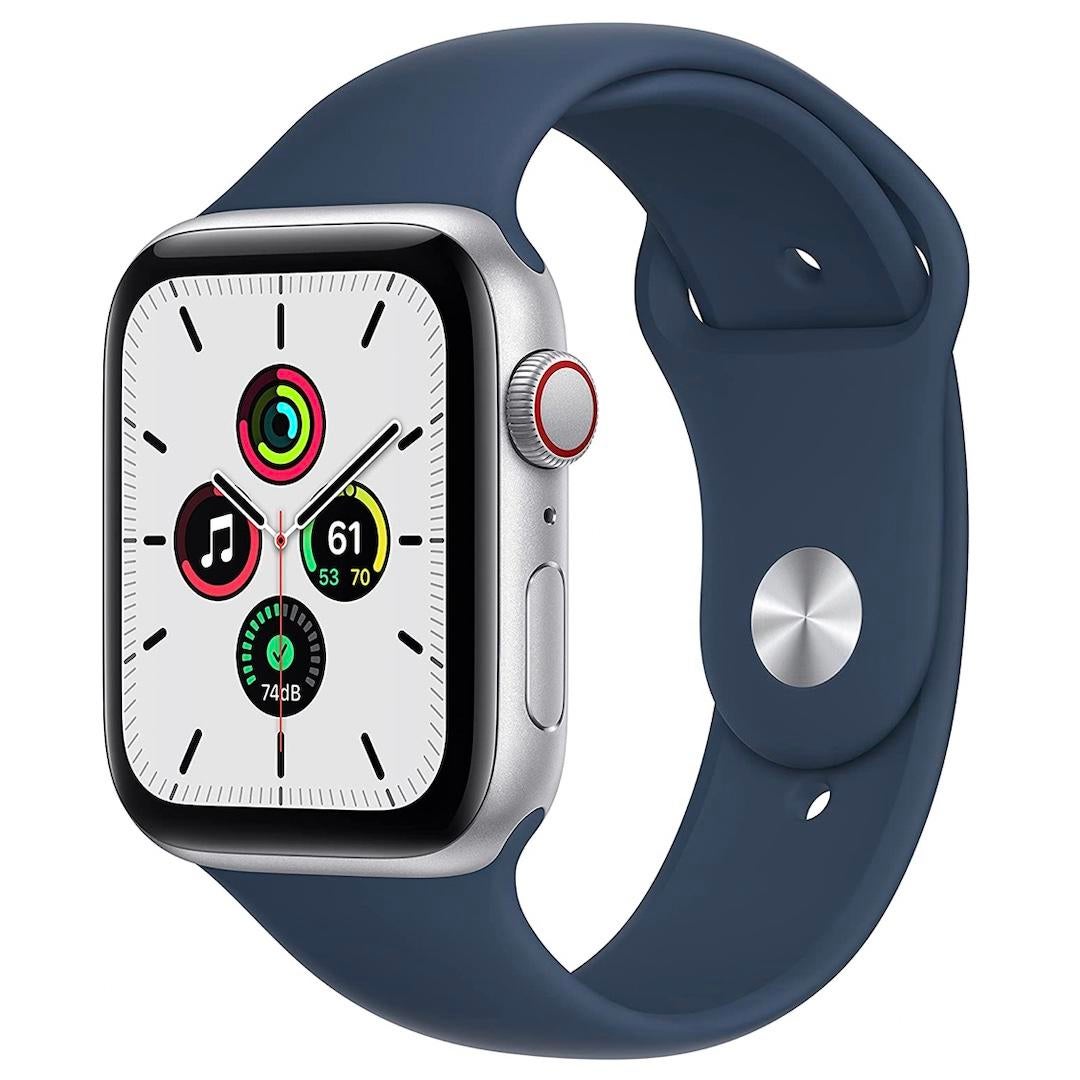
Apple Watch SE (1st generation): $199
Amazon
The Apple Watch SE, the most affordable model in the Apple Watch lineup, is even more affordable now with this deal at Walmart. The smartwatch offers a 40mm screen and boasts a wide range of health and fitness features. It can also be used to play music, check your tests and make calls when paired with your iPhone.
Apple Watch SE GPS (1st generation), $199 (reduced from $279)
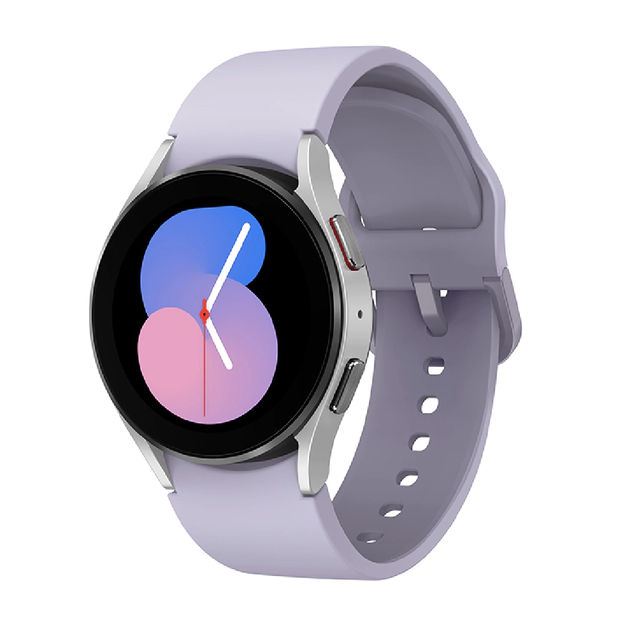
Samsung Galaxy Watch 5: $280 and up
Samsung
The Samsung Galaxy Watch 5 is an upgrade from the popular Samsung Galaxy Watch 4. It features 10W smart-charging capabilities, a notable upgrade from the slower 5W charging offered by the prior model. It also offers an advanced workout algorithm and sleep tracking technology.
The Galaxy Watch 5 features an advanced bioactive sensor that collects more accurate data. This data can be managed and tracked in the Samsung Health app.
This is the first time that Samsung is offering its sapphire glass on its non-premium smartwatch options. (Sapphire glass isn’t actually glass. It is a ceramic that mimics the transparency of glass and offers more durability.)
Like prior Galaxy Watch models, the Galaxy Watch 5 is available in 40mm and 44mm display sizes. It is also available in five colors.
Samsung Galaxy Watch 5, $280 and up
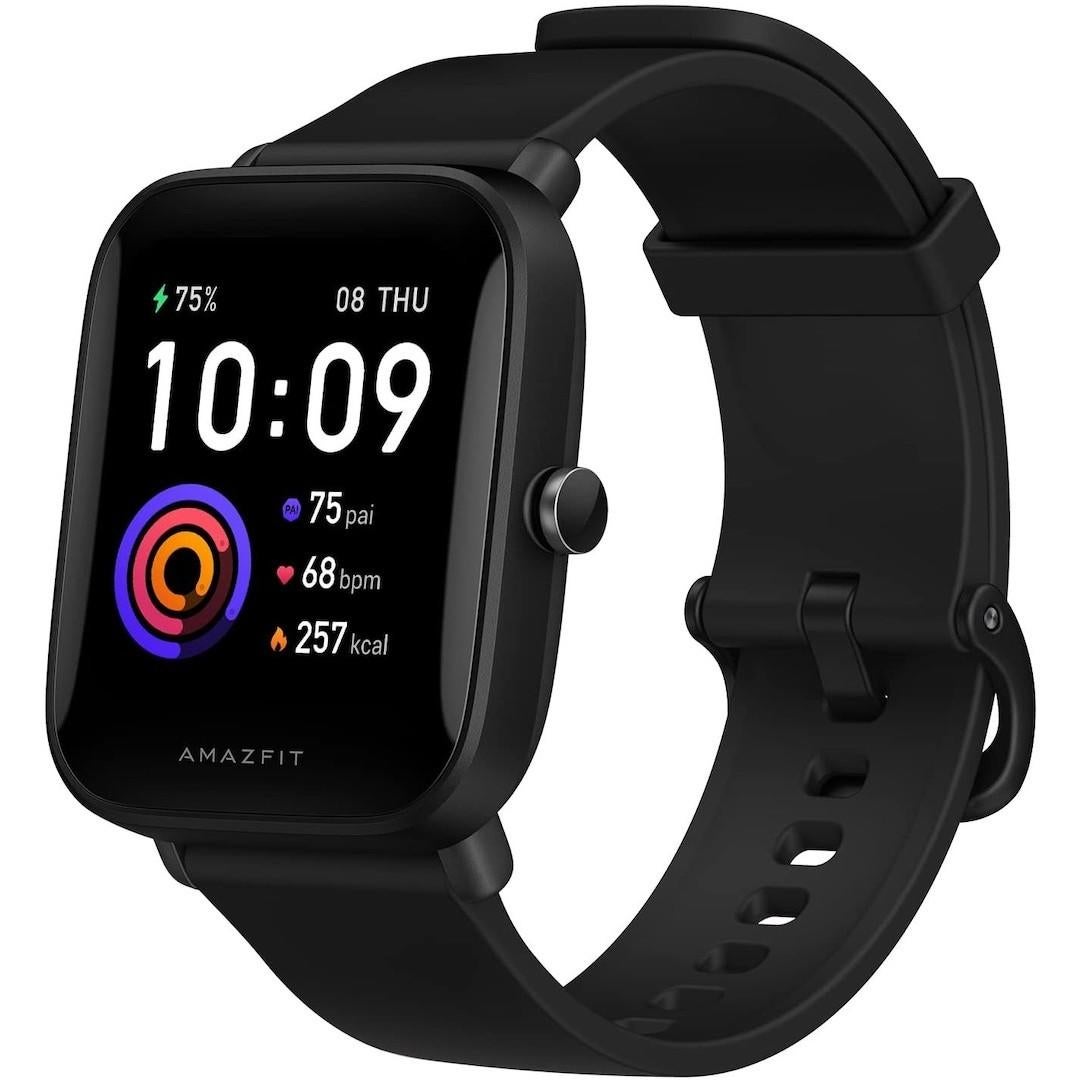
Amazfit Bip U: $45
Amazfit/Amazon
A water-resistant, budget-friendly alternative to the Apple Watch, and compatible with both Android and iOS, the Amazfit Bip U boasts a longer battery life—up to nine days per charge—and a variety of activity tracking options.
Measure heart rate, blood oxygen levels, breathing, sleep quality and even stress levels. Women can track periods and get reminders when it’s almost that time of the month.
Amazfit Bip U, $45 (reduced from $60)
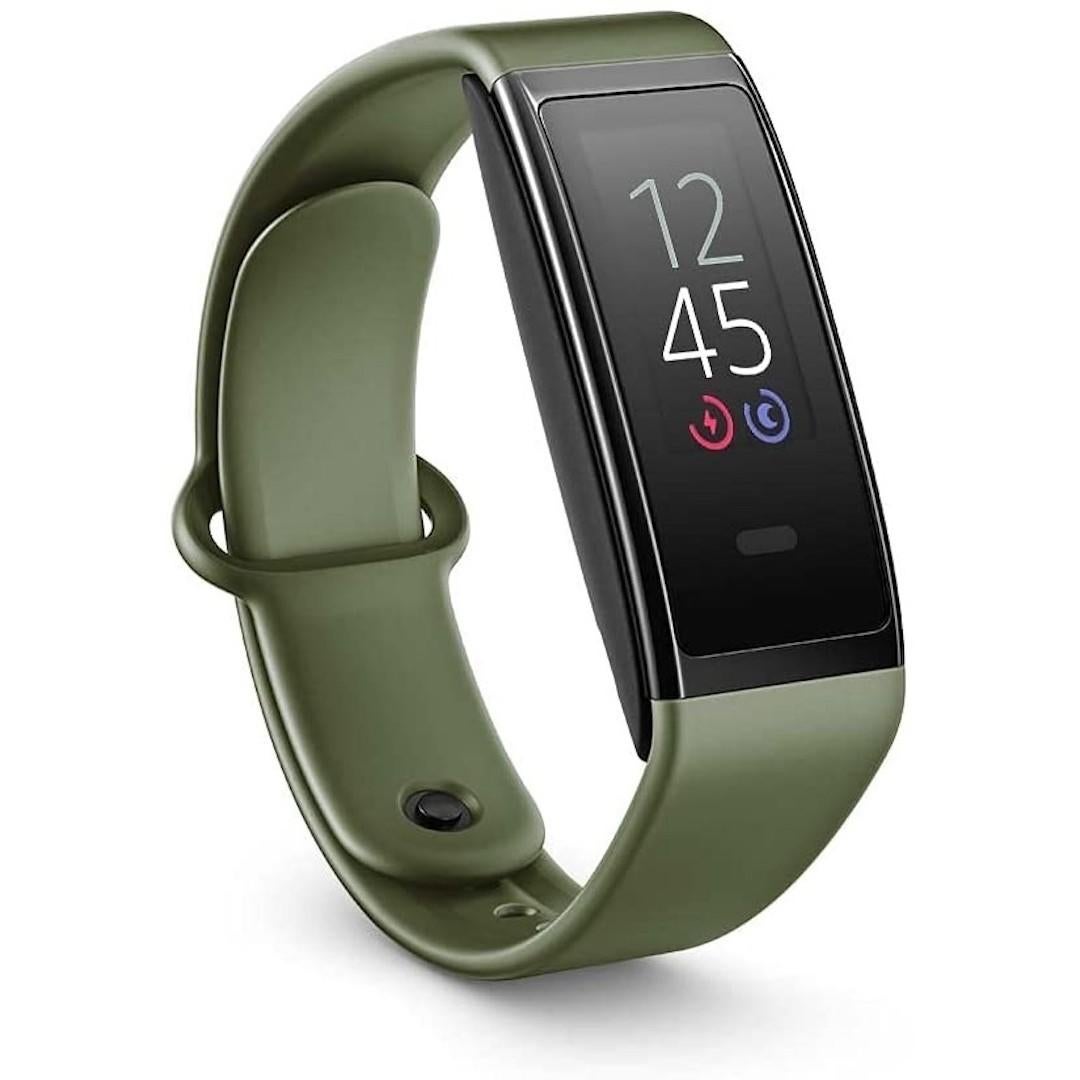
Amazon Halo View: $50
Amazon
Released in late 2021, the slender, Alexa-enabled Amazon Halo View measures heart rate, activity, sleep and even blood-oxygen levels. It also offers connectability to popular health apps, such as Headspace and Bettersleep, as well as connectivity to your phone. It also boasts a seven-day battery life.
Another added bonus? Each watch comes with a 12-month membership subscription with access to workout and programs. After the trial period, it auto-renews at $4 per month.
Amazon Halo View, $50 (reduced from $80)
Fitbit Charge 5: $130
Fitbit/Amazon
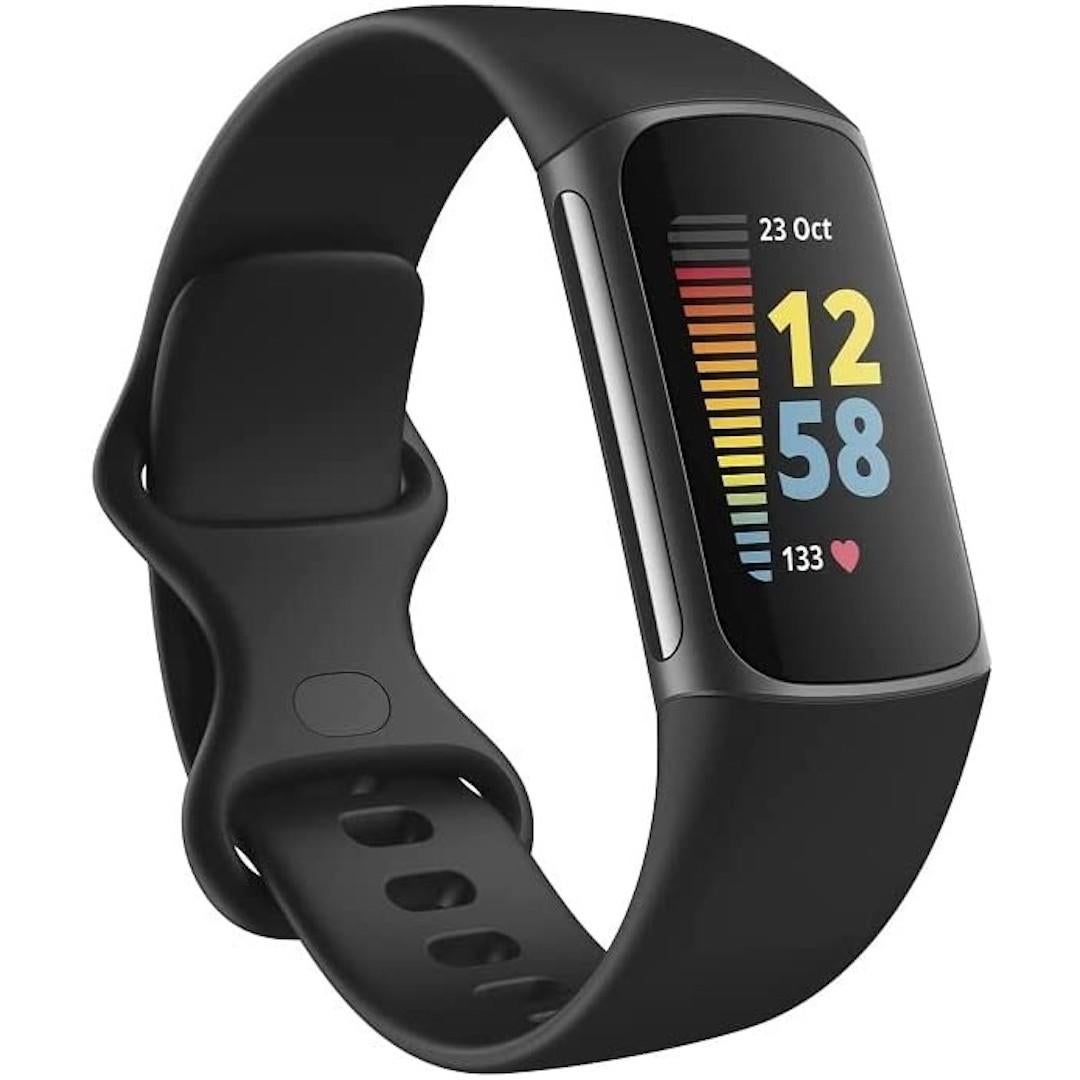
The latest incarnation of the popular Charge line from Fitbit, this well-equipped activity and health tracker packs advanced technology into a slender device and features a color touchscreen. The smartphone-enabled device helps you manage stress and stay on top of heart health and sleep.
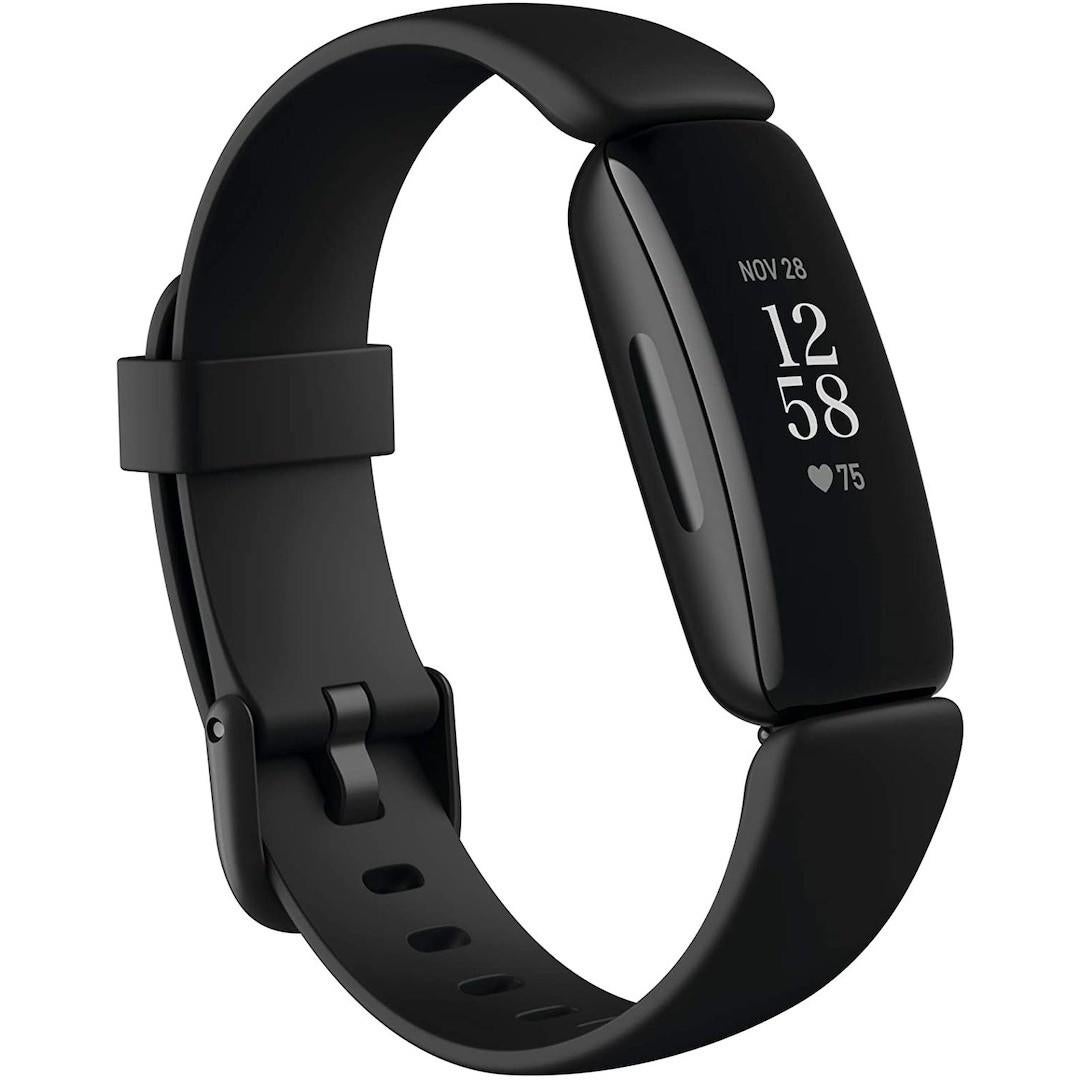
A budget-friendly, no-frills Fitbit that gets the job done, this easy-to-use, entry-level activity and sleep tracker offers a whopping 10-day battery life, various exercise modes, and 24/7 heart rate tracking. New subscribers receive a one-year, free trial of Fitbit Premium.
Available in three colors (black, lunar white and desert rose) and with multiple accessory options.
Fitbit Inspire 2, $56 (reduced from $100)
Garmin Instinct 2 Series: $398
Garmin via Amazon
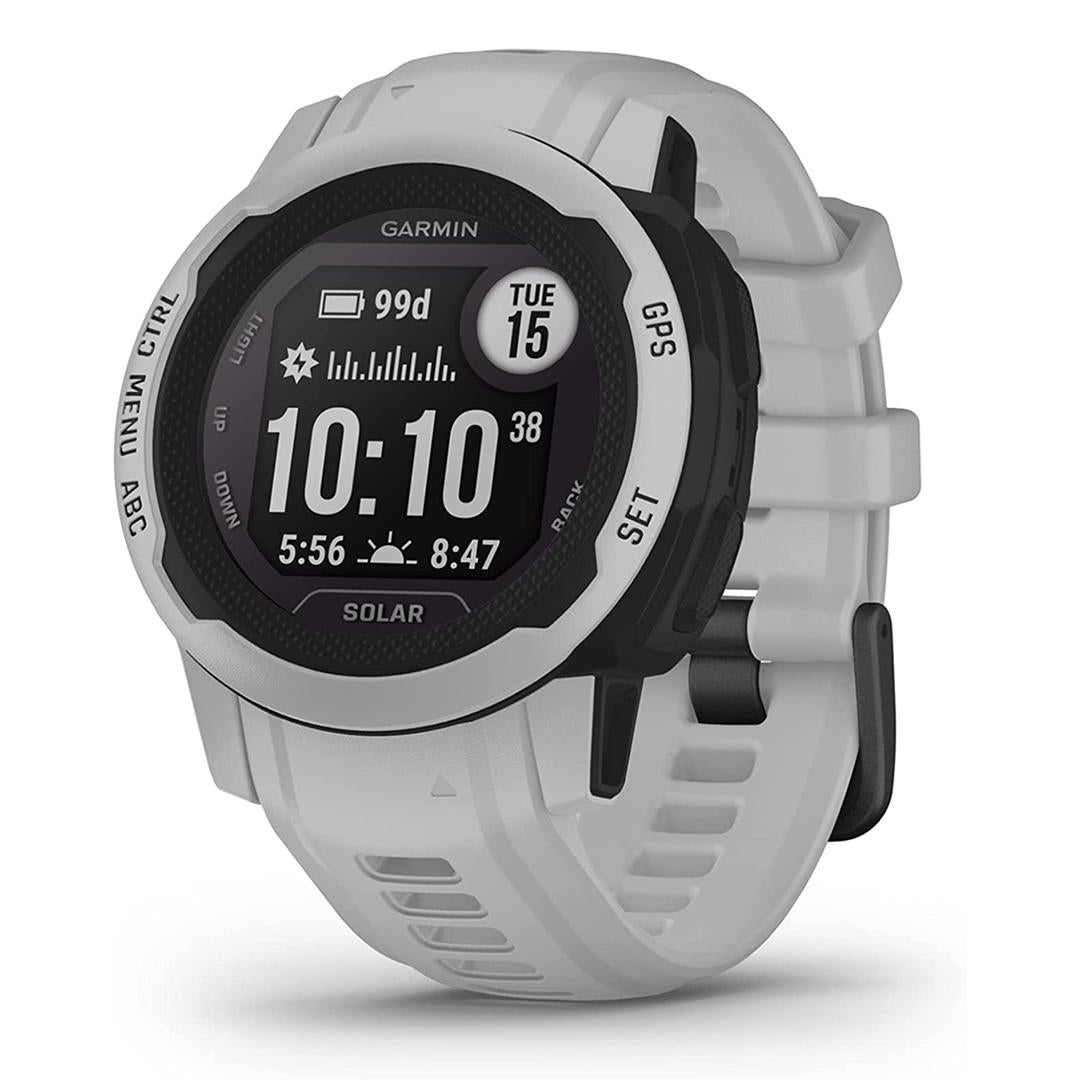
The Garmin Instinct 2 Series was introduced in February. It’s built not just to be worn, but to be actively worn. It’s an outdoorsy, thermal- and shock-resistant GPS smartwatch that boasts damage- and scratch-resistant glass. It measures your heart rate, stress level, sleep metrics, blood oxygen, your fitness age and more. It delivers daily workout prompts, comes with built-in workout and sport apps and even tracks your mountain-biking stats, if any. Download apps from Garmin’s Garmin Connect IQ store to up the watch’s game even more, and track everything from hydration to menstrual cycles. The battery will last up to 30 hours in GPS mode — and up to 28 days in smartwatch mode. Or get the solar version for what Garmin says will be unlimited battery life.
The Instinct 2 Series comes in two case sizes: 40mm and 45mm. It also comes in a range of editions, from standard to surf and more. Pictured above is the 40mm, solar, standard-edition Instinct 2 in mist gray. This version of the watch lists for $450.
Garmin Instinct 2 Series (40mm) standard edition, solar (mist gray), $398 (reduced from $450)
Garmin Vivoactive 4: $200
Garmin Store via Amazon
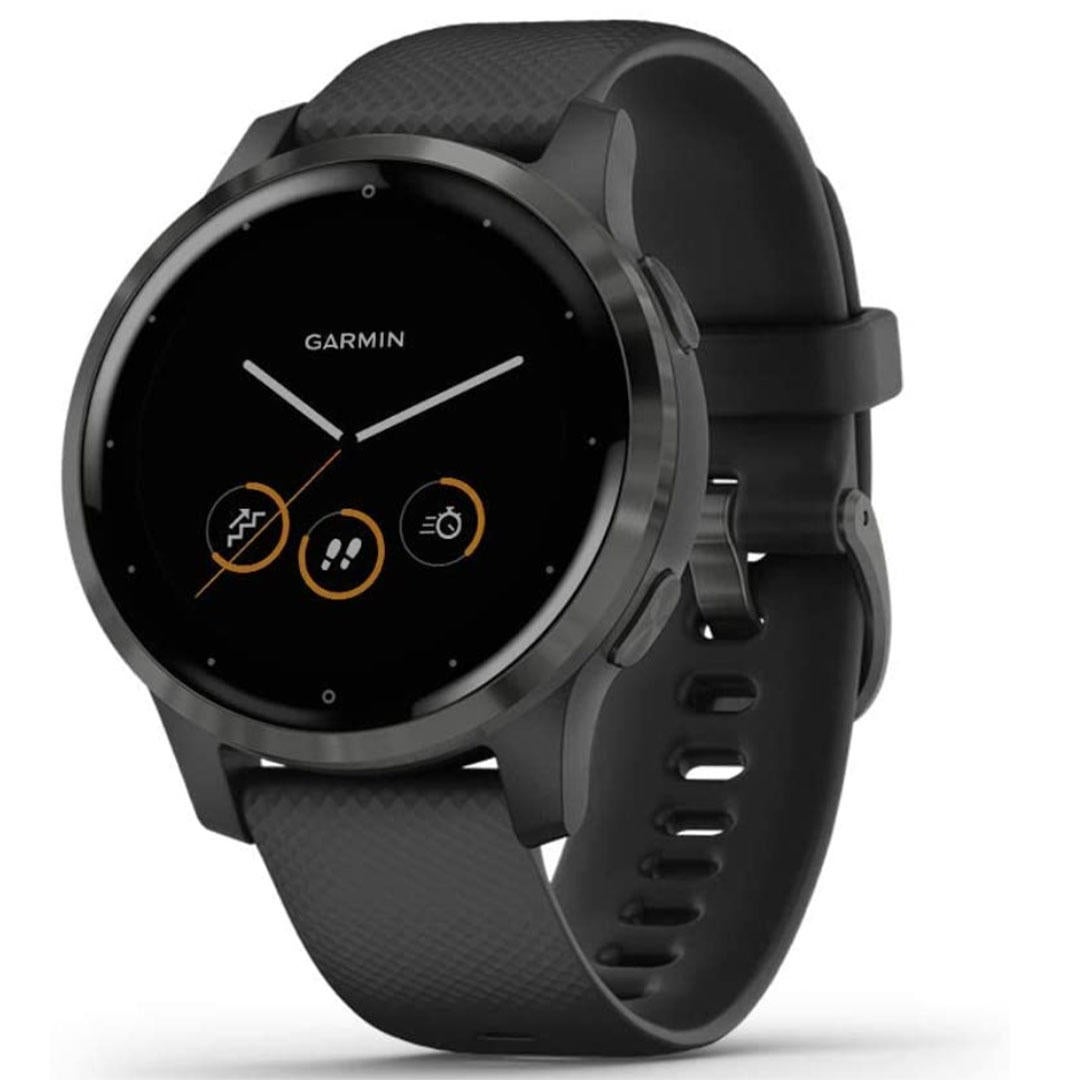
The Garmin Vivoactive 4 with a 45mm case is 45{35112b74ca1a6bc4decb6697edde3f9edcc1b44915f2ccb9995df8df6b4364bc} off right now at Amazon. This Garmin smartwatch uses Garmin’s Pulse Ox technology to track your energy levels, respiration, menstrual cycle, stress, sleep, heart rate, hydration levels and more. It can stream downloaded music from Spotify and Amazon Music. When paired with your smartphone, the watch can receive incoming notifications.
This Garmin smartwatch features more than 20 preloaded GPS and indoor-sports apps. Want a personal trainer on your wrist? This watch can show you animated workouts via your watch screen.
Available in a variety of colors. The price listed below is for the black watch.
Garmin Vivoactive 4 (black), $200 (reduced from $330)
The best workout shoes and activewear deals
Complement any fitness gift with some top-rated workout wear. Shop our top-rated sneaker and athleisure picks.
MAÄT leggings: $148
MAÄT
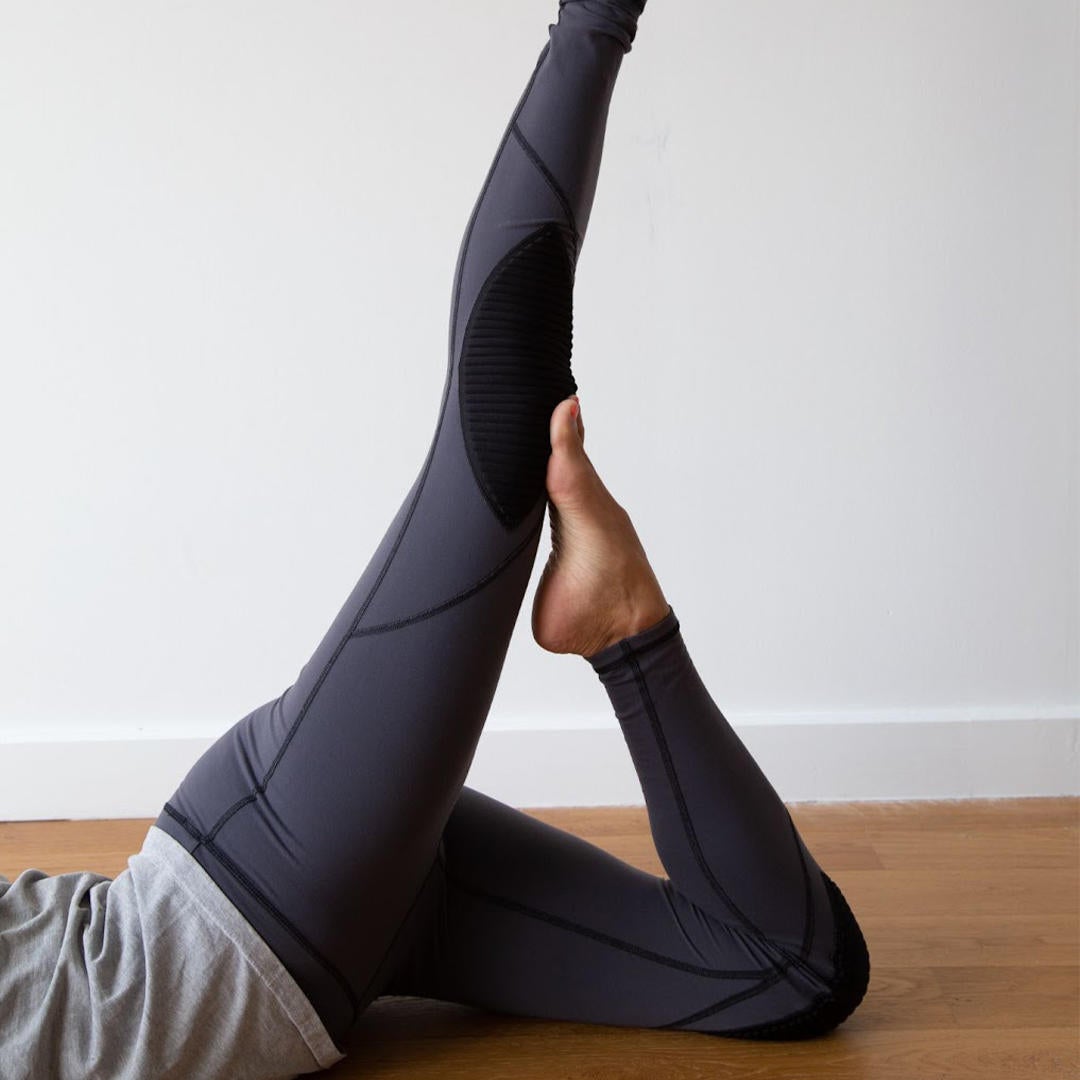
These futuristic-looking leggings provide protection and cushioning for your knees while you workout. MAÄT’s moisture-wicking, stretchy leggings are designed with ultra-flexible ribbed knee pads that pad the area without being bulky, and are tapered to put wider coverage where it’s needed.
“I wore these leggings to a pilates class,” said CBS Essentials senior writer Lily Rose. “I normally get knee pain when I use the reformer, but these leggings really cushioned the area and helped me hold my poses. Plus, the material is really soft, stretchy and the leggings are flattering.”
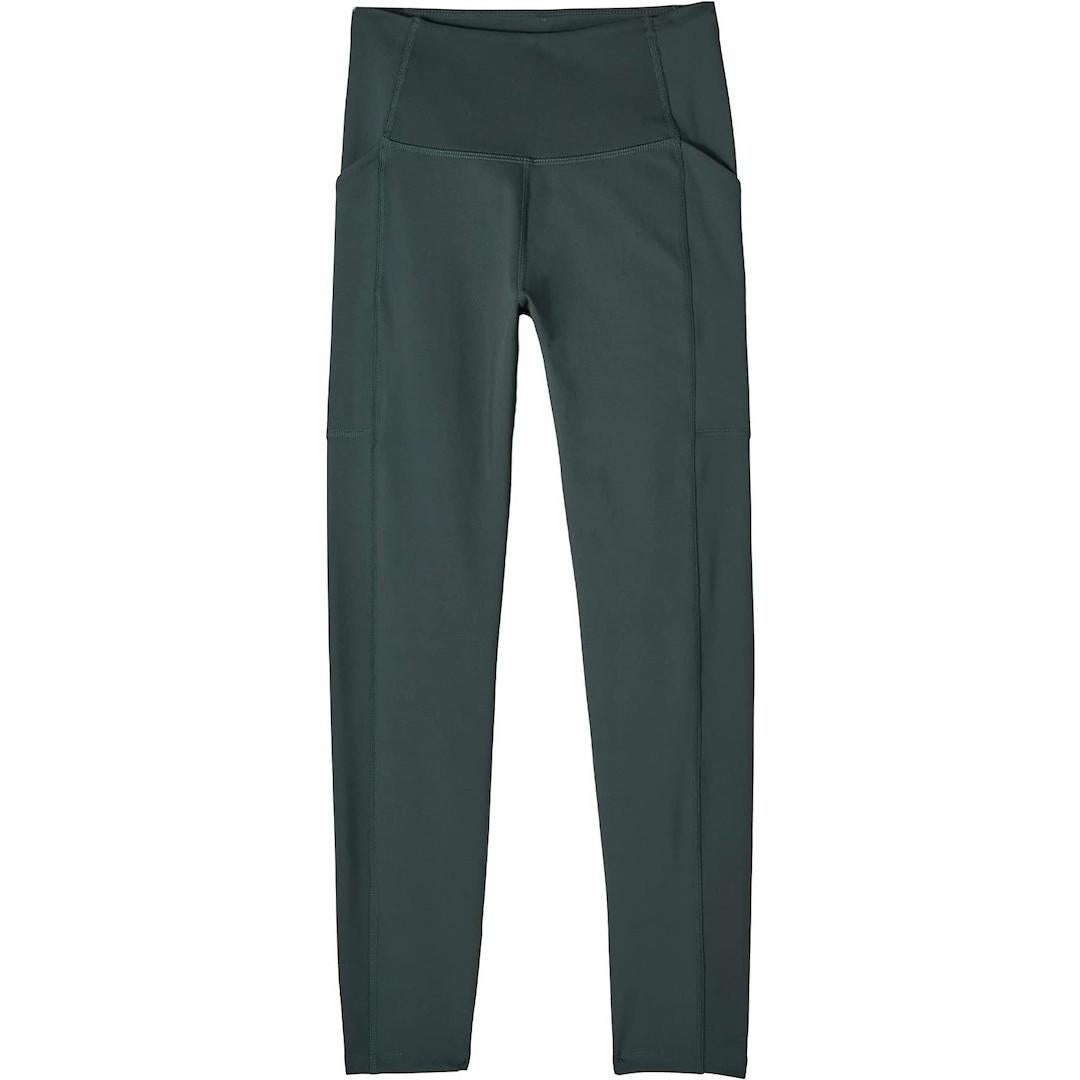
These Girlfriend Collective leggings are one of Oprah’s Favorite Things 2022. The TV icon loves these “sweat-wicking, high-compression and high-waisted,” leggings from size-inclusive brand Girlfriend Collective, made out of recycled plastic bottles.
Available in sizes XS to 6XL.
Girlfriend Collective compression pocket leggings, $70 (reduced from $88)
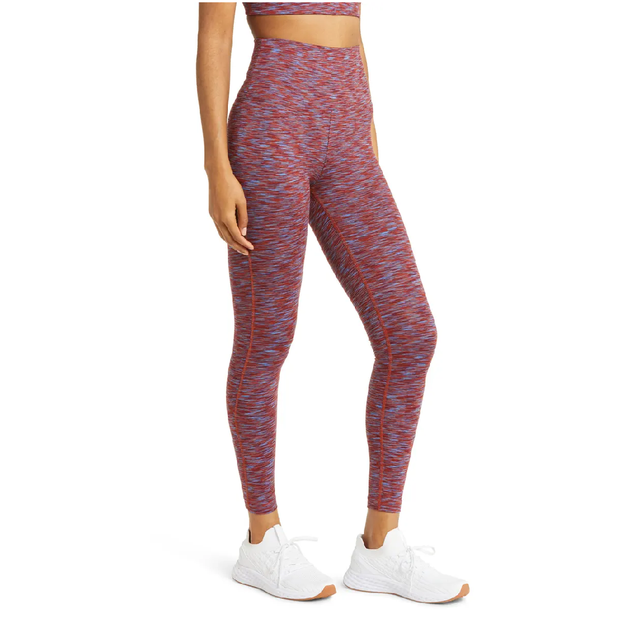
Colorfulkoala high-waisted tie-dye leggings: $30
Amazon
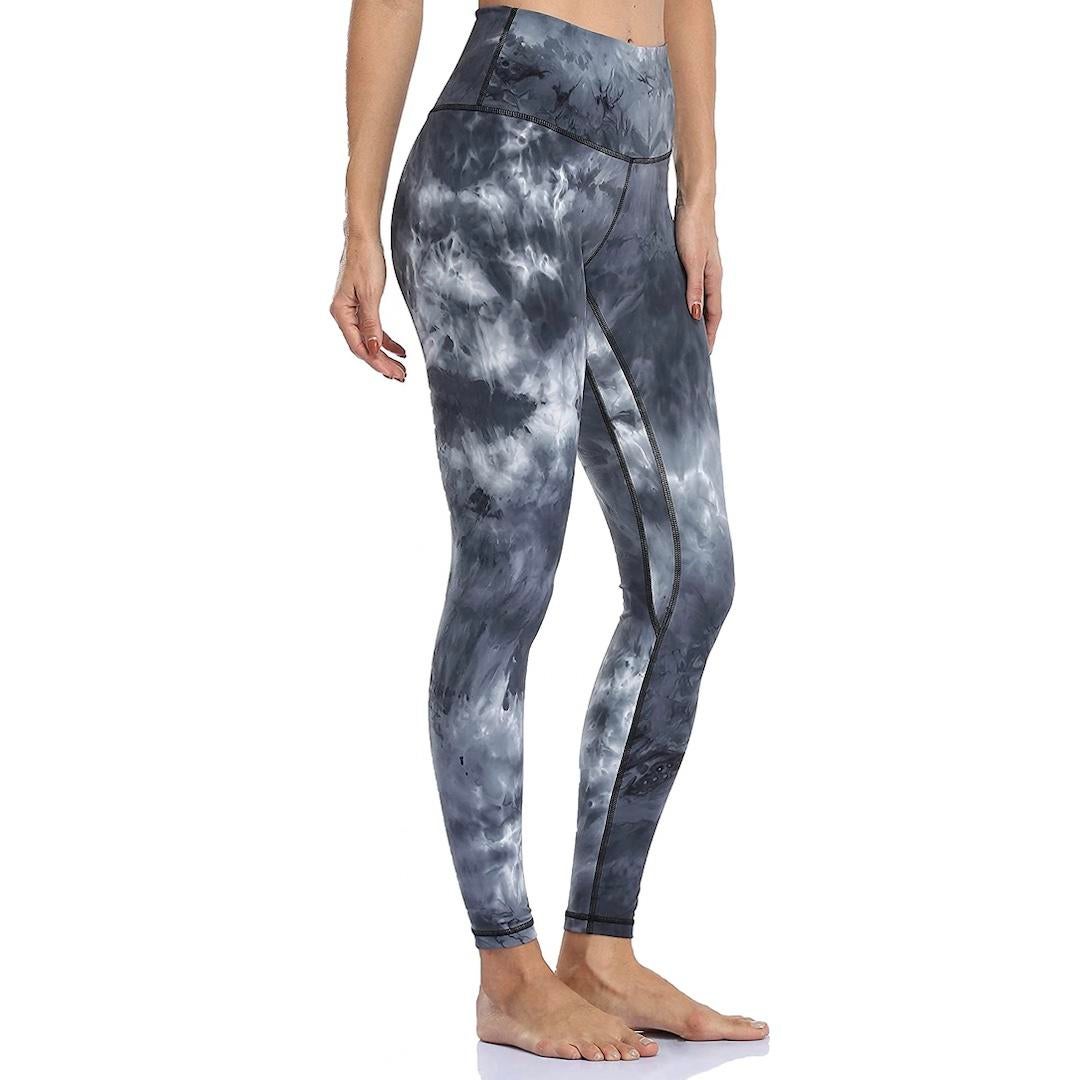
Reviewers rave about Colorfulkoala’s Lululemon Align-lookalike leggings (and they’re Essentials bestsellers). The tie-dye option, which comes in six colorways, is currently on sale. These leggings have a seamless waistband with a hidden pocket.
“I cannot get enough of Colorfulkoala,” an Amazon reviewer says. “I can’t stop buying them! They are so comfy, fit so great and are cheap! They’re squatproof and cute to wear out. I almost don’t want to share how good these are because I hate when they sell out!”
Colorfulkoala high-waisted tie-dye leggings, $30 (reduced from $35)
Stay warm during outdoor runs in this Lululemon jacket. This oversized half-zip is made with breathable cotton-blend fleece fabric. It features a kangaroo pocket with hidden phone sleeve and the elastic zipper pull doubles as an emergency hair tie.
Select from eight colors. Sizes run from XS to XXL.
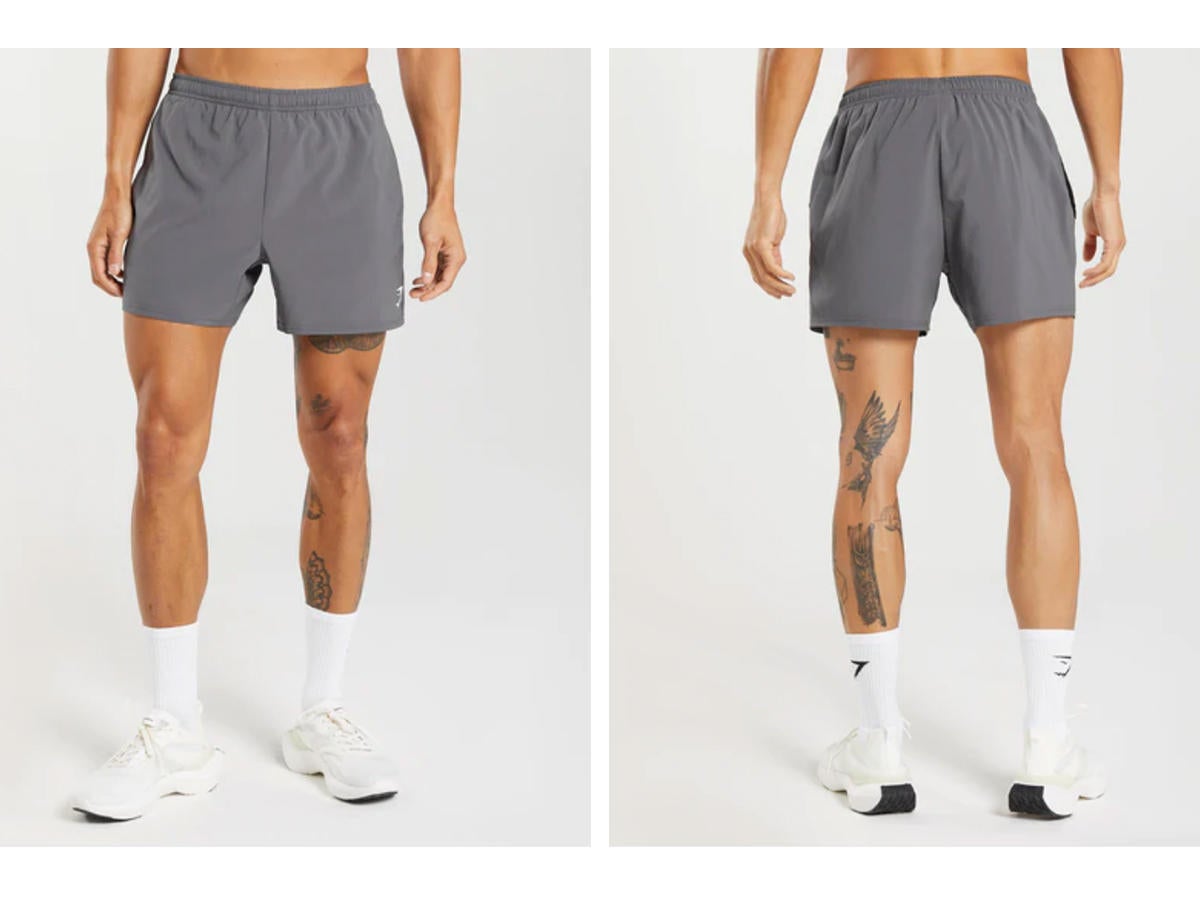
These slim-fit shorts are made with a lightweight material that features sweat-wicking tech.
Choose from 15 colors. Shorts run from XS to 3X.
Gymshark Arrival 5″ shorts, $26
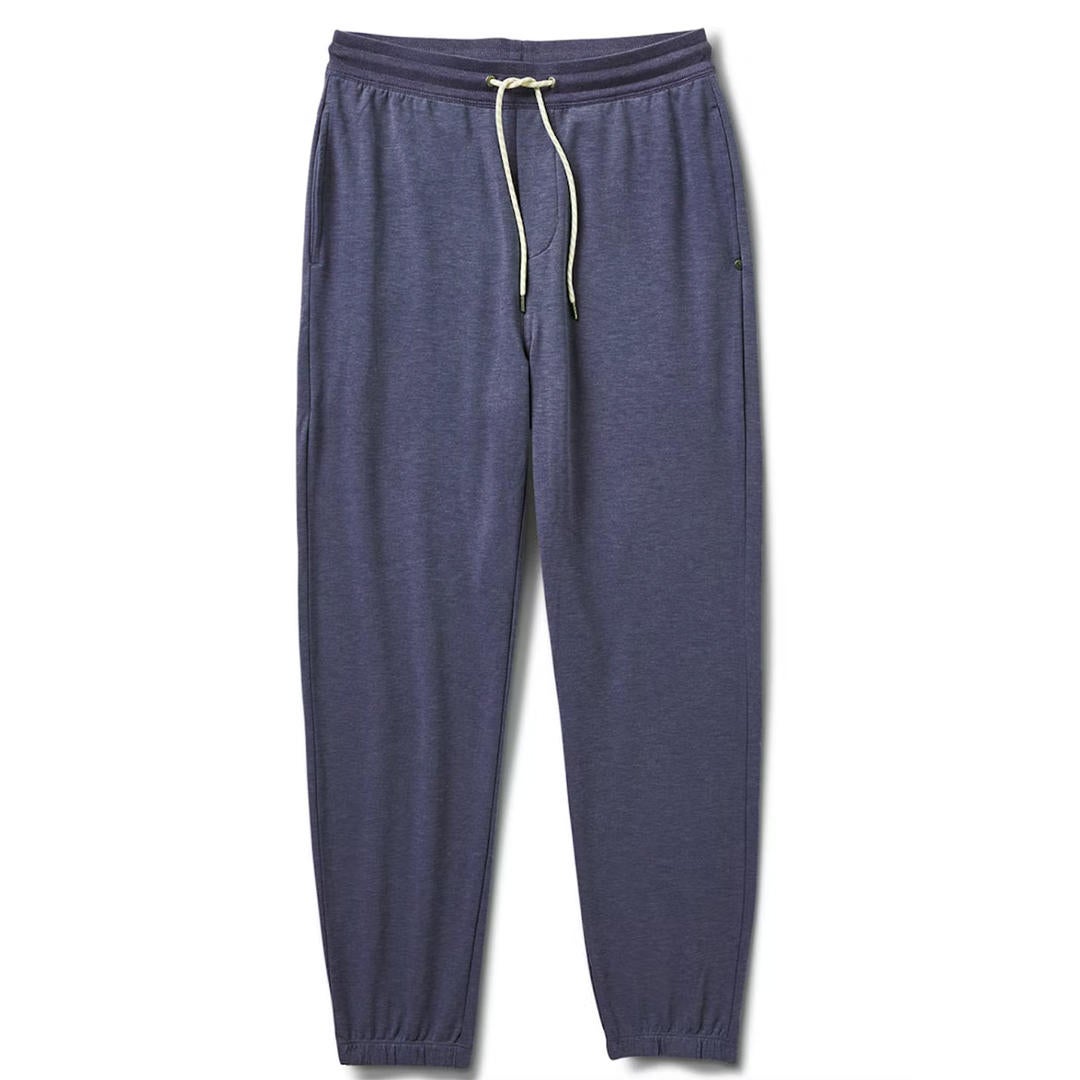
Vuori Austin sweatpant: $110
Vuori
Vuori makes some of the softest athleisure on the market. These sweatpants feature a straight leg and relaxed fit. The gym essential is made with stretch terry fabric and features a soft, brushed interior.
Choose from three colors. Sizes run from XS to XXL.
Vuori Austin sweatpant, $110
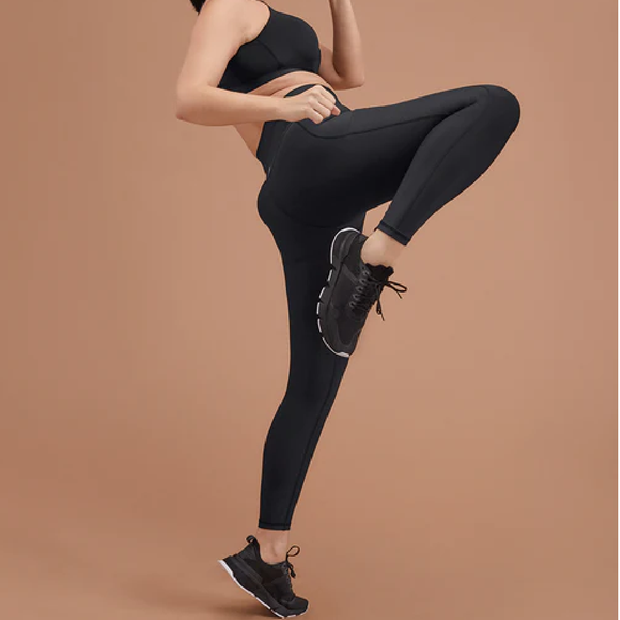
ThirdLove Kinectic performance pocket leggings
Thirdlove
These ThirdLove Kinectic performance pocket leggings are great for running, HIIT classes, cardio boxing and other cardio activities.Made with dry-feel performance fabric and a lightly compressive fit, these leggings provide the perfect balance between performance and comfort.
They feature drop-in leg pocket, which I love because it’s big enough for my phone and feels very secure, unlike some other pocket leggings I’ve tried. I also like that it’s a sweat-wicking performance fabric that still feels comfy enough to lounge around in.
These leggings are super stretchy and soft. They feature a moisture-wicking fabric that moves sweat to the fabric’s outer surface to leave you comfortable and dry throughout your workout.
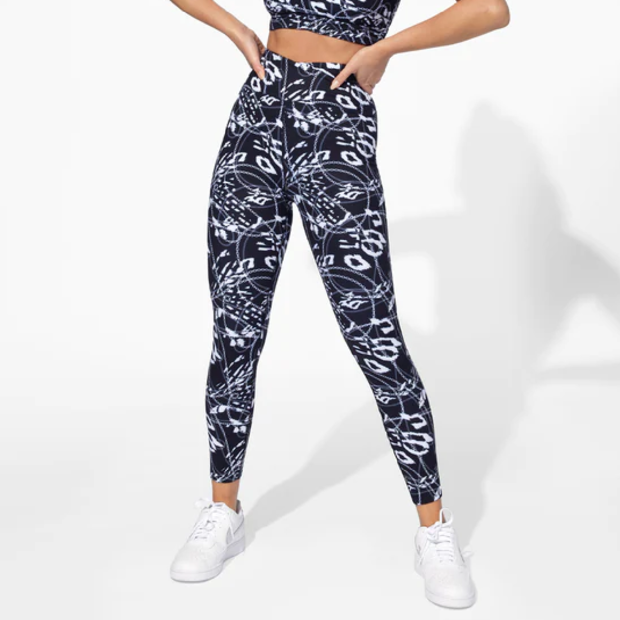
EleVen by Venus Williams 90s girl leggings, $108
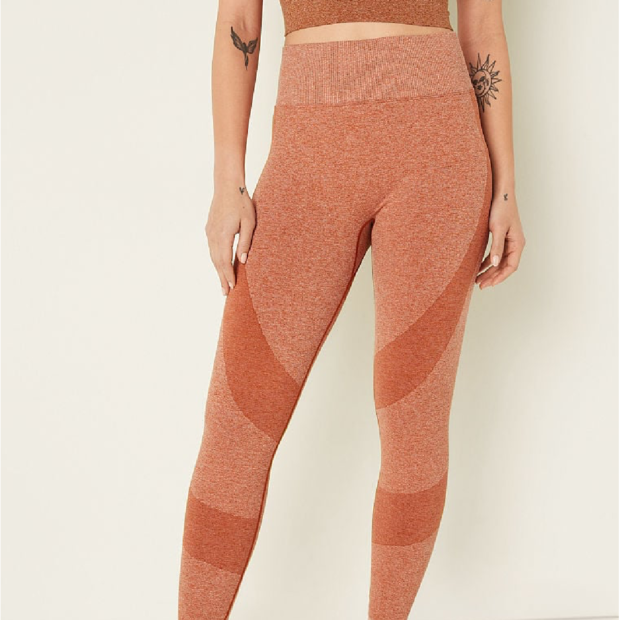
Victoria’s Secret Pink seamless high waist leggings
Victoria’s Secret
Victoria’s secret is often overlooked for its activewear, but I’ve owned several great workout leggings from the brand. These are my current favorites.
These leggings are made with a breathable, sweat-wicking material to keep you cool and dry while you break a sweat at your favorite workout class or go for a job. They’re super comfortable and flattering. They come in eight colors.
These popular leggings are made with a supersoft knit fabric and feature a high-rise fold over waistband for unrestricted comfort during yoga. They are designed for low to medium-sweat workouts like yoga and pilates.
Outdoor Voices Freeform 7/8 high waist leggings, $88
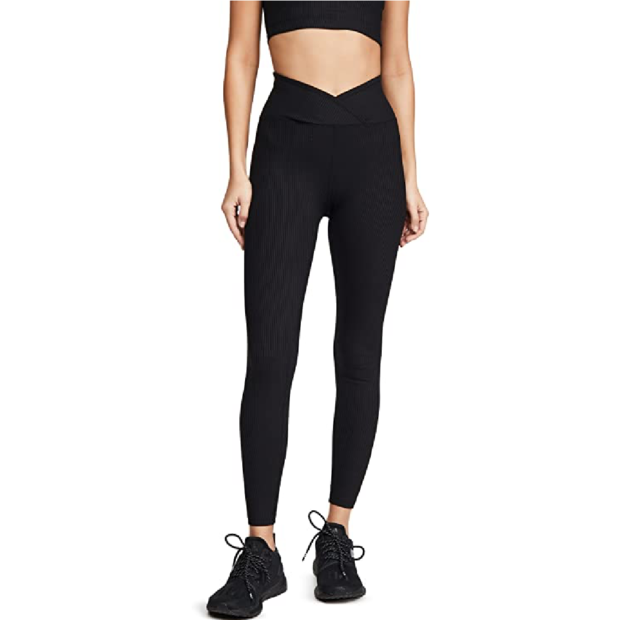
Year of Ours Veronica ribbed leggings
Amazon
The Veronica ribbed leggings from Year of Ours feature a lightweight, ribbed activewear jersey material and a stylish cross-over waistband. The fabric is moisture-wicking for maximum dryness and provides just the right amount of stretch.
Year of Ours Veronica ribbed leggings, $49 and up
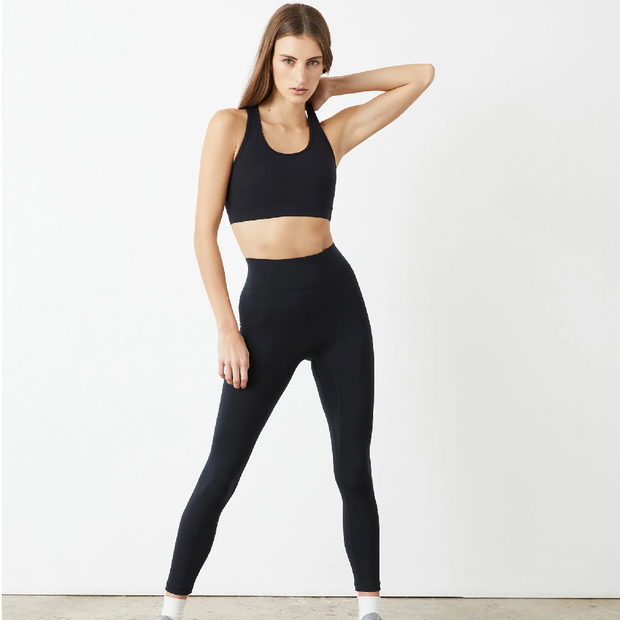
Bandier All Access Center Stage high-waisted leggings
Bandier
These Bandier workout leggings are made with silky-smooth compression fabric and feature a double layer elastic waistband to keep your leggings in place while you’re moving around.
“These high-waisted Center Stage leggings are perfect for both working out and lounging around.” wrote one verified buyer. “They hold up for long runs, yoga, hit training, etc. They also shape your legs nicely.”
These leggings come in two fabric options; All Motion and sport rib. All Motion is a high-compression, quick-drying fabric. Sport rib is a ribbed stretchy quick-drying fabric. You can also choose from capri, mid-rise, high waist and high waist with a pocket.
Bandier All Access Center Stage high-waisted leggings, $98 and up
You can also complete the look with a matching bra.
Bandier Front Row sports bra, $80
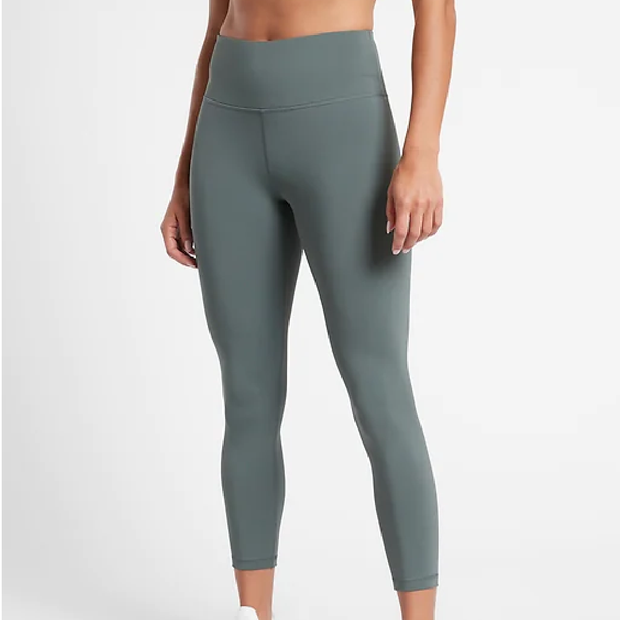
Athleta Elation Train 7/8 workout tight
Athleta
These Athleta leggings are designed for medium-to-high-impact workouts at the gym or outdoors. They’re made of recycled SuperSonic fabric with supportive compression. They also feature back drop-in pockets to hold your phone or essentials at the gym.
Athleta Elation Train 7/8 workout tight, $60 and up
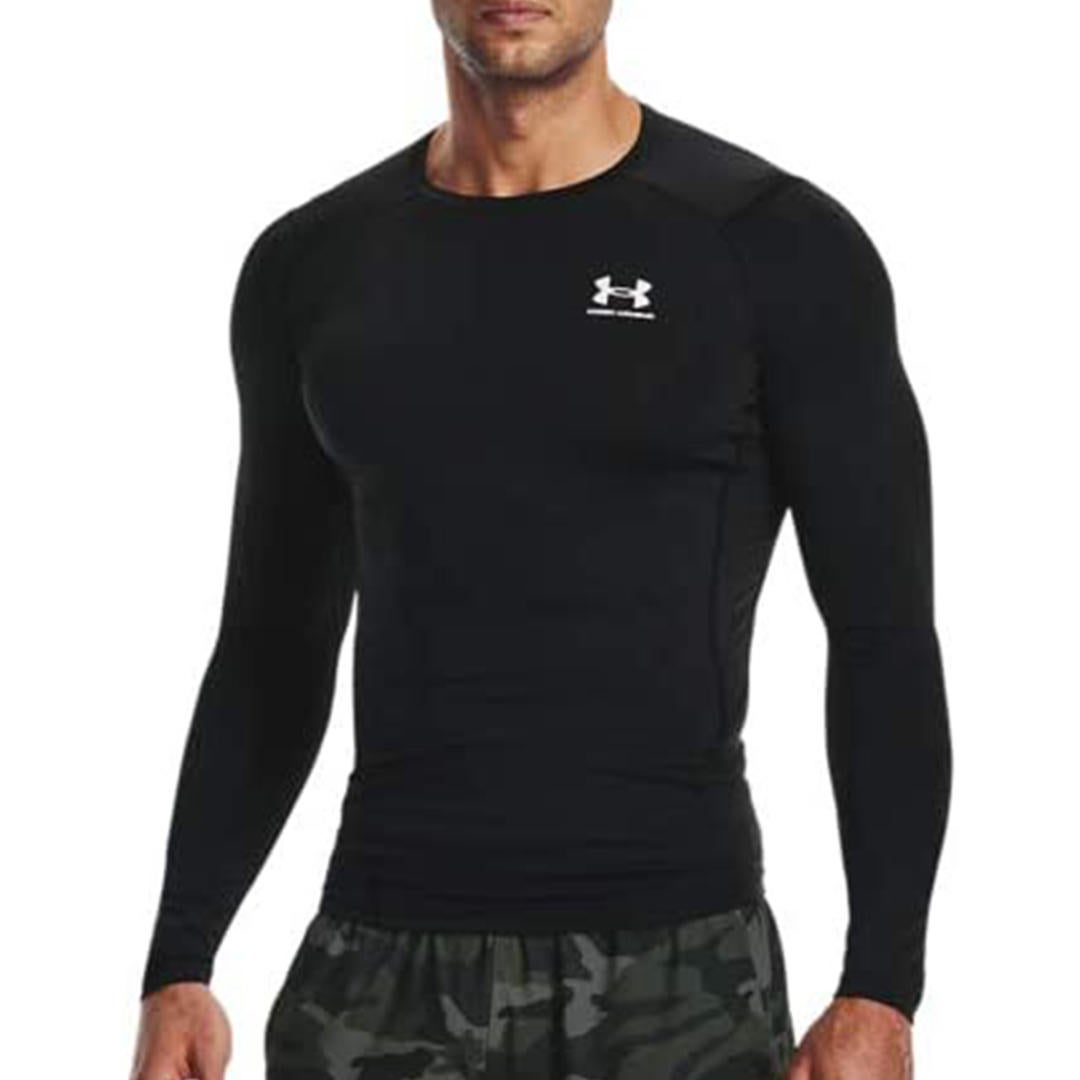
Under Armour men’s HeatGear compression long-sleeve T-shirt: $22
Under Armour via Amazon
This long-sleeve is made with Under Armour’s super-light HeatGear fabric which delivers superior coverage (keeps you warm) without weighing you down.
Choose from 22 colors. Sizes run from XS to 4X in select colors.
Under Armour men’s HeatGear compression long-sleeve T-shirt, $22 (regularly $35)
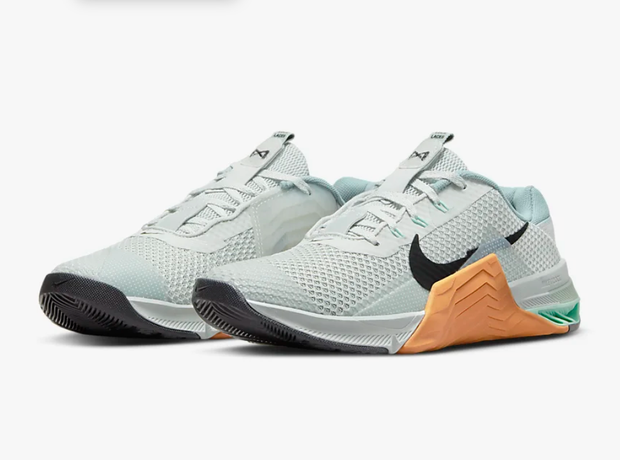
Nike Metcon 7: $130
Nike
With an impressive 4.5-star rating, Nike’s Metcon 7 sneakers are a favorite in the workout world. They’re great shoes for weight lifting, with wide, flat heels and an inner plate that helps with weight distribution. The cushioned midsoles offer plenty of support for cardio, while rubber treads provide a secure grip on the training floor. These shoes even have a tab that locks down your laces to keep you from tripping mid-workout.
“By far the best Metcons I have bought from Nike,” a reviewer wrote. “I am able to run an easy mile with these shoes and squat and deadlift without having to switch shoes.”
Nike Metcon 7 sneakers are available in both men’s and women’s sizes.
Nike Metcon 7, $130
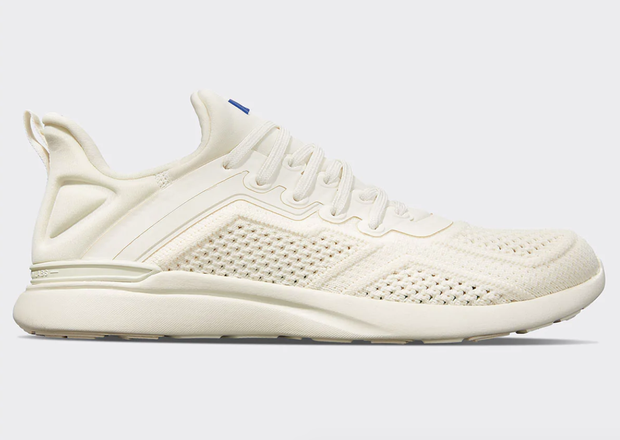
Athletic Propulsion Labs TechLoom Tracer: $250
Athletic Propulsion Labs
At $250, APL’s Tracer is the priciest option on this list. But with more than 100 five-star reviews, it’s definitely an investment worth considering. Designed to handle every level of intensity in the gym, the Tracer is crafted with highly breathable fabric and has a non-stretch forefoot to keep your feet centered for extra stability in the shoe. The midsole has medium cushioning for a balance between support and a low profile.
“This is my second pair of Techloom, great all around training shoes,” a reviewer wrote. “They’re lightweight but strong, love ’em!”
All of APL’s shoes are unisex. If your size in men’s is sold out, you can select a women’s size and adjust the fit by a size and half, and vice versa. For example, a size 7 in men’s is a size 8.5 in women’s.
Athletic Propulsion Labs TechLoom Tracer, $250
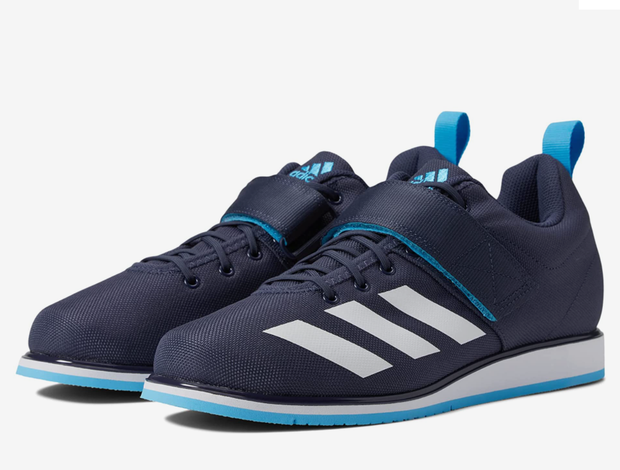
Adidas Powerlift 4: $100
Zappos
The Powerlift 4 shoes from Adidas are designed specifically for weightlifting, with a high-density, die-cut midsole and an intentionally snug fit for maximum stability. The non-slip outsole and adjustable hook-and-loop strap will help you feel more secure while you lift.
“Brilliant fit, true to size,” raved a reviewer. “The benefit of these shoes is you’re able keep balance super well on squat and they force you to push with your heel resulting in much better form and less risk of injury.”
Men’s Adidas Powerlift 4, $100
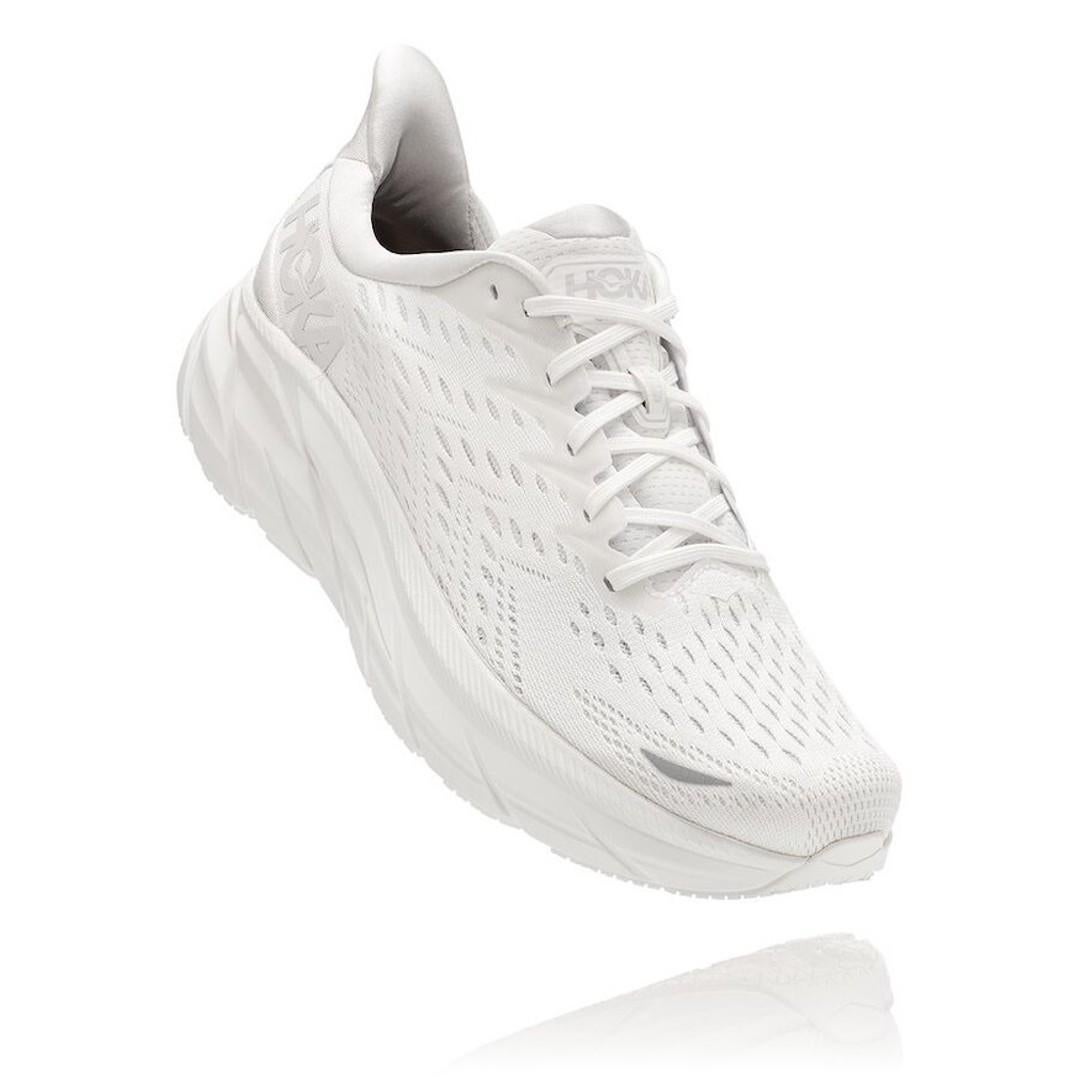
Hoka Clifton 8: $140
Hoka
Hoka’s Clifton 8 running shoes boast a streamlined silhouette, breathable mesh upper and foam midsole for extra cushioning while pounding the pavement. With a 4.5-star rating (out of more than 1,000 reviews) on the Hoka site, it’s no wonder the Clifton 8 is one of the brand’s bestselling shoes. Available in both men’s and women’s sizes.
“This is my second pair of Hokas and I really like them. They are comfortable and provide a lot of cushion. I am in the medical field and always on my feet. These provide great cushioning and I feel great at the end of the day,” a reviewer wrote. “I have another pair that I use for exercise and they are perfect for long walks or runs.”
Women’s Hoka Clifton 8, $140
Men’s Hoka Clifton 8, $140
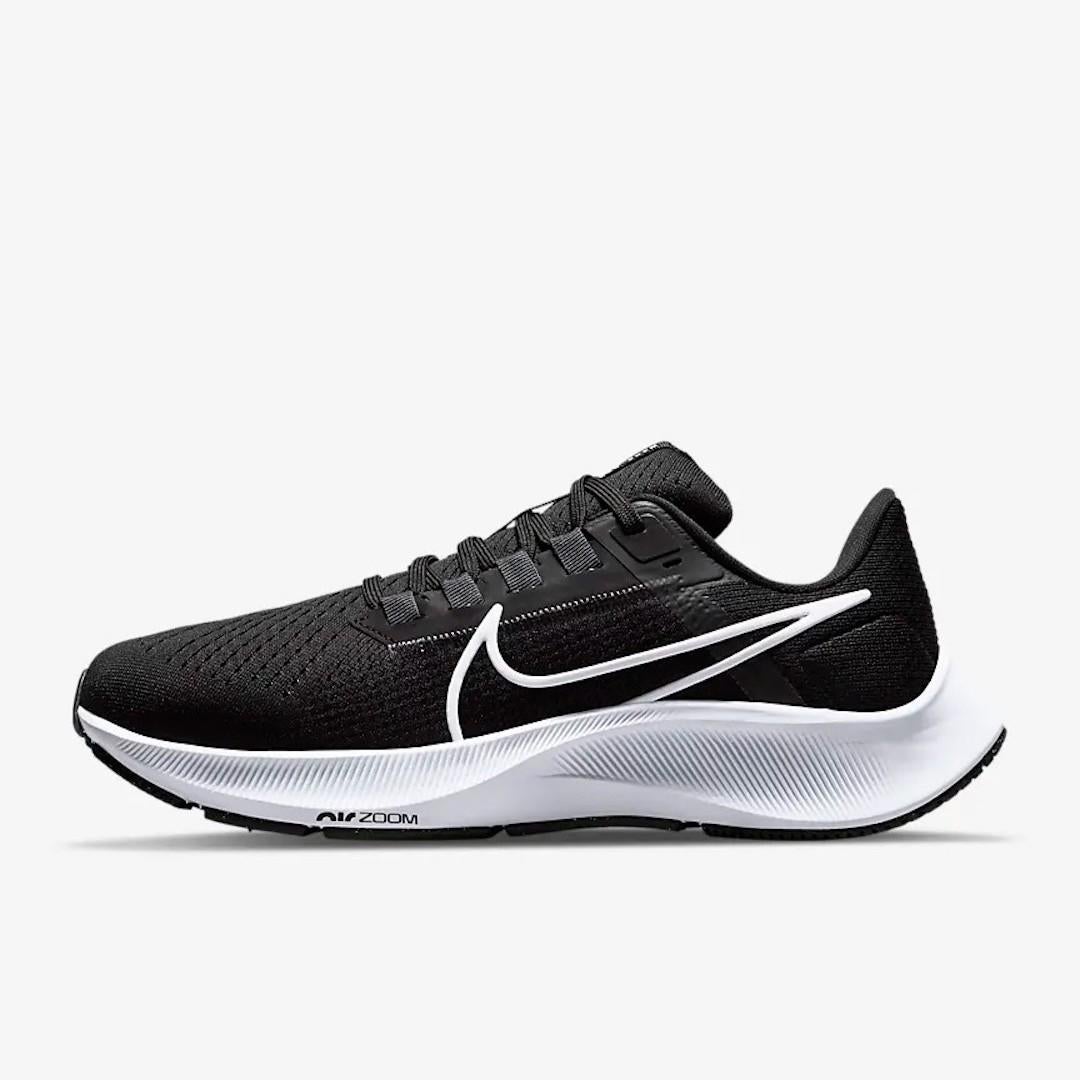
Nike Air Zoom Pegasus 38: $73
Nike
Nike’s popular Pegasus shoes first came out in 1983. They continue to be one of the brand’s top selling shoes. Described as a “workhorse with wings,” Nike’s latest design iteration of the Pegasus shoe offers cushioned support, durability and breathability.
“Originally bought this shoe for training/running and [it] has been an incredibly comfortable and durable light shoe,” a reviewer raved. “One of the only shoes that has been reliable for me.”
Whether you’re aiming for long distance on the trail or sprinting on the track, the Air Zoom Pegasus is a reliable running shoe — and it’s currently on sale. Available in men’s and women’s sizes.
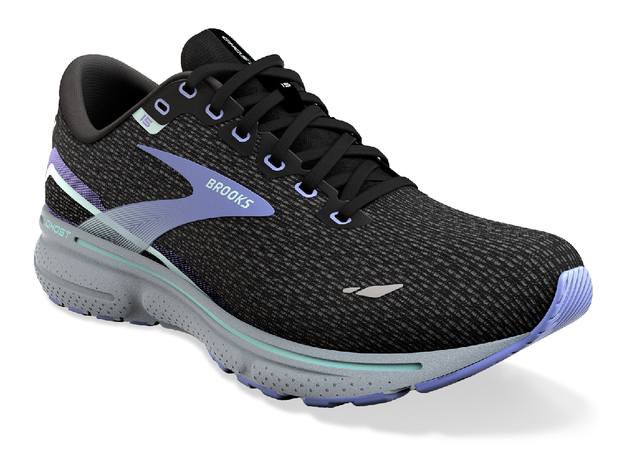
Avid runners love the Ghost, one of the most popular sneaker styles from Brooks. The latest version, the Ghost 15, offers ample cushioning for a soft, smooth ride from start to finish and features an updated midsole that reacts to your unique stride and provides smooth transitions.
They are available on Amazon with Amazon Prime’s Try Before You Buy feature, so you can try these shoes out for 7 days for free before buying them to make sure that they are the right fit for you.
Women’s Brooks Ghost 15, $140
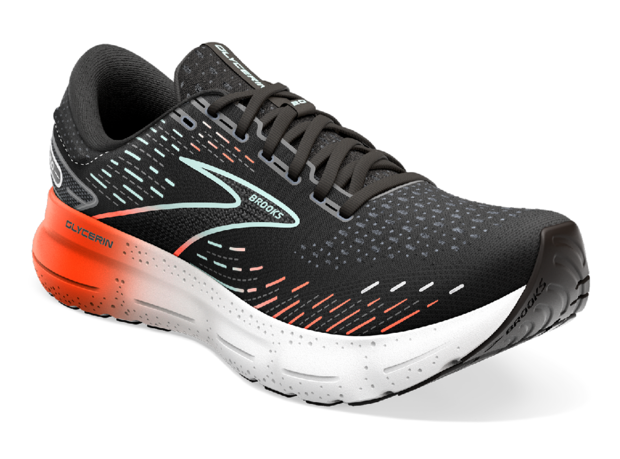
Brooks Glycerin 20
Brooks Running
The Glycerin 20 feature Brooks’ super soft nitrogen-infused DNA LOFT v3 cushioning for maximum comfort while running. They feature a breathable mesh upper and a redesigned outsole for a smooth ride when running.
This is one of Brooks Running’s most popular styles due to its comfort and durability.
Select colors and sizes are on sale now at Amazon. Pricing varies.
Brooks Glycerin 20, $134 and up (reduced from $160)
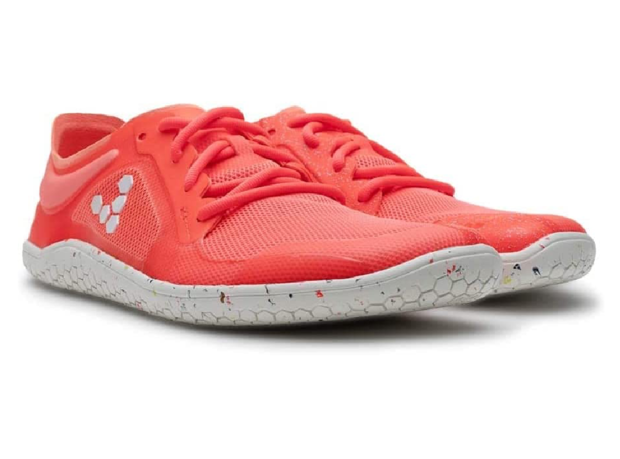
Vivobarefoot Primus Lite III
Amazon
The Vivobarefoot Primus Lite III running shoes are meant to allow your feet to move in the most natural way possible while running. They simulate the barefoot running experience while still providing grip and protection for your feet.
“I have noticed significant differences in my posture and mobility since wearing these shoes.” wrote one Amazon reviewer “They are also so light and comfortable to wear all day long.”
Vivobarefoot Primus Lite III, $141 and up
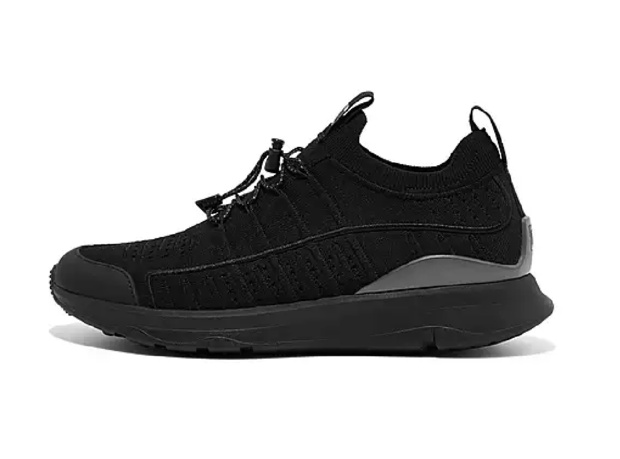
FitFlop Vitamin FF
FitFlop
The FitFlop Vitamin FF shoes features a Neodynamic midsole with high-rebound and impact-reducing cushioning. In addition, the sport sneaker include a springy central carbon plate, that propels you forward and smoothes out movements while running. These are great for casual runners that want a shoe that they can run in, walk in, or wear to the store.
FitFlop Vitamin FF, $150
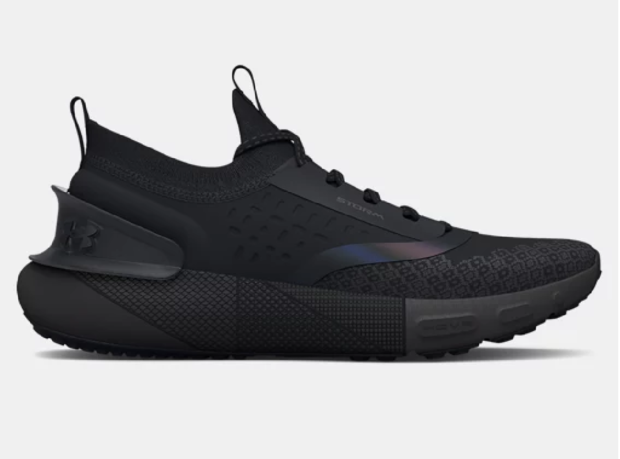
Under Armour Hovr Phantom 3 Storm
Under Armour
These Under Armour running shoes feature a water-repelling material that is great for running in the winter with rain or wet terrain. The Hovr Phantom Storm 3s feature ultra-comfortable plush cushioning and an external heel counter for added stability. The responsive UA Hovr cushioning reduces impact and helps propel you forward.
Under Armour Hovr Phantom 3 Storm, $160
The best fitness subscription deals
Give the gift of a boutique workout experience. Check out the best fitness subscription gift ideas from Obé, ClassPass, Alo Moves and so much more.
Obé Fitness
Obé Fitness
Strive for five (workouts per week) with Obé Fitness. As the company’s mantra encourages, finding the inspiration to work out often is extra easy with Obé’s collection of more than 6,000 on-demand classes, plus 22 daily classes available via livestream. The virtual fitness subscription service offers a wide range of workout sessions, from dance, yoga and Pilates to equipment-based classes such as cycling, bounce (indoor trampoline) and foam rolling. Class lengths vary anywhere from 5 minutes to an hour, making it easy to fit in a workout around any schedule.
The benefits to Obé Fitness include the already existent bank of on-demand classes; the affordable monthly subscription cost; and the convenience of workout classes you can take in your living room. The overall neon-meets-pastel, ’80s-inspired aesthetic of every class is an added bonus, alongside the reportedly peppy and optimistic workout instructors.
An Obé Fitness subscription starts at $25 a month, but if you prefer, you can pay annually for $170 (roughly $14 a month). You can also try Obé Fitness free for seven days.
Access classes via the Obé Fitness app, or stream them through your Apple TV, Chromecast, Roku, FireTV, Airplay or a simple HDMI and laptop set-up.
Obé Fitness, $17 per month and up
ClassPass
Grave Rivera/ClassPass
If in-person fitness classes are more your speed, ClassPass could be for you. A ClassPass membership has four tiers available at various price points, and each tier allots a certain number of monthly credits to redeem for fitness and wellness activities in your area. Credits can apply to range of activities, from cycling classes to cryotherapy sessions. While in-person classes are clearly the focus of ClassPass, credits can also apply to virtual sessions, and a membership grants access to more than 4,000 free, on-demand online workouts.
The benefits to a ClassPass subscription include the flexibility and variety that comes with a credit system: change your fitness routine every month if you like. Going through a busy month? You can roll up to 10 credits into the next month and make up for lost time later. And if you travel frequently but don’t want to skip your workout, ClassPass offers services in cities across the country (and even some internationally) so you can take your credits on the road.
The cost of a ClassPass membership can vary slightly based on your location, but costs for the lowest plan start at $19 monthly for eight credits, and can go as high as $199 for 100 credits. Right now, you can also get up to 20 credits to try for one month free.
ClassPass, $15 per month and up
Future Fitness
Future Fitness
Future Fitness is a wellness app that goes beyond on-demand fitness classes — although there are plenty of those included. When you sign up, you’ll be matched with a fitness expert to serve as your digital personal trainer, who will work with you to create a custom fitness plan that fits your goals, needs and schedule.
Once you’re matched with your trainer, you’ll receive weekly workout plans, along with daily check-ins, motivation quotes and critiques or guidance based on the data your trainer observes from your workout. Future works exclusively with an Apple Watch to collect your fitness data, but if you don’t have the latest Series 7, or any Apple Watch for that matter, Future will loan you one free of charge with a refundable deposit.
A subscription to Future Fitness will run you $149 monthly, but you can try your first month for $19.
This subscription-based fitness app comes from — you may have guessed it — Alo Yoga. The maker of popular yoga-friendly clothing and workout gear, Alo Yoga also has a fitness app that is, of course, focused on yoga, offering vinyasa, hatha, ashtanga, and restorative classes. But Alo Moves also boasts a range of other on-demand workouts, such as HIIT (high-intensity interval training), barre and Pilates, as well as mindfulness sessions that include breath training and sound baths.
When you first sign up with Alo Moves, you can take a short quiz to help the app make workout recommendations based on your fitness level and goals. You can also search for classes yourself and filter by instructor, style, difficulty, intensity, and duration. Classes can last anywhere from 10 to 90 minutes, and are taught by one of more than 70 Alo-apparel-clad instructors, often in picturesque locations. On-demand classes are accessible on nearly any device, from a smartphone to an Apple TV. Live classes are only accessible via desktop or laptop computer right now.
Beyond beautiful backdrops and a wide range of class options, Alo Moves isn’t doing anything groundbreaking in the world of fitness apps. But if you’re an aspiring yogi or already love the brand’s apparel and workout gear, then this app is definitely worth trying out.
Alo Moves usually costs $20 monthly, or $200 annually. You can also try a 14-day free trial.
Alo Moves, $99 per year (or $20 per month)
Apple Fitness Plus
Marko Geber / Getty Images
Apple enthusiasts, and people who strive to close their daily rings, will appreciate the limited, but still solid, workout offerings of Apple Fitness+. This app works with your Apple Watch and streams workout classes to iPhones, iPads and Apple TVs, so if you’re already outfitted with Apple’s latest tech, incorporating Apple Fitness into your life should be no sweat.
The fitness subscription offers nearly 2,000 studio-style classes across 11 exercise categories, including HIIT, yoga, core, strength, treadmill, cycling, rowing, dance, Pilates, meditation and mindful cooldown. As you participate in classes, your Apple Watch will track your progress with metrics such as heart rate, calories burned and time elapsed, as well as close your activity rings accordingly.
Apple Fitness+ costs $10 monthly, or $80 annually. Right now, Apple offers three months of Fitness+ free when you purchase an Apple Watch. You can also try the premium fitness subscription free for one month if you already own an Apple Watch.
As she prepared her medical-device startup for a make-or-break clinical trial, one of Anne Morrissey’s first thoughts was, There’s no way we can do this clinical trial.
There were the usual challenges that test any health care startup, including financial worries—did they have enough money to hire a team, train staff, compensate investigators, gather sufficient data? But there were also some uniquely convoluted ones. Like: When and how could they get informed consent from patients on the verge of giving birth?
It was 2016, and Morrissey was the new CEO of Alydia Health, a five-year-old company with a novel device, known as the Jada System, to treat postpartum hemorrhage (PPH), or excessive bleeding after delivery. PPH is a potentially devastating complication of childbirth that affects 14 million women a year, including hundreds of thousands in the U.S. And while deaths from PPH are largely preventable—and rare, in rich nations—it still kills 70,000 women every year globally, ranking as the leading cause of maternal death worldwide.
As medical devices go, Jada, a wand-like tool that is inserted in the uterus, was unbelievably simple. But as a device designed to address a pregnancy-related problem—an area of medicine rarely touched by innovation—its path to approval was anything but straightforward.
PPH is an emergency complication—often sudden and hard to anticipate. A woman can’t volunteer for a trial while she’s rapidly losing blood and in need of lifesaving care. Nor it seemed, could she do so while in active labor, when she may be under duress. (FDA rules require that patients be given sufficient opportunity to consider participation in a trial, in a period of clear thinking where they’re free of coercion.) But it wouldn’t work to “consent” women at prenatal appointments, either, due to the paperwork nightmare of getting the relevant forms from doctors’ offices to hospitals.
By 2017, Alydia, the FDA, and the clinical trial sites had finally worked out an elaborate protocol around informed consent: allowing the process during the first stage of labor, but not the second, or while contractions or medical interventions were underway.
The Jada System helps stop postpartum hemorrhaging by creating gentle suction in the uterus.
Courtesy of Organon
That matter settled, Morrissey’s team moved onto the next doozy: how to sensitively discuss the benefits of participating in an experimental study—and raise the possibility of additional risks—with women who were about to undergo the physically intense and profoundly vulnerable experience of childbirth. And how many would you have to ask, given that only a fraction of them would suffer hemorrhage?
In the end, more than 7,000 women provided consent to reach the 107 U.S. PPH cases Alydia needed to power its study. “It was really slow,” remembers Morrissey—so slow that, in the beginning, the team celebrated each additional case by opening a bottle of champagne. But as word of success spread at trial sites, the pace of enrolling patients picked up.
In 2020, five painstaking years after the trial was first being planned, that success began to bear fruit. Data published in Obstetrics & Gynecology, a preeminent journal, showed Jada was effective in 94{35112b74ca1a6bc4decb6697edde3f9edcc1b44915f2ccb9995df8df6b4364bc} of the hemorrhage cases, controlling bleeding in a median time of just three minutes. That same year, Jada received FDA clearance. And in March 2021, Alydia sold for $240 million to Organon, a women’s health-focused company that was being spun out of Merck, the giant American drugmaker.
It was an eye-popping exit for Alydia, a crowning and previously almost unthinkable achievement for a team of people who willed the Jada, on a shoestring budget, through 10 twisty, turny years of development. The founders hadn’t doubted the technology, only that they’d ever get through the obstacle-laden path to bring it into the world.
The odds are long for most medical innovations, but especially so in women’s health, a field that remains underdeveloped—trapped by old-fashioned gender dynamics that still stubbornly guide the market today.
Anne Morrissey, former CEO of Alydia Health, led the company through its pivotal clinical trial.
Photograph by Anastasiia Sapon for Fortune
Alydia was selling a product that had a potential market of millions of women a year, one that could save lives and money too. But up until Alydia’s acquisition, that was a value proposition that almost no one wanted to bet on. As a women’s health product—and not, say, a cancer drug—the Jada was an opportunity that simply didn’t compute in most investor models and mindsets.
That left Alydia, like a lot of companies in its neglected field, under-resourced for a development process that in nearly every aspect is tougher for women’s health companies: the science less clear, the regulators more demanding, the history more fraught. Even the hard-won success stories are modest, flotsam and jetsam in a multitrillion-dollar industry’s deal flow. The fate of Jada is a case in point: It’s now tied to the future of Organon, an ambitious but unproven company that’s arguably even more at the mercy of financial markets that haven’t shown much faith in women’s health.
There are signs—and certainly hopes—that such neglect and uninterest are giving way to something more equitable. And that makes the story of Alydia and Organon a parable of the women’s health business, emblematic of the challenges that have long thwarted innovation and the forces that could change the industry for the better.
Investing in women, in a system that doesn’t
“Here for Her Health,” proclaimed the banner on the façade of the New York Stock Exchange on the rainy morning in June 2021 that Organon made its public-market debut. The company’s arrival seemed well timed to capitalize on the cultural moment and the energies of #MeToo and FemTech—the name given to the women’s health startup industry.
More than a splash of marketing savvy went into the ceremony—Organon executives rang the opening bell and posed for photographs under fuchsia umbrellas. But the company’s launch also represented something bold and unusual, a fist raised to the male-centered medical establishment, in the form of a business with a $9.4 billion market cap that was proudly, explicitly investing in women’s health.
Organon’s ambitions for innovation are expansive, ranging from diagnostics and devices to drugs and digital therapeutics for conditions exclusive to women, like endometriosis, and to those that disproportionately affect them, like migraine or overactive bladder syndrome. The company has moved quickly, doing six deals in its first 16 months, a spree that included Alydia, a Finnish biopharma company, and an agreement to develop an on-demand, non-hormonal contraceptive.
Organon executives, led by CEO Kevin Ali (center, with arms raised), ring the opening bell at the New York Stock Exchange on June 3, 2021, Organon’s IPO day.
Courtesy of NYSE
Sandy Milligan, the company’s R&D chief, has a lot more on her wish list. When Fortune spoke with her this fall, her team had already looked at 220 companies. She rattled through priorities—a diagnostic for preterm labor, treatment for preeclampsia, digital therapeutics for menopause—giving the sense that both the possibilities and needs are endless. “It’s blue sky,” says Milligan.
It’s a puzzle of the $4.3 trillion American health care market that investing in women’s health should be either novel or bold. After all, women account for more than half the population, and 80{35112b74ca1a6bc4decb6697edde3f9edcc1b44915f2ccb9995df8df6b4364bc} of all health care purchasing decisions. They take more prescription drugs and more often go to the doctor. But despite their market power, for much of history, women—their perspectives and biology—have largely been an afterthought or inconvenience for the broader industry.
Medical education, diagnostics, devices, drugs—even some drugs intended for women—were largely developed using men and an understanding of male biology. It wasn’t until 1993 that the government required women to be included in the health studies it helped fund, and not until 2016 that it required the same of cells and animals used in research.
Nor have their needs been the focus of much innovation. In 2020, just 1{35112b74ca1a6bc4decb6697edde3f9edcc1b44915f2ccb9995df8df6b4364bc} of all biopharma R&D spending went towards female-specific conditions, excluding oncology according to McKinsey. (Adding oncology, you get to 5{35112b74ca1a6bc4decb6697edde3f9edcc1b44915f2ccb9995df8df6b4364bc}.) In the medical-device industry, it was 4{35112b74ca1a6bc4decb6697edde3f9edcc1b44915f2ccb9995df8df6b4364bc}. The FemTech movement, which saw funding increase from $499 million in 2018 to $1.5 billion in 2021, still amounts to only 5{35112b74ca1a6bc4decb6697edde3f9edcc1b44915f2ccb9995df8df6b4364bc} of digital health investment in the U.S., according to venture fund Rock Health. Large corporate actors, meanwhile, have fled: “A lot of companies move away, as it’s proven challenging to innovate,” says Jason Gerberry, a Bank of America analyst who covers Organon.
Challenging, and sometimes downright dangerous. The history of the women’s health business is littered with misguided products—like thalidomide, the anti-nausea drug for pregnant women that wound up causing birth defects, or the Dalkon Shield IUD, which was linked to problems like pelvic infection and infertility—and companies hobbled by litigation over them.
The costs of this longstanding bias are evident in statistics that show how poorly women have been served by centuries of medical development. Women suffer adverse drug reactions nearly twice as often as men. They must wait longer and work harder to get a diagnosis, and they are more often misdiagnosed or likely to have legitimate concerns—like a heart attack—dismissed. There’s a whole category of health issues that have been ignored, viewed as the unfortunate discomforts of aging or pregnancy, rather than as needs that could be met. And for conditions that haven’t been ignored, the solutions are often crude. “I can’t tell you the number of times I’ve heard male physicians say, ‘Oh, we’ll just take her ovaries out,’” says Surbhi Sarna, who founded a company focused on better detection of ovarian cancer.
The unjustness of this status quo has been a subject of advocacy for decades, but change has been halting and slow. Businesswoman Carolee Lee—she founded accessory company Carolee Designs—has long been an activist on this front. In 2020, her organization, Women’s Health Access Matters (WHAM) commissioned a study from RAND on the value of women’s health research. The firm found that investing just $300 million—a pittance by health care standards—would reap a $13 billion return on investment in terms of “quality of life, reduced healthcare costs and more productive years added back to our workforce.”
Lee’s instinct to focus on dollars is a smart one, as economic assumptions are perhaps the biggest barriers to innovation. “It’s believed you can’t make money in women’s health,” says Dr. Elizabeth Garner, chief scientific officer for Ferring, a privately held, 72-year-old Swiss company that’s a leader in the field. Garner and others describe that self-reinforcing notion as a brick wall that entrepreneurs and innovators consistently crash into. Valuations of women’s health companies are depressed because there are few success stories to point to, and there are few success stories because they struggle to get sufficient investor support. And with male investors and executives still far more likely than female ones to be calling the shots, women’s health has been that much more likely to wind up in the industry’s discard pile.
This is the narrative that Organon is trying to change. At the company’s May 2021 Investor’s Day, Organon CEO Kevin Ali (yes, he’s a man, though 40{35112b74ca1a6bc4decb6697edde3f9edcc1b44915f2ccb9995df8df6b4364bc} of Organon’s executive leadership team and 70{35112b74ca1a6bc4decb6697edde3f9edcc1b44915f2ccb9995df8df6b4364bc} of its board are women) made the case for betting big on women’s health. He led investors through a data-packed spiel on the staggering market sizes, the wide-open playing field, the bounty of affordable valuations of acquisition targets, the spending power of women. In all, he described it as a $61 billion opportunity by 2026.
The analysts at the virtual event, almost all of them male, weren’t particularly curious about these ambitions. One, Steve Scala of Cowen, seemed bewildered and somewhat antagonistic towards them: “I would like to go back to the most basic of points and ask why it makes sense to focus predominantly on women’s health?” He pressed Ali on why a focus on cardiology or respiratory medicines wouldn’t be better. Like a polished executive, Ali said “great question” and went back to his talking points, with more feeling. (Scala declined to comment for this story.)
A year and a half later, the market has yet to match Ali’s enthusiasm. Organon’s current share price is 15{35112b74ca1a6bc4decb6697edde3f9edcc1b44915f2ccb9995df8df6b4364bc} off its June 2021 debut; that compares to -7{35112b74ca1a6bc4decb6697edde3f9edcc1b44915f2ccb9995df8df6b4364bc} for the S&P 500 and an 11{35112b74ca1a6bc4decb6697edde3f9edcc1b44915f2ccb9995df8df6b4364bc} return for an index of health care companies over the same period. In October, CNBC pundit Jim Cramer weighed in on the stock. “It’s been a real dog…no thank you,” he exclaimed, though he noted that it wasn’t obvious why that was the case. (The company notes that about 80{35112b74ca1a6bc4decb6697edde3f9edcc1b44915f2ccb9995df8df6b4364bc} of its revenue is from outside the U.S., so a strong dollar has impacted its top-line numbers.)
When Ali spoke to Fortune this fall, he expressed a certain impatience with the investment community—“it’s pretty much male-dominated,” he noted—and its failure to grasp what he does. “I think the market is a lagging indicator of what future performance is going to look like,” he said, adding that Organon has delivered on its earnings expectations quarter after quarter. Ali had grown resigned to the idea that, in terms of the promise of women’s health innovations, investors were going to have to see it to believe in it.
From student project to startup
Lack of imagination is a consistent theme in the women’s health field. Take the Jada. When asked about the device, obstetricians-gynecologists have a common response: “Why didn’t I think of that?” They often describe the tool as “elegant” and “basic.” Why it took until 2011 for someone to invent such a useful and obvious technology, they couldn’t tell me.
All the more fascinating, then, is how the work on Jada began—not with an entrepreneurial physician or in a medical-device company’s R&D division, but as an undergraduate student project.
The assignment, put to Alex Norred and his biomedical engineering classmates at California Polytechnic State University, had been to develop “a better balloon tamponade.” The goal was a noble one: The balloon tamponade had been an important tool for treating PPH since the late ‘90s, but marketed versions of the device were far too expensive for the low-resource health systems that most needed them.
Most often, when a woman experiences postpartum hemorrhage it’s because her uterus hasn’t contracted wellafter giving birth, a critical process that decreases the flow of blood to vessels that fed the placenta during pregnancy. Sometimes, particularly after difficult deliveries, the muscles are too tired to contract, and bleeding continues. Without speedy intervention, hemorrhage, which occurs in up to 10{35112b74ca1a6bc4decb6697edde3f9edcc1b44915f2ccb9995df8df6b4364bc} of pregnancies, can quickly escalate, resulting in shock, an emergency hysterectomy or death.
A diagram showing the Jada System at work. Jada’s inventors wondered why doctors would use tools to expand the uterus when they wanted it to do the opposite. Why not just follow the body’s natural physiology?
Courtesy of Organon
Providers have tools to treat PPH, but when those fail, there’s the uterine balloon tamponade, a device that’s inserted into the uterus and filled with saline liquid, expanding to apply pressure to the uterine wall and stanch the bleeding. While studies show it to be reasonably effective—and certainly preferable to emergency surgery—it raised a question: Why would you expand the uterus when you wanted it to do the opposite? Why not just follow the body’s natural physiology? Norred and his peers began kicking around an alternative idea: a device that used gentle suction to get the uterus to contract.
Norred remembers the feedback from his professors and others as disbelieving and dismissive. Some feared the method would suck all the blood out of a woman’s body. But there were believers. Along the way, Norred had sought the advice of a family friend and ob/gyn, Dr. George Harper. Harper enlisted Dr. David Lagrew, a specialist in maternal fetal medicine who had recently led a California-wide hemorrhage task force. One gripe Lagrew heard repeatedly was about how cumbersome it could be to use a balloon tamponade—making the idea of an alternative approach especially appealing. The two doctors became advisors and co-inventors, working with Norred to conceptualize the device. Meanwhile Norred and his classmate, Davis Carlin, pressed on with a plan to make it a business.
The inventors found another champion in a 21-year-old go-getter named Jessie Becker Alexander, a business student who worked at Cal Poly’s innovation center, where Norred and Carlin had placed second in a competitionand participated in a summer accelerator program. Becker Alexander says she “fell in love with what [the technology] could do for the world.” As Norred prepared to take a corporate job, she decided that if no one else was going to develop the device, she would. She became the CEO of the company, then named InPress Technologies, which she founded with Nathan Bair, a medical technology veteran who had recently begun advising startups at Cal Poly. Bair remembers thinking about the idea for the Jada device: “This is going to be a huge game changer.”
Given the number of women’s lives at stake, Bair was confident the startup would find some grant support. But prospective funders wanted to see proven technology first. So, it turned out, did venture capital.
Instead, Bair describes this as one of the company’s “wandering in the desert periods,” in which they scraped together cash from friends and found ways to be resourceful. On the advice of an ob/gyn, they used crushed silken tofu and pulpy orange juice to simulate uterine blood product; they also used another company’s lab animals for testing before they were euthanized.
Nathan Bair outside his home in San Luis Obispo, CA. Bair remembers thinking about the idea for the Jada device: “This is going to be a huge game changer.”
Courtesy of Bair
That period also brought moments of serendipity. Early on, the founders discovered that the server at the coffee shop around the corner, Amelia Degenkolb, was a biomedical engineer. Degenkolb’s graduate thesis had focused on treating inguinal hemorrhage, or bleeding from the groin area, a battlefield injury that has become common with the proliferation of land mines. Her job options had been limited to weapons companies, and so she chose coffee—until InPress recruited her to be their lead engineer.
Breakthroughs, but little funding
By 2014, the team was testing the Jada in its first-in-woman study, a 10-patient trial at a hospital in Jakarta, Indonesia. PPH was considered a national emergency in Indonesia, and the founders had connected with an eager physician-collaborator there.
Degenkolb trained hospital staff on the device, and she was present for the first case. She watched anxiously as the doctor turned the device on, tending to a woman who was losing torrents of blood. The bleeding stopped almost instantly, and in that pause, Degenkolb was seized with terror—what had happened?—until she saw the attending physician’s expression, which went “from panic to calm to ecstatic. He had the biggest smile,” she says. Through light touch of the patient’s abdomen, he could feel the transformation of the uterus—it had contracted.
In the Jakarta trial, Jada controlled bleeding quickly all 10 times. The study’s findings ran in Obstetrics & Gynecologyin 2016, generating excitement among practitioners. In other fields of medicine, that data might have been the cue for funders or companies to swoop in with capital or acquisition offers. But Alydia still wasn’t generating much interest from investors.
Those involved at the time attribute that struggle in part to the team’s inexperience and strategy, but also to the unspoken laws that govern women’s health. “I couldn’t wrap my brain around how few people were ready to fund a company doing this,” says Degenkolb. She describes the business case for Jada as “dummy economics”: “If you stop someone from hemorrhaging, if you stop one blood transfusion, you’ve saved massive amounts of money.” But she attended pitch meetings with Becker Alexander and Bair, and she could sense when they’d lost the room (typically, of men): “As soon as we would say the word ‘uterus,’ you would just see their eyes glaze over and they’d disconnect.”
In fact, the InPress team’s biggest coup may have been landing a meeting with Merck for Mothers, the $650 million philanthropic arm of the drug company dedicated to improving maternal health worldwide. From early on, they’d seen Merck for Mothers as a natural ally for its mission to treat PPH in low- and middle-income countries. In what seems a common strategy among young, scrappy entrepreneurs—they’d invented a trip to New York and finagled some time on the organization’s calendar. It went well—“these are our people,” Bair remembers thinking—and a grant followed.
Grant money only goes so far, however, and InPress, which had taken residence at Fogarty Innovation, a Mountain View-based medtech incubator, was almost out of money and appeared to be approaching a dead end.
But at Fogarty, InPress also found crucial support, along with a new leader: Anne Morrissey, an industry veteran who had co-founded and sold device startups and worked in the women’s health space. At this precarious moment, Becker Alexander saw the best way to move the company forward was to put it in Morrissey’s more experienced hands.
Morrissey has three children, but until she met the InPress team she hadn’t thought much about PPH. From the outset, they’d discussed the complication as a “developing world problem” (indeed, that’s where most PPH-related deaths occur). But in talking with friends about the company, she’d inevitably learn about experiences of PPH within her own peer group, traumatic stories of women who, rather than spending their first hours with their newborns, were rushed off to receive emergency blood transfusions and found themselves packed with gauze, and tilted awkwardly in Trendelenberg position with their feet elevated above their heads.
Amelia Degenkolb, Alydia’s lead engineer, describes the business case for Jada as “dummy economics”: “If you stop someone from hemorrhaging, if you stop one blood transfusion, you’ve saved massive amounts of money.”
Photograph by Mary Fehr for Fortune
By some accounts, that was a trajectory-shifting insight for InPress. It turned out that the complications associated with PPH were an almost invisible issue. Many ob/gyns would tell the team that PPH wasn’t a problem in the U,.S. because deaths were few. (PPH was the cause of 11{35112b74ca1a6bc4decb6697edde3f9edcc1b44915f2ccb9995df8df6b4364bc} of America’s maternal deaths between 2016-18; as with other examples of America’s woeful maternal health statistics, Black women have a significantly higher risk of the worst outcomes.)
But Morrissey and her team realized that while PPH-driven mortality was low in the U.S., the complication still affected up to 360,000 women every year. Yes, America’s better health care resources prevented deaths, but the health and financial impacts associated with PPH, like longer hospital stays and severe morbidities, were still substantial and widespread. Cases of PPH are being reported with increasing frequency, a phenomenon linked to higher C-section rates and more mothers at risk due to health issues and other factors. According to Premier, a company that works with 60{35112b74ca1a6bc4decb6697edde3f9edcc1b44915f2ccb9995df8df6b4364bc} of the nation’s health systems, deliveries that involve a hemorrhage cost $10,337 on average, 45{35112b74ca1a6bc4decb6697edde3f9edcc1b44915f2ccb9995df8df6b4364bc} more than those that don’t.
The team recalibrated its pitch, leaning into the idea that the Jada device could be an important tool for the U.S. market, too.(Around this time, the company also got a new name, Alydia.) With this strategy, the company at last got its first institutional investor, the impact-oriented Global Health Investment Fund, which critically stepped in with capital needed for its trial in 2018. And the team’s new message would help pave the way for a much bigger deal.
Organon: A women’s health ‘reboot’
Organon isn’t actually a new company, but a century-old reboot. Founded in 1923, the original company was started in a slaughterhouse in Oss, in the Netherlands, where an endocrinologist started experimenting with animal glands and hormone extraction. Over the years, the company became a reproductive health powerhouse, an innovator in at-home pregnancy tests, contraceptives, fertility drugs, and hormone replacement therapy. In 2006, those products generated $1.3 billion in revenue as scientists pursued innovations like male birth control and endometriosis meds.
Over the past 16 years, Organon was acquired by one American drug company and then sold to another, Merck. The important takeaway is that when Organon spun off from Merck in 2021, its women’s health portfolio was almost identical—essentially the same products, an additional $300 million in sales—to what it had in 2006. In the interim, its women’s health R&D had been shut down, with those dollars redirected to develop another of the assets Organon brought to Merck: the blockbuster cancer drug, Keytruda.
Merck’s calculation in deprioritizing women’s health research is one that other pharma companies have made as they’ve reoriented their portfolios around higher-priced specialty drugs. “All the money is chasing oncology,” acknowledges Organon’s Milligan. “And when it chases oncology, it walks away from other areas of therapeutic interest.”
The industry’s embrace of specialty drugs also signaled a pivot away from “primary care” categories, women’s health included, that required large sales forces, says Gerberry, the Bank of America analyst. He adds that the incentive to invest in innovation in traditional women’s health products, like birth control, has declined with those products’ genericization, since payers usually require the use of low-cost generics rather than more expensive new products.
The field’s historical baggage and safety scandals, meanwhile, have scared some companies away from taking bigger swings at developing treatments for conditions like uterine fibroids and preterm labor, where treatments are lacking. And many in the industry say U.S. regulators in women’s health are conservative and more demanding in terms of safety and efficacy data from clinical trials. They appreciate the FDA’s rigor, but say the effects make the development process even more expensive, and the path to market even more challenging. “You have to be a bit courageous,” explains Milligan. “Because you can’t go into women’s health if you are not going to go into those higher-risk areas…How can you be a women’s health company and just sit and do contraceptives?”
While its ambitions (and deals) are real, Organon’s own women’s health branding is currently somewhat aspirational. Just a quarter of its $6.3 billion in annual revenue currently comes from that space; the majority of sales are generated by its “Established Brands” portfolio, which include dozens of Merck’s off-patent medicines, such as Nasonex and Propecia, that remain popular and important internationally. The company also has a third division—the one that seems to most excite those analysts—that will commercialize biosimilar drugs, essentially copies of biologic medicines like the blockbuster Humira, when they go off-patent.
This motley package of businesses began taking shape in 2019 when Merck was looking to simplify its portfolio, and Ali, a longtime executive there, was tasked by Merck’s then-CEO Ken Frazier with figuring out a way to do it. Ali didn’t set out to create a women’s health company, but it’s where he saw potential.
Merck’s women’s health business, though dormant, offered the foundation of products developed by the old Organon years ago. Ali imagined that many, with some added marketing muscle and more focused business attention, could be blockbusters. Chief among them was Nexplanon, a highly effective contraceptive implant that earned Merck $787 million in revenue in 2019 and offers patent exclusivity through at least 2027. There was also a neglected fertility business that continued to perform well due to growing demand worldwide.
Ali says he also felt cultural forces were shifting in favor of women’s health. Becoming the only publicly traded company focused on that field was a purpose he felt he could rally employees around, while the other divisions would generate a steady flow of cash to “give oxygen” to women’s health innovation.
Organon, was spun off as a purely commercial operation, created without its own drug pipeline or in-house R&D capabilities. Ali and Milligan say that’s a strength at this stage, allowing Organon to build out those features, both on its own and by acquiring the best assets from the growing women’s health field—in which there’s currently minimal competition.
Analysts don’t seem wild about Organon’s approach. Leadership is frequently asked on earnings calls about the likelihood that the company will make a “transformational” acquisition. Gerberry muses, for example, on whether Organon might get into the “women’s health adjacent” aesthetics category (think Botox). But he notes that Organon doesn’t have much leeway on that front. Merck spun off the company with debt (“about four times levered,” Gerberry says), leaving it with limited financial capacity for the sort of deal that could quickly make it a high-growth company.
In any case, Milligan sees a bright future, comparing the women’s health field’s now-percolating landscape to oncology’s a couple decades ago: “[It’s] a therapeutic area that had just a lack of investment, a lack of scientific progress, and all it took was a spark of a couple of successes,” she says. “I think about development as a relay race,” she adds, involving a chain of partners and investors to carry innovation along the way. She and others note that what’s really been lacking in women’s health are well-resourced companies like Organon that can take the baton and run, pulling the science through.
There are already signs that Organon is nurturing that ecosystem. Various Alydia alums, armed with their experience, are now working on other women’s health ventures. Degenkolb is developing a device targeting preterm labor, the leading cause of infant death and morbidity, which costs the U.S. $13.8 billion annually. Morrissey now leads May Health, a company developing a treatment for polycystic ovary syndrome. They’re among the entrepreneurs, investors, and executives whose work and purpose have been boosted, directly or indirectly, by Organon’s reemergence.
Jada reaches the market
And of course, Organon’s arrival was game-changing for Jada itself. The Alydia team already had the relationship it had built with Merck for Mothers, Organon’s nonprofit corporate cousin. With Alydia’s sale to Organon—one of three companies that made a bid—the Jada now has the potential for a much wider reach, thanks to the acquirer’s global salesforce, which supplies products to 140 countries. The company acquired commitments to specific terms set by the Global Health Investment Fund, Alydia’s main investor, stipulating that it sell Jada in low- and middle-income countries at an affordable price and in a form that is viable in settings that lack electricity. (Alydia had already developed prototypes at the time of the sale.)
Organon says it’s working on that. For now, Jada is being rolled out across the U.S. and sold for about $1,000 per single-use device. It’s so far been used to treat more than 10,000 women in 800 hospitals and birth centers. The physicians and midwives Fortune contacted almost universally celebrated the device as an easy-to-use solution that has saved patients from emergency surgeries and hysterectomies, ICU stays, and more trauma in the delivery room.
“We’ve had tremendous success with it,” says Dr. Angela Bianco, professor and director of maternal fetal medicine for Mount Sinai in New York City, where they’ve used the device on more than 200 occasions. Bianco says the device has proven cost-effective, too; for her hospital, it’s only slightly more expensive than transfusing one unit of blood—and PPH patients usually need more blood than that, not to mention care for complications. At Northeast Georgia Medical Center, which sees many high-risk patients, they’ve used the device 34 times—it controlled the bleeding in 97{35112b74ca1a6bc4decb6697edde3f9edcc1b44915f2ccb9995df8df6b4364bc} of cases. Jada has also cut down on blood transfusions there, which Dr. Keshma Saujani notes is significant, especially amidst an ongoing national blood shortage. “It came to us at the right time. We needed this,” she says.
Dr. Dilys Walker, a professor of Obstetrics, Gynecology and Reproductive Sciences at UCSF who serves on the World Health Organization’s PPH Guideline Development Group, describes herself as a “fan of Jada,” but also emphasizes that “PPH is a complex issue that requires a highly coordinated, efficient response to really be effective.” No individual tool is a silver bullet, Walker stresses: She’s leading a global research effort focused on how best to deploy new tools designed to address PPH, including Jada, more broadly in a way that avoids doing more harm than good.
Others, especially those who worked on Jada before Organon took over, express frustration that a lifesaving tool isn’t yet in use in parts of the world that could most benefit. Organon is in the early stages of its global rollout, launching in several countries, and pursuing regulatory approval in the EU. As for low- and middle-income countries, the company says it has its own global research effort underway: “It’s a high priority need and one where it is critical to fully understand how Jada can work in these settings,” writes an Organon spokesperson.
Dr. Othiniel Musana, an ob/gyn at St. Francis Hospital Nsambya in Kampala, Uganda, first used the Jada in 2018 as part of Alydia’s trial work. In his career, he’s become all too familiar with “the period of terror” that comes with PPH, in a hospital that delivers more than 4,000 babies per year. He’s also the president of the Association of Obstetricians and Gynecologists of Uganda and chairs a committee that investigates the cause of every maternal death in the country. PPH accounts for 40{35112b74ca1a6bc4decb6697edde3f9edcc1b44915f2ccb9995df8df6b4364bc} of the 6,000 that occur each year, a rate that remains stubbornly high due to shortages of personnel, medications, and blood.
All that made him enthusiastic to try the Jada. He was even more enthusiastic after using it. “Within about 30 seconds, the bleeding stopped,” he says. His hospital successfully treated multiple women as part of the study using Jada, but he hasn’t been able to get a device since. When Fortune mentioned its U.S. price, he noted that the sum is more than his monthly pay.
Still, Musana wishes the company had sought approval in Uganda immediately. “It was easy to use—very easy, actually,” he told Fortune, before adding, “The science around it was very basic. It’s something that I think should have been thought of much, much earlier.”
A grant from the NIHCM Foundation helped fund reporting for this story.