
A $100 million plan to heal opioid-devastated Cherokee families : NPR

A 0 million plan to heal opioid-devastated Cherokee families : NPR

Mazzy, age 9, and Ransom, age 6, were adopted by Gary and Cassie Walker after their biological parents got caught up in the opioid epidemic. The Walkers have adopted or fostered nine Cherokee kids during the drug crisis.

Brian Mann/NPR


hide caption

toggle caption

Brian Mann/NPR


Mazzy, age 9, and Ransom, age 6, were adopted by Gary and Cassie Walker after their biological parents got caught up in the opioid epidemic. The Walkers have adopted or fostered nine Cherokee kids during the drug crisis.

Brian Mann/NPR

Late one afternoon, Mazzy Walker gives a tour of her family’s farm near Tahlequah, Okla., capital of the Cherokee Nation.

“Cows are walking, turkeys, a dog,” she said, giggling at her role as tour-guide. “I don’t know what!”

Mazzy is 9 years old. Walking through the grass, she wears a flowing red dress, huge eyeglasses and big boots. She’s curious about everything.

“So I heard you live in New York?” she said to a reporter who had come to visit.

“Tell him why you want to go there, Mazzy,” said Gary Walker, her dad. She grins and answers, “Because there’s an American Girl doll store.” Turns out Mazzy loves American Girl dolls.

Mazzy and her 6-year-old brother, Ransom, are both Cherokee, as is Gary. The kids are also both adopted. Their biological parents got caught up in the opioid crisis that has hit the reservation with devastating force.

“All of the children we’ve adopted or fostered have been because of that,” said Cassie Walker, Gary’s wife. So far, they’ve taken in nine Cherokee kids.

Asked about her first family, her biological mom and dad, Mazzy shrugs and laughs nervously, some of her boldness slipping away.

“I don’t know, I never got to meet them,” she said.

An epidemic of overdoses and broken families

This is a part of the opioid-fentanyl crisis that doesn’t get talked about much. Fentanyl is now a leading cause of death for Americans under the age of 40.

Even when people survive, addiction is breaking up families, as far more parents lose custody of their kids.

The Cherokee nation’s Principal Chief Chuck Hoskin says the drug crisis here is so intense, it threatens efforts to strengthen his people’s way of life.

“That’s such an important mission for the Cherokee nation, [restoring] our language and culture, and yet this drug problem is really hampering it.”

Principal Chief Chuck Hoskin heads the Cherokee Nation, which has about 450,000 members. A third of those citizens live on the reservation around Tahlequah, Okla., where opioid addiction has hit hard.

Brian Mann/NPR


hide caption

toggle caption

Brian Mann/NPR
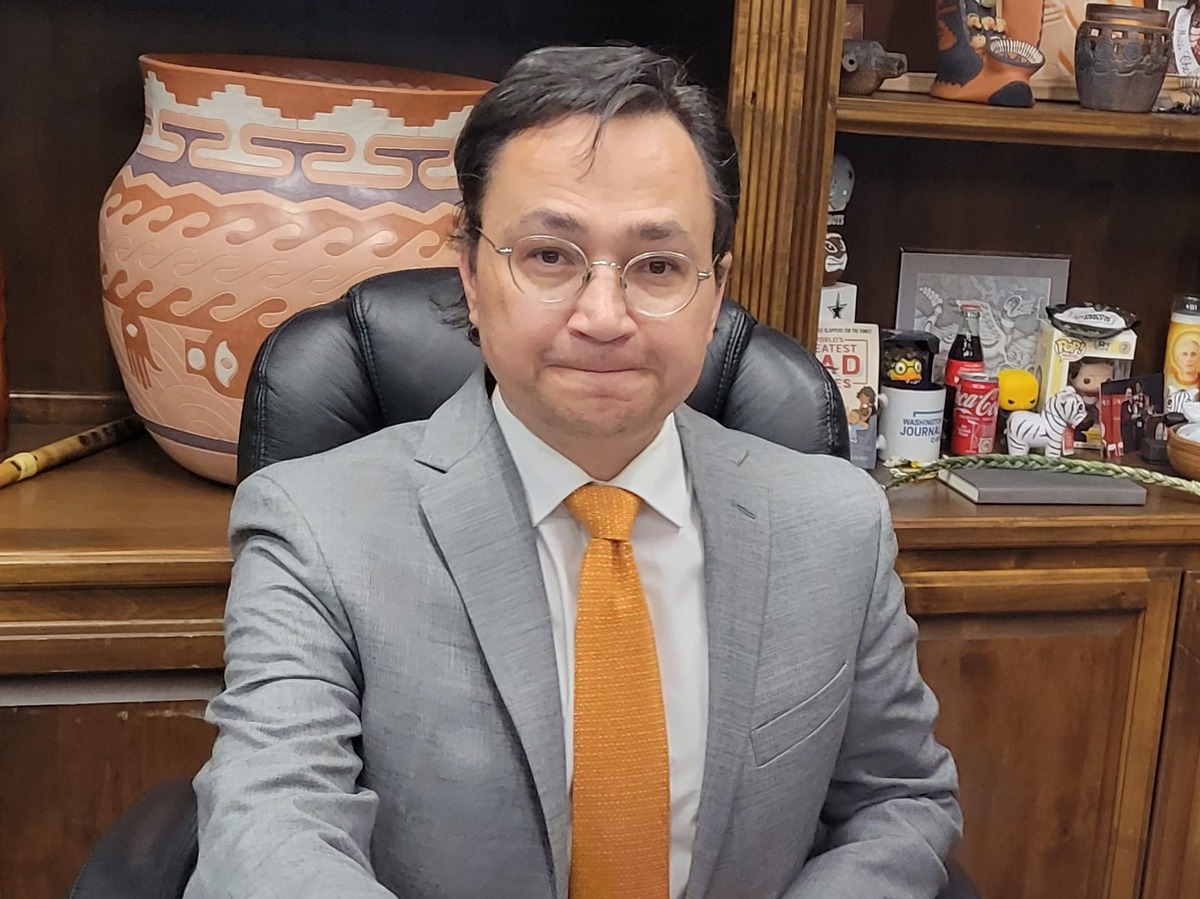

Principal Chief Chuck Hoskin heads the Cherokee Nation, which has about 450,000 members. A third of those citizens live on the reservation around Tahlequah, Okla., where opioid addiction has hit hard.

Brian Mann/NPR

According to Hoskin, so many Cherokee families are being disrupted that children wind up being fostered or adopted outside the tribal culture.

“Families not only being broken up, but children being removed from tribal lands, this is an additional pressure,” he said. “Anything we can do to keep families whole means we can keep our children.”

Synthetic opioids threaten communities including the Cherokee Nation in Oklahoma

Here’s how the Cherokee Nation is spending opioid settlement money

Gary Walker experienced this wave of addiction and despair up close, as he and Cassie worked with the foster care system.

“Going to court, I would sometimes sit there for four or five or six hours,” he recalls. “I would watch 30 or 40 cases at the same time. It really hit me then just how big the problem was.”

All the kids the Walkers have taken in, including Mazzy and Ransom, were exposed to drugs in the womb.

“Some of them were definitely opioid,” Gary said. “One of them, it was 14 different drugs. I didn’t even know 14 different drugs existed at the time. It’s really heartbreaking.”

That’s meant health and developmental challenges for Mazzy and Ransom. As we talk, Mazzy listens closely and chimes in with a question for her parents.

“How old was I when I like learned to like talk and stuff?” she asked.

“You were closer to 3,” said Cassie, who notes she has struggled at times to explain to the children how this drug crisis reshaped their lives.

“We always remind them that God gave them to us very special. Their parents were sick so we were able to raise them. There are mothers out there that did lose their child, and I was able to become their mother. So there is just a lot of emotions.”

Vulnerable Native American communities fight back

Tahlequah, Okla., is the capital of the Cherokee Nation. Data released as part of opioid lawsuits show Native American towns like Tahlequah were swamped with prescription opioids starting in the late 1990s.

Brian Mann/NPR


hide caption

toggle caption

Brian Mann/NPR


Tahlequah, Okla., is the capital of the Cherokee Nation. Data released as part of opioid lawsuits show Native American towns like Tahlequah were swamped with prescription opioids starting in the late 1990s.

Brian Mann/NPR

Public health experts say it’s not surprising Native American families have been so vulnerable to opioid addiction and other forms of addiction.

Across the U.S., many tribes like the Cherokee faced generational trauma, including genocide and forced relocation. Later, government boarding schools tore apart families and economic discrimination drove tribes into grinding poverty.

“This has wrought devastation on our traditional ways of life at key junctures in history,” said Joseph Gone, a member of the Aaniiih-Gros Ventre tribal nation and a public health researcher at Harvard University. “One thing we’ve seen around the world is when someone’s society collapses is a turn to substances of abuse.”

Beginning in the late 1990s, drug companies began flooding many Native American towns with prescription pain pills.

Much of the public awareness during America’s opioid crisis has focused on rural white towns. But Gone says Native communities suffered even higher rates of opioid addiction, overdose death and suicide.

“Deaths of despair were actually worse among American Indians and Alaska Natives for a longer period of time,” he said.

A study Gone co-authored in The Lancet, a leading medical journal, found deaths among middle-age Native Americans rose at three times the rate of white Americans from 1999-2013, the period when prescription opioid sales boomed in the U.S.

New studies and drug distribution data released as part of opioid lawsuits show Native American towns like Tahlequah were swamped with prescription opioids.

“I’m completely convinced that the [drug] industry bears responsibility because of the number of pills that were dumped on the reservation,” said Principal Chief Hoskin.

“That’s not an accident. That’s because there was profit to be gained.”

One prescription, 10 years lost

Many of the families around Tahlequah tell stories of how prescription pills wrecked their lives and damaged their children.

Brenda Barnett, a Cherokee citizen, was pregnant with her son, Ryan, in the 1990s when the reservation was first flooded with opioids.

She says her family had already been scarred by her brother’s addiction to pain pills and heroin.

“At that time, I was thinking, ‘I can’t go through what my Mama went through. I can’t do it.’ I was terrified,” she recalled “That was one of the biggest fears I had in raising a child, and it happened.”

Brenda Barnett and her son, Ryan, members of the Cherokee Nation, say opioids nearly destroyed their family after Ryan became addicted to pain pills, heroin and fentanyl. But they’re hopeful for his recovery and the tribe’s future.

Brian Mann/NPR


hide caption

toggle caption

Brian Mann/NPR


Brenda Barnett and her son, Ryan, members of the Cherokee Nation, say opioids nearly destroyed their family after Ryan became addicted to pain pills, heroin and fentanyl. But they’re hopeful for his recovery and the tribe’s future.

Brian Mann/NPR

Ryan was 15 when he hurt his hand in a car door. A doctor prescribed Oxycontin.

According to Ryan, that first opioid prescription, that first high, derailed his life. “I was like, this is great. I’ll do whatever I got to do to feel this way forever,” he said.

Ryan, who’s 31 years old now, says he hates thinking about what followed. He lost 10 years to pills, heroin and fentanyl — and also lost many of his Cherokee friends to drugs.

“You know, I did take a big chunk of my life and throw it in the trash,” he said. “You lose your best friends in this whole thing. If they’re alive, they’re in prison for the most part.”

The Cherokee sued Big Pharma, winning $100 million

Tribal leaders in the Cherokee Nation say $100 million won from Big Pharma in opioid settlements will help their community heal from decades of addiction.

Brian Mann/NPR


hide caption

toggle caption

Brian Mann/NPR


Tribal leaders in the Cherokee Nation say $100 million won from Big Pharma in opioid settlements will help their community heal from decades of addiction.

Brian Mann/NPR

Over the past decade, thousands of governments around the U.S., including tribal governments, sued the drug industry for its alleged role fueling the opioid crisis.

In the end, most companies involved in the opioid trade, including name brand companies such as Johnson & Johnson and Walmart, agreed to national settlements, cash payouts worth more than $50 billion.

Principal Chief Hoskin says his tribe’s share of that money, roughly $100 million dollars, has revolutionized addiction care for the Cherokee.

“The suffering would have continued, our inability to directly provide care would have been very limited. And now that’s completely changed,” he said.

At a ceremony last month, Cherokee leaders unveiled the first major project, an in-patient addiction recovery center planned for Tahlequah.

Principal Chief Chuck Hoskin (left) and Deputy Chief Bryan Warner unveil the first phase of a $75 million investment by the Cherokee Nation in new addiction treatment facilities.

Brian Mann/NPR


hide caption

toggle caption

Brian Mann/NPR


Principal Chief Chuck Hoskin (left) and Deputy Chief Bryan Warner unveil the first phase of a $75 million investment by the Cherokee Nation in new addiction treatment facilities.

Brian Mann/NPR

The ceremony was packed with tribal leaders and Cherokee, including Jennifer Janelle Pena Lassiter, who lost loved ones to overdoses and struggled with addiction.

“The opioid industry harmed millions of people. Thousands of Cherokees have been devastated by it all,” Pena Lassiter said.

She lost custody of her children and spent time in prison during an 11-year struggle with opioid addiction that begin with a pain pill prescription.

“The road I went through was hell, and I wouldn’t wish it on my worst enemy,” she said. “All of my twenties were gone. I missed things like starting a happy family. I missed college life. I missed milestones with my children which I will never ever get back. It rips families apart completely.”

According to Pena Lassiter, the tribe offered healthcare and financial support to help her rebuild her life. She has her kids back and owns her own home.

She believes these new, much more ambitious addiction treatment facilities and programs will help people heal faster.

“I believe the Cherokee nation is doing right by this money they got from the settlement,” she said.

Some tribal members hope the Cherokee Nation will emerge as a national model for helping people suffering addiction.

Brian Mann/NPR


hide caption

toggle caption

Brian Mann/NPR
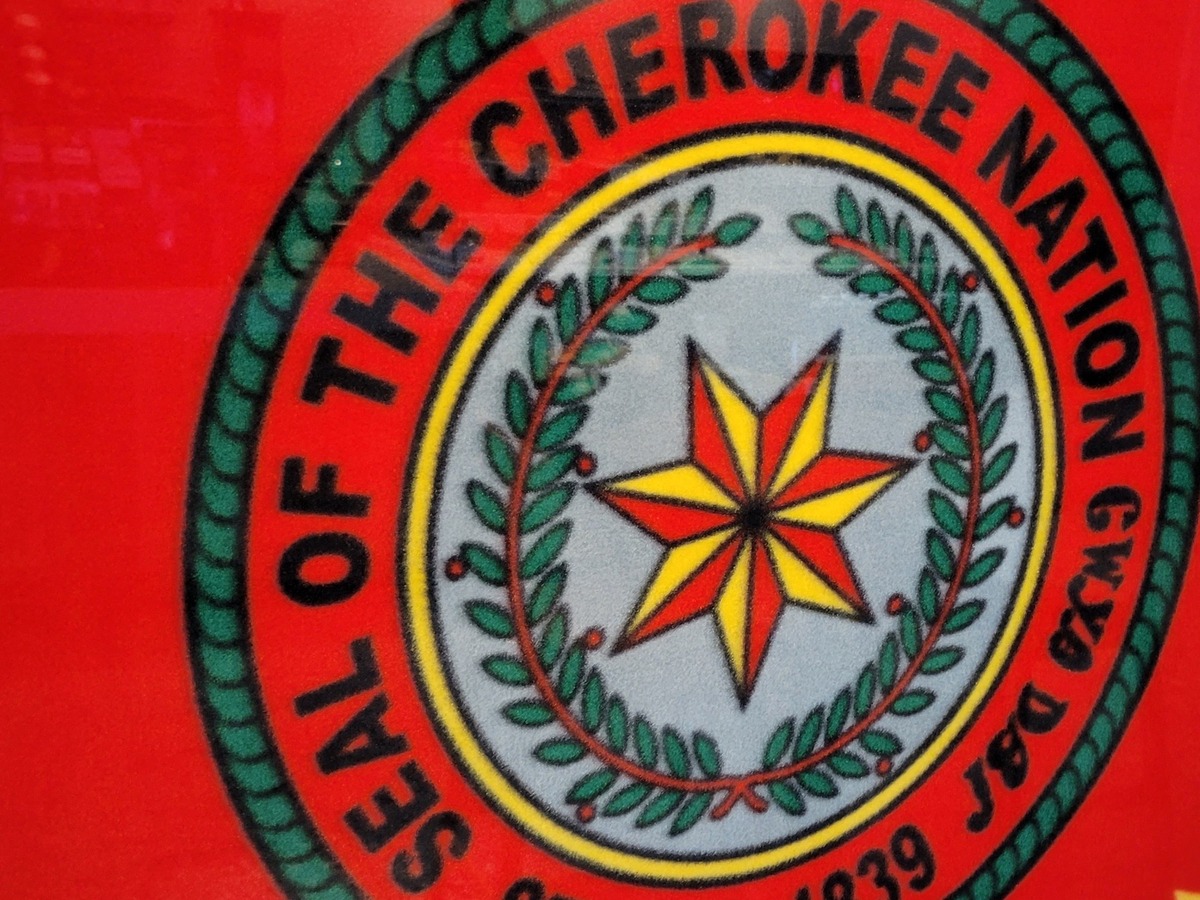

Some tribal members hope the Cherokee Nation will emerge as a national model for helping people suffering addiction.

Brian Mann/NPR

Hope for healing but also anger — and new dangers

Some of the money is already at work. There’s a new harm reduction clinic in Tahlequah where Cherokee can get clean needles, counseling and other support.

The tribal hospital now offers buprenorphine, a medication that helps people with opioid addiction avoid relapses. Roughly 400 Cherokee are getting treatment.

Over the next five years, the tribe plans to roll out a total of $75 million in new treatment facilities. The remainder will go toward the costs of running these sites as well as a scholarship fund. It’s a huge change for a reservation with a population of roughly 150,000 Cherokee.

But while this is a hopeful time for the Cherokee, it’s also a perilous one.

Cherokee citizen Jennifer Janelle Pena Lassiter lost 11 years to opioid addiction. She thinks the tribe’s plan to spend $100 million will help more Cherokee recover faster.

Brian Mann/NPR


hide caption

toggle caption

Brian Mann/NPR


Cherokee citizen Jennifer Janelle Pena Lassiter lost 11 years to opioid addiction. She thinks the tribe’s plan to spend $100 million will help more Cherokee recover faster.

Brian Mann/NPR

Over the last five years, fentanyl has largely replaced pain pills and heroin on the streets. Pena Lassiter says overdoses in her community have surged.

“It’s terrible, it’s everywhere. There are people dying here all the time,” she said. “If I go into a gas station at any time, somebody could be dead in a bathroom.”

As fentanyl deaths surged across the U.S. during the COVID pandemic, research funded by the the Centers for Drug Control and Prevention found the biggest spike in fatal overdoses was among Native Americans.

“American Indian youths started to have really dramatically increased rates of death and overdose,” said Gone, the researcher at Harvard.

Given the scale of death and loss around Tahlequah, one thing that angers many Cherokee is the lack of an apology. While America’s drug companies agreed to pay billions of dollars, none apologized or admitted wrongdoing.

Principal Chief Hoskin notes only a handful of drug company executives have been prosecuted for pushing opioid sales long after addiction rates soared.

“You know, justice is a relative term,” he said. “But the way I look at it, in this moment we have an opportunity to save lives going forward. Getting these dollars now is important. So I feel good about the measure of justice we have.”

A model for other communities hit hard by opioids?

A worker at the Cherokee Nation’s new harm reduction clinic, where tribal members with addiction can get clean needles, counseling and other support.

Brian Mann/NPR


hide caption

toggle caption

Brian Mann/NPR


A worker at the Cherokee Nation’s new harm reduction clinic, where tribal members with addiction can get clean needles, counseling and other support.

Brian Mann/NPR

Public health experts say it will be years before there’s data showing whether these new programs reduce opioid addiction and bring down overdose deaths among the Cherokee.

But Gone of Harvard says Native American communities across the U.S. are doing innovative things to help their people heal from addiction.

“Our peoples are still around and are growing and are charting better futures,” he said. “We need to recognize that peoples’ resilience carries through.”

Brenda Barnett says she hopes the Cherokee Nation will emerge as a model for how communities across the U.S. respond to the opioid-fentanyl crisis.

“We’re poised to do a better job than anything out there. Our people, they’re not throwaway because they have this disease,” she said.

With financial help and healthcare from the tribe, her son, Ryan, is one of the success stories. He’s been in recovery, drug-free for five years; at age 31 he’s back in college.

As they sat at their kitchen table, Brenda put a hand on his arm and told him she’s proud of his recovery.

“It makes me feel good to know she’s proud, she trusts me,” Ryan said.

Back on his farm, Gary Walker watches as his kids play out in the field and says he, too, is hopeful new programs funded by opioid settlement money will make a difference.

“I think it will help. I’m proud of our tribe,” he said, noting that with support from the Cherokee Nation, Mazzy and Ransom are recovering.

“They are thriving. With treatment and help from the tribe and the state and different places, we went through therapies and they are currently thriving.”

“They are thriving,” says Gary Walker of his adopted children Mazzy and Ransom. The hope is that with better addiction care, more Cherokee children can remain in intact families.

Brian Mann/NPR


hide caption

toggle caption

Brian Mann/NPR
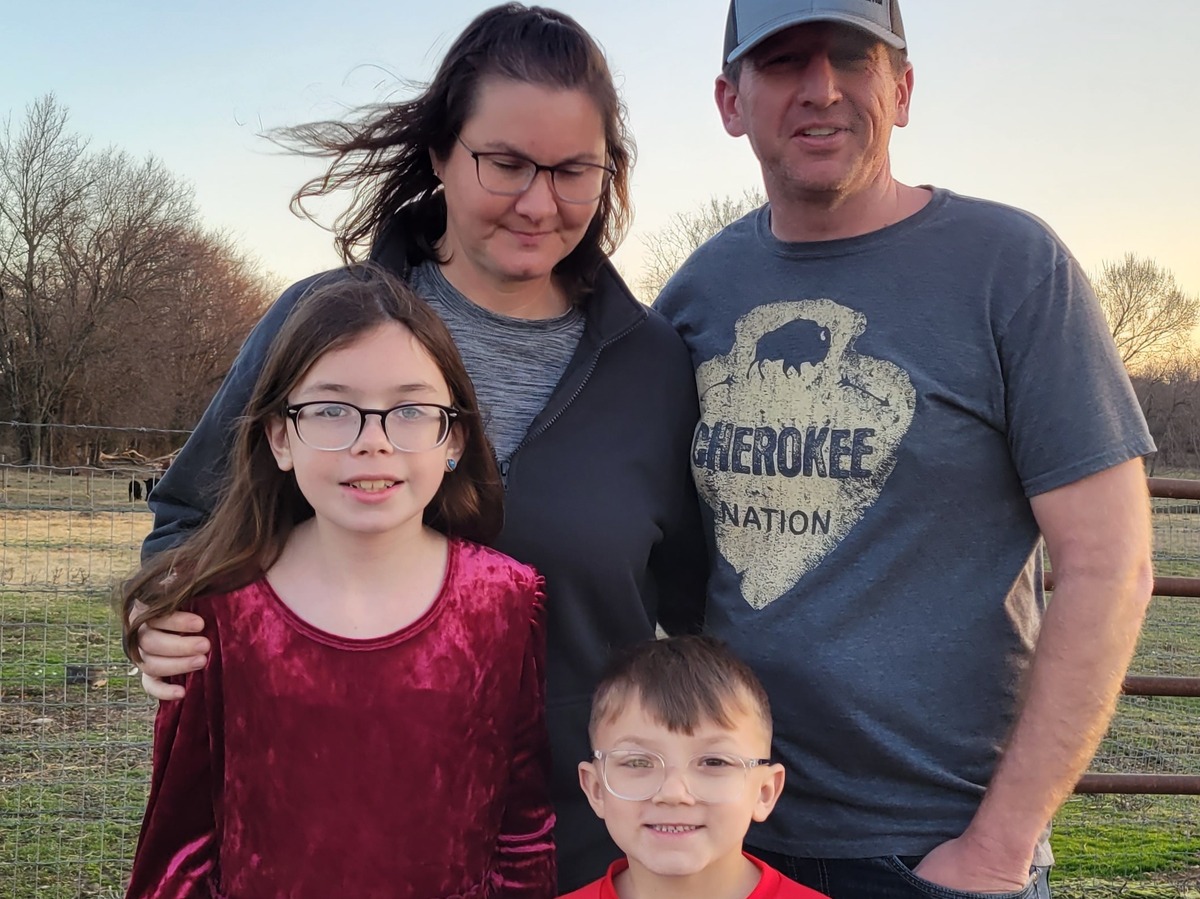

“They are thriving,” says Gary Walker of his adopted children Mazzy and Ransom. The hope is that with better addiction care, more Cherokee children can remain in intact families.

Brian Mann/NPR

Families Affected By Addiction Create Anti-Overdose Campaign In Tulsa

Families Affected By Addiction Create Anti-Overdose Campaign In Tulsa

Family members who have shed liked ones to drug overdoses are commencing a new marketing campaign to fight addiction.

The team “Families Supporting Families” now has its first billboard and it is in close proximity to 71st and HWY 1-69.

There will be ten of these digital billboards going up all-around Tulsa and with 10 new faces showcased just about every month the faces of someone’s daughter or son who died from a drug overdose.

Mothers and fathers hope it’ll avert other dad and mom from going through their heartbreak.

“One section that kills me is when my wife wakes up in the middle of the night time screaming for Gavin,” reported Chris Pritchard, People Supporting Family members.

Practically nothing could put together Gavin’s mother and father for the minute their son’s confront flashed throughout the billboard.

“You know how hard it is for me to glance at him up there? That breaks my coronary heart. That is my child. But he has to be up there. He has to not of died in vain. we have to save someone,” reported Delana Pritchard, Households Supporting Families.

“In one particular occasion, it created my heart truly feel truly superior that any individual is heading to see that and get anything from that. But from the other facet of it is, I will not want him to have to be up there,” said Chris.

They mentioned they did not know about the hazards of fentanyl and how deadly one particular compact dose can be or how easy it is to come by.

The Pritchard’s claimed dealers use social media applications like Snapchat since it disappears swiftly after the transaction.

“It can be getting more rapidly than the awareness of it is and I dislike that. We go to discussion boards and you can find vacant seats just about everywhere and it drives me nuts. Moms and dads will need to be associated scholar council desires to be concerned. Coaches will need to have their college students there,” explained Chris.

“We’re playing Russian Roulette ideal now with our young children,” claimed Delana.

Gavin was 24, pretty much 25 when he died from a drug overdose very last yr.

“He tried definitely tough and that breaks my coronary heart more than everything. I failed to understand the struggle that he had with dependancy or how really hard it was heading to be for him. In my mind it was straighten up person. Get it together. You can do this,” explained Chris. “We didn’t know everything about addiction and how it changed your target and how it adjusted your state of mind until eventually we witnessed it alter these a very good individual that actually preferred to be fantastic.”

He’d been clean up for a even though and experienced just gotten engaged.

They claimed addition would not discriminate and Gavin liked large and gave the very best hugs.

He was a helper, appreciated cleansing, cherished young children, was exciting and was a joy to be all over.

“He was just thrilled about everyday living. He was so fired up, but he experienced a bring about,” said Delana.

“That a single blunder killed him. That one error killed him,” mentioned Chris.

Family members Supporting Family members reported it welcomes anybody who has missing a liked a person to a drug overdose and is actively operating to teach colleges and mothers and fathers.

Simply click listed here for more information about Families Supporting Family members.

As B.C. marks another 2,272 toxic drug deaths, addictions doctor tells families: ‘I am so sorry’

As B.C. marks another 2,272 toxic drug deaths, addictions doctor tells families: ‘I am so sorry’

Additional than 2,200 people died in British Columbia from harmful medicine over the system of 2022, generating it the 2nd deadliest yr on history.

The province’s coroner on Tuesday stated there were 2,272 suspected drug toxicity deaths previous 12 months, just shy of the record 2,306 people who died in 2021. Most were center-aged men inside personal residences.

The figures necessarily mean B.C. has noticed far more than six fatalities each individual working day, or all around one individual each and every 4 several hours, for two decades.

“To the families of the 45 folks who have passed absent in the final 7 days on your own … to their friends and their colleagues and their communities and loved types: my coronary heart goes out to you and I am so sorry that we’re continuing to fail,” reported dependancy drugs specialist Dr. Paxton Bach in the course of an psychological information convention Tuesday.

“I hope that we can sit with that grief and that outrage. I hope that just about every citizen of the province reflects on this report and feels that outrage and takes advantage of that to drive the advocacy that is required to deliver adjust.”

The studies were released on the first working day of B.C.’s drug decriminalization initiative, which will make possession of pretty little amounts of sure illicit prescription drugs authorized for all those aged 18 and above.

B.C. chief coroner Lisa Lapointe said the modify is a “crucial initially stage,” but “only one particular evaluate of several that are necessary to end this disaster.”

‘This has gone on far far too long’

Bach spoke in much better terms, saying the province requires a critical and detailed response system with “everything” from a regulated safe provide, helpful client-centred treatment to financial commitment in upstream drivers of material use in buy to avert use. 

“This has long gone on much too extensive,” reported Bach, who is also co-health care director at the B.C. Centre on Compound Use.

“It is an emergency and it requires an urgent response that is commensurate with the scale of injury that we’re viewing and a single that’s reflective of the reaction that our citizens, our household customers, our mates and our communities deserved from the commencing.”

Bach reported the overall health-treatment system has grow to be far more and much more challenging as the crisis wears on.

“Each individual day, myself and my colleagues see sufferers in our offices or in hospitals who are telling us about their ordeals navigating this poisonous drug source. … I hear of blackouts, assaults, seizures, infections, non-deadly overdoses and so several more penalties that we’re not viewing in this report now,” he explained.

“For all people of these deaths we see here today, there are 10 extra folks who are dealing with non-fatal overdoses, infections or lots of other consequences … Not to point out the trauma, the unbelievable trauma, these deaths are inflicting.”

Decriminalization much from enough on its possess, advocates say

The federal minister of psychological overall health and addictions touted the three-calendar year decriminalization pilot job as “daring actions and important plan alter” to aid “carry an end to [the] crisis,” even though advocates lamented it was just a further small phase from an emergency that has lengthy demanded significant motion.

Beneath the new exemption, British Columbians around 18 can now carry up to 2.5 grams of cocaine, opioids, MDMA and methamphetamine for personal use. Officials say law enforcement have been instructed not to seize medication from individuals, but in its place offer “facts about well being and social supports.”

Possession for the goal of trafficking — or dealing — is nevertheless unlawful.

The 2.5-gram threshold is about fifty percent the sum the province had requested when it initially applied for the exemption in late 2021. Drug people have mentioned each thresholds were being far far too lower, specified how most individuals consume substances.

Illicit drug toxicity continues to be the top induce of unnatural demise in the province, in accordance to the B.C. Coroners Support, much earlier mentioned automobile crashes or suicides. Intense concentrations of the powerful opioid fentanyl were detected in the huge the vast majority of deadly overdoses.

Check out | Decriminalization aided Portugal cut down overdose fatalities: 

Poisonous drug deaths remain high in B.C. as decriminalization commences

New facts confirms fatalities from harmful drugs remained substantial in British Columbia final calendar year, with the quantity of deaths only somewhat reduce than the 2021 report. Most of the victims ended up middle-aged males who overdosed inside private properties, B.C.’s coroner states.

Extra than 11,000 British Columbians have died owing to toxic illicit prescription drugs considering the fact that a general public wellbeing emergency was declared more than drug deaths in April 2016.

The previous two months of 2022 were being among the the deadliest of the calendar year, with 182 people misplaced in November and yet another 210 in December.

The report said there is no indication prescribed protected source contributed to illicit drug deaths.

The coroner had previously documented 2,224 individuals had died in 2021 centered on preliminary figures. That determine was up to date Tuesday.

More families need pet food pantries as prices rise

More families need pet food pantries as prices rise

(NewsNation) — Pet food items inflation is outpacing even significant human grocery costs, up just about 15{35112b74ca1a6bc4decb6697edde3f9edcc1b44915f2ccb9995df8df6b4364bc} from very last calendar year, primary to a escalating number of households facing a heartbreaking decision amongst feeding their animals and spending for their have necessities.

Shelter employees from Maine to Montana say they’re struggling to hold up with the quantity of pets returned or surrendered due to the fact their proprietors can no for a longer period afford to pay for to feed them. 

In reaction, pet food stuff pantries are on the increase. Organizers say these grassroots attempts are a very last vacation resort to maintain Fido with the household — and they are needed far more than ever.

“One of the key causes why we do this is mainly because we know that people today will feed their pets right before they feed them selves,” stated Karen Nevotti, strategic plans supervisor for the Friendship Centre Foods Pantry. “Pets are component of a family members.”

Recently, numerous of these food stuff pantries are stretching to guidance as numerous family members as probable.

Food stuff on the Move foods pantry works with Gateway Animals to get pet dog foods to people. Courtesy of Gateway Animals.

Nevotti explained the Friendship Heart in northwest Chicago has doubled the variety of pets it has furnished food stuff for due to the fact July.

“We experienced served customers that took treatment of 89 dogs,” she said, incorporating that they also provide additional than 300 cats. “As of past thirty day period, that was 160 (canines).” 

Generally hooked up to a human foods pantry or animal shelter, pet food stuff pantries operate by guaranteeing meals each thirty day period for a sure range of animals, normally whose entrepreneurs meet specified economic or geographic needs. Most acquire donations of any sort of pet meals and are staffed by volunteers.

Fiscal distress is a person of the most typical motives people give up their animals, in accordance to the on the web pet keep Chewy. 

A dog greets a Gateway Animals volunteer throughout a travel as a result of professional medical clinic. Courtesy of Gateway Pets.

But folks might not know this is an solution in their region, which is why Gateway Animals in East St. Louis also has pop-up booths at community gatherings and donates to human food pantries folks may be more common with.

Gateway Animals also delivers free of charge or reduced-expense health-related treatment — a further essential need to have when family members are in fiscal straits. 

“As they’re finding in for their preventive treatment, like a heartworm take a look at or their vaccine, we are preferably halting any type of healthcare troubles later down the line that probably an owner could have problems affording,” mentioned Katie Anderson, group help and volunteer supervisor with Gateway. 

Which means much less animals enter an overcrowded shelter procedure. And, it keeps humans healthful way too. 

“We know that there’s a quantity of optimistic mental health and fitness and bodily health indicators for people today with pets, in phrases of lowering tension and blood strain,” Anderson said. “It comes with advantages to both equally sides of the spectrum.”

Teresa Adams House unveiled for families seeking medical attention

Teresa Adams House unveiled for families seeking medical attention

QUINCY (WGEM) – The community collected on Tuesday for a ribbon reducing ceremony, unveiling the new Teresa Adams Household.

Officers stated the more than $2 million up grade was needed for the reason that the primary Quincy Hospitality Property was not designed for individuals with disabilities.

Karen Dieckhoff is a single of the founders of the first Quincy Hospitality Household. She sat on the board in 1993 and served plan what the to start with dwelling would embody.

At the unveiling of the most recent household, she gets to mirror on the development built in three decades.

“We dreamed, just dreamed of owning a position like this for this prolonged and so this day is just a wonderful end result of many, many, many men and women operating,” said Dieckhoff.

The Teresa Adams Home, which was constructed on land donated by Blessing Health and fitness, is named soon after the Quincy indigenous who officers reported was a symbol of residence and ease and comfort in the Tri-States’ healthcare technique.

Her spouse, Kent Adams, said she would be thrilled about the new facility.

“It’s just amazing,” stated Adams.

The new Teresa Adams Property delivers much more handicap accessibility prospects with company getting ready to roll their wheelchair straight into the creating alternatively of acquiring to navigate techniques.

The original hospitality property, positioned on Oak Avenue, has stairs that all guests are pressured to acquire to enter.

The new making features two wheelchair entrances.

All eight rooms in the facility are wheelchair available, with two queen beds in just about every and roll-in showers.

Teresa Adams Home Coordinator Becky Albert claimed getting a spot like this is necessary for all those obtaining clinical remedy, and their families, in the place.

“If you at any time have had a cherished just one which is been under treatment and you require a place to be capable to remain just to have that nap, or have a shower, have a minimal little bit of some thing to try to eat, you know that it makes these kinds of a difference for them as caregivers to be equipped to go again and handle whatsoever they will need to for that loved 1,” Albert mentioned.

Teresa Adams Dwelling team explained there are no age limits on who can stay at the home, but they are searching for some a lot more volunteers just before they allow lodging at the house after Jan. 1.

The Teresa Adams Home will provide all those obtaining inpatient and outpatient treatment at blessing medical center or any clinical doctor’s or dentist’s office environment in the surrounding location.

The workforce claimed they’ll also serve people traveling to nearby nursing properties, funerals or people traveling to the Illinois Veterans’ Dwelling.

The price is $40 for each evening, but grants are accessible to individuals who are not able to spend.

For extra information about the residences or to donate, go to right here.

Ground Strategy of Teresa Adams House

Teresa Adams House Floorplan
Teresa Adams Residence Floorplan(Blessing Overall health Process)

A lot more about the home’s namesake, Teresa Adams

https://www.youtube.com/enjoy?v=Ffa7-I9JRcg

Copyright 2022 WGEM. All legal rights reserved.

Families are returning pets to shelters due to inflation, rising rents

Families are returning pets to shelters due to inflation, rising rents

Some pet entrepreneurs are offering up their animals as people struggle to spend for housing and necessities amid today’s inflation.

In New York City, surrenders by house owners of puppies and cats at the Animal Treatment Facilities of NYC are up 25{35112b74ca1a6bc4decb6697edde3f9edcc1b44915f2ccb9995df8df6b4364bc} when compared to previous 12 months.

“The largest rationale? It is housing,” Katy Hansen, the animal welfare organization’s director of marketing and advertising and communications, told Fox News Digital.

Many pet entrepreneurs who are providing up their animals in the Massive Apple are transferring to locations that ban pets or are not pet-pleasant. 

“They are transferring because they have misplaced their position or can not afford to reside in their residence any longer,” Hansen wrote to Fox News Electronic.

“Couple that with the rising price tag of anything — including pet foods, supplies and other essentials — and several shelters are in truth observing an raise,” she continued. “It’s so unfortunate.”

National shelter knowledge from Shelter Animals Count — a nonprofit that screens the country’s “animal welfare landscape” — displays that from January 2022 to June 2022, the number of relinquished animals went from 31,606 to 38,066 at 1,050 animal shelters.

Outdoors of NYC, news studies from close to the state point out that pet homeowners are bringing animals to shelters at alarming fees in Akron, Ohio Jacksonville and Orlando, Florida Stockton, California Houston, Texas Johnson Metropolis, Tennessee Farmington, New Mexico and Missoula, Montana.

The ASPCA estimates that the regular yearly cost of a canine is $1,391 and the typical yearly expense of a cat is $1,149.

Nonetheless these estimates don’t include the expenditures of skilled grooming, dental care or a single-time charges for health care techniques (spay, neuter, microchip and vaccination), schooling (in-course or at-dwelling) and pet accessories (carriers, crates, collars, litter bins, scratching posts and brushes).

Total pet prices are up 7.1{35112b74ca1a6bc4decb6697edde3f9edcc1b44915f2ccb9995df8df6b4364bc} yr-to-date on the Buyer Cost Index, according to Pet Age, a company-to-business enterprise pet news corporation.

Some pet owners are giving up their animals to shelters as families struggle to pay for housing and necessities amid today's inflation.
Some pet house owners are giving up their animals to shelters as households battle to pay back for housing and necessities amid today’s inflation.
Getty Illustrations or photos

“The net was a June YTD CPI maximize vs. 2021 for Whole Petflation of 7.1 {35112b74ca1a6bc4decb6697edde3f9edcc1b44915f2ccb9995df8df6b4364bc}, which is 85.5{35112b74ca1a6bc4decb6697edde3f9edcc1b44915f2ccb9995df8df6b4364bc} of the extraordinarily high 8.3{35112b74ca1a6bc4decb6697edde3f9edcc1b44915f2ccb9995df8df6b4364bc} overall price,” Pet Age’s report reported. 

“It was only 72.5{35112b74ca1a6bc4decb6697edde3f9edcc1b44915f2ccb9995df8df6b4364bc} in March.”

An financial information release posted by the U.S. Bureau of Labor Statistics on July 13 stated that gasoline, shelter and food are some of the “largest contributors” to the climbing purchaser cost index for all urban people.

The gasoline index rose 11.2{35112b74ca1a6bc4decb6697edde3f9edcc1b44915f2ccb9995df8df6b4364bc} though the shelter index rose .6{35112b74ca1a6bc4decb6697edde3f9edcc1b44915f2ccb9995df8df6b4364bc} and food items rose 1{35112b74ca1a6bc4decb6697edde3f9edcc1b44915f2ccb9995df8df6b4364bc} in June 2022.

A new lease report from Hire.com — an condominium research motor and on the net market — estimates that the countrywide regular lease price for a one-bed room is $1,701 (up 25.3{35112b74ca1a6bc4decb6697edde3f9edcc1b44915f2ccb9995df8df6b4364bc} yr-above-year) and a two-bedroom is $2,048 (up 26.5{35112b74ca1a6bc4decb6697edde3f9edcc1b44915f2ccb9995df8df6b4364bc} yr-around-yr).

Even though the web-site said hire selling prices “stabilized this thirty day period,” not all people can retain up with the soaring expenses.

In Jacksonville, an anonymous pet operator deserted a 10-thirty day period-aged puppy at the John Roberts puppy park in early July — and still left a note indicating they had been not able to retain the pet “due to elevating my hire,” in accordance to Initially Coastline News.

The ASPCA explained to Fox Information Electronic that it researched pet relinquishment in May perhaps 2021. 

It observed that “the wide majority” of pandemic animals are still supplying families with “joy and comfort, regardless of changes in situations, and that loving house owners continue to recognize the important purpose pets play in their lives.”

A spokesperson for the group extra that shelter ingestion and adoption prices fluctuate based on seasonality and other elements that are converging simultaneously, like breeding seasons, health care and behavioral troubles and prolonged-phrase staffing shortages.

“By producing basic veterinary treatment accessible and very affordable to people who require it most, we can retain animals healthful and risk-free in their residences and out of shelters, although simultaneously enriching the lives of their persons,” the ASPCA wrote in an electronic mail.

“The ASPCA is a single of the lots of corporations in the animal welfare area functioning to offer partially and totally subsidized veterinary care and sources, including pet food items and grooming companies, to animals and entrepreneurs, such as our specific initiatives in New York City, Los Angeles, and Miami,” the statement continued.

A representative for the Persons for the Ethical Cure of Animals (PETA) verified that the group is viewing a lot more experiences of animal relinquishments at shelters.

“Some of these stories carry an primarily tragic edge,” PETA advised Fox News Electronic.

In May, the organization documented on a 6-12 months-old doggy named Child Female who was deserted by her unhoused proprietor in Wisconsin after seven animal shelters turned her absent.

“We’re listening to these stories additional and additional as shelters face force to go ‘no kill’ rather of having all comers, as open-admission shelters do, amenities with ‘no-kill’ insurance policies manipulate their statistics by making obstructions for men and women trying to change in animals and accepting only all those they deem most ‘adoptable,’” PETA wrote in an email.

It claimed it is “urging guardians to do every thing in their energy to maintain their animals, and urging anyone to spay and neuter their animals to protect against more from becoming born into a planet presently bursting at the seams with homeless animals,” PETA continued. 

If pet proprietors locate that they are unable to choose treatment of their animal companions, PETA recommends they seem into open-admission shelters that can “accept each animal in will need, irrespective of their adoptability for causes of wellbeing, temperament or bodily issue.”