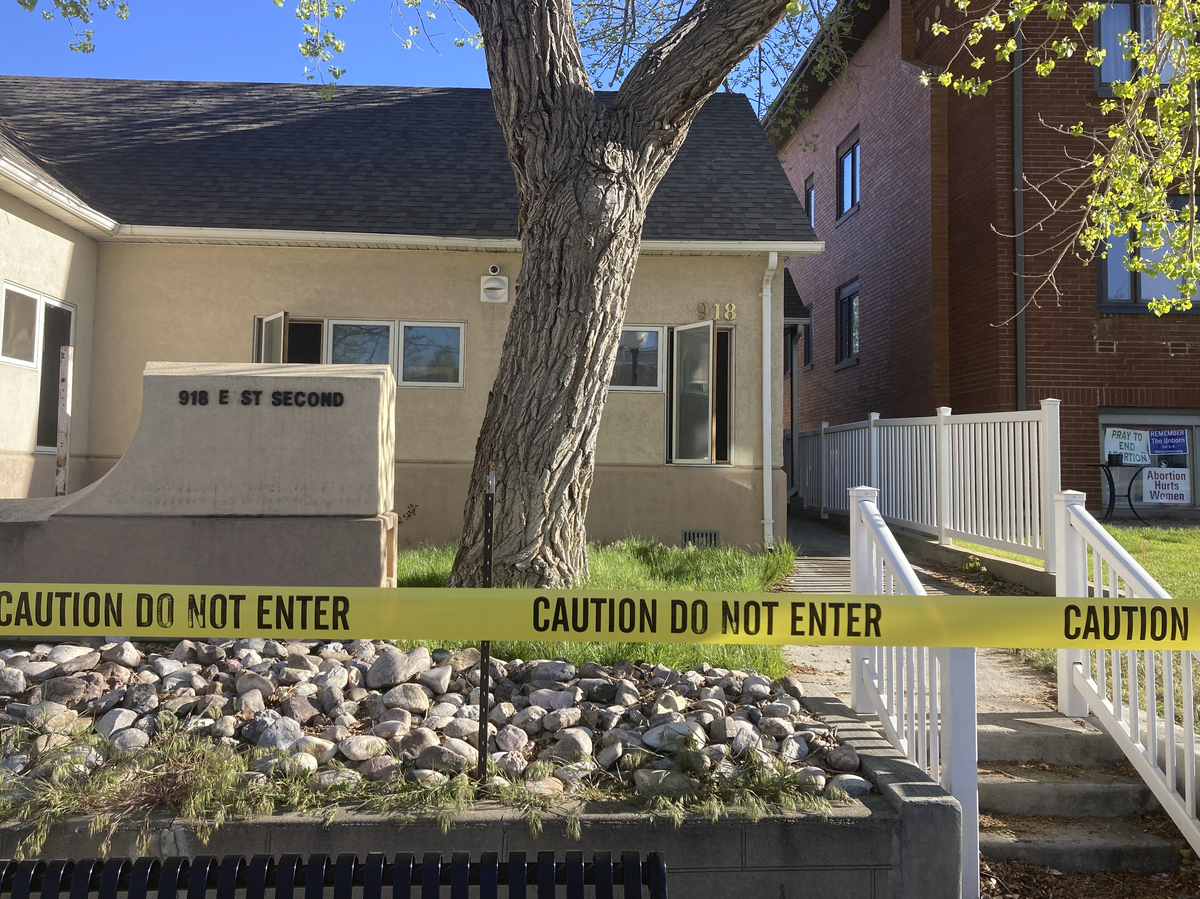
Wellspring Health Access clinic was set to open in June 2022 in Casper, Wyo., when it was damaged by arson in late May, 2022. If it opens this year, the women’s health and abortion clinic would be the only one of its kind in the state.
Mead Gruver/AP
hide caption
toggle caption
Mead Gruver/AP
Wellspring Health Access clinic was set to open in June 2022 in Casper, Wyo., when it was damaged by arson in late May, 2022. If it opens this year, the women’s health and abortion clinic would be the only one of its kind in the state.
Mead Gruver/AP
Thirty years ago, Blue Mountain Clinic Director Willa Craig stood in front of the sagging roof and broken windows of an abortion clinic that an arsonist had burned down early that morning in Missoula, Montana.
“This morning, Missoula, Montana, learned that there is no place in America that is safe from hateful, misguided groups,” she told the crowd of reporters and onlookers.
The 1993 fire at Blue Mountain Clinic was part of a particularly violent period of anti-abortion attacks in the U.S. that continued through the 1990s and 2000s, when clinics were bombed and abortion providers killed. Now, less than a year after the U.S. Supreme Court overturned Roe v. Wade, rhetorical and physical attacks have increased against clinics that still provide abortions in conservative-led states.
The U.S. Justice Department formed a Reproductive Rights Task Force after last year’s Supreme Court decision, in part to bring more attention to anti-abortion violence and threats. Since 2011, the DOJ has prosecuted dozens of criminal and civil cases over obstructing access to, threatening, or damaging abortion clinics. It charged 26 people in 2022 — more than in the previous three years combined.
The FBI is also investigating a series of abortion clinic arsons, primarily in states that have maintained or bolstered abortion access since the June 24 Dobbs v. Jackson Women’s Health Organization decision overturning Roe.
The increase in violence has led abortion-rights advocates to worry that more violence could be coming if the fringes of a fragmented anti-abortion movement become impatient with judicial and political efforts to ban and restrict abortion. Meanwhile, anti-abortion activists worry that vandalism committed at pregnancy resource centers over the past year is an indication that abortion-rights advocates could escalate into violence if states further tighten abortion access.
Violence has been rising since 2020
Violence against abortion providers was already on the rise before the Supreme Court’s decision to end federal protections for abortions, according to the National Abortion Federation. Nationally, from 2020 to 2021, reports of stalking rose 600{35112b74ca1a6bc4decb6697edde3f9edcc1b44915f2ccb9995df8df6b4364bc}, clinic invasions 129{35112b74ca1a6bc4decb6697edde3f9edcc1b44915f2ccb9995df8df6b4364bc}, and assaults 128{35112b74ca1a6bc4decb6697edde3f9edcc1b44915f2ccb9995df8df6b4364bc}, according to the federation. The organization is still aggregating its 2022 figures, which include data from after Roe was overturned, but it expects the upward trends to continue, according to chief program officer Melissa Fowler.
“When a clinic closes, the protesters don’t just pack up and go home,” Fowler said. “A lot of times, they will travel or even move to other communities and states and target the clinics that remain open there.”
There have also been attacks on anti-abortion pregnancy resource centers, which have been vandalized in several states since last year. Police in Minnesota were looking for the vandals responsible for smashing windows and spray-painting in red, “if abortion isn’t safe, neither are you,” at Abria Pregnancy Resources in St. Paul last summer, KSTP reported.
The clinic’s director, Angela Franey, had previously voiced support for the Supreme Court’s Dobbs decision.
Last May in Wyoming, after a draft opinion of the decision was leaked to the press, a new abortion clinic in Casper was set on fire before it could open. Owner Julie Burkhart blamed the incendiary rhetoric of anti-abortion groups.
“They are highly skilled in getting these lone wolves to come in and do their dirty work so that their hands can remain clean,” Burkhart said.
Federal officials recently charged a woman with arson in that case. According to an affidavit, 22-year-old Lorna Green allegedly admitted to lighting the fire at the Wellspring Health Access clinic in her hometown of Casper because “she did not like abortion.”
The clinic plans to open this spring, but its future is uncertain. A state law bans nearly all abortions in Wyoming, though on March 22 a judge temporarily blocked the law while a legal challenge against it is pending.
Vandalism and fear of violence in Montana
In Montana, the most recent attack against an abortion clinic happened in 2014 in Kalispell, about 120 miles north of Missoula by car, where the son of an anti-abortion activist broke into and vandalized All Families Healthcare. He was sentenced to 20 years in prison with 15 years suspended.
All Families Healthcare owner Susan Cahill said she wanted to continue working after the break-in. But her family, fearing for her safety, persuaded her to retire.
“I was quite depressed for a couple of years after the office was destroyed,” Cahill said.
The clinic’s closure created an abortion care desert for four years before another provider took over the practice.
Montana continues to allow access to abortion services because of protections in its state constitution, but clinics that perform abortions are few. Blue Mountain reopened after its 1993 fire, and Planned Parenthood of Montana also provides abortion services in multiple Montana cities. All Families reopened under new owner Helen Weems, in Whitefish, just north of Kalispell in northwestern Montana’s Flathead Valley.
Montana’s Republican governor and Republican-led legislature are now seeking to restrict abortion access. Gov. Greg Gianforte and state Attorney General Austin Knudsen are asking the state Supreme Court to overturn its 1999 decision in the case Armstrong v. State, in which it held that abortion access is protected under the Montana Constitution’s right to privacy.
“It’s time for the Montana Supreme Court to take up the Armstrong case, take another look at it, and reverse it,” Montana Attorney General Austin Knudsen said at a January anti-abortion rally in the Montana Capitol. “It is garbage law and it needs to go.”
Conflicting desires within the anti-abortion movement
Montana state lawmakers are moving legislation that seeks to decouple abortion access from the constitutional right to privacy, along with other measures that would restrict abortion. Gianforte’s administration and conservative lawmakers are also trying to make it more difficult for Medicaid patients to obtain medically necessary abortions.
However, polling suggests most Montanans support abortion access, and voters rejected a 2022 ballot initiative that would have created criminal penalties for health officials who do not work to save the life of an infant born after an attempted abortion or birth, even if the infant has no chance of long-term survival.
A recent survey from the Public Religion Research Institute found a greater percentage of Montanans than of people in any bordering state think abortion should be legal in most or all cases.
The message sent by voters in Montana — and those who passed 2022 ballot measures in support of reproductive rights in California, Kansas, Kentucky, Michigan, and Vermont — has left Republican lawmakers with unexpected challenges, said Mary Ziegler, a law professor at the University of California-Davis who studies the anti-abortion movement.
Those politicians want to avoid upsetting voters, but they also want to pacify the more extreme anti-abortion groups by promising progress through legal means, said Ziegler. With the movement fragmented after Roe was overturned, those in the mainstream anti-abortion movement worry about what the more radical elements might do if their cause isn’t advanced in the courts and statehouses, she said.
“Quite literally the last thing you want is PR where your movement is being associated with violence,” Ziegler said.
Health care providers in Montana said the post-Roe era has been an uneasy time as they defend themselves against legal and political attacks while trying to keep their doors open for patients from Montana and neighboring states where abortion is banned.
“Our patients show up every day because they are desperate to get this care,” said Nicole Smith, the current executive director of Blue Mountain Clinic. “We have to be there and hold the line for them.”
Weems, of All Families Healthcare, said having to constantly fend off legal attacks on abortion care has changed how she thinks of herself.
“It’s felt like there’s been a change in my role from strictly a medical provider to more of a political activist,” she said.
Abortion-rights advocates are working to support medical providers in managing the mental toll these legal attacks take. The newly created Montana Sexual & Reproductive Health Collective is partnering with licensed therapists to provide free emotional and psychological support for providers.
“We don’t want to have to be doing triage on our abortion providers or our abortion-rights community,” said Hillary-Anne Crosby, the group’s leader. “We want to be there every step of the way so it does not get to that crisis point.”
This story comes from NPR’s health reporting partnership with Kaiser Health News (KHN) and Montana Public Radio.
KHN (Kaiser Health News) is a national newsroom that produces in-depth journalism about health issues. Together with Policy Analysis and Polling, KHN is one of the three major operating programs at KFF (Kaiser Family Foundation). KFF is an endowed nonprofit organization providing information on health issues to the nation.
Edited by Matt Volz of KHN and Carmel Wroth of NPR.
This story was produced via a USC Annenberg Center for Health Journalism Data Fellowship.
Kayla Quinones began having contractions a few hours after midnight. Her baby, Jacarri, was on the way.
Quinones, 33, was homeless at the time and staying with a friend in upstate New York, and when she began to feel the undulating pains, spaced about 8 minutes apart, she called for help. Those pains, her friend told her, were contractions. They needed to get to a hospital.
Before staying with her friend, Quinones spent 6 years living on the streets of Sullivan County, about 2 hours north of New York City. She had been using heroin for 7 years, and cocaine for the last 4. She was homeless for the majority of her pregnancy. And using for all of it.
Doctors rushed Quinones to the delivery room, and the birth went smoothly. Jacarri was born healthy, but had developed neonatal abstinence syndrome. At the time of his birth, Jacarri had methadone and cocaine in his system, so doctors transferred him to the neonatal intensive care unit at a nearby hospital. The hospital where Quinones delivered him did not have one.
After Jacarri’s birth, Quinones was more motivated to get help for addiction than ever before. Jacarri’s father, Quinones’ longtime partner, died when Quinones was 4 months pregnant, and she was now learning that she’d lost custody of her baby. Jacarri would be going to stay with Quinones’ mother in Queens and would stay there until Quinones could get into a treatment program. She was again living on the street, searching for a program that would take her in.
It wasn’t the first time she had looked for help. She had been enrolled in a methadone program during her pregnancy, but continued to use heroin.
Now looking for a more comprehensive treatment program, Quinones ran into a new problem. Because she hadn’t received a postpartum check-up — which typically occurs between 4 and 6 weeks after delivery — many treatment centers wouldn’t take her, she said.
“They were denying me left and right,” Quinones told MedPage Today. “I was still running the streets, and miserable because they took my kid away. And I was worried that I wasn’t going to get into a program.”
In an underfunded, siloed mental healthcare system, pregnant and postpartum people with addiction face endless barriers to treatment. While patients typically come into contact with the medical system more frequently during pregnancy, those with addiction struggle to get adequate care, as insufficient numbers of behavioral health providers, logistical hurdles, and distrust of the medical system deter people from accessing treatment, according to providers, patients, and advocates.
“There is a presence of substance use that often gets overlooked and undertreated in pregnancy,” said Leah Habersham, MD, an addiction medicine specialist and ob/gyn at Mount Sinai Health System in New York.
Medication-assisted treatment (MAT), such as buprenorphine (Suboxone) and methadone, are the gold-standard treatment for pregnant patients with substance use disorder. These therapies manage cravings and prevent patients from going into withdrawal, which can result in preterm delivery or fetal growth issues.
But not all patients can access MAT, data show. Nationally, only half of pregnant patients with opioid-related substance use who received care at an addiction treatment center received methadone treatment in 2020, according to an analysis performed by MedPage Today.
Those who seek treatment in New York, where Quinones lives, receive it at a rate higher than the national average. In 2020, there were 635 episodes of treatment involving opioid use in pregnancy at New York addiction treatment centers. Of those treatment episodes, 75{35112b74ca1a6bc4decb6697edde3f9edcc1b44915f2ccb9995df8df6b4364bc} received MAT at discharge.
The data, which come from the Substance Abuse and Mental Health Services Administration’s (SAMHSA) treatment episodes database, is a compilation of addiction treatment center data reported by state agencies. Many of the treatment centers that report to SAMHSA receive state funds or federal block grants to provide drug or alcohol treatment services, the agency says.
Of the 6,200 times pregnant patients received opioid-related treatment nationwide in 2020, all received care at addiction treatment centers, such as methadone clinics or specialty behavioral health centers. However, providers say this is an underestimate of patients that receive care.
Many patients access treatment for substance use disorder outside of specialty care facilities, including from a family medicine provider, addiction specialist, or ob/gyn practitioner who prescribes buprenorphine — treatment that is not recorded in public databases.
Not knowing how many patients do or do not get treatment poses a host of issues, according to patients, providers, and advocates. Without an accurate count, it’s difficult to properly allocate resources to treat substance use disorder among the population of pregnant patients, they say.
“We don’t know how many people receive comprehensive services,” said Mishka Terplan, MD, MPH, a board-certified ob/gyn and addiction medicine specialist based in Maryland. “And that’s really kind of unknowable.”
Kayla Quinones, who lives with her son Jacarri at Greenhope Services for Women in East Harlem, New York, looked for treatment centers for a month before enrolling in the residential treatment program at Greenhope. Before having her baby, judgment and stigma from medical providers prevented her from seeking care, she says. Photo by Liam Quigley.
A Growing Problem
More than 1 million people have died of an overdose since the opioid epidemic began in the late 1990s. The crisis intensified during the COVID-19 pandemic, as isolation and interruptions to medical care led to skyrocketing overdose deaths.
Nationwide, there were an estimated 108,000 overdose deaths in 2021 — an all-time high, CDC data show. The majority of those deaths involved fentanyl, a synthetic opioid that’s 50 times more potent than heroin.
Opioid use disorder trends among pregnant patients are directly connected to patterns in the general population, Terplan said.
In total, 6,000 women had a maternal opioid-related diagnosis at delivery in 2017, the most recent year for which data are available, according to a study in JAMA. Self-reported data from the CDC suggest that 6.6{35112b74ca1a6bc4decb6697edde3f9edcc1b44915f2ccb9995df8df6b4364bc} of women used prescription opioids during pregnancy. One in five women who used prescription opioids reported misuse, the study showed.
“We all know that opioid use disorder is a rising problem, and it’s hitting the pregnant population as well,” said Wendy Wilcox, MD, chief women’s health services officer at NYC Health + Hospitals, New York City’s public hospital system.
The vast number of opioid-related deaths has left policymakers scrambling to solve a worsening addiction problem. Last October, the Biden administration released a plan to improve access to substance use disorder treatment for pregnant and postpartum people specifically.
The plan aimed to correct issues that were preventing patients from accessing MAT and looked to improve public reporting of access data.
Currently, there are no public databases that clearly show how many patients — pregnant or not — get medical treatment for substance use disorder. (Click here for more on the challenges of reporting data around substance use in pregnancy.)
Late last year, the federal government also deregulated buprenorphine to improve treatment access. Providers previously needed an X waiver — a special Drug Enforcement Administration (DEA) certification — to prescribe buprenorphine, which required an 8-hour training and restricted the number of patients a clinician could treat.
After years of rolling back restrictions, the federal government eliminated the X waiver entirely in December. The nixing of the rule allows any provider with a DEA license to administer buprenorphine, pending a one-time training.
Most ob/gyns are licensed by the DEA to prescribe controlled substances. But addiction medicine experts worry that though federal regulations on treatments for substance use disorder have begun to ease, there will remain a gap between the number of primary care providers and ob/gyns willing to prescribe buprenorphine and the number of patients who need it.
Should Ob/Gyns Provide More Addiction Care?
Medical organizations, including the American College of Obstetricians and Gynecologists (ACOG) and the American Society of Addiction Medicine (ASAM), have firmly said that they believe MAT is the gold-standard treatment for pregnant patients addicted to opioids.
Though there are three drug treatments available to all patients with opioid use disorder, methadone and buprenorphine are the most commonly prescribed treatments for pregnant patients. The opioid antagonist naltrexone (Vivitrol) is also safe to use in pregnancy, but is recommended less often because it requires patients to stop using opioids for about 2 weeks prior to initiating treatment.
Despite the recognition that MAT is widely believed to be the optimal treatment for opioid-addicted patients, providers who are not trained in addiction medicine still don’t feel comfortable administering it, said Daniel Rosa, MD, medical director of the Acacia Network, a human services organization in the Bronx that provides addiction treatment services.
“The problem has always been the buy-in from ob/gyns and primary care providers,” Rosa said. “It still falls on the very few people who happen to be board-certified in addiction medicine.”
Methadone can only be dispensed through a SAMHSA-authorized opioid treatment program. But now, most ob/gyns and nurse midwives can prescribe buprenorphine, as long as they have a DEA license.
Before buprenorphine was deregulated, ob/gyns did not get certified to prescribe it in large numbers. Less than 2{35112b74ca1a6bc4decb6697edde3f9edcc1b44915f2ccb9995df8df6b4364bc} of ob/gyns who treat patients on Medicaid had an X waiver as recently as 2019, according to a study in JAMA Network Open.
“That to me, is evidence that the workforce has failed,” Terplan said.
Addiction medicine is typically viewed as separate from reproductive healthcare, Terplan explained.
“Ob/gyns provide episodic care, and addiction is a chronic condition,” Terplan said. “That’s a clinical mismatch.”
Even then, asking ob/gyns to initiate care for patients with opioid use disorder puts the onus on the doctors to treat the highest acuity patients in a different specialty, Terplan added.
Take treating a patient with diabetes, Terplan said. “The first time you take care of somebody with diabetes is not the person who’s in a diabetic coma with a gangrenous foot in the emergency room. It’s somebody in the outpatient setting who’s on insulin, who brings their sugars, and you look at the sugars and you slightly adjust the insulin dose,” he said.
“Basically, we’ve been asking people for the last 20 years to take up a new domain of health and start with the sickest patient. And, there’s some DEA surveillance for the prescribing practices,” Terplan said. “I don’t think it’s a categorical surprise that uptake has not been what it could be.”
Until there is more training around the prescription of buprenorphine, experts are skeptical that the elimination of the X waiver alone will lead more ob/gyns and primary care providers to treat pregnant patients with opioid use disorder.
“I don’t think it’s going to be that … a ton more primary care doctors or ob/gyns are going to start prescribing,” said Amy Van Milligan, MD, an internist and pediatrician who provides MAT in Cincinnati.
Elimination of the X waiver takes away the mandatory 8-hour requirement, Van Milligan added, “but it’s not going to make people magically comfortable with substance use disorder.”
Why Treatment ‘Just Doesn’t Work’ for Pregnant People
Just as some ob/gyns and primary care providers may have difficulty treating pregnant patients with opioid use disorder, providers comfortable with treating patients with substance abuse may not feel comfortable treating pregnant patients. It all amounts to a siloed system that some say makes it difficult to connect patients with the various types of care they need.
“There’s still some confusion out there amongst MAT providers about how to care for pregnant people,” said Jaine Fairbairn, a wellness coordinator at the neonatal abstinence program at Margaretville Hospital in New York. “And trying to find an ob/gyn who is versed on the actual prescribing of MAT is very difficult.”
But once pregnant patients get linked to prenatal care and find an addiction treatment specialist, then the hard work begins: obtaining care.
Fairbairn works with around 10 pregnant patients at any given time. In addition to advocating for her clients in the exam room, Fairbairn connects her patients with resources like diapers or baby food, answers questions about what to expect at each stage of the baby’s development, and helps patients coordinate transportation to medical appointments, she said.
In Delaware County, where Fairbairn works, the sheer logistics of getting to and from doctor’s visits is one of the biggest challenges that patients face. The county is the size of the state of Rhode Island, but is home to around 45,000 people, she said.
“Here in the rural universe, methadone is almost impossible to maintain,” Fairbairn said. “These places are all an hour, an hour and a half, two hours from wherever you are.”
Medicaid transportation is available, but unreliable, Fairbairn added.
“Once a patient has been burned a couple of times, they just refuse,” she said.
Child care and other family responsibilities also pose barriers. “Addiction treatment isn’t easy if you have other kids at home,” Van Milligan said.
During pregnancy, patients are already overwhelmed with the number of appointments they need to make with their ob/gyn alone, she said. Factoring in a different provider that administers MAT, coordinating transportation, and figuring out who is going to watch the kids at home — it becomes nearly impossible for some patients to get treatment, she added.
“It’s not that they don’t want it, it just doesn’t work,” Van Milligan said.
In addition to the barriers to treatment posed by coordinating care, many pregnant patients with addiction may avoid treatment — both for prenatal and addiction care — because they don’t trust medical providers.
Quinones first went to an ob/gyn when she was about 8 weeks into her pregnancy.
“I was nervous at first, walking in and knowing that I was going to have to tell him that I was an IV user,” she said. On top of that, she used cocaine, had hepatitis C, and hadn’t been to a gynecologist in 5 years.
“The doctor basically told me I was a junkie and I had to stop using, otherwise I wasn’t going to be a good parent and my kid was going to come out just like me,” Quinones said. At one point during the appointment, her physician told her it was still early, and asked if she was certain she wanted to keep her baby, she told MedPage Today.
Quinones walked out of the healthcare facility before even putting on a hospital gown. She didn’t try to get prenatal care for the remainder of her pregnancy.
“I was disappointed, but already kind of knew that that was going to happen,” Quinones said. “Because I’ve been through it so many different times.”
While the stigma of addiction is enough to keep patients out of the doctor’s office, they also run the risk of losing custody of their child or children. (Click here for more on the relationship between access to treatment and the child welfare system.)
Fear of the medical system and child protective services (CPS) prevents patients from telling their providers the truth about their substance use, Habersham said. Fear and stigma not only impact a patient’s ability to get timely care — it affects the public health system’s ability to assess how many people may struggle with addiction in pregnancy.
Recently, Habersham saw a pregnant patient at Mount Sinai’s female-only methadone clinic in New York City. The patient became addicted to prescription opioids, and then heroin, and was now seeking addiction treatment before going to the ob/gyn for prenatal care.
Habersham encouraged the patient to come to a clinic she started at Mount Sinai last year called the Bridge Program, which provides integrated addiction and reproductive healthcare. She told the patient that she could get her an ultrasound and labs so that they could begin to assess her pregnancy and initiate prenatal care. But on the day of her appointment, the patient was a no-show.
“She ended up not coming,” Habersham said. Habersham reached out to the patient’s social worker, who told her that the patient was fearful that her children at home would be taken away from her.
“I think that as we change the narrative, as we decrease the stigma, and as we start linking patients with treatment instead of linking them with CPS, that we are going to see the true numbers,” Habersham said. “I don’t think that in the current climate, that we’re going to reach that point.”
Greenhope Services for Women in East Harlem, New York, which is an affiliate of the Acacia Network, provides residential recovery services to women and their children. Children up to age 5 are eligible to stay with their mothers in treatment. Photo by Liam Quigley.
The Push for Comprehensive Care
Habersham wishes there were more centers in New York for patients to receive a range of services at once — prenatal care, behavioral health counseling, addiction treatment, and more.
In 2016, David Garry, DO, a maternal-fetal medicine specialist at Stony Brook Medicine in New York, started the Maternal Opioid Management Support (MOMS) program. The outpatient clinic provides buprenorphine treatment, behavioral health counseling, social services, and prenatal care.
“I think medication alone is not the answer, and I think that counseling alone is not the answer,” Garry said. While medications can address the biochemical mechanisms in the brain that cause drug cravings, counseling helps patients work through mental trauma, he said.
Comprehensive care sites like the MOMS program exist throughout New York State, “but it’s tricky to get them paid for,” Terplan said.
Prenatal care is bundled, so it’s often reimbursed to providers as one lump sum per pregnancy. When an individual provider gets a bundled payment for prenatal services, it can be seen as double-dipping when they charge fee-for-service payments for addiction care on top of that, Terplan added.
“It makes this integrated care by the same provider really difficult to realize,” he said.
Some providers, like Garry, have gotten around that barrier. His program’s ability to provide prenatal and addiction treatment in one place is not only cost-effective for patients, but it also reduces the stigma of accessing addiction care.
“They are just like any other patient in the office,” he said.
Garry said that his clinic tries to follow up with patients 1 to 2 weeks after birth — the postpartum period is a time when many patients may fall back into drug use. More intervention during this period could reduce preventable deaths, he added.
Almost a month after Jacarri was born, Quinones found a treatment center that would take her in, despite the fact that she had not received a postpartum check-up. She became enrolled at Greenhope Services for Women, a residential, female-only addiction treatment center in East Harlem.
Greenhope, a part of the Acacia Network, allows children up to age 5 years to stay with their parents in treatment. A month after Quinones arrived at Greenhope, a judge granted her custody of her baby. Jacarri, now age 7 months, lives with Quinones full-time.
Quinones has access to primary, pediatric, and addiction care through Greenhope’s network of providers. She leaves the facility’s campus for methadone treatment, and is steadily decreasing her dose of the treatment until she can wean off of it entirely.
The death of Jacarri’s father, her fears for the future of her child, her unstable living situation — it all served as a pull into addiction, while simultaneously motivating her recovery.
“Every reason why I was using was pretty much a great choice for it,” she said. “But at the same time, everybody was also dying. I didn’t want Jacarri to grow up without his mom.”
But all the contradictions of addiction and every barrier to treatment were trumped by Jacarri, the boy who unknowingly provided the final push his mother needed to get care.
Three of the 10 people facing murder charges in the death last week of a 28-year-old Black man at a Virginia mental health facility were security guards at the hospital who watched and then participated in the fatal smothering, the prosecutor told CNN Friday.
The victim’s family wants answers as to how a promising musician having what they called a mental health crisis ended with him dying – and why no one stood up for him and kept him from being killed.
The county prosecutor said seven law enforcement deputies, joined by the hospital workers, “smothered him to death” while restraining him.
“I’ve never seen anything like this,” Commonwealth’s Attorney Ann Cabell Baskervill said, referring to unreleased video that shows the man’s death.
Baskervill said the hospital security guards passively watched the alleged smothering but eventually joined in and piled on top of the victim along with the deputies.
The local law enforcement officers’ union says they “stand behind” the deputies while an attorney for one of the deputies charged said he looked forward to the full truth being shared in court.
Here’s what we know about the deadly incident.
Irvo (pronounced EYE-voh) Otieno was 28. He had a passion for music, family attorney Mark Krudys said Thursday, and was working to become a hip-hop artist. Originally from Kenya, he came to the United States when he was 4.
His mother, Caroline Ouko, said he had “found his thing” with music and could write a song in less than five minutes. “He put his energy in that and he was happy with it,” she said at a news conference Thursday.
Irvo had a big heart, she said, and was the one his classmates came to when they had problems. He was a leader who brought his own perspective to the table, she added.
“If there was discussion, he was not afraid to go the other way when everybody else was following,” she said.
Her son had a mental illness that necessitated medicine, Ouko said. He had long stretches where “(you) wouldn’t even know something was wrong” and then there were times when “he would go into some kind of distress and then you know he needs to see a doctor,” she said.
On March 3, Otieno was arrested by Henrico County police who were responding to a report of a possible burglary, according to a police news release. The officers, accompanied by members of the county’s crisis intervention team, placed him under an emergency custody order.
The officers transported him to a hospital where authorities say he assaulted three officers. Police took him to county jail and he was booked.
On March 6, Otieno was taken to a state mental health facility in Dinwiddie County and died during the intake process, according toBaskervill.
“They smothered him to death,” the prosecutor said.
A preliminary report from the Office of Chief Medical Examiner in Richmond identified asphyxiation as a cause of death, the commonwealth attorney’s office said in a statement.
Otieno was held on the ground in handcuffs and leg irons for 12 minutes by seven deputies, Baskervill said.
Baskervill said Friday that video of the apparent smothering shows there were hands over Otieno’s mouth, hands on his head and hands holding his braids back.
At the Henrico County jail, just before Otieno’s transfer to Central State Hospital on March 6, he was naked in his cell, with feces all over, according to Baskervill.
She told CNN the video from his cell, which she viewed, shows Otieno was clearly agitated and in distress. CNN has not seen the video.
Otieno was pepper sprayed before five or six Henrico jail deputies entered the cell and tackled him, Baskervill said.
“He’s on the ground underneath them for several minutes there,” she said. “And blows are sustained at the Henrico county jail.”
Asked if Otieno appeared combative, Baskervill said, “I would really characterize his behavior as being distressed, rather than assaultive, combative.”
Later, at Central State Hospital, Otieno was on the ground at one point with at least 10 people on top of him, Baskervill said.
“They’re putting their back into it, leaning down. And this is from head to toe, from his braids at the top of his head, unfortunately, to his toes,” she said.
Baskervill said Otieno was eventually put on his stomach, with the pressure on him continuing, and he died in that position.
Baskervill believes Otieno was dead before a 911 call was even made. Paramedics left and State Police were not called until 7:28 pm, according to Baskervill.
“The delay in contacting proper authorities is inexplicable. Truly inexplicable,” she said.
The seven sheriff’s deputies and three hospital workers have been charged with second-degree murder.
The seven deputies who were charged were identified in Baskervill’s release Tuesday as Randy Joseph Boyer, 57, of Henrico; Dwayne Alan Bramble, 37, of Sandston; Jermaine Lavar Branch, 45, of Henrico; Bradley Thomas Disse, 43, of Henrico; Tabitha Renee Levere, 50, of Henrico; Brandon Edwards Rodgers, 48, of Henrico; and Kaiyell Dajour Sanders, 30, of North Chesterfield.
The Henrico Fraternal Order of Police Lodge 4, the local law enforcement officers’ union, issued a statement Tuesday saying they “stand behind” the deputies.
“Policing in America today is difficult, made even more so by the possibility of being criminally charged while performing their duty,” the group said. “The death of Mr. Otieno was tragic, and we express our condolences to his family. We also stand behind the seven accused deputies now charged with murder by the Dinwiddie County Commonwealth’s Attorney Ann Baskervill.”
The hospital workers arrested Thursday were identified as Darian M. Blackwell, 23, of Petersburg; Wavie L. Jones, 34, of Chesterfield; and Sadarius D. Williams, 27, of North Dinwiddie.
There is video footage but it will not be released to the public. CNN requested the footage but was told the material is not subject to mandatory disclosure because the investigation is ongoing.
“To maintain the integrity of the criminal justice process at this point, I am not able to publicly release the video,” said Baskervill, noting surveillance video from the mental health facility recorded the intake process.
Otieno’s family has viewed the video provided by prosecutors Thursday and his mother says Otieno was tortured.
“My son was treated like a dog, worse than a dog,” she screamed, angry that no one stopped what led to her son’s death. “We have to do better.”
His older brother, Leon Ochieng, said people should be confident in calling for help when their loved ones are in crisis. He did not believe the people he saw on the video cared about preserving a life.
“What I saw was a lifeless human being without any representation,” Ochieng said, adding that his family is now broken and is calling for more awareness on how to treat those with mental illnesses.
“Can someone explain to me why my brother is not here, right now?” Ochieng said.
CNN has sought comment from the deputies and received word from attorneys of three of the individuals charged.
Caleb Kershner, the attorney for Boyer, told CNN he has yet to see the video but said “nothing was outside the ordinary” in the process of transferring Otieno from jail to the mental health facility.
Kershner told CNN that Otieno refused to get out of the vehicle when arriving at the hospital and deputies had to use force to get him out.
Kershner also said hospital staff administered a sedative to Otieno when he was still alive and resisting. However, Baskervill on Wednesday said the shot was given after Otieno was already dead. CNN has reached out to the hospital for comment but did not receive an immediate response.
“My client was simply holding his leg throughout any ordeal in order to ensure that what we estimate to be a 350-pound man, who was having a severe mental health episode, as not let loose in a medical facility where he could severely injure other people,” Kershner said. “From my review of the case, nothing was outside the ordinary or outside the scope of their training for what they did.”
Peter B. Baruch, an attorney for Disse, issued a statement defending his client.
“Deputy Disse has had a 20-year career with the Sheriffs department, and has served honorably. He is looking forward to his opportunity to try this case and for the full truth to be shared in court and being vindicated,” he said.
Bramble’s attorney, Steven Hanna, said he was still gathering information and declined to comment further.
CNN has not heard from the other attorneys it has identified as representing the other defendants.
An attorney representing one of the deputies told CNN he and other defense attorneys have not yet been able to review the video of Otieno’s death.
The lawyer said he is “shocked” the video has not been released and believes “they are overcharging” the deputies in this case.
Family attorneys say Otieno posed no threat to the deputies.
Civil rights attorney Ben Crump, who is working on behalf of the family, said Otieno was not violent or aggressive with the deputies.
“You see in the video he is restrained with handcuffs, he has leg irons on, and you see in the majority of the video that he seems to be in between lifelessness and unconsciousness, but yet you see him being restrained so brutally with a knee on his neck,” Crump said Thursday.
Crump said the video is a “commentary on how inhumane law enforcement officials treat people who are having a mental health crisis as criminals rather than treating them as people who are in need of help.”
Much like the arrest and death of George Floyd in Minneapolis in 2020, Otieno was face down and restrained, Crump said.
“Why would anybody not have enough common sense to say we’ve seen this movie before?” he said.
Family attorney Mark Krudys said the deputies had engaged in excessive force.
“His mother was basically crying out for help for her son in a mental health situation. Instead, he was thrust into the criminal justice system, and aggressively treated and treated poorly at the jail,” he said.
The video from the mental health facility shows the charges are appropriate, Krudys said.
“When you see that video … you’re just going to ask yourself, ‘Why?’” he said.
The 10 defendants will appear in court Tuesday before a grand jury, according to online court records. If the case goes to trial and any of them are convicted, the prison sentence for second-degree murder in Virginia is a minimum of five years with a maximum of 40 years.
Crump has called for the US Department of Justice to take part in the investigation.
Challenge Impact is a team of dependancy medicine experts from Oregon Health and fitness & Science College who usually fulfill sufferers in the hospital who search for dependancy recovey. The team advocates for patients in need of treatment to get individualized treatment as they normally are compelled to navigate a punishing gauntlet to get the treatment they require. (OHSU/Christine Torres Hicks)
In spite of the simple fact that a history 107,000 People died of lethal drug overdoses previous calendar year, individuals in have to have of procedure are forced to navigate a punishing gauntlet to get the care they want, a group of addiction medication specialists from Oregon Well being & Science University argue in a new publication.
The co-authors include things like OHSU’s Honora Englander, M.D., professor of drugs (hospital medicine and common inside medication and geriatrics) Ximena Levander, M.D., M.C.R., assistant professor (general interior medicine and geriatrics) and Jessica Gregg, M.D., Ph.D., chief professional medical officer of Fora Health Treatment method & Recovery in Portland and an associate professor of medication in the OHSU Faculty of Medicine.
Ximena A. Levander, M.D., M.C.R. (OHSU)
They describe the present-day system as “maximally disruptive care.”
To access treatment for opioid use problem — the gold normal for helpful cure — people should make every day visits to methadone clinics to get procedure, or they need to locate a clinician with a federal waiver to prescribe buprenorphine. Those people with complicating professional medical ailments commonly find very little assistance, and they’re often faced with huge treatment method burdens, which includes getting to stand in line just to obtain medicine the working day following remaining discharged from the clinic for everyday living-threatening health problems.
Jessica Gregg, M.D., Ph.D. (OHSU)
“Maximally disruptive care for opioid addiction is not an incident,” they produce. “Rather, demands on people are portion of the therapy paradigm. Clients must ‘earn’ methadone take-dwelling doses or ‘work the steps’ to be deserving of remedy.”
Englander cited the example of 1 current client who was admitted to OHSU Medical center with a higher-possibility being pregnant.
OHSU’s Challenge Impression, the in-clinic addiction crew that Englander leads, related with the client since of her addiction to fentanyl — a low-cost and potent opioid that has surged into Oregon and the nation above the earlier two yrs. The affected person was highly enthusiastic to prevent utilizing the drug and wanted methadone, a treatment that minimizes opioid cravings and treats opioid use problem. Mainly because she was pregnant, she desired methadone in the early morning and evening.
However, to get treatment following discharge she would have to journey to a clinic, a 45-moment generate from her home on the Oregon coastline.
That’s because federal regulations recognized in 1971 require methadone to be dispensed by means of a federally licensed opioid cure system. Federal regulators eased those regulations in the course of the COVID-19 pandemic, but a nationwide survey published by Levander and co-authors a 12 months in the past expose that many opioid remedy software leaders nonetheless keep on to resist easing access.
For Englander’s client on the coastline, the prerequisite was insurmountable mainly because she did not have a motor vehicle.
“Even if she did have a motor vehicle, that is 3 hrs of driving each and every day,” Englander mentioned. “She desired to be off fentanyl she wished to be a healthier mother or father. Imagine obtaining to travel to a methadone clinic 1 ½ hours roundtrip two times a day whilst expecting or times right after offering your baby just to acquire the therapy that makes it possible for your family members to be healthier.”
To cut down these boundaries, the authors call for a minimally disruptive strategy that would produce versatile, adaptive, context-sensitive, individualized, coherent and holistic cure options for opioid use disorder.
“Minimally disruptive medicine is a framework that focuses on accomplishing client aims while imposing the smallest possible load on patients’ life,” the authors write. Programmatic and coverage variations, they argue, could “begin to tackle disparities and inequities, and conserve life.”
The medical professional who handled Shraddha Walker for acute shoulder and back pain in the yr 2020 on Friday stated that the accused Aaftab Amin Poonawala accompanied her when she was brought to the healthcare facility.
She was admitted to Ozone Multispecialty Hospital of Nalasopara space in 2020 for acute back again and shoulder pain.
“Shraddha was introduced to the clinic on December 3, 2020, and was admitted for four times. She experienced complained of serious back again and shoulder suffering with radiculopathy. She even so did not reveal the induce of the accidents,” Dr Shiv Prasad Shinde who addressed Shraddha at Ozone Multispecialty Medical center of Nalasopara told ANI.
He stated, “Shraddha had come with Aftab for procedure.”
“We did not discover any exterior harm marks on her physique, and Aftab was with her at the time of admission,” reported Shinde.
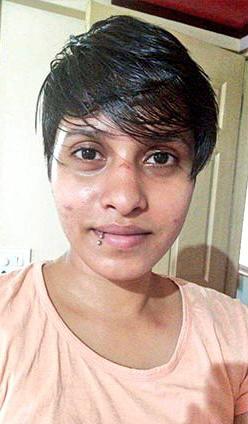
Previously, a picture of Shraddha with slight bruises on her nose and in close proximity to her appropriate eye was also shared by her close friends with neighborhood media in Mumbai.
They claimed that she was hospitalised immediately after the assault by Aftab.
“She utilised to complain about Aftab and his habit. He would generally struggle with her and defeat her far too,” claimed Shraddha’s good friend Rahul Rai though talking to ANI.
Aftab is accused of strangling his dwell-in partner Shraddha Walker and chopping her overall body into 35 parts. The accused was allegedly high on cannabis when he dedicated the criminal offense, sources mentioned.
He was arrested on Saturday soon after Delhi law enforcement started probing into a missing grievance submitted by Shraddha’s father Vikas Walker.
In accordance to the sources, the East Delhi Law enforcement had observed a chopped head and hand in the Trilokpuri spot of Pandav Nagar law enforcement station spot of the national funds in June this yr, which was approximately a thirty day period immediately after Shraddha was murdered (on May well 18).
Law enforcement investigation unveiled that the pair experienced a battle on Might 18 through which Aftab killed Shraddha.
Delhi Law enforcement resources said the Could 18 quarrel was not the initial time, Aftab and Shraddha ended up fighting for 3 years.
Delhi Police resources experienced on Thursday explained that the accused Aftab Poonawalla experienced charred his reside-in partner’s experience to disguise her identification.
He initially chopped her overall body into 35 items and then burnt her facial area so that it turns into unidentifiable even if the entire body sections have been found.
“Throughout the interrogation, Aftab revealed that he had learnt about all this on the world-wide-web, and also about how to disguise the physique from everyone’s arrive at,” the resources reported.
On Friday, a workforce of 3 senior police officers arrived at Mumbai to examine the scenario, and begun listing good friends and family members customers of Aftab and Shraddha to report their statements.
Yet another crew of Delhi police was carrying out searches in DLF Period-3 area of Gurugram to uncover the remaining pieces of the deceased’s physique.
Press launch from the California Division of Community Overall health (CDPH):
The California Section of Community Wellbeing (CDPH)…released current direction for the use of deal with masks, utilizing the federal group COVID-19 stages to advise statewide masking suggestions. The local community stages established by the Facilities for Disease Control and Avoidance (CDC) assist men and women and communities determine which prevention steps to choose for COVID-19 dependent on data that classifies communities as reduced, medium, or large threat.
The state’s up to date steering also enables sure congregate settings, like correctional amenities, homeless and emergency shelters, and cooling centers to make masks optional when neighborhood COVID-19 concentrations are reduced.
These masking variations get effect this Friday, September 23 and do not have an effect on health and fitness care and long-time period treatment settings.
“This change in masking is dependable with California’s SMARTER Program and provides Californians the information and facts they ought to contemplate when determining when to have on a mask, which include the level of distribute in the local community and personal danger,” reported CDPH Director and Condition Community Overall health Officer Dr. Tomás Aragón.
In this article are the new CDPH masking suggestions primarily based on group COVID-19 amounts:
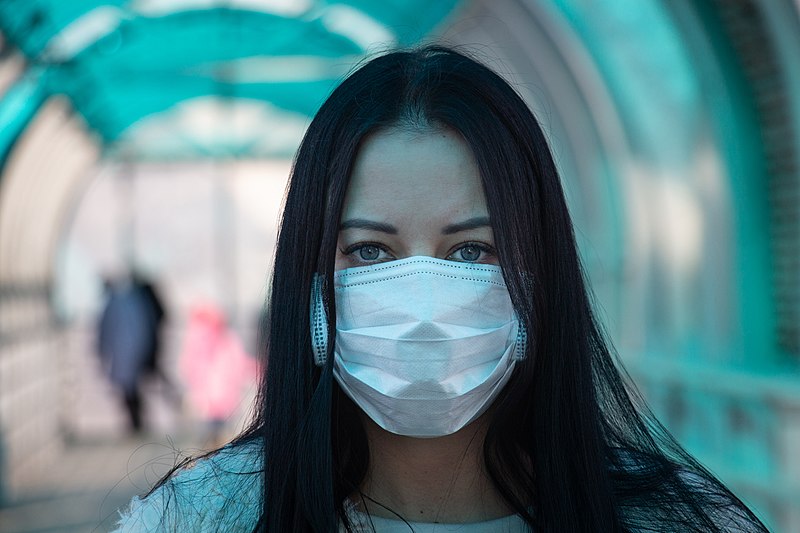
When neighborhood stages are small, CDPH advises all those at reduce risk for serious health issues to dress in a mask primarily based on their personalized preference and specific stage of possibility and those people at greater danger for serious sickness to contemplate putting on a mask in crowded indoor general public sites.
When local community stages are medium, CDPH advises individuals at lower danger for significant health issues to take into consideration wearing a mask in crowded indoor community areas. Carrying a mask is encouraged in crowded indoor community places for those people at bigger chance for intense health issues.
When community degrees are substantial, CDPH endorses all these at reduce risk of critical ailment wear a mask in crowded indoor public sites and strongly recommends those people at increased risk for intense health issues to put on a mask in indoor general public locations.
Californians at bigger danger for extreme illness, together with men and women who are unvaccinated, immunocompromised, have certain disabilities or fundamental well being situations, need to take excess COVID-19 safety measures.