
What to Eat for Better Management

What to Eat for Better Management

Knowing what to eat when you have irritable bowel syndrome (IBS) is challenging. Since no two people are alike, there is no one-size-fits-all IBS diet recommendation.

People with diarrhea-predominant IBS (IBS-D) may not have the same triggers as those with constipation-predominant IBS (IBD-C). Even within each subtype, identifying and avoiding the foods that set off IBS symptoms will be different for everyone.

With that said, there are several diet approaches that appear to provide relief for the various IBS subtypes. Some may require tailoring to ensure sustained relief, but, with a little patience and some trial and error, you’ll eventually find the eating plan that can help keep your IBS symptoms under control.

This article discusses what to eat to manage IBS. It explains common recommendations for an IBS diet, including a low-FODMAP diet and gluten-free diet.

How to Avoid FODMAPs to Lessen IBS

Dietary Recommendations for IBS

IBS is a complex disease, so there’s not just one ideal diet plan. Most clinicians recommend a two-stage approach:

  1. First, stick to a regular meal pattern while reducing insoluble fiber, alcohol, caffeine, spicy foods, and fat. Make sure to get regular exercise and drink plenty of fluids to avoid dehydration.
  2. If these interventions don’t provide relief, the next step would be to try a low-FODMAP or gluten-free diet. This should be explored under the guidance of a qualified healthcare professional.

Additional steps may be needed if you still have symptoms. This could involve identifying and avoiding food triggers, including those that cause allergies or food intolerances. Check with a dietitian or nutritionist to make sure you’re meeting your daily nutritional goals.

Laura Porter / Verywell


Low-FODMAP Diet for IBS

FODMAP (fermentable oligosaccharides, disaccharides, monosaccharides, and polyols) are short-chain carbohydrates found in many foods. They tend to ferment and increase the volume of liquid and gas in the small and large intestines.

Excessive consumption of FODMAPs can lead to flatulence, bloating, and abdominal pain. Given that these are hallmarks of IBS, it makes sense that eliminating high-FODMAP foods would help prevent or ease these symptoms. The diet can be challenging, as many common foods are high in FODMAPs.

There are five types of FODMAPs:

  • Fructans (found in wheat, onions, garlic, barley, cabbage, and broccoli)
  • Fructose (found in fruit, honey, and high-fructose corn syrup)
  • Galactooligosaccharides (found in legumes and beans)
  • Lactose (found in milk and other dairy foods)
  • Polyols (found in stone fruits, sweet potatoes, apples, and celery)

A low-FODMAP diet is designed in two phases as part of an elimination diet:

  • Phase 1: Foods high in FODMAPs are restricted for a short period of time, generally between three to six weeks.
  • Phase 2: The foods are reintroduced into the diet, one FODMAP type at a time, to assess your tolerance to each.

The American College of Gastroenterology (ACG) recommends this be done under the guidance of a properly trained gastrointestinal nutritionist. If that’s not possible, they urge healthcare providers to give you high-quality materials to help guide you through it in a medically responsible way.

Studies found that approximately 75{35112b74ca1a6bc4decb6697edde3f9edcc1b44915f2ccb9995df8df6b4364bc} of people with IBS who attempted a low-FODMAP diet experienced significant symptom relief.

Gluten-Free Diet for IBS

Many people with IBS will report an improvement in symptoms when they eliminate gluten from their diet, even if they do not have celiac disease. Gluten is a protein found in foods that contain cereal grains such as wheat, rye, and barley.

The notion that gluten plays a role in IBS is subject to debate. On the one hand, there are scientists who contend that IBS is a form of non-celiac gluten sensitivity, a poorly understood disorder similar to celiac in which gluten triggers adverse gastrointestinal symptoms. Others argue that the FODMAP fructan, rather than gluten, is the problem.

If a low-FODMAP diet is unable to provide relief, a gluten-free diet may be attempted to see if your symptoms improve. If so, gluten intake may be increased to see how much of the protein you can reasonably tolerate. This may allow you to eat a wider range of foods without such strict dietary controls.

A gluten-free diet is defined as having less than 20 parts per million (ppm) of gluten per day. A low-gluten diet generally involves less than 100 ppm of gluten.

Before starting a gluten-free diet, it is important to test for celiac disease by serological testing, Transglutaminase IgA antibody, and total IgA levels. If patients have low IgA levels (approx 2-3{35112b74ca1a6bc4decb6697edde3f9edcc1b44915f2ccb9995df8df6b4364bc} of the population), then the Deamidated gliadin peptide IgG antibody is used for screening. If the serological tests are equivocal, then genetic testing is the next step.

If your symptoms do not fully resolve with a low-FODMAP or gluten-free diet, your healthcare provider may investigate whether you have specific food allergies or food intolerances. Such a diagnosis may require testing and the input of an allergist. Your diet, then, would need to be further adjusted accordingly.

Foods for IBS-C

To ease chronic IBS-associated constipation, you will almost inevitably need to eat more fiber. It is important to increase the intake gradually to allow your body time to adjust. Generally speaking, soluble fiber is better tolerated by people with IBS than insoluble fiber.

You will also need to eat foods that contain healthy polyunsaturated or monounsaturated fat. Foods that are high in saturated fat and sugar are known to promote constipation.

IBS-C: Compliant Foods

  • Whole-grain bread and cereals

  • Oat bran

  • Fruits (especially apples, pears, kiwifruit, figs, and kiwifruit)

  • Vegetables (especially green leafy vegetables, sweet potato, and Brussels sprouts)

  • Beans, peas, and lentils

  • Dried fruit

  • Prune juice

  • Non-fat milk (in moderation)

  • Yogurt and Kefir

  • Skinless chicken

  • Fish (especially fatty fish like salmon and tuna)

  • Seeds (especially chia seed and ground flaxseed)

  • Clear soups

IBS-C: Non-Compliant Foods

  • White bread, pasta, and crackers

  • Unripe bananas

  • Persimmons

  • Fast or fried foods

  • Baked goods (cookies, muffins, cakes)

  • White rice

  • Full-fat cream and dairy (including ice cream)

  • Alcohol (especially beer)

  • Red meat

  • Potato chips

  • Chocolate

  • Creamy soups

Foods for IBS-D

If your IBS symptoms involve diarrhea, it is best to stick with bland foods, especially if your symptoms are severe. Fatty, greasy, or creamy foods are to be avoided as they can speed up intestinal contractions, causing cramping and runny stools.

Avoid insoluble fiber, which draws water from the intestine, making stools loose or watery. Though you should make every effort to eat fruits and vegetables, it is best to limit your intake of fiber to less than 1.5 grams per half-cup during acute episodes.

IBS-D: Compliant Foods

  • White bread, pasta, and crackers

  • Whole grains (unless you are gluten intolerant)

  • White rice

  • Oatmeal

  • Skinless chicken

  • Lean meat

  • Lean fish (like halibut, flounder, and cod)

  • Eggs

  • Boiled or baked potato

  • Beans, peas, and legumes

  • Bananas

  • Rice milk, almond milk, or coconut milk

  • Low-fat lactose-free milk

  • Low-fat probiotic yogurt (in moderation)

  • Unsweetened clear fruit juice

  • Hard cheeses (in moderation)

  • Applesauce

  • Tofu

IBS-D: Non-Compliant Foods

  • Fast or fried foods

  • Foods high in sugar (e.g., baked goods)

  • Fatty meats (e.g., bacon and sausage)

  • Processed meats (e.g., hot dogs and lunchmeat)

  • Sardines and oil-packed canned fish

  • Cruciferous vegetables (e.g., cauliflower, broccoli, cabbage, and Brussels sprouts)

  • Salad greens and raw vegetables

  • Bean, peas, and legumes

  • Citrus fruits

  • Caffeine

  • Milk and dairy products (e.g., butter and soft cheeses)

  • Carbonated drinks

  • Sweetened juices and fruit nectars

  • Alcohol

  • Dried fruits

  • Miso

  • Artificial sweeteners (sorbitol and xylitol)

Other Recommendations

Once you find the right diet for you, it’s important to stick with it. Unlike some eating plans, IBS diets are generally intended for a lifetime and often require you to make significant lifestyle changes.

This may not only include avoiding alcohol, caffeine, and fatty foods, but also regular exercise to normalize bowel function and lose weight. A diet alone can often fall short in controlling IBS symptoms if you remain inactive and/or overweight.

At present, there is no indication that a low-FODMAP diet or gluten-free diet can be used on an “as-needed” basis to treat acute symptoms. With that said, you may want to increase your intake of certain foods if you have diarrhea or eat extra prunes or bran on days when constipation symptoms are acute.

Meal Timing

Many people with IBS find that eating smaller, more frequent meals places less stress on the digestive tract than sitting down for three large meals. Doing so ensures that the bowels move regularly and gently, as opposed to suddenly being full and then having nothing in them for five to six hours straight.

However, some people with IBS-D may be advised to eat a substantial breakfast or sip coffee first thing in the morning to stimulate a bowel movement (referred to as a gastrocolic reflex). Doing so may keep you regular throughout the day. Taking a short walk after eating also helps, as can sitting in a chair during meals rather than slouching on the sofa.

How you eat plays a role in whether you experience IBS symptoms or not. Eating slowly with concerted pauses between bites can reduce the amount of air you swallow during a meal.

The same applies to eating on the run, sipping drinks through a straw, and chewing gum, each of which introduces air into the stomach and increases the risk of gas, bloating, and stomach pain.

Cooking Tips

When embarking on an IBS diet, the number-one rule is to avoid any deep-fat frying. As much as you may enjoy French fries, donuts, or fried chicken, these types of foods are banned whether you have IBS-C or IBS-D.

Instead, grill, roast, or pan-fry meats with as little oil as possible. One trick is to spray oil onto the meat rather than pouring oil into the frying pan. You can also lightly sear meat, chicken, or fish to get a nice crust and then finish it off in a hot 425-degree oven for a few minutes, just like restaurants do. An air fryer may also be a good investment.

Vegetables

Steaming vegetables make them more digestible, especially if you are prone to diarrhea. If you love salads but find them hard to digest, look for cooked salad recipes (like a Mediterranean Heart of Palm Salad or a Grilled Eggplant Salad). Peeling vegetables, tomatoes, and fruit also makes them more digestible.

Instead of salad dressings or sauces, use a squeeze of lemon or lime, some chopped fresh herbs, or a mild tomato or mango salsa to flavor foods.

Beans

To reduce gassiness from canned beans, rinse them thoroughly and allow them to soak in a bowl of cold water for 30 minutes. If starting from scratch, soak the dried beans twice—first in hot water for a couple of hours, then in cold water overnight—before cooking them slowly in fresh water until very soft.

Some people claim that adding ground ajwain (a type of caraway) or epazote (a Mexican herb with a pine-like aroma) can dramatically reduce the gassiness of beans as they cook. While there’s no proof of this, it can’t hurt to try it.

Special Considerations

Diets as restrictive as the low-FODMAP and gluten-free diet can be difficult to sustain. They require a commitment on your part as well as buy-in from your family. By focusing on the benefits to your health and well-being rather than the foods you’re deprived of, you can learn to cope with the challenges of the diet and begin to normalize IBS in your life.

Health Concerns

Both the low-FODMAP and gluten-free diets have their benefits and shortcomings. Both are considered safe in adults as long as the daily recommended intake (DRI) of protein, carbohydrates, and nutrients is met. With that being said, nutritional deficiencies are common due to the diets’ lack of whole grains, dairy, and other important food groups.

For the most part, the diets can be used safely in people with diabetes and hypertension (high blood pressure) since many of the foods are considered beneficial to these conditions.

Both diets require a period of adjustment, during which time you may experience short-term side effects like tiredness or bloating. Most of these resolve over time, although some (like food cravings) take a concerted effort to control. The greater concern is the long-term impact of these diets on your health.

Pregnancy

Nutritional demands increase during pregnancy, and following these diets may not meet your dietary needs. Both low-FODMAPs and gluten-free diets eliminate wheat and may be low in:

  • Iron
  • Folate
  • Fiber
  • Calcium
  • Thiamine
  • Riboflavin
  • Niacin

All of those nutrients are necessary for normal fetal development. While prenatal vitamins can help overcome these deficiencies, these shortcomings demonstrate how detrimental these diets can be if left unsupervised.

Children

The above-mentioned nutrient deficiencies are one of the reasons why low-FODMAP and gluten-free diets are used with extreme caution in children who otherwise need a healthy, balanced diet to ensure normal growth and development.

In children, a low-FODMAP diet is only used with a confirmed IBS diagnosis and a lack of response to conservative therapies. Similarly, a gluten-free diet should only be used in children who are positively diagnosed with celiac disease or non-celiac gluten intolerance.

Risk of Eating Disorders

Beyond the aforementioned risk of nutritional deficiencies, some scientists are concerned that restrictive diets like these (particularly those used without medical motivation) can lead to disordered eating. This was evidenced in part by a 2017 study from Sweden in which young girls with celiac disease were 4.5 times more likely to have anorexia than those without.

Altered Gut Flora

Others question whether the long-term use of restrictive diets might permanently alter the gut flora, increasing the risk of bowel infection.

Heart Health

There is even evidence that certain food restrictions can affect heart health. A 2017 study in the BMJ Clinical Research suggested that the avoidance of gluten in people without celiac disease increases the risk of cardiovascular disease due to the lack of beneficial whole grains.

Sustainability and Practicality in the Real-World

One of the common drawbacks to the low-FODMAP and gluten-free diets is the impact they have on one’s social life.

A 2018 review of studies in Gastroenterology & Hepatology reported that persistent dedication to a restricted diet contributes to increased rates of social isolation as well as feelings of anxiety and inadequacy if adherence to the diet falls short. Luckily, there are ways around some of these concerns.

Dining Out

Unlike previous decades, gluten-free dining options have increased considerably, making it easier to dine out with friends, families, and work associates. Some casual dining chains have even gotten in on the act.

Even if a restaurant isn’t gluten-free or doesn’t have low-FODMAP options, you can check the online menu before you arrive and usually find something you can eat. Some restaurants may even make accommodations if you call far enough in advance and advise them of your dietary concerns.

Food Preparation

Home cooking has obvious health advantages but is especially valuable if you have IBS, as it provides you full control over your ingredients. The advent of low-FODMAP and gluten-fee cooking has inspired food bloggers to post their favorite recipes online, many of which are good for the family as well as friends.

For those who are too busy to cook, there is a growing number of meal kit delivery services that specialize in gluten-free foods as well as several that have started to offer low-FODMAP options.

Cost

Another issue is the typically higher cost of gluten-free and low-FODMAP foods at grocery stores.

A 2018 study from the United Kingdom reported that gluten-free foods were 159{35112b74ca1a6bc4decb6697edde3f9edcc1b44915f2ccb9995df8df6b4364bc} more expensive than their regular counterparts. This can make the cost of gluten-free eating prohibitive (although the costs can usually be reduced by avoiding packaged foods and eating real foods prepared at home).

By contrast, low-FODMAP packaged foods are relatively difficult to find, with only a handful of specialty producers (Rachel Pauls Food and Fody) offering snacks, spices, dressings, and soup bases. These also tend to be quite costly.

Support and Community

It is hard to go it alone if you decide to start an IBS diet. As much as you may want to avoid “burdening” your family with your decision, you may find it harder to cope if you isolate them from what you are going through.

Instead, make them a part of the process by educating them about what IBS is and how the diet is meant to help. In some cases, it may open the door to making positive changes to your entire family’s diet, rather than ones that only benefit you. Looping them in also means you are more likely to gain their support and less likely to be sabotaged by those who might dismiss the diet as a “fad.”

If you are struggling to cope with the diet, let your healthcare provider know so that adjustments can be made. You should also seek support from others who have experienced what you are going through.

There are plenty of IBS support groups on Facebook as well as community forums offered by the non-profit IBS Patient Support Group. Your healthcare provider may also know about live IBS support groups in your area.

There are even low-FODMAP apps and gluten-free apps that can help keep you on track if you need support, encouragement, or inspiration.

Summary

The relationship between food and IBS is a complex one, but there are changes you can make in both how you approach meals and the foods you choose to eat. A smart eating strategy can dovetail nicely with the medical treatment you receive from your healthcare provider to relieve and control IBS symptoms.
8 Foods Cardiologists Never Eat

8 Foods Cardiologists Never Eat

Cardiologists see firsthand what a terrible diet regime can do to your coronary heart.

More than 600,000 individuals die of cardiovascular disorder in the U.S. every yr — the major induce of dying for both guys and ladies, according the Centers for Condition Command and Avoidance.

Even heart health professionals them selves can go through a coronary heart attack.

Would not you like to reduce your chance?

Hippocrates famously reported, “Let foods be thy medicine,” and that applies to heart health and fitness: Diet program is exceptionally essential, pointed out Dr. Andrew Freeman, director of cardiovascular prevention and wellness at Countrywide Jewish Health and fitness in Denver, Colorado, and a member of the American College or university of Cardiology’s Avoidance of Cardiovascular Illness Area Management Council.

“If you go to components of the globe in which they have not been exposed to a Western life-style, meaning a sedentary way of life and consuming processed food items, coronary heart illness is in quite constrained existence,” Freeman told Currently.

However, it may perhaps not generally be feasible to remove dilemma meals, so moderation and portion control are critical.

“There is not a food items that will preserve your existence … And there is not just one which is likely to eliminate you. It is about harmony,” explained Dr. Sharonne Hayes, professor of cardiovascular drugs and founder of the Women’s Heart Clinic at the Mayo Clinic in Rochester, Minnesota.

“So the occasional Cheeto or piece of cheesecake isn’t heading to destroy you, but it genuinely is what you try to eat and how a great deal you try to eat that’s so significant.”

Today questioned Freeman and Hayes to share some of the leading food items they attempt to steer clear of or restrict for optimal health. In this article are 8 of the goods on their lists:

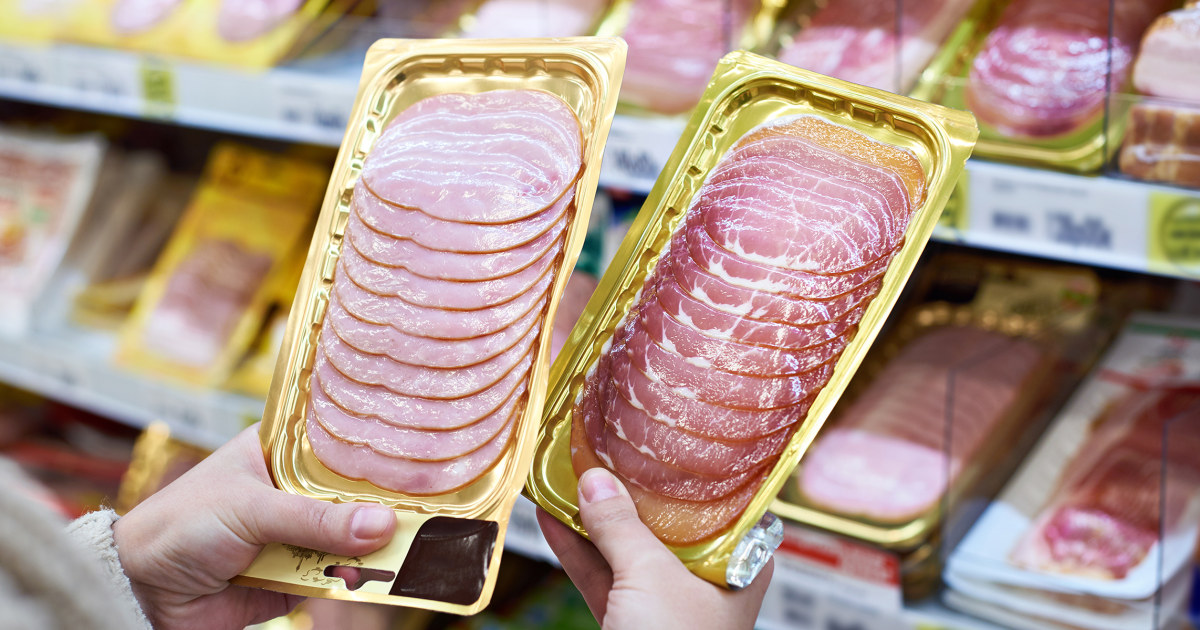
1. Bacon, sausage and other processed meats

Hayes, who has a family members record of coronary illness, is a vegetarian. But even ahead of she stopped having animal protein some 25 many years ago, she prevented processed meats because they are higher in energy, saturated excess fat, salt and have added components like nitrates.

It’s not only coronary heart health and fitness that may perhaps be afflicted by overindulging in sizzling canine, salami, bacon, ham and jerky: The World Wellness Business has established consuming processed meats will cause cancer, Freeman pointed out.

2. Potato chips and other processed, packaged treats

Continue to be absent from the little pouches of salty, crunchy carbs you could possibly experience in a vending device, the medical professionals advised.

“Our lifestyle values benefit, which is fantastic, but convenience does not mean you have to eat packaged processed food items with extra sugars and salt,” Freeman stated. “Nature has supplied for us the actual meals we need to be having we just need to consume them.”

All those uncomplicated, portable, natural food items include things like apples, carrots and other fruits and vegetables — all fiber-wealthy, nutrient-comprehensive choices.

Hayes agrees with several nutritionists that basic carbs — located in chips, breads and crackers — are a greater problem than fats. Look for ways to enhance the complexity of what you try to eat, in phrases of grains and other nutrients, she recommended.

3. Dessert

Delight in extra sugars in very limited portions, if at all, Freeman observed.

When it will come to desserts like pies, ice cream and candy bars, Hayes indulges after a 7 days at most and retains her portion little to limit calories. Her most important intention is to retain a healthier weight: She’s weighed about the similar for the past 30 many years.

4. Too a lot protein

“We feel to be obsessed with protein in this country,” Freeman mentioned. “It’s not unusual to see folks obtaining two times as substantially protein as they may perhaps have to have in a working day and that taxes the kidneys and may well lead to additional challenges down the road.”

One more problem is that the further protein typically arrives from meats high in saturated fat, which may well increase LDL or poor cholesterol, and comes at the expenditure of other food stuff groups, the American Heart Affiliation warns.

So really do not overdo it and decide for plant protein, both equally medical practitioners encouraged.

5. Fast meals

It is been many years considering the fact that Hayes has had any rapid food items. Some chains enable you concoct a reasonably healthier item with fresh new greens, but most burger and hen speedy meals dining establishments need to be avoided “because there’s pretty much very little on the menu that’s wholesome for you,” she claimed. Even the objects that are not fried are commonly substantial in simple carbs.

6. Electrical power beverages

Freeman said he avoids them mainly because they consist of additional sugar, in addition components that could potentially induce problems like high blood force or arrhythmia.

That does not necessarily mean you really should skip caffeine. It is fairly healthful to drink tea or coffee in moderation each and every working day, he explained. Just look at what you set in your cup: Black espresso can turn into a calorie bomb if you increase sugar, whipped product, caramel and other toppings.

7. Added salt

There’s pretty much no American who doesn’t get too much salt in their diet plan, Hayes mentioned. It’s not uncommon for a person to get a few or 4 occasions the proposed day by day sum, Freeman extra. Added salt lurks in merchandise you could not understand: cereal, a pickle that will come with your sandwich or a chicken breast that’s been brined to remain juicy and moist.

Examine the labels and be knowledgeable of how substantially sodium you are using in. You want salt to reside, but a higher-sodium diet raises blood stress.

It has far more saturated unwanted fat than lard, Freeman stated.

“It’s employed in some studies to induce atherosclerosis — sludge in the pipes, if you will, in rats and other animals,” he famous. “It works terrific topically — it’s a great moisturizer for hair and pores and skin — but I wouldn’t consume as well considerably of it.”

What Foods To Eat And Avoid

What Foods To Eat And Avoid

Weight decline with Ozempic or Wegovy will come with a logical, but likely jarring adjust in eating patterns.

Both equally medicines incorporate semaglutide, which mimics a hormone that tells the brain you’ve experienced a meal. Sufferers getting the medication truly feel less hunger and they can expertise aspect results these types of as nausea, influencing how much foods they can tolerate.

Jeannine DellaVecchia suggests she would often drive herself to try to eat when she was having Ozempic mainly because she would have “absolutely no urge for food,” was “completely nauseous” and “vomiting all the time.”

“Some days, I would have omelets just to check out to get a little something into me,” DellaVecchia, 40, who will work for a hospital in Philadelphia, Pennsylvania, tells Nowadays.com.

“You never truly feel like eating… it just was not superior for me.”

The weight loss is visible on Jeannine DellaVecchia's face.
The pounds decline is noticeable on Jeannine DellaVecchia’s face. Courtesy Jeannine DellaVecchia

DellaVecchia was prescribed the Style 2 diabetic issues treatment method Ozempic to handle indicators related to insulin resistance brought about by congenital adrenal hyperplasia and polycystic ovary syndrome. Body weight loss was not a priority though she claims she was intrigued that the drug may also enable her slim down.

It did just that, with DellaVecchia getting rid of 30 pounds involving August 2022 and February 2023, when she stopped having the drug mainly because she could not tolerate the side outcomes, she states. DellaVecchia is now continue to at her most affordable pounds of 152 pounds and attempting to manage the bodyweight loss with a healthful diet program and the support of her registered dietitian, Emily Rubin.

“I have viewed patients with chronic nausea and vomiting on (semaglutide), which can trigger dehydration and malnutrition if you simply cannot get ample energy or fluids daily,” Rubin, director of clinical dietetics in the division of gastroenterology and hepatology at Thomas Jefferson University Healthcare facility in Philadelphia, tells Currently.com.

How to take in whilst using Ozempic and Wegovy

Wegovy, which is authorized for body weight decline by the U.S. Foods and Drug administration, should really be used in addition to a reduced calorie diet and increased bodily activity, the company notes. Ozempic is not approved for fat reduction by the Food and drug administration, while lots of men and women are making use of it off-label for that intent.

Clients attempting to reduce pounds with possibly drug must function with a dietitian for a guided meal plan, but in basic, they should really goal to take in 1,200 to 1,800 energy a day relying on their preliminary pounds, Rubin suggests. A rule of thumb is that consuming 500 much less energy a day than usual will direct to a fat loss of about 1 pound a week, she provides.

Try to eat a whole lot of different greens and healthful proteins as the foundation of your food plan, advises Dr. Louis Aronne, an obesity drugs medical professional and director of the In depth Excess weight Control Middle at Weill Cornell Medicine and NewYork-Presbyterian.

“We’ve completed scientific tests displaying that if you take in vegetables and protein very first, and then have carbs towards the finish of the food, it truly is effective to your blood sugar, likely for your excess weight as perfectly,” Aronne, who is a scientific adviser for Novo Nordisk, the enterprise that tends to make Ozempic and Wegovy, tells Now.com.

“The cornerstone of the diet plan has to be genuine food… balanced foods.”

The most perfect circumstance would be to dedicate to eating much healthier food items as semaglutide is reducing hunger and cravings for harmful selections, states Dr. Zhaoping Li, professor of medicine and main of the division of medical nutrition at the University of California, Los Angeles.

“You can have the opportunity to make the correct decisions — to eat superior food stuff,” Li tells Now.com. “There’s nothing at all far better than you not only shedding weight, but also in general feeding on much healthier food stuff.” 

For those on the drug, Rubin suggests rising your intake of lean protein these as rooster, turkey, fish, eggs, beans, soy and small-fats dairy. If you have no urge for food or nausea, try reduced-calorie protein drinks, she adds.

She advises a minimal of 60 grams (about 2 ounces) of protein for each working day, preferably unfold out over foods and snacks. Protein preserves muscle mass and presents amino acids necessary for expansion and advancement, claims dietitian Kristin Kirkpatrick.

Greens and fruits, which are full of vitamins, minerals and fiber, are essential for a healthy excess weight-reduction plan, Rubin notes. She also endorses 1 to two each day servings of healthier fat this kind of as avocados, nuts and seeds.

Select a small amount of entire grains — a 50 percent-cup serving for each food — these as full-wheat pasta, whole-wheat tortillas, quinoa or sweet potato, Rubin advises. These are complex carbs that are superior in fiber.

How to manage nausea even though using Ozempic and Wegovy

The most popular aspect consequences of Ozempic and Wegovy include things like nausea, diarrhea, vomiting, tummy suffering and constipation, in accordance to Novo Nordisk.

Rubin recommended people to discuss to their doctor about any bothersome signs and focus on the finest dose of each drug to reduce facet consequences.

Individuals get started with the cheapest dose and slowly function their way up to better doses, Aronne claims. Physicians know how to take care of the problem of nausea, he provides.

Some individuals acquire anti-nausea prescription drugs, but Li cautioned towards getting one more drug. Most anti-nausea medicines have significant aspect consequences, she notes.

“We connect with (nausea) a facet result, but really that is how the drug could function — by creating you experience you never want to take in,” Li suggests.

Normally, if the dose is lifted little by little and medical practitioners advise people to not consume past the stage of fullness and to discover which foods may well exacerbate their signs and eat considerably less of people, the side outcomes are well tolerated, suggests Dr. Ania Jastreboff, director of body weight administration and obesity avoidance at the Yale Tension Middle in New Haven, Connecticut. She serves on the scientific advisory board for Novo Nordisk.

For case in point, DellaVecchia likes hoagies, but if she would consider to take in one, it would make her ill, she claims. A better choice was yogurt with almonds, peanuts and some cinnamon, which she located delectable and filling.

Another Ozempic client earlier explained to Now.com that greasy meals in standard was “really tough” for her to take in after starting the medicine.

Li points out that’s not a bad detail.

“If they really feel nauseated with significant-unwanted fat foodstuff, that is actually excellent, proper? We don’t want saturated unwanted fat. We never want much too substantially oil. That is very good,” Li suggests.

“There are also individuals who feel sweets are not as satisfying as they utilized to be. I would say, Okay, wonderful with that as effectively. If you’re not really taking pleasure in your common American diet — that can be either extremely-processed carbs or large-fat eating plan — that’s a good factor.”

If a affected individual nevertheless encounters a ton of aspect effects immediately after altering the foodstuff they consume or how significantly they take in, it may well be time to back down on the dose of semaglutide, Li says. 

Rubin supplied these guidelines to minimize nausea:

  • Continue to be hydrated by ingesting eight cups of fluids this sort of as water or calorie-cost-free electrolyte beverages per working day.
  • Consume ginger or peppermint tea.
  • Test ginger chews or capsules.
  • Try to eat smaller, much more recurrent foods.
  • Never take in or cook dinner solid-smelling food stuff.
  • Avoid very hot, fried or greasy foods.
  • Really don’t try to eat way too rapidly and really do not have a massive consume with foods.
  • Really don’t lie down shortly right after eating.
  • Don’t don tight clothing all around your waistline.

Novo Nordisk experienced these extra suggestions:

  • Consume bland, minimal-body fat foodstuff, like crackers, toast and rice.
  • Consume food items that comprise water, like soups and gelatin.
  • Go exterior for fresh new air.

DellaVecchia says as soon as she stopped taking Ozempic, the starvation arrived again. She’s been able to sustain her body weight loss so far.

What To Eat For PCOS: 5 Quick And Easy Diet Tips Shared By Expert

What To Eat For PCOS: 5 Quick And Easy Diet Tips Shared By Expert

PCOS (or Polycystic Ovarian Syndrome) is a prevalent life-style affliction that tens of millions of gals deal with just about every day. Its symptoms consist of irregular intervals, menstrual cramps, facial hair expansion, body weight get or even temper swings. Thankfully, PCOS can be managed with the suitable variety of diet regime. Just a several tweaks and changes can go a extended way in avoiding the indications of PCOS from flaring up. Lately, celeb nutritionist Lovneet Batra took to Instagram to share what all you must eat if you are identified with PCOS. These fast and easy eating plan suggestions should really demonstrate practical in the extended operate to regulate PCOS and retain menstrual issues at bay. Take a glimpse at the comprehensive online video listed here:

(Also Read: 7 Healthful Having Practices For Gals With PCOS)

“Polycystic ovary syndrome (PCOS) is the most frequent feminine endocrinopathy, affecting as quite a few as 15{35112b74ca1a6bc4decb6697edde3f9edcc1b44915f2ccb9995df8df6b4364bc} to 18{35112b74ca1a6bc4decb6697edde3f9edcc1b44915f2ccb9995df8df6b4364bc} of gals of reproductive age,” she wrote in the caption. She more exposed that the sickness can be managed with attention to diet regime and life style things. The plan is to endorse glucose tolerance and cut down weight as substantially as doable, prompt Lovneet Batra.

So, if you are tackling PCOS and thinking what to try to eat – these brief and easy diet regime strategies will absolutely arrive in handy.

Right here Are 5 Fast And Quick Diet regime Suggestions For PCOS Management:

  1. Fruits and veggies are very important for excess weight loss and PCOS management as well. Lovneet Batra suggests consuming at the very least 5 portions of fruit or veggies each individual day. This offers the overall body with the requisite fibre content. “Purpose to get at minimum 35-40grams superior fibre food plan,” she said.
  2. Protein also will make for an great addition to the PCOS diet plan. The bigger your protein articles, the improved your satiety and insulin sensitivity.
  3. Attempt to prohibit the extra fat articles in your diet. “Consume not much more than 30{35112b74ca1a6bc4decb6697edde3f9edcc1b44915f2ccb9995df8df6b4364bc} of every day energy as nutritious fat (ghee/avocado/olive oil), limiting saturated fat to and <10{35112b74ca1a6bc4decb6697edde3f9edcc1b44915f2ccb9995df8df6b4364bc} total calories," suggested Batra in the post.
  4. The nutritionist also highly recommended omega-3 fatty acids for PCOS patients. Touting them to be a superfood, she said, “They improve fertility, regulate hormones, improve insulin sensitivity, and help reduce the growth of facial hair!”
  5. Lovneet Batra further said that sugar was best avoided for those tackling PCOS. This is because sugar causes inflammation and also spiked insulin levels in the body.

Always remember to consult a qualified dietitian or nutritionist before making any major changes to the diet.

Highlighted Video Of The Working day

Honey Chilli Rooster Popper Recipe | How To Make Honey Chilli Chicken Popper

About Aditi AhujaAditi enjoys chatting to and assembly like-minded foodies (specially the form who like veg momos). Plus points if you get her undesirable jokes and sitcom references, or if you advise a new location to try to eat at.

Tips to beat ‘food guilt’ and make peace with what you eat this festive season

Tips to beat ‘food guilt’ and make peace with what you eat this festive season

SINGAPORE — With social events back in swing during the festive season, eating more than usual is a given. However, food guilt can add negativity and stress to an otherwise joyful occasion. 

If you feel bad after a meal and think, “I shouldn’t have eaten that” or “Why did I indulge so much today”, you may be experiencing food guilt.

This is the feeling of having done something wrong over what you have consumed, particularly if the food is deemed unhealthy.

Principal dietitian Bibi Chia from Raffles Diabetes and Endocrine Centre believes that such negative feelings about food is prevalent among adults in Singapore.

Citing a study on disordered eating patterns done here on almost 800 adults aged 21 to 77, Ms Chia said that around 6 per cent of the adults screened positive for a current clinical eating disorder and more than a third (37 per cent) had other feeding or eating disorders.

About a fifth (19.5 per cent) were at high risk of developing one.

The study was published last year in the International Journal of Eating Disorders.

“Our relationship with food is complicated and it is built from a young age,” Ms Chia said.

Childhood experiences of food can shape how people think and feel about food and what they eat.

For example, research published in the Journal of Academy of Nutrition and Dietetics in 2010 found that when parents restricted children’s access to palatable snack foods, they are more likely to consume those restricted foods even if they were not hungry but also experience negative feelings about it.

This holiday season, manage food guilt and be at peace when sharing meals with loved ones.

Check out the following tips from Ms Chia, as well as Ms Melody Chong, a health coach in private practice.

WHY FOOD GUILT IMPAIRS YOUR HEALTH GOALS

Feeling guilty about eating that extra slice of cake or serving of pudding is unlikely to motivate you to eat better.

It is more likely to do the opposite.

For example, people who associate chocolate cake with guilt rather than celebration were more likely to feel that their eating was out of control and were less confident about eating healthier in the future.

This was from a study published in Appetite, an international research journal specialising in cultural, social, psychological, sensory and physiological influences on food.

Those who reported having food guilt were also less likely to lose weight over a three-month period. They had difficulty maintaining weight over 18 months.

HOW TO BEAT FOOD GUILT

Even if you are on a healthy diet plan, there is no reason why you cannot enjoy festive treats or snacks without feeling bad about it.

Just eat them less frequently and in smaller quantities.

Or simply buy less of these foods so that there are fewer visual cues reminding you to snack — out of sight, out of mind.

Eating a bag of chips may seem “unhealthy” to some people, but there are chips made of healthier oils, Ms Chia said.

When eating or snacking, it can be done healthily when you take into account “what”, “when” and “how much”.

This is better than restricting yourself and then later indulging in greater amounts when temptations arise.

A snack under 100 to 150 calories between meals should suffice.

You should also try to limit intake of processed food.

How to Get Kids to Eat Veggies: 8 Pediatrician-Approved Tips

How to Get Kids to Eat Veggies: 8 Pediatrician-Approved Tips
  • Pairing veggies with a exciting dip, like hummus or ranch, can make them flavor improved to children.
  • You can also question them what their favored veggie is and create a food around it with their input.
  • Asking your youngster to assist with peeling or prepping veggies is an additional wonderful way to get them thrilled.

Eating a very well-rounded diet program is an critical aspect of a nutritious way of life for men and women of all ages.

This is in particular accurate for children, because a well balanced diet program will help make sure they get all the nutritional vitamins, minerals, and nutrition desired for their development and advancement, says Dr. Lisa Hoang, a pediatrician at Providence Mission Hospital.

But obtaining little ones to take in sure foods, like greens, is less complicated claimed than performed. There can be lots of motives why your child may possibly refuse veggies, from sensory difficulties to particular choice to seeking to assert their independence, Hoang states. 

But there are ways to get the force off oneself, and your little one, and aid really encourage them to grow their palate.

Listed here are 8 recommendations for acquiring young children to eat their veggies. 

1. Insert a enjoyment dip

If it seems all your kid wishes to consume is dessert, you may be correct. And the cause is organic. Babies are born with a preference for sweet preferences, which attracts them to their mother’s breast milk.

This desire sticks with kids until eventually adolescence when their flavor buds come to be extra mature. Offered kid’s heightened desire for sweets, it truly is no speculate many parents struggle with encouraging their small children to consume vegetables. 

But occasionally all it usually takes to entice a picky eater is to spice up the greens they’re skeptical about. Test presenting a dip like ranch, hummus, or a cheesy sauce to persuade your child to check out the vegetables on their plate.

Just make absolutely sure to glance at the serving dimension for these dips as some of them are pretty significant in excess fat and energy and should be served in smaller amounts. 

Some of the ideal uncooked vegetables to dip include things like carrot sticks, sliced bell peppers, or pieces of celery. You could even deliver quite a few different dips for absolutely everyone in the relatives and then vote on which one particular was the most effective. 

2. Get your baby involved

Kids like to exert their independence and practice new skills. Getting your kid concerned in the kitchen can get them energized about the meal they served produce. 

They can help out with items like:

  • Peeling vegetables
  • Kneading dough
  • Making use of a salad spinner
  • Measuring out substances

Besides acquiring them assist out with creating meal, you can also get them to support with food arranging. Allow your baby choose the greens they’d like to aid get ready and then just take them shopping with you to pick out the generate. 

3. Be reliable

Keep on featuring vegetables at every food even if your little one refuses them. Young children usually want to see a foods numerous situations, perhaps close to 15 occasions, just before they are open up to hoping it, states Dr. Norma Perez, a pediatrician with AltaMed Overall health Expert services. 

And then after they consider it, it may perhaps acquire a number of extra moments of your kid taking smaller bites right before they grow to like it, Hoang claims. 

Consider to remain patient and give your baby plenty of possibilities to come to be acquainted with the greens you happen to be encouraging them to consume. 

4. Try out a diverse preparation

It just isn’t just the taste of greens that might result in your child to convert up their nose, but the texture can also be off-putting.

Food items that are mushy, chewy, or slippery — like roasted carrots or sauteed mushrooms — — may be far more hard for your child to get pleasure from, significantly if they are utilized to foods with different textures, like crunchy.

Try experimenting with unique techniques of getting ready veggies to expose your boy or girl to different textures and with any luck , locate just one they like, Hoang says. You can attempt:

  • Giving veggies uncooked
  • Roasting them in the oven
  • Air frying them
  • Incorporating them to a sauce or stew. 

5. Sneak veggies into foods

The most effective way to aid little ones acquire healthier behaviors all-around food stuff is to expose them to different kinds of food stuff in different varieties. 

But you can from time to time attempt to sneak greens into foodstuff you know they like to make certain they are finding the vitamins they want. 

Smoothies are a great way to sneak in some leafy greens like spinach. Consider mixing:

  • One cup of frozen fruit
  • One cup milk or juice 
  • One cup of spinach
  • Two tablespoons of nut butter

This can enable mask the flavor of spinach with sweet fruits.

6. Prevent battles at mealtimes

Young youngsters, and toddlers in individual, are notoriously picky eaters for a handful of causes, which includes their budding independence, Hoang states. 

For case in point, developing strong likes and dislikes and seeking to do responsibilities on their very own are typical developmental milestones for toddlers ages two to three.

Toddlers never have a good deal of regulate more than their life, but they can and do make a decision when and how significantly to take in. This can be discouraging for parents striving to instill healthier taking in habits, but test to stay away from energy struggles over meals.

“It really is crucial to retain meal time stress free” Perez says. That way, your youngster is fewer most likely to build anxiety or stress close to mealtime.

As difficult as it could be, try to believe of meal time as a give and choose — you pick out what goes on your child’s plate and they choose what and how a lot to eat. 

[let’s include some more actionable advice in this section on how to avoid battles at mealtimes … this explains the why well but it’s lacking a solid how-to component]

7. Resist the urge to bribe your child

Try to avoid punishing, bribing, or worthwhile during food time as this can prolong the picky ingesting section, Perez says. 

It truly is organic to want to reward your youngster for hoping a inexperienced bean with the assure of dessert, but this would not assistance set up healthy patterns in the prolonged run.

Research displays that foodstuff rewards can educate little ones to disregard their natural hunger and fullness cues. This might direct to a reliance on sweets or processed foods in the long term mainly because a baby associates individuals food items with beneficial emotions and parental approval.

Concentrate in its place on planning and serving nutritious meals with a range of greens and let your boy or girl opt for when to try new foods and how a lot to eat.

8. Be a superior position model 

Small children look up to the adults in their family members to present them how to behave, including how to nourish their bodies, Hoang claims. 

Fill your plate with the similar vegetables you want your baby to test and make a position to get pleasure from meals alongside one another as a relatives at the very least a number of instances a week.

Young children who consistently choose portion in household foods are extra most likely to try to eat fruits and greens, and seeing you delight in brussel sprouts or roasted broccoli just might help persuade your youngsters to give it a attempt them selves. 

What if my kid nevertheless will not consume greens?

Several young children knowledge a temporary interval of picky feeding on that generally will get greater with time, Perez states. But for some youngsters, picking eating is a stage they you should not develop out of. 

Children with sensory processing ailment (SPD) or autism spectrum ailment (ASD) may perhaps have a tougher time beating sensitivities to the flavor, smell, and texture of some meals, like greens. Owing to sensory sensitivities, young children with autism are far more very likely to develop restricted meals preferences and clearly show excessive resistance to trying new foods. 

If you have tried out giving vegetables lots of instances with diverse preparations and in distinctive settings but your child even now refuses, discuss with your pediatrician about your problems. 

In many conditions doing the job with an occupational therapist can support prevail over sensory difficulties associated with food items and present moms and dads with the applications and assistance to expand their kid’s foods preferences. 

Insider’s takeaway

Picky feeding on is a usual developmental stage a lot of children finally develop out of with the enable and assist of their mother and father.

You can motivate your kid to consume a well balanced diet program by continually giving veggies organized in different methods at just about every food, getting youngsters concerned in food scheduling and preparing, and consuming loads of greens by yourself. 

If you have tried constantly offering vegetables and your kid still resists your efforts, talk with your kid’s health care provider about approaches to help stimulate them to take in a very well-rounded eating plan.

Youngsters with sensory processing disorder (SPD) or autism spectrum disorder (ASD) are a lot more very likely to have a more durable time hoping new foodstuff and may well need additional help.