Blue zones are areas in the world where people live unusually long and healthy lives, often into their hundredth year and beyond! Scientists believe both environment and lifestyle contribute to their health and longevity, according toCNN. Adapting some blue zone dietary wisdom may also assist you in improving your health.
The five blue zones around the world are Ikaria in Greece, Okinawa in Japan, Sardinia in Italy, Nicoya in Costa Rica, and Loma Linda in California. Inhabitants here tend to be laid back, connected to a social group and family, and exercise each day.
As for food, 98 percent of their menu isplant-based. The foods they eat include whole grains, beans, peas, and vegetables. These complex carbs are filled with fiber that make you feel satiated. Knowing how to stop eating before you are full is also an important blue zone tenet.
Blue zone inhabitants also avoid cow milk, preferring goat and sheep cheeses, and eat meat only five times a month, Blue zone author Dan Buettner explained to CNN. Those who live in blue zones exude calm, describes the wellness siteHealthista. They tend to nap during the day, and are not rushed, preferring to walk or bike to most places.
As for mealtime, breakfast is the largest, lunch is smaller and dinner is the smallest meal of all. What does a typical blue zone diet look like?
Breakfast
As it is the largest meal of the day, according toBlue Zones, breakfast includes protein, complex carbs such as beans or vegetables, plus plant-based fats including seeds, oils, and nuts. Most of the calories are eaten before noon.
In Okinawa, breakfast consists of miso soup and rice, while in Costa Rica, they eat beans to start their day. Other menu additions could be nut butter and chopped banana atop whole wheat toast and agreen smoothie. Another blue zone breakfast dish is fruit salad served with granola, or oatmeal topped with chopped fruit and honey.
(nana77777 / Shutterstock.com)
Lunch
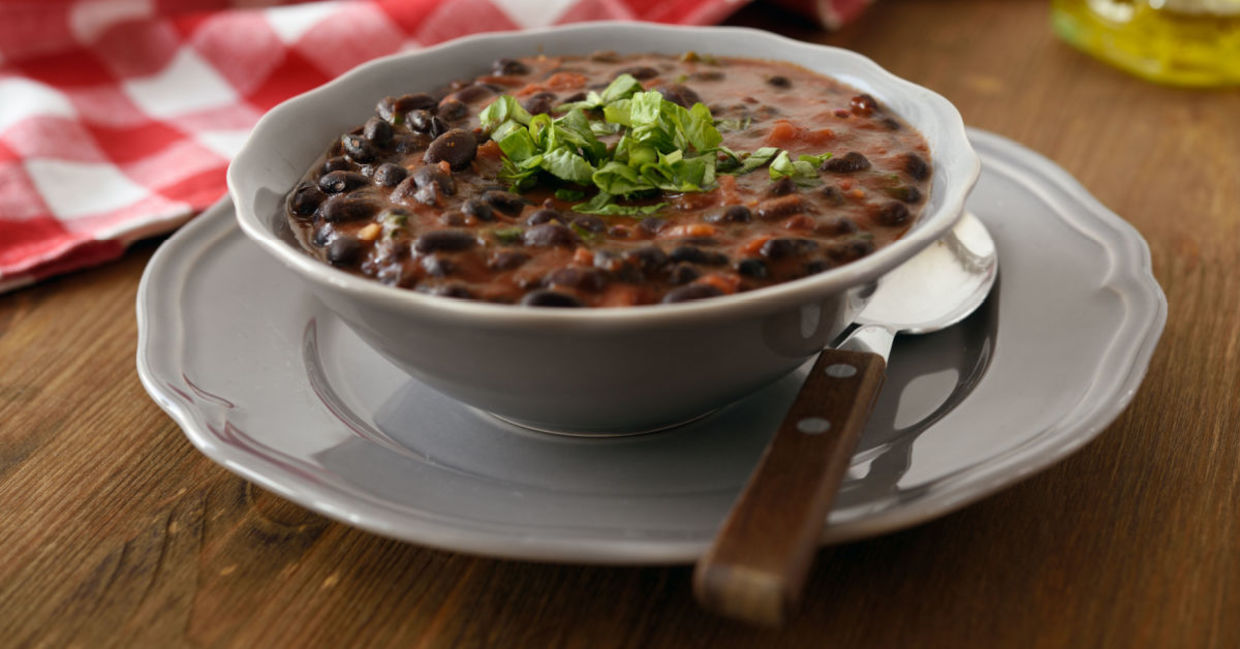
Lunch is nourishing in blue zones. In Costa Rica, people enjoy a hot and hearty bowl of black bean soup, according tomindbodygreen. This meal is filling and rich in proteins. In Sardinia, people enjoy a plant-based ragu made from tomatoes and eggplant. This is served on a bed of greens or polenta
(StockphotoVideo / Shutterstock.com)
Dinner
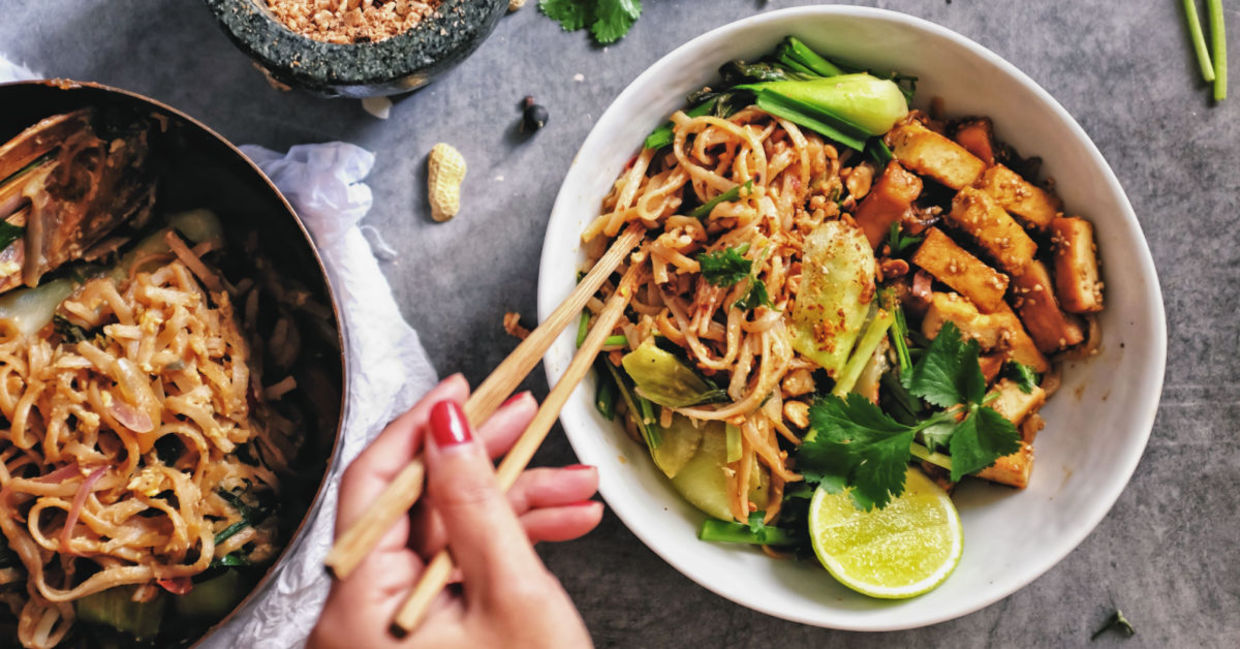
Dinner is usually small and there are many delicious dinner recipes to choose from on the Blue Zones website. One is a sweet and savory curried bean dish sweetened withdates and apples. Or, try pad Thai made from brown rice noodles, tofu, a peanut butter sauce, and lots of veggies.
Here are some tips from mindbodygreen: drink lots of water, eat beans, and cut back on dairy and sugar. When you feel like a snack, reach for nuts, and remember to eat what you love!
(homelesscuisine / Shutterstock.com)
NICOLE NATHAN BEM, CONTRIBUTOR
Nicole is an editor, blogger and author who has recently left her urban life in order to be more connected with nature. In her spare time, she’s outdoors hiking in the forest, mountain biking or tending to her new permaculture garden.
Eating Blue Zones-style can help you get more plans in your diet and promote longevity.
Image Credit:
Floriana/E+/GettyImages
If your goal is a long and happy life, then you might have to start looking at what you put on your plate. Longevity, or how many years you live, is increasing thanks to modern medicine and a better understanding of how lifestyle factors can influence health.
It’s estimated that anywhere from 20 to 40 percent of your longevity is determined by genetics, according to February 2022 research in the International Journal of Molecular Sciences.
That leaves a lot of room for you to potentially increase your years lived simply by altering your lifestyle choices — and looking to the Blue Zones may be a good place to start.
What’s the Blue Zones Diet?
In 2004, with a collaboration between National Geographic and the National Institute on Aging, an author named Dan Buettner set out to find the secret to living longer.
The team found that there were five distinct places in the world that had the largest number of centenarians, or people who lived to be 100. They also found these locations to have lower numbers of chronic diseases, like heart disease, type 2 diabetes and even dementia.
They named these areas the Blue Zones, and they include:
Okinawa, Japan
Sardinia, Italy
Nicoya, Costa Rica
Ikaria, Greece
Loma Linda, California
These five locations were then deemed to be the healthiest places to live, so naturally, they sought to find out why.
Anthropologists, epidemiologists and many researchers traveled to the Blue Zones to find out what they had in common and they came up with some common themes between all of these places that might contribute to this longevity phenomenon:
Natural movement each day
Have purpose in life
Find ways to relieve stress
Stop eating before you’re full and eat your largest meal in the middle of the day
Eat a plant-forward diet
Limit your alcohol intake
Belong to a faith-based community
Value family and keep them close
Maintain healthy social circles
For example, the Blue Zone of Loma Linda, CA is largely a Seventh Day Adventist community and they follow a vegetarian diet. They’re also the only Blue Zone that does not drink alcohol at all, per their religion.
It’s clear that it takes more than a nutritious diet to reach the age of 100, but the diet in all the Blue Zones have one commonality: They’re largely plant-based.
Eating more veggies doesn’t guarantee you’ll live longer, but the high amounts of antioxidants, fiber and minimally processed food in plant-based diets are linked to a lower risk of chronic disease.
The Blue Zones diet focuses on plant foods, with most folks eating meat only five times per month (or about once per week), according to September-October 2016 research in the American Journal of Lifestyle Medicine.
The Blue Zones diet can be best described as a flexitarian diet or a Mediterranean diet pattern. It’s a largely plant-focused diet, with moderate amounts of dairy, eggs, fish and whole grains.
Feel free to eat multiple servings of these foods each day:
Fruits: Apples, berries, citrus, melons, pomegranates, stone fruit and avocados are just some examples. Eat several whole fruits each day.
Vegetables: Leafy greens, all squash varieties, fennel, tomatoes, peppers, onions, cucumbers. Make vegetables half of each meal.
Legumes: Chickpeas, black beans, pinto beans, white beans, kidney beans, all lentil varieties. Eat one cup of legumes daily.
Olive oil: Replace butter or other oils with olive oil.
Nuts or nut butters: Almonds, pistachios, peanuts, walnuts. Eat one to two handfuls each day. If choosing a nut butter, avoid those with added sugars.
Herbs, spices, and vinegars: Use these as your flavorings and seasonings for daily dishes.
Coffee and tea: These can be enjoyed daily and are a staple in the Blue Zones diet.
Water: Make water your main drink of choice to stay hydrated. Drink depending on your activity level, so more if you’re active.
Foods to Eat in Moderation
You’ll want to eat these foods once a day or a few times a week:
Wine: With the exception of alcohol abstinence for religious reasons, alcohol intake in the Blue Zones is moderate, with the recommendation of one to two glasses per day.
You’ll want to limit these foods to once a week or a few times a month:
Meat: Pork, beef
Poultry: Chicken, turkey
Sweets: Sweets like cakes, pies, cookies and pastries are thought of as celebratory foods. Added sugars should be limited to the American Heart Association’s recommendation of no more than 6 to 9 teaspoons (24 to 36 grams) per day.
There are no hard-and-fast rules on avoiding foods, but generally, foods that are not eaten regularly in Blue Zones include:
Sugar-sweetened beverages: Sodas, sweetened tea, sugary coffee drinks and other drinks with high amounts of added sugar should be avoided whenever possible.
Ultra-processed foods: Frozen pizzas, chips, crackers and processed meats are not a part of the diet in the Blue Zones.
How to Meal Plan for a Blue Zones Diet
A hallmark of the Blue Zones diet is eating minimally processed meals — that means you’re cooking from home more. If this is new for you, then gradually ease into this: You can start by cooking at home one more night a week.
If you’re already cooking at home, here are some tips to help you plan for eating Blue Zones-style:
Because the bulk of the diet is made of plant foods, make sure to fill at least half your plate with vegetables of all kinds. It’s also recommended that you eat legumes daily, along with a serving of nuts and multiple servings of fruit.
Fill in the rest of your plate with whole grains, fish, eggs or dairy for most days of the week.
Eat fruit daily or simply make it your dessert.
Stock your pantry with grains (such as quinoa, millet and farro) as well as olive oil, spices and legumes.
Keep frozen fruit and vegetables in the freezer when you run out of fresh. Add frozen spinach, corn, or peas to soups, stews or pasta dishes.
Your 7-Day Blue Zones Meal Plan
Try this week-long meal plan to kickstart your Blue Zones diet. You’ve got three meals a day plus snacks to choose from:
Snacks
You can choose two to three snacks daily:
Fresh fruit
Handful of nuts
Greek yogurt
Vegetable sticks with hummus or guacamole
Roasted chickpeas
Nut butter and fruit
Things to Keep in Mind With the Blue Zones Diet
Don’t aim for perfection: You probably won’t be able to mimic the exact diet of those who live in Blue Zones — and that’s OK. Don’t strive to perfect this diet — you’ll still see health benefits by increasing the number of plant foods in your diet.
Change happens slowly: If you’re not currently eating a lot of plant-based meals or cooking at home often, this will be a change for you. Take it slow to keep stress to a minimum and enjoy eating healthier.
Watch for nutrient deficiencies: When switching to a more plant-based diet, it may be possible to miss out on certain nutrients if you’re not careful. Make sure you’re getting enough iron (legumes, eggs, meat), calcium (dairy, fortified foods, tofu), vitamin D (fortified foods, salmon, eggs) and vitamin B12 (meat, eggs, dairy). Be especially mindful of the needs of children and older adults. Talk to your doctor or registered dietitian if you have nutrient concerns when switching up your diet.