January 17, 2023
Mayor Eric Adams: Good morning. Today, I stand before you to talk about what we owe the women in our lives, the women who birthed us, who raised us, who nurtured us, our sisters, our aunties, our grandmas, the women who inspired us, our teachers, our doctors, nurses, engineers, scientists, and the leaders who did so much to bring progress and change. Women like Eleanor Roosevelt, Shirley Chisholm, Francis Perkins, and Marsha P. Johnson, and the women of this city, our coworkers and colleagues, the countless hardworking women who make life in this city possible. Today, women make up 57 percent of the workforce nationally, and 49.6 percent in New York City. Over half of American women are college-educated. What do we owe the women who share our lives and our city with? Everything. But we are betraying them when it comes to their health.
For too long, health and healthcare has been centered around men. If men had periods, pap smears, and menopause, they would get a paid vacation, and if men could get pregnant, we wouldn’t see Congress trying to pass laws restricting abortion. Women are the majority of the healthcare consumers. Many suffer from preventable health conditions, yet face more constraints and discrimination than men when it comes to getting care. They are diagnosed on average four years later than men across more than 700 diseases, and sometimes must wait up to 10 years or more for the right diagnosis. Think about that for a minute. A decade for the right diagnosis. Vaginal discomfort is one of the top reasons women go to the doctor, yet they are misdiagnosed more often than they are correctly diagnosed. To be clear, that is worse than a coin flip. We would have a lot more research and care option for women’s health if we weren’t so afraid of saying the word vagina.
I saw firsthand how the health system is letting our women down. I saw it betray my mother and my sisters. Growing up, my younger sister suffered from painful menstrual cycles. She was constantly in and out of doctors’ offices trying to get care. She was in pain, but she wasn’t taken seriously. She was told it was all in her head, that she was hysterical. She was rushed through the system with no relief. One doctor even suggested sending her to get psychiatric care. And I watched as my mother was unable to get the care she needed when she was going through menopause. Overnight, her life changed. Her sleeping patterns got mixed up, which impacted her ability to do her job as a line cook. There was no understanding from her workforce, in her workplace, no understanding from her doctors. It was like no one had even heard or had been through menopause before.
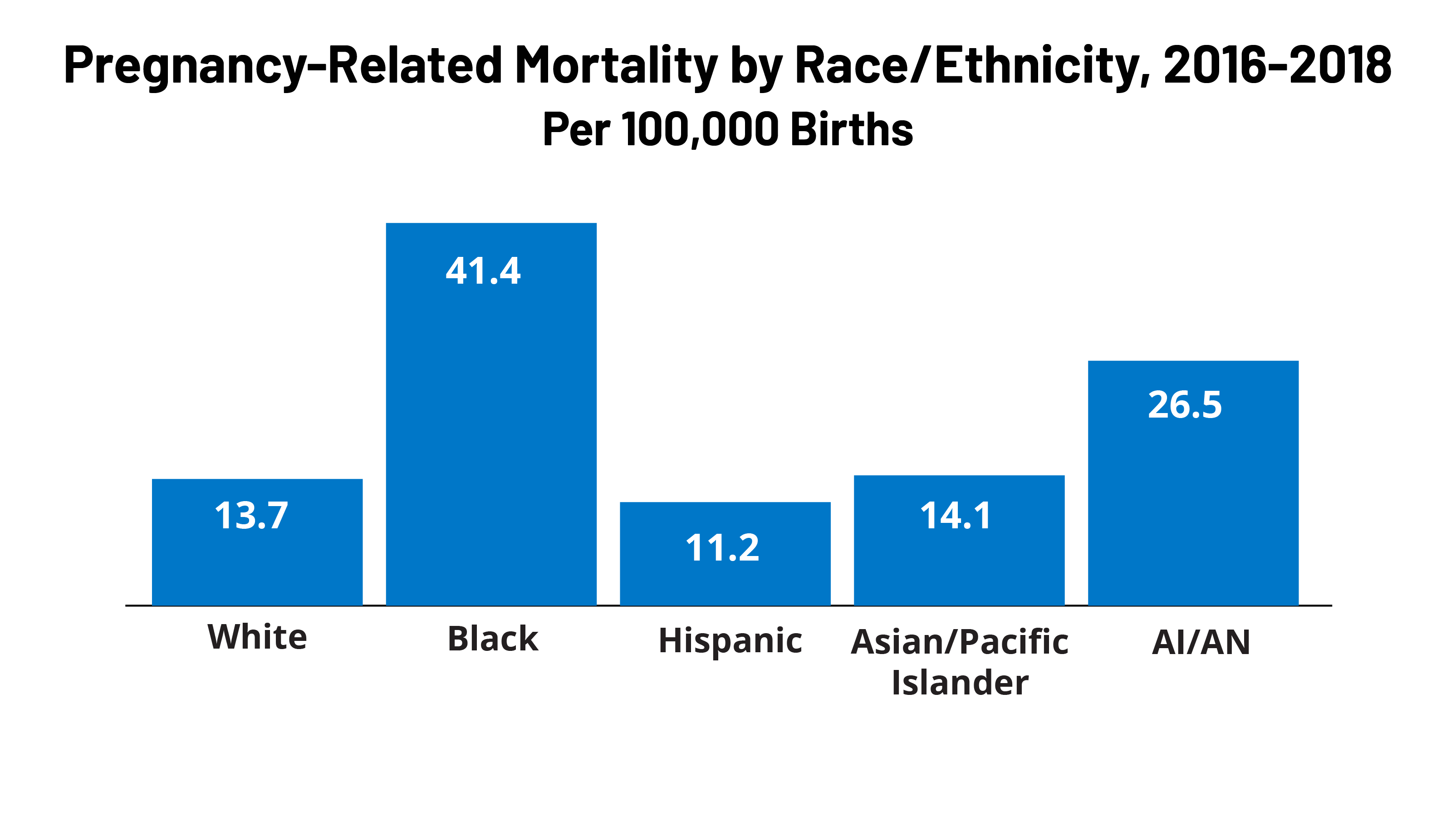
Every New Yorker has a woman in their life who has struggled to get the care they need. It’s because historically, women’s health has not been prioritized, and we saw that so clearly last year when the Supreme Court overturned Roe v. Wade. The Supreme Court’s decision has endangered women’s health across the nation. It was a decision about controlling women’s bodies, their choices, and their freedom. This week would have marked 50 years of Roe v. Wade, but five men who can never conceive decided what will happen to women’s bodies in this country. And it doesn’t end there. Data from 2018 shows that the maternal mortality rate across the country for Black women is nearly three times the rate than for white women. Here in New York City, Black women are nine times more likely to die of pregnancy-related causes than white women.
It wasn’t until 1993 that women were even included in medical research when Congress passed the Revitalization Act. We know that two times more funding goes into research for male-prevalent diseases compared to female-prevalent ones. Today, only 34 percent of U.S. medical school students feel they are prepared to manage gender differences in a healthcare setting. Investments in women’s health are often centered on reproductive health and childbearing, while other health issues like chronic disease prevention, pain management, gender violence, and mental health receive limited attention. This means women are paying more for their healthcare and receiving worse product.
We have an outdated attitude towards women’s health. While we are living in the 21st century, women’s health is more than their ability to reproduce. It’s about being able to live your life on your own terms, and economic disparities are making the gender healthcare gap worse. Overall, women are still being paid 77 cents on the dollar compared to men, and it is worse for women of color, with Black women earning about 64 cents on the dollar and Latina women earning 57 cents on the dollar compared to white men. Childcare continues to disproportionately fall on women, holding back opportunities to advance their careers, and workplaces continues to be unfriendly towards women’s health. Many lack childcare, paid family leave, and menopause-friendly environments.
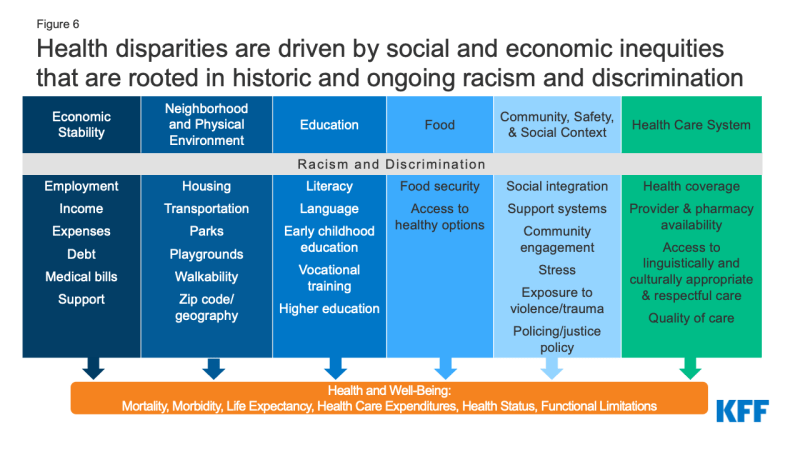
We also know that products marketed towards women are often more expensive than the ones marketed towards men, like shampoo or dry cleaning. While it was banned in New York State in 2020, the pink tax is costing the average woman across the nation over $1,300 a year. The rivers of racism, social and economic inequality, lack of research and innovation are all feeding into the sea of the gender health gap. The system needs to change. We must do better and we will do better. Women’s health needs some intensive care.
It’s time we made New York City the future of women’s health, and that is exactly what we are going to do. We’re going to make New York City the healthiest city for women and girls in the nation, and our city has already made significant progress. From my days as a state senator to Borough Hall, and now as mayor, I have been fighting to address the disparities in healthcare. As Brooklyn borough president, I co-drafted and sponsored a bill that required every municipal building, including here at City Hall, to have a lactation room open during public business hours. And last year, I kept my election promise to expand New York City’s doula program to 33 neighborhoods with the greatest needs across the city.
We have also expanded the New Family Home Visits initiative to 22,000 more families, giving families and mothers support from social workers, nurses, doulas, health educators, breastfeeding consultants, and mental health screenings, and while we are ensuring that our LGBTQI+ and non-binary New Yorkers are getting their care and the care they need. The New York City Health Map is helping people find LGBTQI+ care for primary care, sexual healthcare, and gender-affirming care such as blockers and hormone therapy.
And let me be clear, abortion is and always will be legal in New York City. That is why when so much of the country is denying women access to the care they need, we launched the first-in-the-nation, city-run Abortion Access Hub. The Hub connects callers in New York and across the country to license New York City abortion care providers. We are ensuring everyone can get access to reproductive healthcare no matter the color of their skin, their income bracket, their gender identity, or what state they come from.
And we have invested upstream to take on the social and economic factors that widen the gender health gap. Last year, we launched our Housing Our Neighborhoods Blueprint and our Get Stuff Built plan that gets New Yorkers into affordable housing quicker, along with our childcare blueprint to help working mothers and families. And we expanded the Earned Income Tax Credit for the first time in 20 years, putting $350 million in the pockets of hardworking New Yorkers.
We have taken action where we can, but it’s not enough. For New York City to truly be a model and lead the nation, we must go further. We know we don’t have all the answers or the solutions. This isn’t a speech where we’re releasing a whole suite of new policies. Today, we’re making a promise, and to fulfill that promise, we’re going to turn to the experts who do have all the answers. First, we’re going to focus on data and research. We’re going to systematically track the progress of women’s health in New York City. We’re going to track rates of cancer, mental health conditions, and heart disease, as well as life expectancy. This data will inform our work moving forward, but women’s health cannot change unless women are part of the conversation.
So this March, I will convene a summit of leaders from all sectors: research, public health, healthcare, business, tech, the LGBTQI+ community, and others to build a comprehensive women’s health program and agenda. We’re going to hear from those directly impacted by the current system. The summit will focus on all aspects of women’s health, from research and data collection, to programming around chronic disease prevention, reproductive health, and mental health, and in the months after, we will release our ambitious women’s health agenda. We are also going to look at ways we can make our city workplaces more women’s health-friendly. We will convene a community and a committee to build on existing work that has led to increased access to lactation rooms and provided paid leave for cancer screenings.
And we are going to change the stigma around menopause in this city. Historically, there’s been taboo to talk about this issue. Not anymore. We’re going to look at how we can create more menopause-friendly workplaces from our city workers through improving policies and our buildings, and we will set an example for the rest of the state and the nation. We’re going to promote access to health services focused on those going through all stages of menopause. New York City has always been a beacon of leadership in this nation, and we’re going to continue to lead.
Tomorrow, we will begin rolling out medication abortion at our city Sexual Health Clinics. We’re already providing medication abortion at 11 public hospitals city-wide, and we are expanding the program to reach more New Yorkers. The first expansion would take place in the Bronx and would expand to Queens, Harlem, and Brooklyn by the end of the year. No other city in the nation or in the world has a public health department that is providing medication abortion. We are the first.
And this summer, we are going to launch a provider education campaign on maternal health with a focus on hypertension and diabetes. This campaign will entail direct outreach to providers in Manhattan, Brooklyn, and the Bronx. It will target neighborhoods that experience health and other social-economic disparities. On top of this, we are going to launch a family-based substance use disorder program that will support those who are pregnant and parenting while struggling with addiction. And finally, we are going to launch our sex education task force to help educate our young New Yorkers about their bodies and break taboos from an earlier age.
New York City has been shaped by the tireless work of generations of women, and today, across all five boroughs, women are writing the story of our future. Shirley Chisholm once said that you don’t make progress by standing on the sidelines. You make progress by implementing ideas. We have been standing on the sidelines of women’s health for too long. We’re going to build a city that is here for all women and girls. A city where working mothers don’t have to choose between a paycheck or nursing their newborn child. A city where workplaces allow for flexibility, paid family leave, and are women’s health-friendly. A city that remains a safe haven and a place where a woman’s right to choose is protected. A city where women can get a diagnosis today, not in a decade. A city where Black and Latino women will no longer suffer from the inequities that denied them access and care. A city where our LGBTQI+ New Yorkers can get the healthcare they need.
We must make sure that the women who have so often taken care of us are getting taken care of when they need it most. And there’s no better place to start that than New York, the birthplace of feminism and the beacon of freedom for all.
(…)
Deputy Mayor Anne Williams-Isom, Health and Human Services: Good morning everyone. My name is Anne Williams-Isom. I’m the deputy mayor for health and human services. And the mayor doesn’t know this, but this is a very special speech for me and a very special week for me. My oldest daughter is getting married on Saturday.
It’s been very interesting all of the emotions that I’ve been having. So while we go to pick up the wedding dress this afternoon, I can’t help but think about my ancestors and all of the women in my life, my mom, my 92-year-old mom who I would’ve wanted to be here today, but we’re trying to keep her safe to get to Saturday. And all of my grandmother and all of the women that have brought us to this moment. Today we’re talking about women’s health and I think I’ve told this story before, but my grandmother died in childbirth with my mom. So when we talk about in New York City in 2023 that’s still nine times it’s more likely for an African American woman, is nine times more likely to die from a pregnancy-related complications, it’s personal to me. When I think about my own personal history with my body, I think about that soon to be married woman who I had bad postpartum with, and y’all know nobody likes to see a pregnant woman or a woman with a baby that’s not happy.
So no one wanted to listen to me. If it wasn’t for my mom who’s a midwife and a nurse and was with me, I don’t know how we’d made it through. I had trouble breastfeeding Ayana too, and everyone looked and acted like it was my fault that I had trouble breastfeeding. I had a miscarriage after Ayana. No one really wanted me to talk about it because what’s the big deal? You already had a baby. Fast forward, I had the news a couple of years ago in 2018 that no one wants to hear. I had cancer and I had breast cancer. And the way that the nurse and the doctor told me was kind of horrendous. And if it wasn’t for my husband being there so he could kind of stabilize me, it would’ve been a horrible situation. When I realized that I had to have a partial mastectomy, I was like, what?
I just thought I had cancer and maybe I’d get radiation, but I realized that I was going to have a partial mastectomy. My friends acted really strange. They acted like I was going to change because I was going to lose a breast. I didn’t realize that it was my breast. I thought I was pretty fine already, and so I thought I’d be fine already afterwards, but I realized that what they were saying was how the world would look at me would be different if I had a partial mastectomy. Fast forward to the wonderful and joyous challenges of perimenopause, menopause, and postmenopause and trying to lose these extra five pounds for this wedding gets more complicated when you’re 58 years old. But what I want to say is that all of that is important. All of us, all these women that are going to speak today, I can imagine have similar stories, similar places where they didn’t feel seen, where they didn’t know if somebody would listen to them and are.
That’s why it’s so important for us to have this conversation today. But let me say this, people are going to write a lot of things about this administration. People are going to write a lot of books about this second African American man and mayor and this 110th mayor, but what I want to say is that I am so happy that I’m going to show up in this chapter about women’s health. And to have this mayor who came to us to said I think we should talk about vaginas more. I was like, what do you want to do? What now? He never ceases to amaze me. I am so proud to be a part of this administration. I’m so proud to work for him, and I’m so proud to have a man and a mayor who sees us for who we are, and I’m so proud to live in a city where my daughters will have the future that they need and that my granddaughters, maybe — I’m not saying that my daughter has to have the baby, she could do whatever she wants — I’m just saying if in the next couple of years I happen to be somebody’s grandmother, a great grandmother, I want the world to be a better place.
With that, thank you mayor for all your leadership. And now let’s bring up some of the strong and can I say badass women that are here with us this morning. I’ll start by having Dr. Machelle Allen come up. She’s the senior vice president and chief medical officer at the New York City Health + Hospitals. We want to talk to you a little bit about our whys, why we do this work and why this work is important to us. Dr. Allen?
Dr. Machelle Allen, Chief Medical Officer, NYC Health + Hospitals: Thank you, deputy mayor, and I must say I’m equally proud to be part of this day calling attention to the needs of women that have been ignored for so long. In terms of why I do what I do, as you heard, I’m the chief medical officer of New York City Health + Hospitals Corporation, but I’m also an obstetrician and gynecologist. And in choosing OB/GYN as my career path, it was important that I marry my love for medicine with a political commitment so that I could answer the question to myself, why was I in medicine in the first place? That personal commitment would need to sustain me beyond any personal achievement or gratification. And that personal commitment was and still is to provide, as deputy mayor said, all of us, provide all of us women the personal, informed, compassionate, and excellent care, which I could not find myself as a consumer of women’s health. Thank you.
Deputy Mayor Williams-Isom: Thank you, Dr. Allen. Now I would like to bring up Dr. Wendy Wilcox. She is the chief women’s health officer at New York City Health + Hospitals. Dr. Wilcox.
Dr. Wendy Wilcox, Chief Women’s Health Officer, NYC Health + Hospitals: Thank you, deputy mayor, and thank you Mayor Adams for this really momentous occasion. I’m really proud to be a part of this event. My name is Dr. Wendy Clark Wilcox, and I’m going to say my maiden name because without my hardworking and dedicated parents, I never would’ve been able to become a physician. Why did I choose to become an obstetrician gynecologist? Well, I went through my medical school rotations and I had the privilege to be included in the birth of a young family’s child. And after that experience, I’m so sorry, but there was no going back. I knew what I was going to be, and that is why I stand before you today as a board certified obstetrician gynecologist and chief women’s health officer for New York City Health + Hospitals.
When I was having my own children who are now grown, I knew a little too much. I was so excited, but I also know that things could go wrong, especially for people who look like me. And so thankfully everything went well and we were all healthy. But really after that experience, I realized that it would become my life’s work to work to change the trajectory, to work on health disparities, not just for women and girls, LGBTQ and non-binary people, but for all people. We have to change the paradigm and dynamic. And so I am proud to stand here with Deputy Mayor Isom and Mayor Adams as we work on this important work to improve health equity and healthcare for all people. Thank you.
Deputy Mayor Williams-Isom: Thank you, Dr. Wilcox. Next, I would like to bring from the Department of Health and Mental Hygiene, Assistant Commissioner Dr. Zahirah McNatt. Did I get that right, Dr. Z? Ooh, I did it right.
Dr. Zahirah McNatt, Assistant Commissioner, Bureau of Brooklyn Neighborhood Health, Department of Health and Mental Hygiene: Hello. Great to see everyone. Thank you all so much for being here. Thank you to the mayor and to the deputy mayor, and to my colleagues. My name is Zahirah McNatt. I’m the assistant commissioner for what’s called the Bureau of Brooklyn Neighborhood Health in the New York City Department of Health and Mental Hygiene, where we focus deeply on disinvested neighborhoods across the city.
I am originally from the 1980s version of the Lower East Side. And my earliest experiences… I like that you love that. Yes. My earliest experiences or positive exposures to health and wellness were wrapped up in the power of community. We were centering our own courage, quite frankly, and our own ability to solve problems in the absence of supportive systems. My earliest negative experiences in the same neighborhood were a result of discrimination and failed systems, health clinics that lacked resources, unsafe play areas, outdated textbooks, high levels of substance use, and homelessness right alongside vacant buildings. This lived experience called me like many to seek justice in public health, and I’m glad that the mayor is centering investment in women’s health specifically today. Because so much of what we get wrong limits the possibilities for women and girls and results in intergenerational harm. We have unlimited opportunities ahead of us to get this right, and I look forward to collaborating with the mayor, our city agencies, our powerful community-based organizations and others to improve the health of women in the City of New York. I thank you so much for your time today.
Deputy Mayor Williams-Isom: Thank you, Dr. Z. Also from the Health Department, let me now bring up Dr. Leslie Hayes, who’s a deputy commissioner for child and family health.
Dr. Leslie Hayes, Deputy Commissioner, Child and Family Health, Department of Health and Mental Hygiene: Good morning everyone. Good morning. It’s great to see all of you and it’s great to be here with you as well. As you heard, I am Dr. Leslie Hayes, the deputy commissioner for the New York City Department of Mental Health and Hygiene’s Division of Family and Child Health, known as FCH. I am an adolescent medicine specialist by training, and I joined the Health Department in mid-October of 2022. So I am, as they say, brand spanking new. Why do I do what I do? Growing up in Harlem, my mentor was my pediatrician. He was an African American male who was a public health advocate as well as a social justice advocate, and I wanted to be just like him. He went on to government after serving 30 years in private practice in Harlem to work with the Johnson administration around areas of lead poisoning and infant mortality.
And as I said, I wanted to be just like him. I went on to do my residency training at Children’s Hospital in Washington, D.C. And lo and behold, not knowing he was on the board, he came downstairs. He greeted my parents and myself, and he talked about how proud he was that his peanut — and I’m not sure why he called me peanut because I was not premature or anything of that nature — had did exactly what I said I was going to do. So I joined the Health Department, as I mentioned, in October of 2022, because I wanted to be a member of a team that focuses on reducing health disparities and advancing equity on a wider scale than what I could do as a solo practitioner. I come from primary care where I was seeing patients primarily in outpatient settings and doing work in a way to help reduce disparities, but not at the level that it happens at the health department. So from things like the new family home visits, which set families up for success at the beginning of their life, to the Abortion Access Hub, which connects callers in New York City and other states to medical services, FCH and the Department of Health have programs like this that are improving the health and the lives of families, children, and women. And that’s what I want to be a part of, and that’s why I do what I do. So I thank Mayor Adams and his administration for this opportunity to serve and work on the women’s health agenda that is going forth. Thank you.
Deputy Mayor Williams-Isom: And speaking of brand spanking new, I just want to give Cesar a shout out. His mom Annalise works at H + H. We were on a Zoom the other day and we were like, is that a baby in the background? Bring that baby out to us. So thank you for joining us. Next I’d like to take a moment to have Priyanka Jain, co-founder and CEO of Evvy, come and say a couple of words for us. Priyanka.
Priyanka Jain, Co-Founder and CEO, Evvy: Hello everyone. I’m Priyanka Jain, the co-founder and CEO of Evvy. A startup based here in New York, focused on closing the gender health gap, starting with vaginal health. I started Evvy after a lot of my own journeys of going to too many doctor’s appointments, being told that maybe I should drink more water, maybe I was too stressed, maybe I needed to sleep more. And as I dug into the research, I found out the crazy stat that Mayor Adams shared with us earlier, that women weren’t required to be in clinical research in the U.S. until 1993. And that is when I quit my job and decided to start Evvy. As we heard from Mayor Adams earlier, the status quo in women’s healthcare is unacceptable. And it’s clear that real change will require all of us, as we see here today, across policymakers, doctors, researchers, institutions, patients, and innovators if we really want to pave away towards a new and better future.
Days like today remind me of how grateful I am to be building Evvy in New York City. Not only is it the hub of the world’s leaders in research and medicine, but it has become the undeniable hub of my startup peers innovating in the women’s health space. We are so incredibly excited and grateful to be partnering with the city leadership that can make New York City truly the model city for women’s healthcare everywhere. And now with the city leadership finally committed to truly improving access and outcomes, we will finally have the opportunity to build a future of women’s healthcare that we all deserve. Thank you.
Deputy Mayor Williams-Isom: Thanks Priyanka. And also thank you to all of our allies and folks and women, strong women that are here with us today. Give yourselves a round of applause. And speaking of allies, I’d like to turn this over now to Mayor Adams, who we also call one of the men who get it. Mayor Adams.
Mayor Adams: Thank you. Thanks all of you. And I don’t know if I see Antonio Reynoso, who, if he’s not here, the Brooklyn borough president who has committed all of his capital dollars to maternal health and he’s building out hospitals. So we had a very unique place and a clear place to deal with these issues. I’m really proud of this moment. This is one of the items on my list that I checked off for the commitment with my mom who went through some serious healthcare crisis and did not get support, and my two sisters and the women who really played a vital role. And I remember even conversations that Tracy shared about her encounters going to the doctors. So there is just this hidden secret that women have suffered silently and they really felt that no one heard them, but I did.
And it was part of my entries in my journals that when we get here, we were going to tackle this head on. And I just really believed that at the heart of this conversation is our failure to just want to engage in the conversation. Being… The woman body is just taboo. No one wants to talk about it. I think that moms tell their daughters not to talk about it. We keep it a secret. I’ll never forget when I was talking about a menopause-friendly environment in Brooklyn Borough Hall, and all the women came to me and said, please don’t mention that. Don’t talk about it. I mean, we can talk about erectile dysfunction by not clitoris stimulation. Something is wrong. Something is just wrong. And we just have to stop doing that.
And if we just start having a conversation, the beauty of the physical anatomy of a woman and how it should be talked about, shared and discussed, and we should not just treat it the way that we’ve treated it for years. So we are going to lean into that. I’m just hoping so much that as we did our speech and as we talked about this, that people had to spit out their coffee, that they had to squirm in a chair, that they had to feel uncomfortable because discomfort will bring comfort for the woman who has had discomfort throughout their lives. So we’ll open up to a few questions.
Question: Hi, Mr. Mayor.
Mayor Adams: How are you?
Question: Good. First question to you. Can you speak a little bit about the details regarding the medication abortion expansion? How many clinics will that go to and who will be able to access?
Mayor Adams: One of our teams… Dr. Vasan, is one of our… Okay, there you go.
Dr. Hayes: So thank you for that question. The medication abortion clinics are going to start tomorrow, will be the opening of the first one at the Marosena site in the Bronx. And then others will be rolled out after that. Jamaica Hospital, Central Harlem, and then I believe Fort Greene. Thank you.
Question: And so that will be four to five clinics to start with?
Dr. Hayes: Yes.
Question: I mean, by the end of the year, what will the total be? And then how will somebody coming in that wants that medication, abortion pill be able to access it?
Dr. Hayes: So they are scheduled appointments, but we do take walk-ins. As far as rolling it out, they’re going to be rolled out throughout the year in those clinics that I just mentioned. And you can come in between Monday through Friday. They’re open. The clinics open at 8 and they have a session from 8 to noon and I guess another one until 5 p.m. And they will be assessed by a physician and then move to be given their medication. And I think that…
Dr. Wilcox: I’m sorry.
Dr. Hayes: Go ahead.
Dr. Wilcox: Yeah, so New York City Health + Hospitals, we’re already doing medication abortions at all of our outpatient facilities that are in our hospitals. And we offer the full range of abortion services, surgical as well as medical. Thank you.
Question: Just a follow-up, how many clinics in total will be offering medication abortion access by the end of the year?
Dr. Wilcox: We have 11 New York City Health + Hospitals. And you have four.
Question: The expansion. Oh, so it’s 11 already, expanding to four sites…
Dr. Wilcox: The ones in the Bronx, and then the other three will roll out over the next year.
Question: Can you tell us just anecdotally what the demand for abortion pills has been?
Dr. Wilcox: Within Health + Hospitals, there has been a significant demand. And certainly offering the full range of services we would offer patients… You have an option to have a surgical abortion after five weeks, but certainly a medical abortion, it can go up to 11. And so within that range, a patient has many options of what they would like to do. And we certainly talk to patients and find out what their preferences are.
Question: Yes. And to follow up, what is the care for the medical abortion? Is it outpatient, is it overnight? And is this open only to New York City residents or anybody?
Dr. Wilcox: So the care is actually pretty easy. There’s no hospital stay required. We certainly give patients the full range of instructions of what to look out for and certainly concerning signs or symptoms that they should access an emergency room location. I’m sorry, what was your second question? I don’t remember.
Question: If it was open to anybody or New York City residents only?
Commissioner Ashwin Vasan, Department of Health and Mental Hygiene: I can answer. I know that I’m lacking a chromosome, which is why I was at the top of the stairs. So I’ll just be cognizant as I answer this question Well, so Dr. Wilcox is right. Our public hospital system, which runs on Reimbursable Healthcare, has been offering medication abortion. Our sexual health clinics and our DOH clinics, which are free at the point of care without billing at this stage, are opening up the first fully city funded clinics in this regard in the country. So this is city dollars going to this specific purpose. And we’re the first in the nation to do that. When they’re all up and running, these four sites can deliver up to 10,000 medication abortions a year. And that’s on top of what our public hospital system already does.
And why did we do this? Because it’s clear that, as Dr. Wilcox said, medication abortion has been offered through our reimbursable healthcare system for some time for years. But there are barriers to entry with that system, right? There are barriers to entry. Even if we say we will provide care free of charge regardless of ability to pay, we see that there are social, cultural and non-economic, if not economic barriers to care, which is the crucial role that our city Health Department public clinics play in filling those gaps for the most marginalized.
Question: Would New York City residents only be eligible, or is this open to…
Commissioner Vasan: This is open to anyone, much like our Abortion Access Hub. So our Abortion Access Hub was the first hub in the nation to connect people seeking abortion care from any one of our 50 states to care support, logistical support, social support, housing, transportation here in New York City, which is a consortium of city services, city supported sites, as well as our network of incredible nonprofit providers like Planned Parenthood and so many others that currently provide the bulk of abortion care in New York City.
Question: Assuming there’ll be an influx of people coming for this care, where do they go? Where do they stay? And who pays for that?
Commissioner Vasan: Well, this is part of what the Abortion Access Hub is all about. It’s about arranging those specific needs in a very person-centered way. So there are people who may come to our city who have family members who have support. There are those that may require that kind of support. The City Council has wonderfully, and I see that Council Member Schulman and Menin are here. The City Council has set up an abortion access fund locally to support people who need social and economic support. Our nonprofit providers have that support as well. And the city is also supplementing that.
Question: I have, I guess it’s a two part question. A few years ago there was a Council bill, I just see Chancellor Banks, that provided free pads and tampons in city schools. I wanted to know if that is still happening, and would it be expanded to other buildings? Because I haven’t seen it in city schools. And that was one way, I guess, to make city buildings more friendly to women.
Commissioner Vasan: I’ll defer that to my colleagues in education. Do you want to… We can get that answer.
Question: I mean, I don’t know if the mayor supports expanding, and it’s putting them back into schools if it doesn’t, and then also maybe expanding it to other buildings.
Mayor Adams: Yes. So let’s find out exactly, specifically what you’re talking about. And then when it comes down to expansion in this area, this is what we want to do and this is the purpose of this. And so Chancellor Banks will get the answer to that question for you.
Question: A little bit more on the abortion pill. This has been around for so long now. What have been some of the roadblocks in supplying this to city clinics? It’s my impression that this was already happening. I think for a lot of women, they probably assume that this was already available.
Commissioner Vasan: Well, I think this gets down to some of the core aspects of how healthcare is funded in our country, and how we set up barriers, even unintentionally, to accessing care, that make it hard, especially for women and people seeking abortion care in an environment where that kind of care is extremely stigmatized and discriminated against. Even here in New York City, culturally we are a safe haven, we have set that out, but there are still these barriers to care, especially for the most marginalized.
And what we’re saying today as a city government is that we are centering this issue and we’re going to tear down whatever remaining barriers there are. We’re going to build upon the access to care that we have in our public hospital system. We’re going to supplant that with our public clinics, our truly public clinics that are walk-up, all-access. We never take a single question about your insurance or your status. And that has played and has historically played a really important role in this city in providing care and sexual health services to people who often are pushed through the cracks of our reimbursable healthcare system.
Question: I’m sorry. Would you be prioritizing the money to this in order to get this done?
Commissioner Vasan: No. As soon as the Dobbs decision came down, this mayor and this administration and OMB came together and said, “What are we going to do to set this city out as a leader in this nation?” So this is new investment, new resources, combined with funding that we already have.
Question: Yeah. You said this medication abortion expansion will be fully city funded. So what’s the annual operating cost of that? And then I also have a question for the mayor.
Commissioner Vasan: We can certainly get back to you with a budget number.
Question: And then what specific policy is related to women’s health, or even a call on the governor to include in the upcoming state budget given that the state oversees most healthcare organizations?
Mayor Adams: The governor has been a real partner on this issue, as you heard at her State of the State. She talked about the issues, particularly around mental health. And what we are going to really lean into is how are we dealing with the mental health aspect of having a child, mental health aspect of even postpartum as we’ve learned so much about, even my days at Borough Hall.
And also something that’s often ignored. Those mothers who are dealing with substance abuse issues. And that’s where we are going to really speak with the governor on these issues and these areas of concern. But we also want to build on what we’re doing already. What we’re doing with our doulas. This administration, in the previous years, as I announced in our speech, we’ve done so much in this area. Now we’re taking it to the next level, the summit that we are going to hold with a host of people who have been working in this area to come up with a real solid agenda. And the governor, again, has been an amazing partner in this area, and I think she’s going to continue to do so.
Question: I just wanted to get a firmer sense of the timeline. So do you have a date for the summit in March, and when will the subsequent suite of policies be presented, and will they be proposed in time to be included in the state budget (inaudible)?
Mayor Adams: There’s some things we can do right now for the state budget, and there’s other things we are going to learn after bringing all the experts in the room all across the country. We’re looking for everyone to be engaged. And there’s going to be a list of policies that we are going to roll out after getting folks in the room. We did not want to dictate this time to really hear from those private nonprofits, medical experts, we’ve been talking about this for years, we want to get everyone together to resolve that.
And then we’re going to produce a document based on what happens at the summit. This summit is during Women’s History Month. We are making this announcement now to really set the course and really open this up to the entire country, if not the globe, to say, we want to bring your experts here to the city so we can finally move forward on this important agenda
Question: Mr. Mayor, you mentioned something about menopause accommodations for city workers. I was wondering if you can give us some examples of what kind of policies you’re thinking about rolling out.
Mayor Adams: Menopause is something that we’ve ignored for so many years. It’s about your work schedule, your sleep patterns change, everything from why you need that air conditioner on right now, because your body temperatures are changing. There’s just so much that goes into it. And the way to better address it is for us to properly study it. And the way we properly study it is to properly acknowledge menopause is real, and so many people are dismissive of it.
And so what we need to do in the area of policies is going to come based on putting it front and center on exactly of what are the different dynamics of it and what do we do to adjust, how do we operate in our city for women who are going through menopause, who have gone through menopause. Okay. All right. We’re going to do a few off-topics. Thanks everyone. Thank you.
Question: Mr. Mayor, I have two questions having to do with the migrant situation. The first question is this. Given the fact that you have said no more room at the inn, would you consider either suspending or stopping New York City being a sanctuary city until such time as you can cope with the problem, so that would keep people from coming?
Mayor Adams: No, that’s not on the agenda at all. And I think of, as we celebrated the birth of Jesus, he was faced with a no more room, but there was a place that was found. And that’s what we are doing. We have no more room, but we are still finding spaces and accommodating. And we are going to continue to do that. That is our law, that is our obligation. And that is what’s morally right. We are going to do that.
But what we are not going to do is to fail to acknowledge the burden this is having on New Yorkers and the burden this is having on our city. It is unfair. And we are going to continue to make sure that we don’t have families that are sleeping in the street, because we did not do the best we can to accommodate them.
Question: My second question is this. Have you thought about the fact of talking to the governor and mayors and former government that exist in the state about how some of the people that come here, move to those localities, those cities upstate, or even in the suburbs, to build spaces for them?
Mayor Adams: Yes. And it is called decompression strategy. It is, how do you not overburden one city? How do you spread out this obligation, this national obligation that we have? El Paso is a beautiful city. Visually, it’s a beautiful place. The city was overrun. It was unbelievable how we undermined the foundation of that city as they’re grappling like many of us are with real problems.
And so there must be a national czar. I think it should be done through FEMA. We should treat this the same way we treat any major disaster or major crisis. That should be coordinating with the Border Patrol, coordinating with our cities, our states, to make sure that we as a country absorb this national issue. And that’s what I learned when I was on the ground there. The lack of coordination is really causing this to be hit by certain cities.
Marcia, go ahead. I’m sorry.
Question: Could you send people who are already here who are overburdening our hotels and stuff to places upstate, where they might be able to find jobs and families to support them and things like that?
Mayor Adams: Yeah, I actually think it’s a win-win. And that’s my conversation I have been having with my state leaders. I think it’s a win-win. We have many municipalities throughout the entire state that are suffering in population, that are dealing with the need of employees. And that is why it’s imperative that the federal government allow people to work. When you think about it, it’s unimaginable, we are saying to New York City that the people who come here fleeing persecution in another country that for six months they cannot be employed. That doesn’t make common sense.
And so I believe if we give the work opportunities, you are going to see a lot of municipalities who are suffering to have workers will allow and have a real partnership to allow people to come to their municipalities. And those are the conversations that we are having.
Question: Following up on that, as far as the jobs, is the government ready to provide them with permits to have a job for one year until they can get their asylum in the process? And then number two, the $800 million of the federal government was supposed to give to municipalities, have New York City applied for that?
Mayor Adams: Yeah. First let’s deal with number one. We don’t have the authority to allow them to work. The federal government must do that. And there’s been a universal cry from all of the cities that have been impacted. We have been stating, let’s treat this and give the ability to people to be employed. That’s crucial. And that’s the foundation of why people pursue the American dream so they can work hard and contribute back to the company and pay taxes. So when it comes down to, is the federal government going to do that? I don’t have the answer. I’m going to continue to lift my voice and ask them to do so.
The second part of your question?
Question: (Inaudible.)
Mayor Adams: Yeah, $800 million. I had a conversation with Senator Schumer. We cannot thank Senator Schumer enough, and Congressman Jeffries, for the advocacy to get the dollars in. We don’t know what dollar amount is going to come to New York yet. We’re waiting to find out. But let’s be clear, even with the infusion of money, it’s not going to solve the problem. We must address the problem and have proper coordination, collaboration, and communication, so that we could address this crisis that our country is facing right now.
Question: Yeah. Mr. Mayor, have you or the governor had a conversation, given any thought to using a large venue, an arena or a stadium or something like that to house migrants and have all these social services there that can just have them all in one place and get served?
Mayor Adams: Yes. I believe in that concept of putting people in the setting and have all those services, the wraparound services, that are needed. And we have been attempting to identify locations that we can do so. The federal government has land here. We need that land open. We have been in conversation with the state to look at some of the state locations, and the Governor has fully understood the urgency of the moment, and there’s a real collaboration that we are attempting to do to get spaces to do just that.
Question: Mr. Mayor, so what is the status of your emergency mutual aid request to the governor (inaudible)? And then also, you said last week that the new estimation was $2 billion dollars for this crisis, how did you get to that (inaudible)?
Mayor Adams: Yes. First, we are collaborating with her administration, her chief of staff, her team. We need spaces now. We need locations now. A week and a half ago, in one week we got 3,000 people. In one day we got over 800. Just think about those numbers for a moment. We are asking for the entire state to treat this as an emergency, and the governor understands that clearly. And we believe that our continuing dialogue and our continued coordination is going to help us address this issue that we are facing. And the dollar amounts that are needed is going to come from both the federal government and we want assistance from the state government to deal with the issues that are important.
Question: (Inaudible.)
Mayor Adams: If we continue to look at the progress and if the borders, if the Title 42, of all of this that’s going to happen in the Supreme Court. My guesstimate, based on what we are experiencing and if those numbers continue to increase, I think it can go anywhere up to $2 billion. We believe projectively it’s going to be about $1 billion, but if we continue and if we continue to grow, if you see another 40,000 people come here, those numbers are going to continue to increase. That’s the severity that I believe we’re facing.
Question: Mr. Mayor, I wanted to ask you about an article that was published in the New Yorker over the weekend about your relationship with Bishop Whitehead. I want to get just in general reaction to the article. And then specifically it seemed to have raised the possibility that federal prosecutors have either interviewed people in City Hall and subpoenas. It didn’t outright say that, but it definitely left the room for that question. So I’d like to just clarify that story.
Mayor Adams: First, I don’t even read those articles. There must have been 20 profiles of Erics with a lot of innuendos, a lot of innuendos, and I just can’t… I’ve made it clear that the federal government is doing the investigation. I’m a former law enforcement person. I don’t interfere with investigations. This administration has not been subpoenaed. We have not received a subpoena. I have not personally received a subpoena. No one on staff has.
And so as I stated a week and a half ago, I’m not going to interfere with any type of investigation or review at all. I said that to folks, and I’m not going to go back on that. All of this is going to play itself out in the judicial system and let it do so. And the innuendos that are in some of these articles are just really ridiculous. Going back to when, “Eric, when you were in Bayside High School, did you steal a donut. Let’s do the investigation.”
This has been regurgitated the same. Everybody’s taking turns writing the same articles over and over and over again. And all of these innuendo that are in these articles, it reaches a point you have to ask yourself, what is the real purpose here? Is the real purpose to just create these innuendos of, “Eric, there’s something wrong?” Okay. There’s not much I could do about that, but I see hands going up. If the hands are going up because you want to ask me something else about it, you can keep your hands down. I answered the question already and I’m not going to engage in it again. So if you got a question on something else, you can put your hand up. But if you don’t, you can leave your hand down.
Question: Mayor?
Mayor Adams: Yes.
Question: Regarding something else, (inaudible) you committed to visiting the Staten Island school linked to an officer-involved incident at a bus stop. Have you visited that school and if so, what have you learned, and if not, (inaudible.)
Mayor Adams: Yeah, I communicated with the police commissioner who is going to be doing some initiatives there with the community residents and leaders and I don’t want to interfere in any way. And last week I spoke with the councilwoman who’s in charge of the area. We are going to do something coordinated. I wanted to let them do their thing, but I will be going over to the school and sit down, speaking with the students and engage. But I don’t want to get in front of people who already have something worked out.
Question: Mr. Mayor, you and the comptroller have seemed to trade some barbs over your trip to El Paso over the weekend. What would you like to see from him as a partner in government? You’ve suggested that he hasn’t really been doing anything, just sitting on the sidelines and criticizing.
Mayor Adams: Listen, it’s not about criticism. This is the game we’re in, where folks are going to criticize. That reminds me of a side note I’m going to share, but his first tweet to call for help was during the sSate of the State. The people of this city have been going through this for months, for months, and his first communication was a week or so ago.
He’s a comptroller. He should be concerned about our fiscal stability, and his answer to it is, “Raise taxes on rich people to pay for migrant asylum seekers.” You’re the comptroller. You should be concerned about the financial hit our city is seeing, and he should be writing letters with me and going to D.C. I don’t know if Brad actually went to D.C. at all to advocate for money. I don’t know if he called anyone. My conversations with Senator Schumer, I don’t know if he did.
I shared with y’all last week. I asked them, “Share the tweet, share the letters that were sent to say New York City needs help.” And so when I see someone tells me I should not go to El Paso to see this problem and to talk with the mayor there so that we can work together, I just don’t understand the logic of it. Is it political or is it something for the city? And so I just think when people are disingenuine, it just bothers me when people are just disingenuine. We have a crisis in our city that’s going to impact our entire lives. No one is saying, “And let’s leave people out of the city.” For him to say that, it’s just a political commentary. We got to fix this problem.
Question: Thank you, Mr. Mayor. I’ll start with a question on migrants and if you let me, I’m going to ask a follow up to Sally’s question, but let’s start the migrants. When you say there’s no more room in the city, do you have an idea of other cities that migrants should be sent to instead? Or are you just saying that the federal government should let no more migrants in?
Mayor Adams: Yes, I think… No. What the federal government should do is to coordinate this problem. They should coordinate it. This is a federal issue. This is a national issue. El Paso should not have gone through that. Chicago, when I speak to Mayor Lightfoot, she’s placing people in the basement of her libraries. Houston, Washington. Washington is already dealing with their own housing crisis, where people have to live in tents.
This is wrong, this is wrong. And for the federal government, and that is on both sides of the aisle, to not acknowledge that we are destabilizing our cities, I’m not going to remain silent on that. This is wrong for the cities of America to take this on. The federal government should step in and say, “Let’s coordinate this and whatever city is available to take a portion,” because if we all take a portion, it won’t overwhelm a city. 40,000 people, we are at the maximum in how we have people in our care. And so that’s what I believe.
Question: Could I ask a quick follow up?
Mayor Adams: No, you can’t. No, you can’t. I already answered that. I already… I told you that. I told you that. Yes, sir.
Question: Being asked to ask this. Eagles, Giants?
(Laughter.)
Mayor Adams: I’m so proud of the Giants last…
Question: Any bets so far with the mayor of Philadelphia?
Mayor Adams: I’m going to reach out to the mayor of Philadelphia and I’m going to give him a vegan cheesecake. I’m really proud of the Giants, they’re showing a can-do spirit. Many people did not believe they were going to get through this weekend and they showed what they’re made of, because they come, the spirit of New York. And so let’s go Giants.
Question: Cheesecake.
Mayor Adams: Some great vegan cheese.