Is involuntary psychiatric commitment making a policy comeback? : Shots

Is involuntary psychiatric commitment making a policy comeback? : Shots

A homeless encampment along a street in Skid Row on Dec. 14, 2022 in Los Angeles, California. Two days earlier, LA Mayor Karen Bass declared a state of emergency regarding homelessness in the city, where an estimated 40,000 residents are unhoused.

Mario Tama/Getty Images


hide caption

toggle caption

Mario Tama/Getty Images


A homeless encampment along a street in Skid Row on Dec. 14, 2022 in Los Angeles, California. Two days earlier, LA Mayor Karen Bass declared a state of emergency regarding homelessness in the city, where an estimated 40,000 residents are unhoused.

Mario Tama/Getty Images

Many of Portland’s least fortunate live in tents pitched on sidewalks or in aging campers parked in small convoys behind grocery stores.

High housing costs and financial adversity are the primary root causes behind the burgeoning population on the streets; only about one in three people who are homeless in Portland report having a mental illness or a substance use disorder, or both.

But the combination of homelessness with substance use or untreated mental illnesses has led to a lot of very public tragedies.

People with schizophrenia, for example, have died of hypothermia on the city’s streets. Residents have given birth out in the open, to premature infants who did not survive. Methamphetamine, cheaper and more harmful than it used to be, is creating a heightened risk of overdose and psychosis.

KHN logo

Mental illness can be part of the story of how a person ends up homeless — or part of the price of survival on the streets, where sleep and safety are scarce. Unsheltered residents in Portland die thirty years earlier than the average American, according to county data.

These grim realities have ratched up the pressure on politicians to do something.

In Oregon, some politicians, including Portland mayor Ted Wheeler, have proposed changing civil commitment law, so doctors have more leeway in compelling treatment for patients who are too sick to know they need care.

Without such changes, they argue, people with untreated addictions or mental illnesses are stuck cycling between the streets, county jails, and state psychiatric hospitals.

“I think we can do better by people than allowing them to flounder,” says Janelle Bynum, a state legislator who represents suburbs east of Portland.

Bynum was the sole Democrat to sign on to a pair of bills, introduced by Republicans earlier this year, that would expand the criteria for involuntary commitment in Oregon. “My intention was to signal how cruel I think our current system is,” she says.

As multiple crises spill into streets, calls for change

Half of the country’s unsheltered people live in California, and though only about a quarter or third of them are estimated to have a serious mental illness, they are the ones residents are most likely to encounter in California’s cities. Mayors from San Francisco, San Jose, and San Diego have all expressed frustration that the threshold for psychiatric intervention is too high.

“When I’m often asked, ‘Mayor, why aren’t you doing something about this person who is screaming at the top of their lungs on the street corner? And I said, ‘Well, they’re not a threat to themselves or to others,’ that rings hollow,” says Todd Gloria, mayor of San Diego.

Now, state lawmakers in Sacramento, backed by mayors, have introduced new laws and bills that would help bring more people into treatment, even if it’s against their will.

Last year, legislators approved a new system of CARE Courts, where judges issue treatment plans. That program begins on a pilot basis this fall in eight counties, including Los Angeles and San Francisco counties, with the rest of the state expected to join next year.

This year, a bill moving through the legislature would expand who qualifies for a yearlong conservatorship, or involuntary psychiatric hold.

The bill is gathering support and sponsors are optimistic that Gov. Gavin Newsom would sign it if passed. But it’s been controversial: opponents fear a return to bygone policies of locking people up just for being sick.

Half a century ago, California policymakers shuttered state psychiatric institutions, denouncing them as inhumane. Involuntary commitment was deemphasized and state laws ensured that it only be used as a last resort. The thinking was that the patient should have autonomy and participate in their care.

But progressive leaders across California are now reconsidering involuntary commitments. They argue that not helping people who are seriously ill, and living in squalor on the streets, is inhumane. Psychiatrists who support the bill say it would constitute a modest update to a 56-year-old law.

The shift is dividing liberals over the very meaning of compassion and which rights should take precedence: civil rights like freedom of movement and medical consent? Or the right to appropriate medical care in a crisis?

“The status quo has forced too many of our loved ones to die with their rights on,” says Teresa Pasquini, an activist with the National Alliance on Mental Illness. Her son has schizophrenia and has spent the past 20 years being “failed, jailed, treated, and streeted” by what she calls a broken public health system.

“We are doctors who have to watch these people die,” says Dr. Emily Wood of the California State Association of Psychiatrists, a sponsor of the conservatorship bill, SB 43. “We have to talk to their families who know that they need that care, and we have to say we don’t have any legal basis to bring them into the hospital right now.”

A person kneels on the sidewalk as another person sleeps in the Skid Row community on Dec. 14, 2022 in Los Angeles, California. The Skid Row community is home to thousands of people who either live on the streets or in tents or makeshift shelters.

Mario Tama/Getty Images


hide caption

toggle caption

Mario Tama/Getty Images


A person kneels on the sidewalk as another person sleeps in the Skid Row community on Dec. 14, 2022 in Los Angeles, California. The Skid Row community is home to thousands of people who either live on the streets or in tents or makeshift shelters.

Mario Tama/Getty Images

Under current state law, a person can be held in the hospital involuntarily if they are a danger to themselves or others, or if they are unable to seek food, clothing, or shelter, as a result of mental illness or alcoholism. Doctors want to add other substance use disorders to the criteria, and include a person’s inability to look out for one’s own safety and medical care.

(The state law defines what is known as “mental health conservatorship,” which is separate from the probate conservatorship that Brittney Spears was held under.)

Dr. Wood, who practices in Los Angeles, gives two examples of people she and her colleagues have tried to care for, but who slip through the cracks under the current rules. One is a man who doesn’t take his diabetes medication because he’s not taking his schizophrenia medication, and doesn’t understand the consequences of not managing either condition.

Wood explains that even if he repeatedly ends up in the ER with dangerously high blood sugar, no one can compel him to take either medication under current law, because poorly managing one’s health is not a trigger for conservatorship.

Clash over ‘compassion’ fuels conservatorship controversy

Another man Dr. Wood describes has a developmental disability that was never treated in childhood. He developed an addiction to methamphetamine in his twenties. Wood says the man is now regularly found sleeping in a park and acting inappropriately in public. His family members have begged doctors to treat him, but they can’t because substance use disorder is not a trigger for conservatorship.

To Dr. Wood, treating these people, even when they’re unable to consent, is the compassionate, moral thing to do.

“It’s essential that we respect all the rights of our patients, including the right to receive care from us,” she says.

But other advocates, including Californians with mental illnesses, see the issue very differently.

Lawyers from the nonprofit Disability Rights California say the proposed expansion of conservatorship and the ongoing rollout of CARE Courts are misguided efforts, focused on depriving people of their liberty and privacy.

Instead, they say, the state should invest in better voluntary mental health services which help maintain peoples’ dignity and civil rights. The group filed a lawsuit in January to try to block the implementation of CARE Courts.

These advocates are particularly concerned that people of color, specifically Black residents who are overrepresented in the homeless population and overdiagnosed with schizophrenia, will now be disproportionately targeted by these more forceful measures.

“When people are told that they have to go to court to get what they should be getting voluntarily in the community, and then they get a care plan that subjugates them to services that still do not meet their cultural needs, that is not compassion,” says Keris Myrick, an advocate who has schizophrenia and has experienced homelessness.

Under current state law in Oregon, a person can be held for involuntary treatment if they are a danger to themselves or others, or if they are at risk of serious physical harm because they cannot provide for basic personal needs, due to a mental illness.

Oregon, like California, does not include substance use disorders as grounds for commitment.

But the law is slightly broader than California’s, at least in one respect: Legislators amended it in 2015 to give doctors more leeway to step in if a person’s psychosis or other chronic mental illness is putting them at risk of a medical crisis.

Terry Schroder, a civil commitment coordinator with the Oregon Health Authority, says before that change was implemented, a person would have to be nearly comatose, or within a few days of death, to meet the criteria that would allow doctors to forcibly treat them for their own welfare.

The law now allows doctors to intervene earlier in an ongoing medical crisis.

“You can apply serious risk from a medical provider’s point of view in a much broader scope,” he says.

In Oregon, lack of treatment capacity dominates debate

A Republican proposal to add substance use disorders, as grounds for involuntary treatment, has stalled in the state’s Democratically-controlled legislature.

Most Democrats are instead focused on the severe lack of treatment capacity, and the state’s inability to serve the large number of people who want mental health treatment, or those who have already been involuntarily committed under current law.

All over Oregon, there are long waiting lists. For example, for substance use disorders, experts say the statewide capacity in prevention, treatment, and recovery services is roughly half of what’s needed.

Oregon currently has two state-run psychiatric hospitals, which together comprise just under 600 beds total. And over the last 10 years, more of those beds have been needed for another population: people transferred from county jails because they are too mentally ill to understand the charges against them. As a result, patients who would be referred due to a civil commitment cannot get a bed in the state hospitals.

In addition, there’s a shortage of beds in community care settings such as nursing homes, adult foster homes, or residential treatment facilities.

Unable to refer patients for treatment, hospitals sue Oregon

The pandemic only made the deficit worse. A private nursing home in Portland that had a state contract to care for psychiatric patients, Health Care at Foster Creek, was the site of the state’s first large Covid-19 outbreak. A total of 28 residents died, and it was shut down permanently.

The situation has become so dire that last fall, three of Oregon’s largest hospital systems sued the state over its failure to find placements for civilly committed patients.

Robin Henderson is the behavioral health director for Providence Oregon, one of the hospital systems that filed suit. Henderson says expanding the criteria for civil commitment won’t solve the problem of where to send people for treatment and long-term recovery.

As an example, she describes a patient on the waitlist for the state’s psychiatric hospital, a man who likes to garden and doesn’t believe that he has chronic schizophrenia.

The patient, who likes to garden and finds comfort in it, has spent more than 800 days out of the last three years in an acute psychiatric unit at one of the Providence hospitals. Those units are designed for two-week stays, and the man is locked inside, with no access to the outdoors.

“We really don’t have a plan for people, a very small number of people who pose the hardest societal, ethical, questions: people who can’t care for themselves,” Henderson says.

In California, the lack of adequate treatment options is also frequently invoked in the ongoing disputes.

“Expanding conservatorships doesn’t solve for those structural issues around the lack of housing and the lack of funding for treatment services,” says Michelle Doty Cabrera, executive director of the California Behavioral Health Directors Association.

Cabrera’s group also questions the overarching premise that forced treatment works. With substance use disorder, there is little evidence that compulsory treatment is effective and some evidence that it could even be harmful. In Massachusetts, people who were involuntarily committed for drug treatment were twice as likely to die from an overdose as those who received treatment willingly.

Why involuntary commitment alone won’t solve homelessness

Critics of involuntary commitment have questioned the California legislature’s objectives. If the ultimate goal of forced treatment is reducing homelessness – and easing the moral heartbreak of witnessing ill people sleeping on the street or using drugs in the open – then lawmakers are writing the wrong prescription, they say.

“The problem of homelessness is that people don’t have housing,” says Dr. Margot Kushel, director of the UCSF’s Benioff Homelessness and Housing Initiative. “If you had all the treatment in the world and you didn’t have the housing, we would still have this problem.”

She compares homelessness to a game of musical chairs, where a child with a broken leg is the last one left standing when the music stops. In California, there are 24 units of affordable housing for every 100 very low-income households, she said, and people with mental illness or substance use disorder are the ones who have the hardest time competing for those scarce spots.

That’s why they’re overrepresented among the homeless population, she said, not because conservatorship laws aren’t strong enough.

“If you try to fix the problem of homelessness by tinkering with the health care system, we’re not going to get anywhere,” Kushel says.

How housing prices are pushing vulnerable people into homelessness

Supporters of involuntary commitments say both are needed: treatment and housing. The same California lawmakers who are backing expanded conservatorship and CARE Courts are also backing efforts to increase the housing supply, including a $3 billion bond measure for the construction of small, neighborhood-oriented residences for people with mental illness.

Nationwide, rents have risen more quickly than people’s incomes in the last twenty years, and those soaring rents are having a disparate impact on people who rely on a fixed income such as monthly disability payments.

In the West, cities like Portland, San Francisco, and Los Angeles have all seen sharp surges in housing costs.

Washington County, west of Portland, is home to the global headquarters for Nike. The average monthly rent for greater Portland, including Washington County, rose from about $800 in 2010 to just under $1,400 in 2021.

Chance Wooley works for Washington County, supervising services for people being investigated for a possible civil commitment. Wooley says the gap between high housing costs and disability payments is pushing people with serious mental illnesses into homelessness.

When he started in this job, 20 years ago, it was much easier to transition people from a treatment home into independent housing, Wooley says.

Back then, a person living on a monthly disability check could afford to pay the rent on a studio apartment and still have enough left over for groceries and utilities.

“That’s not a reality any more,” Wooley says.

The state’s new governor, Tina Kotek, has chosen to push forward on two fronts: more housing aid, as well as more treatment beds for psychiatric and substance use disorders.

Oregon is also pioneering an approach that tries to tackle both housing and health simultaneously. The new pilot program, launching in 2024, will make Oregon the first state in the nation to use Medicaid money to pay for housing costs.

The funds, previously limited to medical care, can now be spent on supports such as rental assistance for people who are homeless and participating in mental health or addiction treatment.

This story comes from NPR’s health reporting partnreship with KQED, OPB and Kaiser Health News (KHN).


How to reduce stress through exercise

How to reduce stress through exercise

Indicator up for CNN’s Physical fitness, But Improved newsletter collection. Our 7-portion information will enable you ease into a wholesome program, backed by gurus.


CNN
 — 

These times, quite a few people locate it difficult to unplug. Inflation, world warming and gun violence are on the increase. Bullies proliferate on social media. The 24/7 news cycle constantly blares distressing information, and persons normally encounter hard individual or specialist predicaments.

About half of Individuals stated they expert worry within just the past working day, according to a Gallup Poll study from very last October, a locating that was constant for most of 2022. Individual finances and existing and political occasions ended up major resources of strain for a single-third or far more of grown ups, a study from CNN in partnership with the Kaiser Relatives Foundation observed in Oct.

Worry is not inherently poor, mentioned Richard Scrivener, a personalized coach and merchandise improvement manager at London’s Trainfitness, an schooling technological know-how company. Stressing your muscle mass through pounds coaching, for illustration, leads to valuable modifications. In addition, limited-phrase strain in healthier men and women commonly is not a hazard. “But if anxiety is constant, specially in older or unhealthy men and women, the very long-expression effects of the response to strain may perhaps lead to considerable overall health challenges,” Scrivener claimed.

Tension occurs when you experience a new, unpredictable or threatening predicament, and you really don’t know regardless of whether you can take care of it correctly, mentioned clinical psychologist Dr. Karmel Choi, an assistant professor in the Heart for Precision Psychiatry at Harvard Clinical School and Massachusetts General Clinic in Boston.

When you are bodily or emotionally stressed, your body snaps into fight-or-flight method. Cortisol rushes via your program, signaling your body to release glucose. Glucose, in transform, gives strength to your muscle tissue so you are superior ready to fight off a threat or run away. During this cortisol hurry, your coronary heart fee may possibly increase, your breathing may perhaps become rapid, and you might feel dizzy or nauseated.

If you really needed to combat or flee a predator, your cortisol ranges would drop again down after the conflict was around. When you’re chronically stressed, even so, individuals ranges remain elevated.

Remaining in that heightened state is no very good considering the fact that high degrees of cortisol can exacerbate well being situations these types of as cardiovascular ailment, diabetic issues and chronic gastrointestinal problems, according to the Cleveland Clinic. Pressure can also lead to or contribute to anxiety, irritability, bad slumber, substance abuse, chronic distrust or worry, and more.

The good thing is, there are numerous ways to overcome pressure. Retain a each day plan, get a good deal of sleep, eat healthy meals, and limit your time pursuing the news or partaking in social media, recommends the World Wellbeing Firm. It also helps to stay connected with many others and to use calming tactics this sort of as meditation and deep breathing. One of the most effective resources, even though, is bodily activity.

Get stress relief by exercising outdoors. Spending time in nature can boost mental and physical health, according to research.

“Exercise is remarkably helpful for managing psychological stress,” Choi claimed. “Exercise doesn’t take out what is leading to the tension, but it can boost temper, minimize pressure and make improvements to sleep — all of which are impacted by stress — and in the long run this can assistance men and women to technique their worries in a far more balanced way.”

Several studies back again up the positive result of workout on tension. Bodily exercise, and specifically exercising, noticeably diminished the signs of anxiety in a examine posted in Advancements in Experimental Drugs and Biology, for case in point. In the same way, a Frontiers in Psychology review of university learners found that on a regular basis participating in low- to average-intensity cardio routines for 6 months assisted reduce their depressive indicators and perceived strain.

The reason work out is so helpful in squashing stress is quite uncomplicated. Exercising brings about your body to make much more endorphins, which are neurotransmitters that raise your temper. Movement also combats elevated amounts of the pressure hormone cortisol while strengthening blood move.

Aerobic workouts, such as running, dancing and boxing, produce lots of mood-boosting endorphins that relieve stress. But gentler exercise such as walking works, too.

Jessica Honig, a scientific social employee in Phoenixville, Pennsylvania, reported exercise empowers her purchasers for the reason that they know that, through motion, they maintain the critical to reset and reduce their pressure. “It’s also a person of the most effective means to pause — to crack up or revive strength from a spiraling, unproductive state of mind,” she claimed.

What types of workout are very best? When research clearly show aerobic exercising, such as swimming, running, dancing and boxing, could be the most efficient at having mood-boosting endorphins dashing by your human body, gentler forms of actual physical action operate, much too. Imagine yoga, toughness coaching and going for walks. In addition, occasionally considerably less is more.

“What we’re seeing from the facts,” Choi said, “is you basically need to go considerably less than the proposed tips to see good consequences on mood.”

Because stress hundreds could improve weekly or even everyday, Scrivener explained it can be beneficial to change your exercise based mostly on your temper. Emotion a cheery 8 on a scale of 1 to 10? Then go for a run. Hardly hitting a 3? Opt for anything light. “This could be a 15-moment stretch adopted by a mild cycle for 15 minutes, or a 30-moment swim adopted by a sauna session,” he stated.

Because social engagement is a effective protecting issue for good psychological well being, Choi encourages doing exercises with other folks. Scientific studies also have demonstrated staying out in character boosts your temper, so doing exercises outside with mates may present even extra gains.

Combine exercise and social activity by scheduling regular workouts with a neighbor or joining a class.

Experts keep on to study the connection involving stress and actual physical action. A tiny review released lately uncovered that combining mindfulness and physical action can strengthen snooze and enable control feelings extra than both by yourself, Choi explained. She also warned that people want to be cautious not to go overboard on exercise or count on it exclusively for coping with challenges. Carrying out so can backfire and develop extra strain.

It’s also crucial to remember that human beings are geared to release pressure physically, no subject their age, mentioned Honig, the social employee. “We see in little ones the authorization to toss their body into pillows to release intensive feelings,” she stated. “We do not outgrow a require to bodily release worry. We just reduce the retailers and social normalization of it.”

Melanie Radzicki McManus is a freelance author who specializes in mountaineering, travel and conditioning.

Mediterranean Diet Beginner’s Guide: Ranked #1 Best Diet in 2023

Mediterranean Diet Beginner’s Guide: Ranked #1 Best Diet in 2023
  • Fill your plate with a huge assortment of meals. 
  • Consume fruits, greens, total grains, beans, nuts, legumes, olive oil, herbs and spices daily.
  • Consume seafood and fish at the very least twice a 7 days.
  • Poultry, eggs, cheese and yogurt are Ok in moderation. 
  • Pink meat and sweets are most effective reserved as occasional treats. 
  • The occasional glass of pink wine is acceptable. 

There isn’t really “a” Mediterranean diet regime. Greeks eat otherwise from Italians, who consume in another way from the French and Spanish. But they share quite a few of the identical ideas. Working with the Harvard University of Public Health and fitness and the Earth Overall health Organization, Oldways, a nonprofit food items believe tank in Boston, made a buyer-friendly Mediterranean diet pyramid that presents pointers on how to fill your plate – and probably wineglass – the Mediterranean way.

This type of reduced-excess fat feeding on pattern leaves minimal room for the saturated excess fat, additional sugars and sodium that inundate the typical American diet program. Individuals who take in a Mediterranean-design and style food plan have for a longer time lifespans, report a greater high quality of everyday living and are fewer likely to put up with from long-term disorders these types of as cancer and coronary heart illness.

There are a good deal of misconceptions about the Mediterranean diet – namely that having mounds of starchy pasta and processed cheese foods fulfills the prerequisites of a Mediterranean diet plan program. While you could consume a smaller amount of money of whole-wheat pasta on the Mediterranean feeding on strategy, it would be topped with lots of new veggies and beans, dressed with olive oil and potentially sprinkled with a tiny sum of pure cheese.

Even though the inhabitants residing in the Mediterranean basin now doesn’t eat the similar meals that they did in the 1950s and 1960s, the positive aspects of a Mediterranean-style diet plan stay – and it can be tailored for just about any location and food stuff tradition.

Nordic Diet plan

The Nordic diet is equivalent to the Mediterranean eating plan and shares the same health and fitness positive aspects. On the Nordic diet, you also try to eat a predominantly plant-based diet plan – wealthy in seasonal foods, elaborate carbs, develop and plenty of seafood. Both the Mediterranean and Nordic eating plans depend on berries, salmon, tuna, sardines, mackerel, yogurt or Skyr (an Icelandic yogurt) and a good deal of legumes. Neither diet plan will have you frequenting speedy-foodstuff restaurants, drinking soda, feeding on cold cuts or munching on white bread.

Even so, although the Mediterranean diet program works by using extra-virgin olive oil, the Nordic diet regime depends on canola oil and though the standard Italian eating plan is prosperous in farro and polenta, the Nordic diet plan involves a good deal of rye, barley and oats. Also, though the Greek diet program is prosperous in tomatoes and eggplant, the Nordic diet plan incorporates root veggies like beets, turnips and carrots. The Nordic diet plan typically consists of far more fermented meals, this sort of as pickled greens, than the Mediterranean.

Asian Eating plan

Like the Mediterranean and Nordic meal plans, the Asian diet plan also utilizes meat as a garnish – although the Asian eating plan consists of the the very least meat of the three weight loss plans – and in its place relies on generate and entire grains to present the foundation of the eating plan. Though all three diet plans are fairly rich in carbohydrates, you won’t obtain pasta or bread in the Asian diet regime. As an alternative, the bulk of carbs comes from rice, lentils and sweet potatoes.

Although the species of food stuff and flavors may well vary, the principal recommendations of all of these traditional weight loss plans are similar. For illustration, although an adherent to the Asian eating plan may possibly try to eat dragon fruit, mangosteen, rambutan and yuzu, an individual on the Mediterranean eating plan may possibly rather choose for avocados, lemons and pomegranates. Even now, all that issues is that men and women select properly to indulge in nutrient-loaded fruits.

Mouse avatars could help design more effective and personalized therapies for multiple myeloma

Mouse avatars could help design more effective and personalized therapies for multiple myeloma

An intercontinental group of scientists, led by Dr. José Ángel Martínez-Climent at the Cima University of Navarra, has established mouse avatars of people with a number of myeloma to research and create personalised treatment options versus this blood most cancers, the next most repeated hematological most cancers and incurable in most conditions. These artificial mice can mimic the genetic and immunological variety of the origin and evolution of this disorder in patients. This progress will allow scientists to design and style more successful and personalized therapies for various myeloma.

Nature Medication publishes this analyze that opens a pathway for research into other non-curable hematological and reliable tumors.

Hospitals, exploration facilities, and biotechnology and pharmaceutical corporations from Spain, Switzerland, United States, and Japan have also participated in this multicenter analyze. The primary researchers of the task are portion of the Cancer Centre Clínica Universidad de Navarra and belong to the Centro de Investigación Biomédica en Red en Cáncer (CIBERONC) and the Instituto de Investigación Sanitaria de Navarra (IdiSNA)

A various myeloma “catalog” to boost its therapy

Numerous myeloma is a blood most cancers that happens in the bone marrow. It is prompted by the proliferation of plasma cells, immune cells accountable for making antibodies. It is a heterogeneous ailment, this means that it can present in diverse means and have various responses to treatment method.

To meet the health-related want for new treatment plans to get rid of the sickness, the scientists have made use of genetic engineering and multi-omic cellular and molecular systems to review much more than 500 genetically heterogeneous mice that develop several myeloma and tumor cells from more than 1,000 clients with the condition. These samples are from sufferers attended in the Hematologic Cancer Region of the Most cancers Centre Clínica Universidad de Navarra. Thanks to this examination, “we have produced synthetic mice that accurately replicate critical aspects of the origin and advancement of numerous myeloma in people. This enables us to research the development of the disease, test therapeutic possibilities and forecast the response to mixtures of immunotherapy medicine in the clinic,” says Marta Larrayoz, a researcher in the Hemato-Oncology Plan at Cima College of Navarra and very first writer of the examine.

Important implications for patients

Scientists should be in a position to distinction and validate the data furnished by preclinical products with affected individual info to progress laboratory do the job.

&#13

Many thanks to our ongoing collaboration with the hematologists at the Cancer Middle Clínica Universidad de Navarra, we have discovered in our mouse designs of various myeloma a correlation concerning the genetic and immunological features of every single tumor and its selective response to preclinical therapies.”

&#13
&#13

José Ángel Martínez-Climent, principal investigator and coordinator of the examine, Cima Hemato-Oncology Software

&#13

This exploration will permit scientists to anticipate remedy results with upcoming-era immunotherapies and mimic in the laboratory scientific cases associated with the worst outcomes, this kind of as superior-chance multiple myeloma, extramedullary sickness, or obtained therapeutic resistance. “This state of affairs features us opportunities to advance in the investigation of new therapeutic methods and to optimize the design and style of future immunotherapy scientific trials,” says Martínez-Climent. In addition, “we are screening novel therapies in experimental designs at phases of the disorder wherever many myeloma cells may be most vulnerable, specifically in early precursor ailments or in the negligible residual sickness state (right after procedure, when couple of tumor cells keep on being). To do this, we have recognized quite a few scientific collaborations with pharmaceutical firms creating scientific trials in this ailment to carry out these identical trials in our mice”.

The greatest aim, say the researchers, “is to transfer the discoveries from the laboratory to the clinic and that investigate initiatives such as ours can be extrapolated to other hematological malignancies and good tumors that stay incurable with currently out there treatments.”

This do the job has gained funding as a result of the imCORE Network, the Ministry of Health, the Ministry of Science and Innovation, the Carlos III Well being Institute (co-financed with ERDF cash), the Paula and Rodger Riney Foundation, and the Arnal Planelles Foundation. It has also obtained assist from other public and private establishments, this kind of as Iberdrola, through the Spanish Affiliation Towards Most cancers in just its call for “Accelerator Grants” (EDITOR Challenge).

Establishments taking part in the analyze:

    &#13

  • Spain: Most cancers Heart Clínica Universidad de Navarra, Centro de Biología Molecular Severo Ochoa, Centro Nacional de Investigaciones Oncológicas, Navarrabiomed.
  • &#13

  • Switzerland: Roche Pharmaceutical Innovation Center.
  • &#13

  • Japan: University of Tsukuba.
  • &#13

  • United States: Mayo Clinic, Yale College, Dana-Farber Most cancers Institute of Harvard University, Cornell University, and the biotechnology enterprise Genentech.
  • &#13

Supply:

Journal reference:

Larrayoz, M., et al. (2023). Preclinical products for prediction of immunotherapy outcomes and immune evasion mechanisms in genetically heterogeneous multiple myeloma. Mother nature Drugs. doi.org/10.1038/s41591-022-02178-3.

Texas judge strikes Obamacare provisions on preventive care

Texas judge strikes Obamacare provisions on preventive care

WASHINGTON — A federal judge Thursday reversed a big Obamacare provision requiring plans to address preventive treatment ranging from most cancers and continual condition screenings to pregnancy treatment and particular medicine.

The ruling could offer a substantial blow to President Joe Biden’s moonshot aim of slashing cancer charges as a result of early screenings . It also leaves the doorway open up for insurers to refuse coverage of statins, medicines avoiding HIV transmission regarded as PrEP, and a broad array of wellbeing screenings recommended by federal officers. It could also finally threaten the  Biden administration’s attempts to lower maternal and infant mortality charges and bolster reproductive legal rights in the wake of Roe’s overturn. 

Judge Reed O’Connor of the U.S. District Courtroom for the Northern District of Texas explained the Affordable Treatment Act necessity for insurers to include treatment and goods encouraged by the U.S. Preventive Expert services Task Power is unconstitutional mainly because users of that panel — 16 volunteers, usually medical practitioners and scientists — have been not appointed by the president and authorised by the Senate, violating the U.S. Constitution’s appointments clause.

O’Connor wrote that two other federal teams – the Wellbeing Sources and Companies Administration and the Advisory Committee on Immunization Techniques – are authorized to call for insurers to include specific merchandise and solutions because they have been produced by the Well being and Human Providers Secretary, a presidential appointee. HRSA covers a vary of women’s health and fitness care like contraceptives, although ACIP demands plan vaccinations.

Some most cancers screenings are also lined by HRSA or pre-ACA process power demands, but other people, like BRCA mutation, skin, and lung cancer screenings, are not. HRSA’s recommendations also pertain only to females, so there could be coverage gaps for companies like HPV screenings.

Apart from the price of PrEP itself, the job force also requires coverage of similar bloodwork and screening that can operate into the hundreds of pounds for each client, general public well being and wellbeing legislation professionals mentioned.

The preventive HIV prescription drugs are “a cornerstone of the federal approach to deal with HIV,” reported Lindsey Dawson, Kaiser Family members Foundation’s director of LGBTQ policy. Whilst it is unlikely that strategies – other than some with religious affiliations – would drop the class of medicine, they could introduce expense-sharing, she claimed. “For a generic that could possibly be nominal, but for a model-identify drug that could be significant, if you have 20{35112b74ca1a6bc4decb6697edde3f9edcc1b44915f2ccb9995df8df6b4364bc} or 50{35112b74ca1a6bc4decb6697edde3f9edcc1b44915f2ccb9995df8df6b4364bc} coinsurance on a $2,000 a thirty day period drug.”

Insurers are also demanded to cover prescription drugs that cut down the danger of breast most cancers, known as aromatase inhibitors, by the preventive products and services undertaking drive.

The ruling was fairly predicted: O’Connor last calendar year ruled that spiritual groups did not have to include PrEP and in 2018 tried to strike down the full ACA law, ahead of appeals led to the Supreme Court’s 2021 reversal of the choice.

The lawsuit was brought by Braidwood Management, which signifies a handful of Christian-owned firms in Texas who argued they must not be necessary to include delivery control and PreP. O’Connor had previously dominated that companies could refuse to protect contraceptives on religious grounds.

The reverberations of Thursday’s ruling are nevertheless unclear. HHS could check with for a remain on the ruling pending charm, so adjustments would not be fast. The agency did not promptly respond to a ask for for remark.

Even without having a keep, insurers are not likely to make sudden modifications to existing strategies, said Nicholas Bagely, a well being treatment legislation qualified at College of Michigan.

However the ruling does have countrywide implications.

“Insurers have the cash to continue to deal with these lifesaving expert services at no charge. I get in touch with on insurance firms to go on to do so, irrespective of what one choose in Texas states,” Rep. Anna Eshoo (D-Calif.) explained in a statement, incorporating that “preventive treatment in California will keep on to be lined thanks to present-day point out law.

Which is not very real, mentioned Bagley. Whilst point out-administered ideas can however be expected to deal with preventive care at no price, commercial ideas — used by most businesses — operate on countrywide pointers.

The Biden administration final 7 days celebrated the 13th anniversary of the Economical Care Act.

“Because of the Inexpensive Care Act, thousands and thousands of Americans can get free of charge preventive treatment like most cancers screenings. [That] saves the country tens of millions and hundreds of thousands of dollars if they detect it early,” Biden reported previous week. “Because of the Cost-effective Care Act, millions of Us citizens have accessibility to simple services like maternity treatment when they would not in any other case have that.”

The president very last yr relaunched the Most cancers Moonshot he to start with spearheaded as vice president in the wake of his son Beau’s death from mind most cancers. The moonshot’s new chapter is aimed at halving most cancers fatalities and ultimately ending new cases solely by means of screenings, early treatment, and training.

While insurers are needed to go over contraceptives by means of a independent federal company, public wellbeing experts stated that authority is even now under danger. The Braidwood plaintiffs could charm the final decision, eventually sending the case to the U.S. Supreme Court, where Justice Clarence Thomas signaled in his Dobbs feeling overthrowing Roe that he considered federal officials around-prolonged their mandate with birth command coverage necessities.

“This can [be] a pretty troubling and frightening slippery slope,” claimed Sinsi Hernández-Cancio, Vice President for wellness justice at Countrywide Partnership for Women of all ages & Households.

The Biden administration asked in its 2024 budget request for a 72{35112b74ca1a6bc4decb6697edde3f9edcc1b44915f2ccb9995df8df6b4364bc} improve in funding for Title X, the reproductive care system that supplies contraceptives, screenings for sexually transmitted diseases, and some being pregnant treatment.

Independently, the Food stuff and Drug Administration is slated to listen to from gurus in May possibly about whether or not to let a lower-hormone delivery management capsule to be readily available about the counter in pharmacies. When that could ease obtain for people today who really do not get contraceptives by coverage designs, people customers would have to shell out out of pocket. The pills’ maker, Perrigo, has not nevertheless said what it would demand.

Correction: The post has been updated to explain that contraception advice is lined beneath HRSA and not matter to the U.S. Preventive Activity Power ruling.

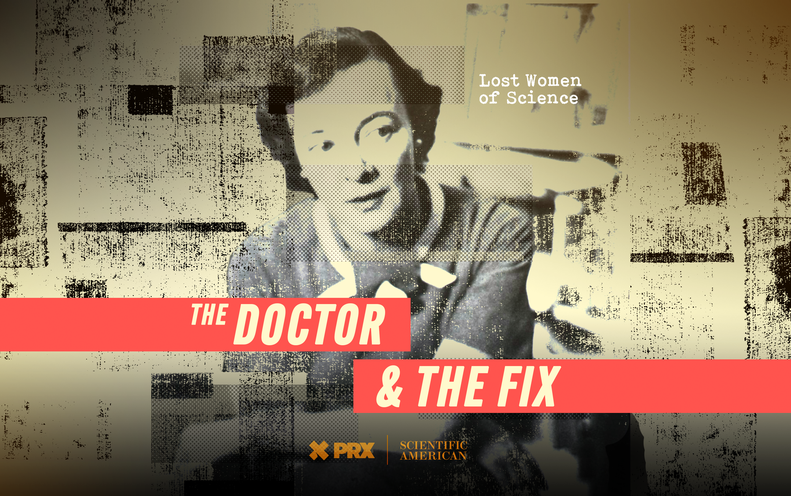
Marie Nyswander Changed the Landscape of Addiction. Here’s How Her Story Begins.

Marie Nyswander Changed the Landscape of Addiction. Here’s How Her Story Begins.

In 1946, Marie Nyswander, a recent medical school graduate, joined the U.S. Public Health Service looking for adventure abroad. Instead, they sent her to Lexington, Kentucky’s Narcotic Farm, a prison and rehabilitation facility for people with drug addiction, where therapies included milking cows and basket-making. It was at Lexington that Marie encountered addiction for the first time, and what she saw there disturbed her—and reset her life’s course.

[New to the Lost Women of Science? Listen to Episode One of our last season here.]

LISTEN TO THE PODCAST

EPISODE TRANSCRIPT

The Lost Women of Science podcast is made for the ear. We aim to make our transcripts as accurate as possible, but some errors may have occurred nonetheless. In addition, important aspects of speech, like tone and emphasis, may not be fully captured, so we recommend listening to episodes, rather than reading transcripts, when possible.

—-

CAROL SUTTON LEWIS: Before we start, just a quick note to let you know, this season of Lost Women of Science is about drugs and also, a little bit about sex. The content and the language are mainly for adults. Also, note that in the coming episodes, we’ll be including a lot of archival audio from the mid-20th century, so you’ll be hearing some outdated drug addiction language, as well as perspectives that don’t reflect our own.

FRED WEISGAL:  It is quite clear that the officials today who have been handling the narcotics problem have failed completely. 

KATIE HAFNER: In the 1960s, heroin use in the United States was rising at an alarming pace. And nothing seemed to help, as this lawyer told a TV reporter in Baltimore.

FRED WEISGAL: All that they have been able to do is send people to prisons, have these people come out, and they are still drug addicts.

[fades low]

KATIE HAFNER: But in 1965, a team of doctors at Rockefeller University announced what sounded like a miracle: they’d found a treatment for heroin addiction that actually worked.

They’d been running an experiment with a small group of patients for a couple of years—and the results, they were astonishing. Their patients, all men, aged 19 to 37, had been addicted to heroin for an average of nine years. Most hadn’t finished high school and had more than one arrest on their records. All had tried to quit heroin before and all had failed. But then, the doctors gave them something called methadone hydrochloride. 

CAROL SUTTON LEWIS: Methadone wasn’t a new drug. It was already being used to help patients detox – basically to ease the symptoms of withdrawal. The difference here was that the doctors at Rockefeller were giving doses much higher than those normally given—and it completely transformed the patients.

CAROL SUTTON LEWIS: One man started painting. Another one finished high school and got a scholarship to go to college. Most remarkably—the relentless cravings disappeared. They could stop thinking about heroin, stop dreaming about it at night. And it took just a day or two to start seeing the differences.

KATIE HAFNER: And yet, the Federal Bureau of Narcotics wanted all of this stopped! In fact, the Bureau had been monitoring one of these Rockefeller doctors for years: Marie Nyswander. She was the psychiatrist on the team. And she’d been working on addiction for more than a decade at this point. And the men at the Bureau were not fans of her work. Narcotics agents would show up at her office unannounced, and they’d come to her meetings. They thought her approach to addiction was completely wrongheaded and dangerous. But she wouldn’t stop, not then, and definitely not now that she was finally seeing results. In 1965, Dr. Marie Nyswander was a legend in the making and she was set to revolutionize the treatment of addiction.

[theme music starts]

KATIE HAFNER: This is Lost Women of Science. I’m Katie Hafner.

CAROL SUTTON LEWIS: And I’m Carol Sutton Lewis. And this season, The Doctor and the Fix: How Marie Nyswander changed the landscape of addiction.

KATIE HAFNER: Marie Nyswander was a Freudian psychoanalyst in New York City, who owned a private practice on Park Avenue  where she specialized in sex therapy. But she was a study in contrasts. When she wasn’t seeing private clients on the Upper East Side she was working in a bleak tenement building  in East Harlem, treating heroin addiction. 

CAROL SUTTON LEWIS: Marie Nyswander was one of the most intriguing figures in 20th century medicine, and the mark she left on addiction treatment, it’s indelible.

[theme music ends]

CAROL SUTTON LEWIS: So Katie, I imagine a lot of people listening to this are going to be pretty skeptical. I mean it’s 2023, and clearly we have not solved the problem of heroin addiction—or any kind of opiate addiction. There’s clearly more to this story.

KATIE HAFNER: Oh yes, there is. Methadone, their miracle drug, isn’t a cure for heroin addiction. In fact, methadone is an opioid. Heroin is too, but there are differences in how they’re made and how they make you feel. Heroin comes from the opium poppy, and methadone is synthetic. But they’re both hitting the same receptors in the brain and body,  So think about it—the idea that you would treat an opioid addiction with  another opioid, it isn’t just counterintuitive, it’s radical—at least for the U.S. in the early 60s. And it made Marie Nyswander some very high profile enemies.

CAROL SUTTON LEWIS: But we’re getting ahead of ourselves. So let’s back up, all the way up to the very beginning of Marie Nyswander, in 1919.

EMILY DUFTON: She was born in Reno, Nevada to a German father and an American mother.

CAROL SUTTON LEWIS: Emily Dufton is a drug historian and writer.

EMILY DUFTON: They divorced when she was two.  So she was raised almost entirely by her mother—Dorothy Bird Nyswander—who is just this really groundbreaking, amazing leader in public health,  global public health especially.

CAROL SUTTON LEWIS: Dorothy instilled in Marie the importance of being of service to others and also being tough as hell. There’s a great story about a time that she and her mom were camping when a grizzly bear showed up. Dorothy just clapped and told the bear to go away. And it did.

The two of them moved a few times during Marie’s childhood. They lived in California, then Utah, and then New York. When Marie was a little kid, her mom taught high school during the day, and worked on her Ph.D. from UC Berkeley at night.

EMILY DUFTON: So she raised Marie to be very cultured and very literary. They’d hang out with like Margaret Mead at night, um, really interested in anthropology and very independent.

CAROL SUTTON LEWIS: And Marie, she really was an independent thinker, even when she was young. Marie was actually born Mary Elizabeth Nyswander, but she decided there were just too many Marys out there, so she changed her name.  She told her mother that  “Marie” had more “character.” 

So she was independent, but she also really followed in her mother’s footsteps, and Marie decided to become a doctor. She went to Sarah Lawrence College, an artsy, progressive school just north of Manhattan, then enrolled at Cornell medical school, where she was one of just a handful of women in her class. 

EMILY DUFTON: She wanted to be a surgeon, right? She didn’t wanna just be a doctor. She wanted to be a surgeon. I think that speaks to her ambition. She really pushed herself to do a lot of, a lot of things that, I mean, you think about this woman in like ‘41, like who is pushing themselves to these lengths. Um, but she does it and it’s- it’s like you can’t imagine her doing anything else. 

CAROL SUTTON LEWIS: And at this point Marie wasn’t even thinking about addiction or its treatment. It wasn’t covered in any of her classes. But that all changed in 1946, when she did her medical residency with the United States Public Health Service.

EMILY DUFTON: Well, she joins the public health service actually because she wants to travel. And she kind of wants to go and have an international adventure for a while. So she joins the PHS with, with that as her goal. And where they send her instead is Kentucky. [laughs]

CAROL SUTTON LEWIS: Lexington, Kentucky, known for its rolling bluegrass hills and horses. It was also home to a massive federal drug rehabilitation facility and prison – known as “Narco” to locals. It was just outside of the city. And when Marie, this ambitious would-be surgeon, showed up there on assignment, she saw things that would completely alter her life’s course.

DAVID COURTWRIGHT (1981): Testing, 1, 2, 3, 4. Testing, 1, 2, 3, 4. 

MARIE NYSWANDER: I’m just sitting here comfortably. 

DAVID COURTWRIGHT: 1, 2, 3, 4. 

MARIE NYSWANDER: 1, 2, 3, 4. 

DAVID COURTWRIGHT: This is an oral history interview with Dr. Marie Nyswander. This is June 22nd, 1981.

KATIE HAFNER: A few years before Marie died, a young historian named David Courtwright visited her at her Rockefeller office in Manhattan. She was in her early 60s then, still working, and David had come to interview her about her life and career. But, the first thing he remembers noticing was the smell.

DAVID COURTWRIGHT: I could smell nicotine. And, uh, I knew from, from what others had told me that, um, she was a smoker. And I knew that that had led to some significant health problems, battles with cancer. And I was a little bit surprised actually, that I could still smell the, the nicotine on her.

KATIE HAFNER: Marie had smoked since she was a teenager, and despite her decades of addiction work, she hadn’t managed to quit. But the other thing David noticed was it felt like Marie was sizing him up.

DAVID COURTWRIGHT: I mean, I think uh, as a trained psychoanalyst, I mean, she’s obviously gonna be looking me over and judging me, and I supposed to some degree I felt that I was being judged.

KATIE HAFNER: I hear that in her voice. This cool appraising tone, and throughout the entire interview, when personal stuff comes up, she’s curt. She lets the silences kinda hang there. But then, David asks about Lexington.

DAVID COURTWRIGHT (1981): And what was your initial reaction?

MARIE NYSWANDER: To Lexington, Kentucky?

DAVID COURTWRIGHT: And that, that’s the moment I think when the interview really takes off. Uh, and (laughs) and there, there’s some kind of role reversal, you know, where the, the psychoanalyst is venting to the patient

MARIE NYSWANDER: Well, it was a hard year. It was the hardest year of my life. Prison is a terrible thing if you’re not experienced with it or if you, if you have any kind of a personality that cares about your fellow man.

DAVID COURTWRIGHT: Mm-hmm

MARIE NYSWANDER: A prison, working in a prison, will simply blow you up with rage and frustration.

KATIE HAFNER: So Carol, the way Marie describes it, I’m imagining this cold, hard prison environment right?

CAROL SUTTON LEWIS:  Ugh, yes, I mean you can just imagine what a place called “Narco” looks like.

KATIE HAFNER: But you know, when we started looking into Lexington, aka “Narco,” it’s not exactly what we found.

NANCY CAMPBELL: It opens in 1935, and it’s billed as “a new deal for the drug addict.”

KATIE HAFNER: Nancy Campbell is a professor at Rensselaer Polytechnic Institute and a historian of drugs and drug policy.

NANCY CAMPBELL: That was the language that they used. They used the language of public enlightenment, the idea that drug addicts would no longer be simply considered criminals. Now, what’s interesting is they were not considered criminals until 1914.

KATIE HAFNER: 1914 was the year the U.S. passed the Harrison Narcotic Act, the country’s first  federal anti-drug law, and soon, the prisons just started filling up. By the late 20s, a third of people in federal prisons were there for drug convictions, not to mention all the people there for alcohol offenses. This was also the time of Prohibition, after all.

NANCY CAMPBELL: At that point, the Federal Bureau of Prisons is realizing that prisons are overcrowded with people who suffer from what they consider a public health problem.

CAROL SUTTON LEWIS: But most doctors didn’t exactly know what to do either. Many were getting frustrated with these patients who came to get “cured,” but then went back to drugs and alcohol over and over. And it wasn’t even clear if addiction was a medical problem. Was it physiological? Was it psychological? Was it a disease or a personality disorder? Or was it just a bad habit? Whatever it was, we needed a better solution.

So in 1935, the Bureau of Prisons and the Public Health Service teamed up to open a first of its kind center in Lexington—a U.S. Narcotic Farm. Not just a prison, but a hospital too—about a third of patients came voluntarily.

ANNOUNCER: When the United States Public Health Service Hospital was established in Lexington, Kentucky, the problem of narcotic drug addiction was put under the banner of medicine. Until that time, this problem had been regarded almost solely as a correctional one. 

KATIE HAFNER: And wow, this place, in this promotional film from the Health Service, you can see it. It’s a sprawling art deco building, set on thousands of acres of farmland, dotted with big old trees.

ANNOUNCER: Activities include the operation of a modern dairy, the raising of hogs, and poultry, and intensive truck farming.

KATIE HAFNER: Now, there were locked corridors and bars on some windows, but there were also cows grazing in pastures, fresh food—everything from tomatoes to kale grown by patients on site—art therapy. 

CAROL SUTTON LEWIS: What?

KATIE HAFNER: A bowling alley, Yes! (Carol laughs) and tennis courts. And everyone who stayed there—whether they came voluntarily or not—was supposed to be called a “patient” not a “prisoner.” 

So Lexington, it quickly became the biggest and best-known destination for people with drug addiction in the country. 

CAROL SUTTON LEWIS: People would say they were going down there to get “the cure.” But, Lexington really wasn’t offering a cure for addiction because a cure for addiction didn’t exist.

NANCY CAMPBELL: It was essentially getting people away from drugs.  

CAROL SUTTON LEWIS: Nancy Campbell again.

NANCY CAMPBELL: And it was often referred to as “the geographic cure.” Get them away from their old neighborhoods and their old suppliers, and also the settings, the social cues that led them to relapse.

KATIE HAFNER: A new patient first had to stop using drugs. Medical staff would ease their withdrawal often with doses of morphine tapered over the course of a couple of weeks. Then, the patient would join the general population for the rest of their treatment. Fresh country air and honest work were always a big part of it.

ANNOUNCER: Supervised outdoor recreation is desirable and necessary for the health of the patients. It promotes good fellowship and normal human relationships.

CAROL SUTTON LEWIS: There was some therapy too – individual therapy, group therapy. But, the most important kind of therapy seemed to be keeping busy – busy with work, classes, and recreation.

NANCY CAMPBELL: Which included everything from basket making to bowling, and they would graph the number of hours of recreation that patients engaged in. And, of course, the most famous form of recreation that there was at Lexington …

CAROL SUTTON LEWIS: … was jazz. On weekends, patients would put on big concerts and the audience would get so excited,  and cheer so loudly you couldn’t even hear the music. Over the years, some of the biggest names in jazz passed through Lexington – Chet Baker, Sonny Rollins. 

KATIE HAFNER: And Carol, I’ve heard that some people actually wanted to go to Lexington just so they could practice with super famous jazz musicians.

And if you look at patient accounts of Lexington, some of the reviews were surprisingly good! 

BENNY GIM: What do you think of Lexington as a whole? What’s good about it and what is bad about it? 

CAROL SUTTON LEWIS: In 1951, New York State held a hearing about the problem of addiction. The hearing included a few testimonies, like this one, from an 18-year-old who’d just come back from treatment at Lexington.

BOY: The convalescing period over there is very good. They’ve got work, all sorts. You can work as a farmer, out in a farm. You can work in a dairy, you can work inside in a garment shop.

CAROL SUTTON LEWIS: Or do carpentry or auto repair

BENNY GIM: And, uh, how about the food? 

BOY: The food over there is the best. 

KATIE HAFNER: It wasn’t all rosy. Lexington was still a prison. People sometimes got sent there for minor drug offenses. Nancy says there were fewer riots than at other prisons, but there were some riots. Still, many people went there voluntarily for a reason.

CAROL SUTTON LEWIS: In the early 80s, David Courtwright and a couple of others started a massive oral history project all about addiction. That’s how we got to hear Marie’s voice earlier—as well as the voices of many patients. And for some of them, this rural escape, this pastoral temple of jazz, it seemed like it was actually working, at least for a time…

JOHN B: While I was in Lexington, uh, there was never any craving for drugs. 

CAROL SUTTON LEWIS: John—last initial—B was at Lexington several times in the 50s and 60s.

JOHN B:  I knew that I was an addict. But, uh, craving in the sense that people speak of cravings, uh, uh, desire, a subconscious desire for drugs, there was never that. I had never thought of it.

CAROL SUTTON LEWIS: So that’s “Narco,” huh? 

KATIE HAFNER: I know! It’s called “Narco,” and then it’s like this country club.

CAROL SUTTON LEWIS: Yeah. You know, it’s so interesting that Marie saw it so differently. 

KATIE HAFNER: Oh yeah. We’re gonna find out why, after the break.

=====AD BREAK=====

KATIE HAFNER: So far, Lexington has sounded much better than we imagined. And I have to say, some of the things we learned really made me question whether we can trust Marie’s account of the place, so we were trying to square the two versions. Here’s Emily Dufton again:

EMILY DUFTON: Lexington is an extremely disturbing environment for someone who was raised like Marie Nyswander, you know?

KATIE HAFNER: Marie was raised among liberal academics, and she spent many  formative years in California and New York.  She even dabbled in Marxism as a teenager. A lot of the staff, like the guards, they were locals, and this was the segregated south. So, Lexington was a major culture shock for her. 

Now, the doctors—the other doctors—at Lexington weren’t typically locals, but it turns out, she didn’t fit in that well with them either.

EMILY DUFTON: All of the other doctors are married and they have families and they’re raising children here in bucolic bluegrass of Lexington. and she’s like this young single woman. She’s totally weird. She’s a radical.

MARJORIE SENECHAL: I don’t remember much about her directly. My main memories are my mother gossiping about her all the time.

KATIE HAFNER: Marjorie Senechal actually grew up at Lexington. We called her up on Zoom a couple of months ago. 

MARJORIE SENECHAL: I was on the farm because my father was a doctor at the hospital there. They had built hospitals for the doctors, so there were places for people to live, and I lived there from age one to fifteen. 

KATIE HAFNER: Marjorie’s dad was Abraham Wikler, a big name in addiction research in those days. She told us the doctors who lived on the farm each had their own house, staffed by patients. And Carol, Marjorie said these patients would do all kinds of things for them – they’d cook, they’d garden, they’d even babysit the kids. 

CAROL SUTTON LEWIS: That’s a little weird to me. It’s like you’re supposed to be there to get better, and you’re taking care of the people’s kids?

KATIE HAFNER: Mm-hmm, and in fact, that is something Marie took issue with. But okay, remember that Marjorie was just a child for all this. And so she has very fond memories of running around the grounds, interacting with staff and patients alike. 

KATIE HAFNER: So anyway, Marjorie met Marie when she was six or seven, and she only remembers her vaguely.

MARJORIE SENECHAL: Uh, she was pretty, and she was, she was very nice to us.

KATIE HAFNER: But she does remember what her mom said about Marie. So it turns out, Marie ruffled a lot of feathers, especially among the doctors’ wives.

MARJORIE SENECHAL: Well, she did things that were out- outrageous. She wore slacks that was just, you don’t do that. And she did. And she had gone to Sarah Lawrence, which showed that she was a brave intellectual with no concern for conventions and things like that. And she flew an airplane, which was pretty brave.

KATIE HAFNER: And this daring, attractive woman in her 20s was working alongside their husbands, while the women were at home, hanging out with each other.

MARJORIE SENECHAL: And so altogether, she was, she scared them, all the mothers as being too advanced. And they were jealous. I think that was really basically it.

KATIE HAFNER: And so learning all this I started wondering if Marie’s own loneliness and misery were maybe coloring her impressions. Or maybe it was that she was hearing more of the conversations happening behind the scenes? Or maybe it was just that the patients had seen far worse than Lexington, and Marie was new to all this. But what Marie described to David Courtwright in their interview years later were nurses and guards who held their patients in total contempt.

DAVID COURTWRIGHT: Do you think that the- this prison mentality was related to the racial and class characteristics of these people?

MARIE NYSWANDER: No, it was against drug addicts. I, I think I could say that because we didn’t have an overwhelming number, the, um, minority ethnic ratio was about the same as in, as in society.

DAVID COURTWRIGHT: Mm-hmm.

CAROL SUTTON LEWIS: So in the late 40s, most patients were white. Even though Lexington was in the segregated south, it was a federal facility and desegregated. But, there was racism. Marie said she heard nurses calling Black patients the n-word. And Marjorie saw white guards bullying a Black guard.

CAROL SUTTON LEWIS: But what would eventually get Lexington into real trouble was the research lab. As we’ve heard, very little was understood about how addiction worked, and how to treat it. 

NANCY CAMPBELL: One of the reasons that a laboratory is set up on the grounds of the narcotic farm in Lexington, Kentucky is because the U.S. Congress says What we really want you to do is find a cure. We we want you to use the power of science to find a cure for drug addiction

CAROL SUTTON LEWIS: But at Lexington, they did research on human beings, on the patients.

In one experiment, researchers put patients who’d already detoxed back on drugs. They “re-addicted them,” and then made them go through withdrawal again. They were testing things out like how addictive various drugs were and they were looking for drugs that would help ease withdrawal symptoms. Although the research that eventually got them shut down was CIA-funded experiments with LSD in the 50s and 60s. 

KATIE HAFNER: Ok, but let’s wind back for a bit. The ethics around this kind of research—and research on prisoners—were definitely different then. Nancy Campbell, the historian we heard earlier, she says the director of the lab had a real commitment to informed consent, so that the subjects were all strictly volunteers who knew exactly what they were getting into. 

CAROL SUTTON LEWIS: Right, but you really have to ask how voluntary participation can be when you’re a patient with a powerful addiction living in a prison-hospital.

KATIE HAFNER: Right, yeah, really thorny ethical questions. Although when Marie criticized Lexington, she doesn’t really talk about the research, her problem really seems to be the whole vibe of the place. 

MARIE NYSWANDER: It was pretty rough, pretty rough for a little girl out of our internship. 

DAVID COURTWRIGHT: Mm-hmm

MARIE NYSWANDER: Uh, and who had no idea that people like this existed.

DAVID COURTWRIGHT: Especially an idealistic one.

MARIE NYSWANDER: Well, yeah, but one who was kind of naive and had had very little experience in life.  

KATIE HAFNER: And that might have been the end of any interest she might have had in addiction research, but there was something that drew her in: the patients.

EMILY DUFTON: She becomes friends with a lot of the patients who treat her very kindly. They play their jazz music for her like they give her private concerts. They make her feel human connection when she doesn’t feel any other human connection in the environment.

CAROL SUTTON LEWIS: Though before we get too carried away, it wasn’t all sunshine and kittens. Marie told a reporter she got mugged a few times at Lexington, and one time, a female patient roughed her up after Marie refused to give her the key to a drug cabinet. 

But the jazz, the patients that seemed to be looking out for her when she was feeling alone – those memories would stay with her for decades.

EMILY DUFTON: And so naturally she, I think, becomes very interested in who these individuals are who are battling this pathology of addiction like they make a real impression on her. And that, I think, is probably the biggest jumpstart to her career in psychiatry.

CAROL SUTTON LEWIS: By the time she left Lexington, she was done with surgery. Marie Nyswander was going to be probing the mind instead. 

So, Lexington is where Marie gets her start learning about addiction. But here’s the thing, for the most part, what they did there, just didn’t work. Remember John B, the one who said his cravings went away at Lexington? Well, he kept coming back multiple times over the 50s and 60s. At first, whenever he got released, he didn’t feel any cravings. Four, five, six months would go by and he’d be fine.

JOHN B: And then, uh, all of a sudden I’ll meet somebody and they’ll say, uh, let’s go and get a fix. And I’ll go and get a fix. Like I told you, if I could afford it, I’d use drugs the rest of my life.

DAVID COURTWRIGHT: You really enjoyed the heroin?

JOHN B: Yeah, yeah.

KATIE HAFNER: Marie testified about Lexington at the narcotics hearing we heard earlier, and she was asked about this—how many people who went to Lexington recovered?

MARIE NYSWANDER: I, I would just say 15{35112b74ca1a6bc4decb6697edde3f9edcc1b44915f2ccb9995df8df6b4364bc}. And that may be very generous, uh, very generous indeed. 

CAROL SUTTON LEWIS: Oh wow, her voice sounds so different.

KATIE HAFNER: Yeah, Marie was just 32 when that hearing happened. She still had all those years ahead of her to grow jaded and world weary…..

MARIE NYSWANDER: You see, one of the things is you don’t see the ones who, who have been cured. They don’t come back. But when one gets a kind of feeling for it, I would say 15{35112b74ca1a6bc4decb6697edde3f9edcc1b44915f2ccb9995df8df6b4364bc}. Now, I don’t know how that stocks up with official figures.

KATIE HAFNER: Lexington’s own figures at the time were higher, estimating that closer to 25{35112b74ca1a6bc4decb6697edde3f9edcc1b44915f2ccb9995df8df6b4364bc} of the patients had been cured—though as Marie said, it’s really hard to know. 

So that’s where we were at this point in time with addiction. These were the success rates for the best, most respected rehab program in the country. 

SIDNEY TARTIKOFF: Is it your opinion that the- the best estimates of the effectiveness of cure are not particularly encouraging?

MARIE NYSWANDER: Unfortunately. Um, I don’t like to admit to it because you know we always, we always feel that- uh we always have to look on the side that one must and can somewhere there is a cure. And um, but up to now, uh, with the- what we know so far or what’s been done so far, it’s a difficult problem, very.

SIDNEY TARTIKOFF: So that we understand this a little more clearly, doctor, this isn’t some disease that responds to an antibiotic or a penicillin?

MARIE NYSWANDER: No, I wish it were.

SIDNEY TARTIKOFF: Uh, this isn’t a disease which you can treat with some specific remedy?

MARIE NYSWANDER: Not that we know of now.

KATIE HAFNER: But something important was about to happen. Because right around the time Marie was at Lexington, the research lab there started experimenting with a powerful, synthetic painkiller. It had recently arrived from Germany, It had been developed by a Nazi-allied pharmaceutical company. 

The Germans called it “amidone” but it would soon be better known as “methadone.”

KATIE HAFNER: The Lost Women of Science podcast is hosted by me, Katie Hafner,

CAROL SUTTON LEWIS: And me, Carol Sutton Lewis. This episode was produced by Elah Feder, our senior producer, and Nora Mathison, with help from Zoe Kurland and Dominique Janee.

KATIE HAFNER: We had fact checking help from Danya AbdelHameid. All of our music is by Lizzy Younan. D Peterschmidt mixed and designed the sound for this episode. 

A big thank you to David Courtwright who shared his large oral history collection with us. It’s called Addicts Who Survived, and includes the interview you heard with Marie Nyswander and many personal stories of drug addiction.

CAROL SUTTON LEWIS: We also want to thank Dr. Melody Glenn, who wrote in suggesting we cover the story of Marie Nyswander. If you know of scientists you think we should cover, contact us through our website, lost women of science dot org.

KATIE HAFNER: I want to thank my co-executive producer at Lost Women of Science, Amy Scharf. We are funded in part by the Alfred P. Sloan Foundation, and Schmidt Futures.

Our podcast is distributed by PRX and published in partnership with Scientific American.

CAROL SUTTON LEWIS:  For show notes and more about the whole team that makes this show happen, visit lostwomenofscience.org. 

KATIE HAFNER: Finally, to make sure you don’t miss the next episode, subscribe to Lost Women of Science on your favorite podcast platform

CAROL SUTTON LEWIS: See you next week!